

Protegiendo el ‘Acuario del Mundo’ de la Industria Gasífera
La industria de combustibles fósiles quiere convertir el Golfo de California, hogar de miles de especies marinas, en un centro de distribución de gas. Nos estamos asociando con defensores del medio ambiente en México para impedirlo.
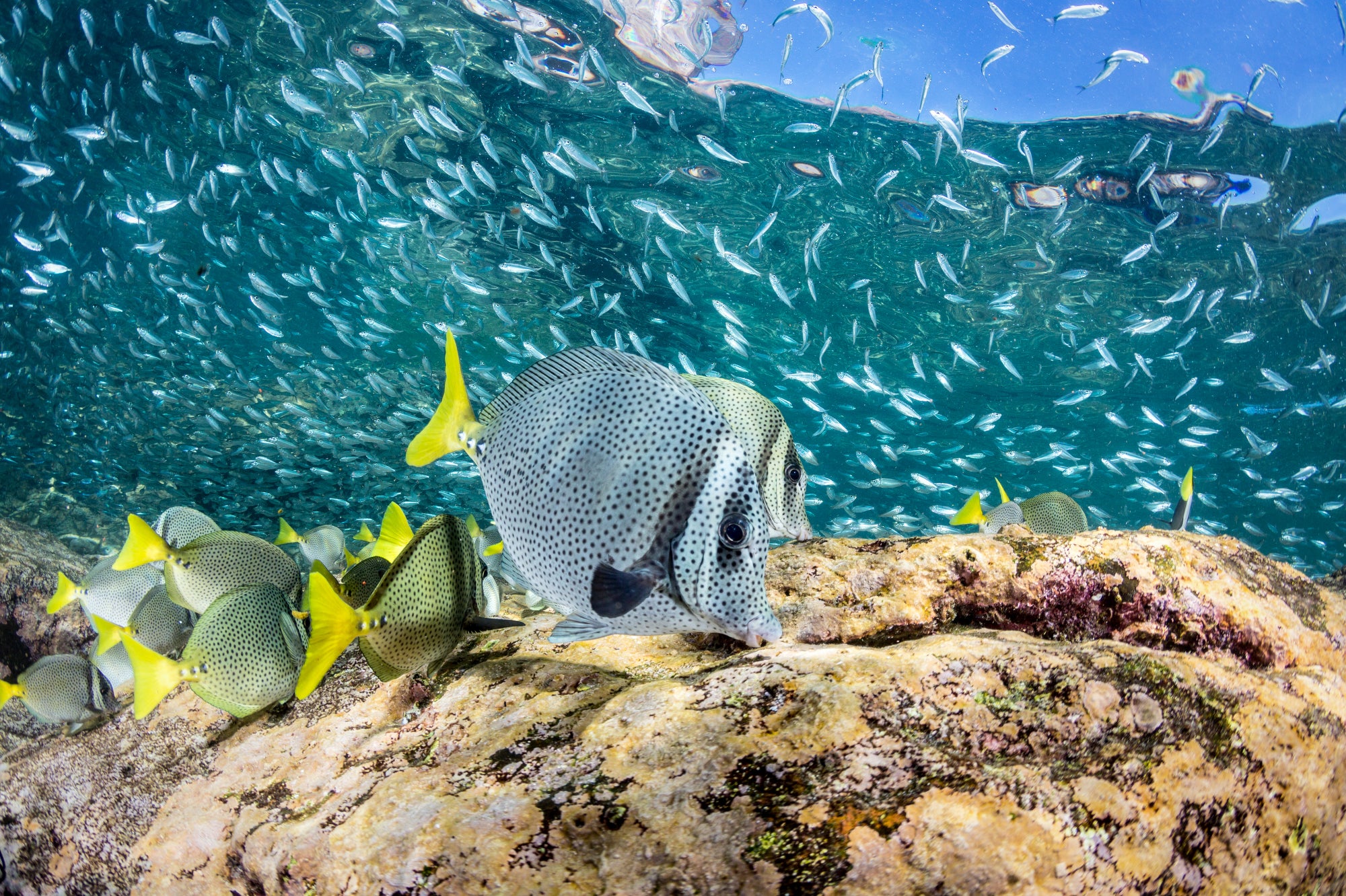
En una estrecha franja de océano al sur de la frontera entre California y México, las ballenas jorobadas convergen junto a delfines juguetones, leones marinos y miles de otras especies marinas.
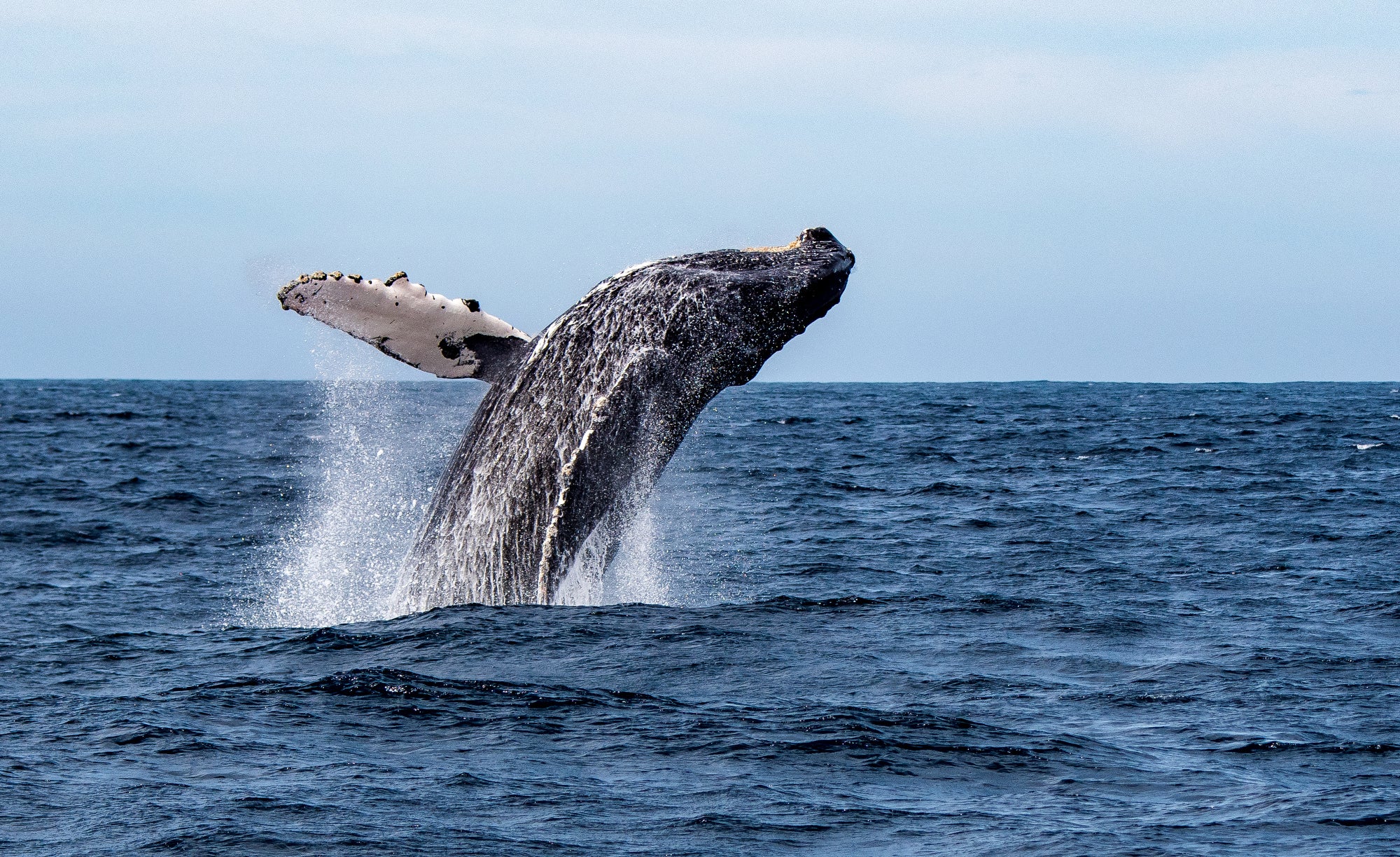
A humpback whale breaching in the Gulf of California. (Ray Hems / Getty Images)
El Golfo de California, en el noroeste de México, es un punto clave de biodiversidad reconocido por la UNESCO. Un tercio de los mamíferos marinos del mundo habitan allí, incluyendo el animal más grande del planeta: la ballena azul. El conservacionista marino Jacques Cousteau alguna vez lo llamó “el acuario del mundo”.
La industria de los combustibles fósiles quiere convertirlo en el próximo centro mundial de transporte de gas.
Las compañías petroleras y gasíferas ven el Golfo como una ruta estratégicamente más corta para transportar gas natural licuado (GNL) desde Estados Unidos a los mercados asiáticos. Sin embargo, la intensa actividad industrial causaría estragos en el frágil ecosistema del Golfo, convirtiendo una maravilla natural en una máquina de generar ganancias a partir de los combustibles fósiles. Por ende, grupos ambientalistas mexicanos locales están impugnando estos proyectos ante los tribunales.
Earthjustice se ha asociado con estos grupos para impedir que la industria estadounidense de combustibles fósiles envíe destrucción ecológica al otro lado de la frontera.
“La gente ha construido su vida en torno al hecho de que este es un lugar increíblemente bello y con una gran biodiversidad”, dice Ava Ibáñez, abogada principal del programa de océanos de Earthjustice. “El hecho de que un puñado de ejecutivos de la industria estén intentando destruir todo eso es completamente indignante”.
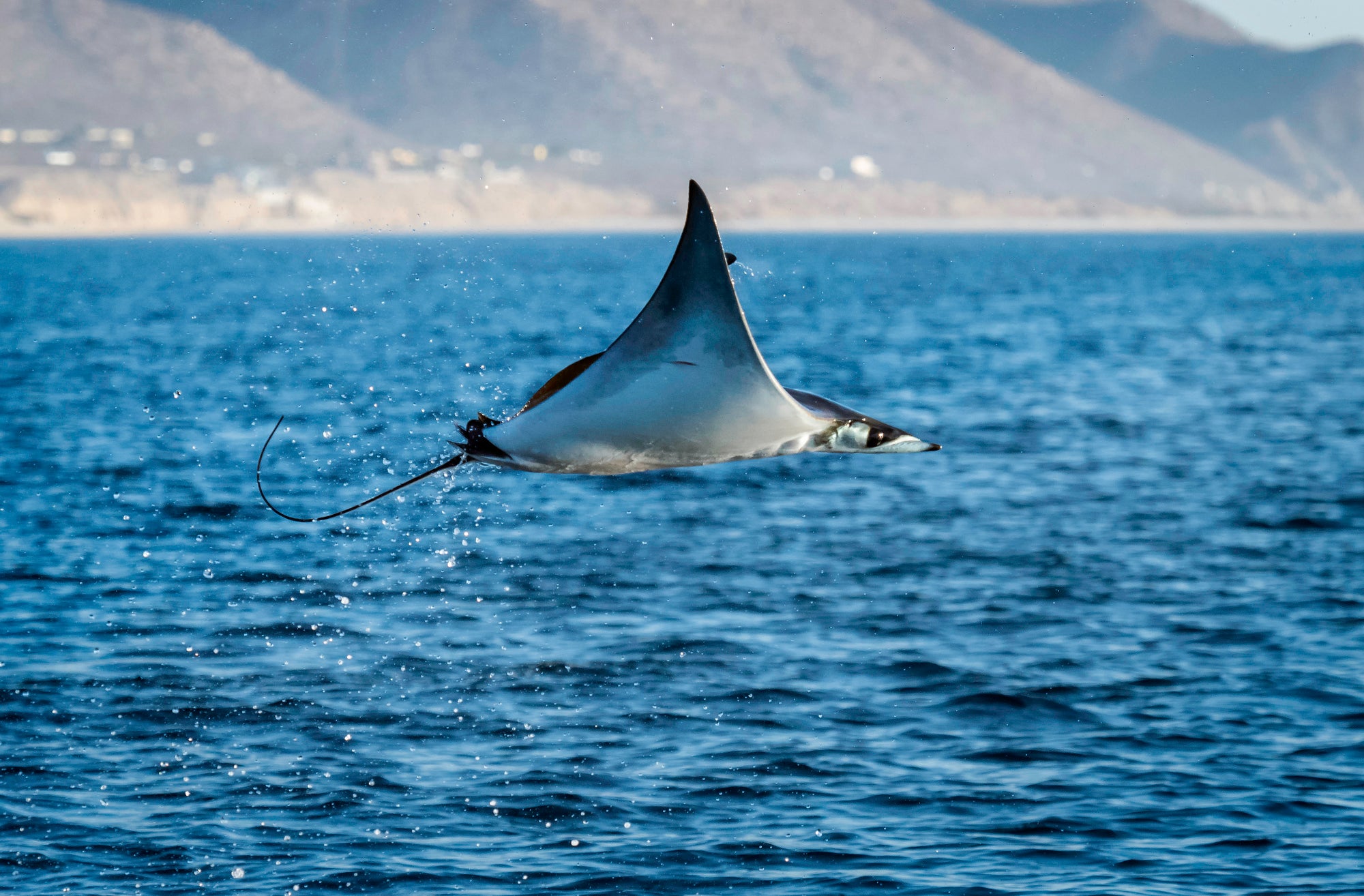
A breaching mobula ray in the Gulf of California. (Wildestanimal / Getty Images)
El acuario del mundo
Las ballenas, los delfines y muchas otras especies marinas migran al Golfo para alimentarse, encontrar pareja y criar a sus crías. En el Golfo habitan once especies de ballenas, entre ellas la ballena azul, la ballena de aleta, el cachalote y la ballena jorobada. Sus aguas cristalinas también albergan colonias de leones marinos de California, tortugas bobas, tiburones, rayas mobula voladoras, focas peleteras y cerca de 900 especies de peces.
Gran parte de esta diversidad se debe a una combinación única de corrientes oceánicas que confluyen en el Golfo, produciendo una rica mezcla de alimentos con alto contenido nutritivo, como el fitoplancton. Esto ha dado lugar a una variedad de especies de plantas y animales que no se encuentran en ningún otro lugar del mundo, como la totoaba, en peligro de extinción, que puede alcanzar los 1,8 metros de longitud.
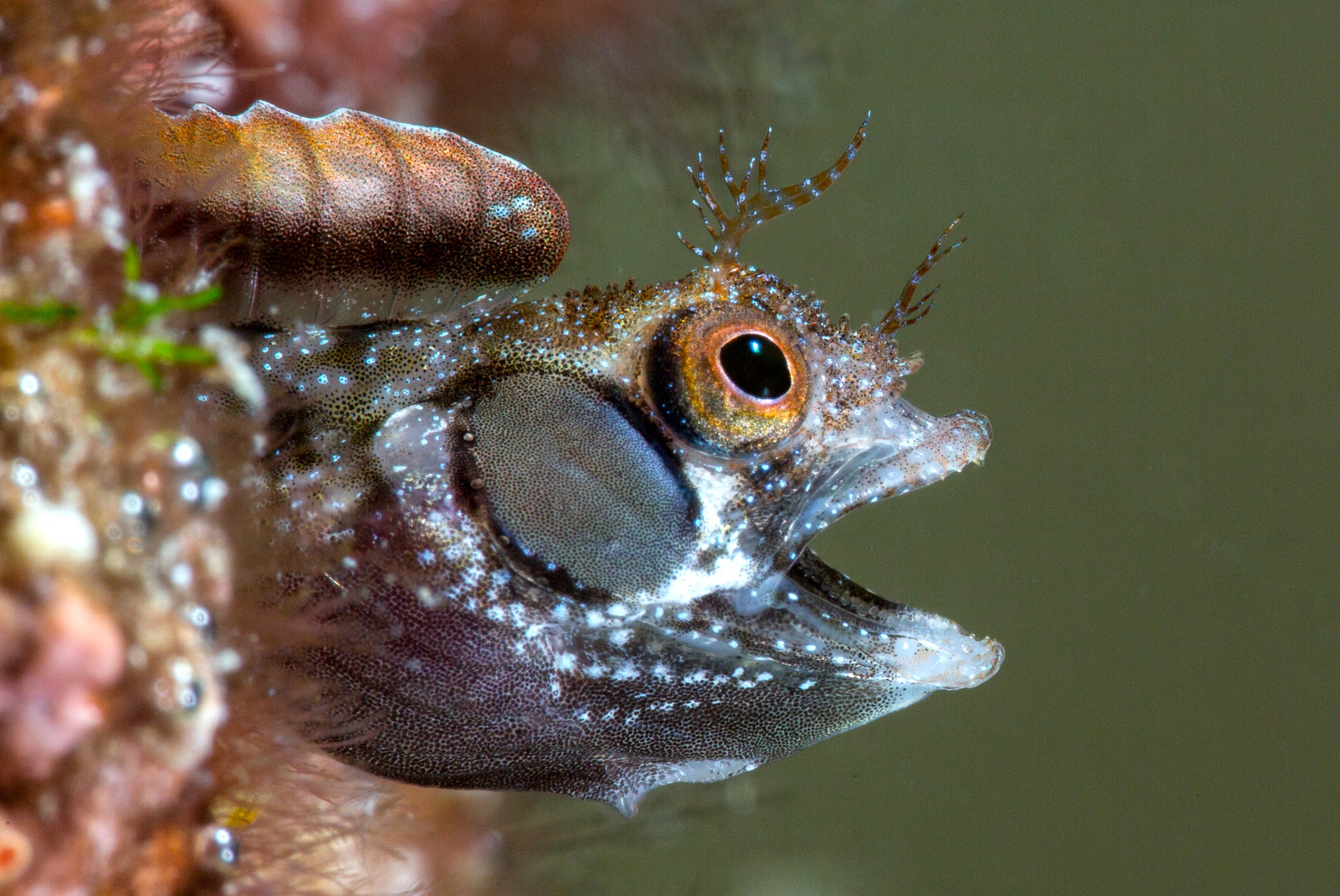
A browncheek blenny (Acanthemblemaria crockeri) peers from its hole on a reef on Isla Espiritu Santo near La Paz, Mexico. Browncheek blennies are rarely found outside the Gulf of California. (Brent Durand / Getty Images)
El Golfo también sirve como refugio para especies marinas en peligro de extinción, cuyos hábitats en otros lugares han sido objeto de perforaciones para la extracción de petróleo y gas.
Las amenazas
Actualmente hay dos proyectos de GNL en desarrollo en el Golfo.
El proyecto más grande, llamado Saguaro Energía, construiría un gasoducto de 800 kilómetros desde la Cuenca Pérmica, la capital del gas de esquisto de Texas, hasta Puerto Libertad. Allí, una nueva planta de licuefacción enfriaría el gas hasta convertirlo en líquido. Otro proyecto, llamado AMIGO, sería la planta flotante de GNL más grande del mundo, una técnica que conlleva riesgos adicionales en zonas propensas a huracanes.
Ambos proyectos transportarían gas metano en gigantescos buques cisterna a través del Golfo hacia Asia, amenazando a las ballenas con colisiones submarinas y descargas de agua de lastre nocivas. Las colisiones de buques son una de las principales causas de muerte de ballenas, especialmente cerca de las rutas de transporte de combustibles fósiles. Además, generan una contaminación acústica ensordecedora que dificulta la comunicación, la búsqueda de pareja y la reproducción de las ballenas.
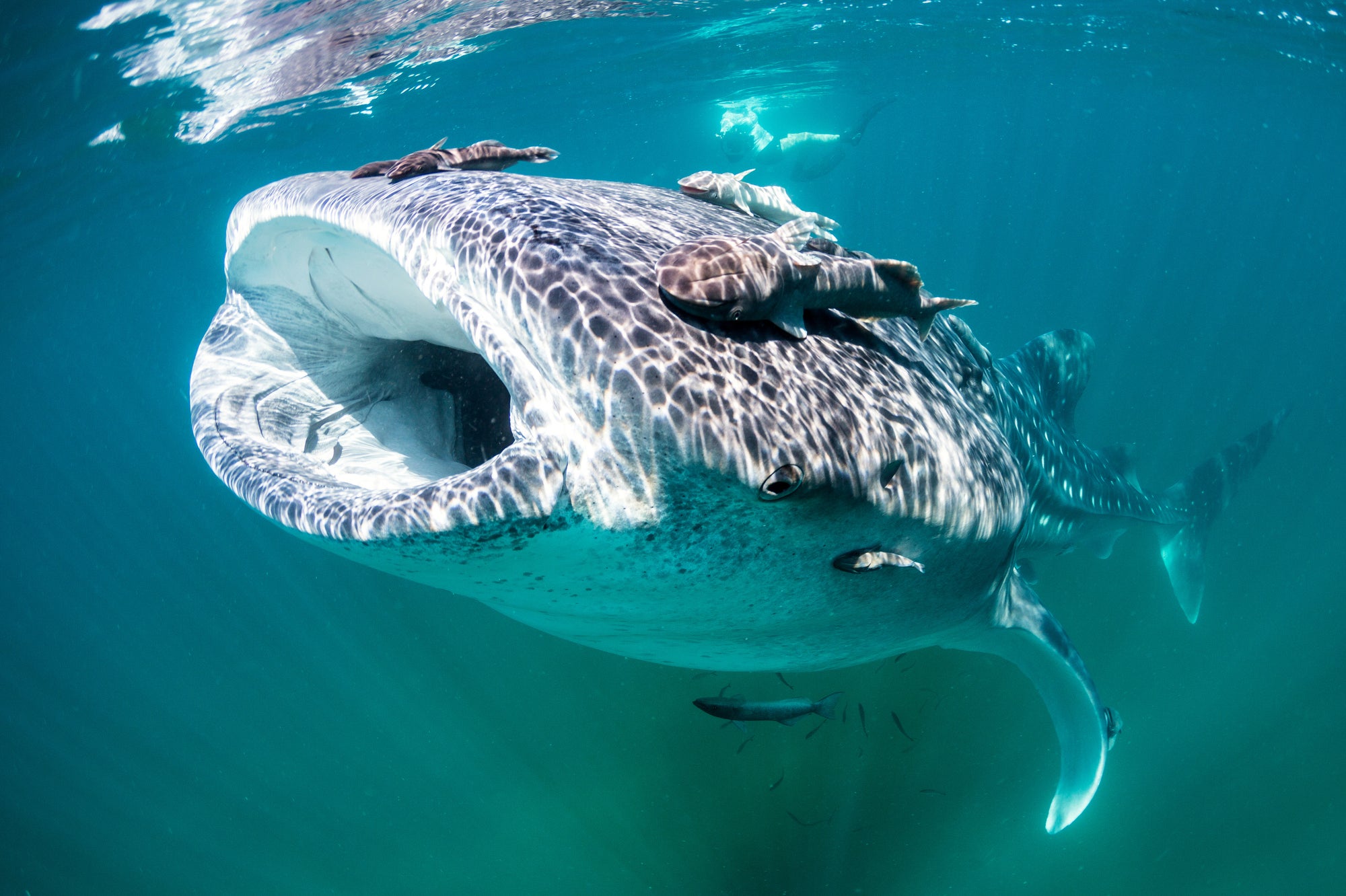
A whale shark feeds on plankton and krill near the surface of the Gulf of California. (Brent Durand / Getty Images)
Un tercer proyecto, Vista Pacífico, fue cancelado. Debido a una fuerte oposición pública por parte de comunidades mexicanas, grupos ambientalistas y las Naciones Unidas, junto con obstáculos regulatorios, los propietarios del proyecto lo suspendieron en 2025.
Estos proyectos también supondrían un retroceso para México en el cumplimiento de sus objetivos climáticos. El metano, un gas de efecto invernadero, es más de 80 veces más potente que el carbono para retener el calor en la atmósfera. Las emisiones de metano se producen principalmente durante su transporte por gasoductos, no durante su uso final. La industria del gas aprovecha esta diferencia para promover una narrativa de lavado de imagen verde sobre el gas “natural”.
La gente que lucha por salvar el Golfo
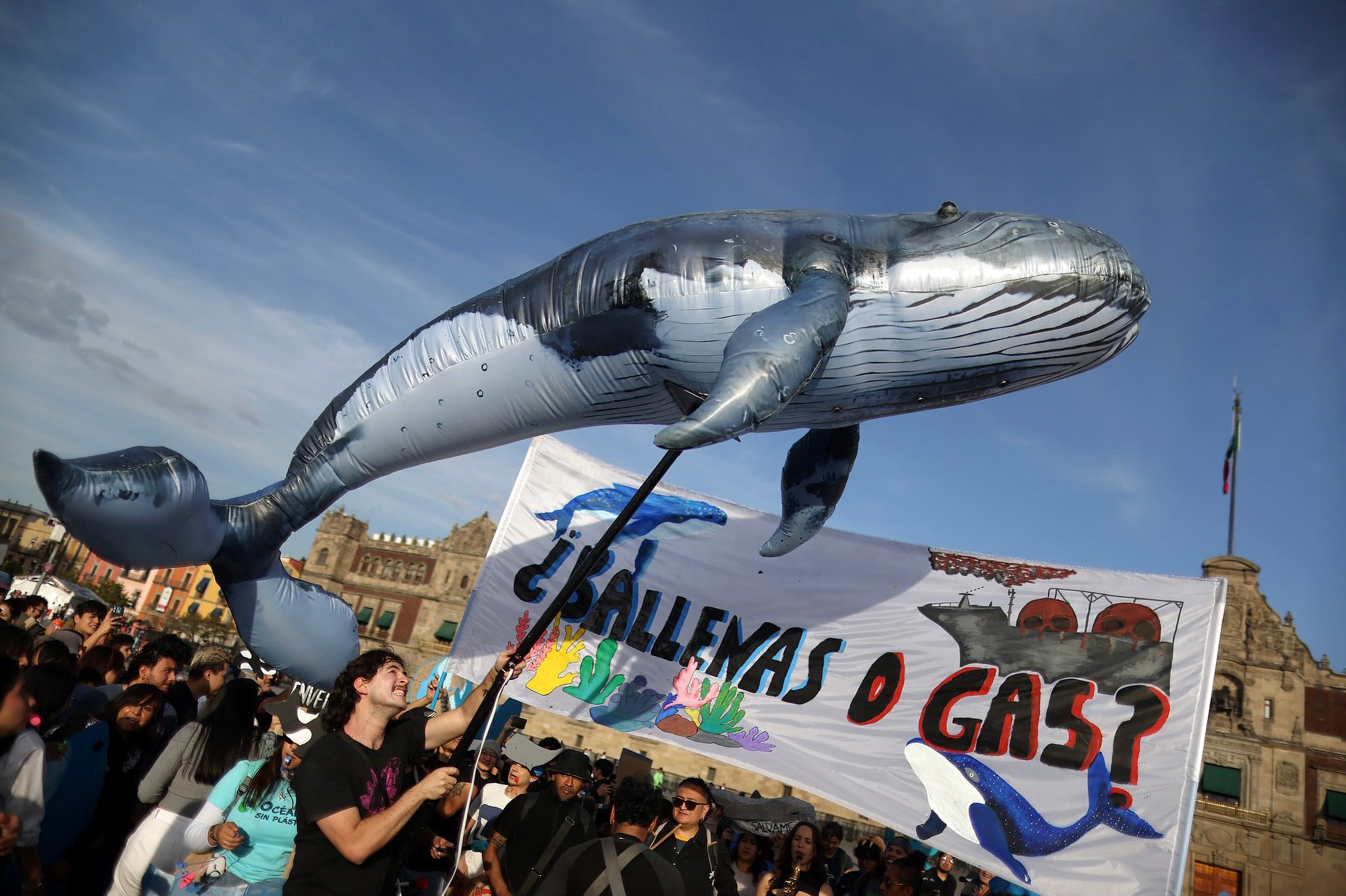
Protestors march in Mexico City in 2025 to oppose proposed gas projects in the Gulf of California. The project would harm whales and other marine life in the gulf. (Gustavo Graf / Greenpeace)
Estas propuestas han generado un fuerte rechazo por parte de la opinión pública mexicana.
Grandes protestas en defensa de las ballenas han inundado las calles, y miles de personas han firmado peticiones para proteger el Golfo de la industria destructiva. Numerosos grupos ambientalistas mexicanos han impugnado los proyectos de GNL ante los tribunales, asestando importantes reveses a su desarrollo.
Nuestro Futuro es una organización liderada por jóvenes comprometida con la acción climática. Inspirada por la creciente defensa de los derechos de la naturaleza a nivel mundial, la organización argumenta que las ballenas en el Golfo están protegidas por las leyes ambientales de México. Su acción legal ha logrado la suspensión del tráfico de buques cisterna en el Golfo de California, en relación con Saguaro Energía.
“Establecer los derechos de las ballenas significa reconocer que no son ‘cosas’”, afirma Nora Cabrero Velasco, directora ejecutiva de Nuestro Futuro. “No son simplemente parte del paisaje ni daños colaterales. Son seres vivos con un valor propio que la ley debe proteger”.
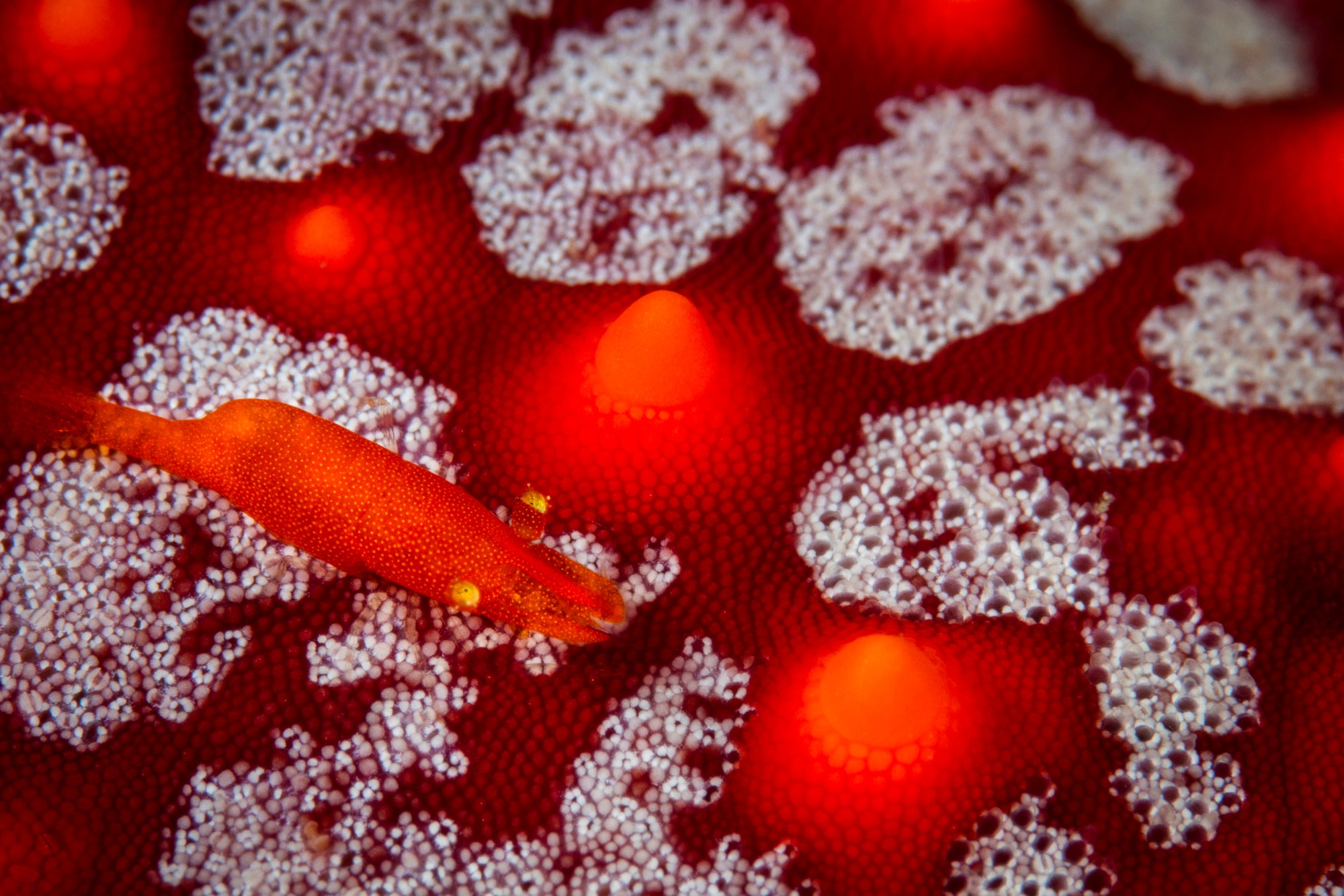
Commensal shrimp on a starfish in the Gulf of California. (Todd Winner / Getty Images)
El Centro Mexicano de Derecho Ambiental (CEMDA) es el bufete de abogados ambientalistas más antiguo de México. CEMDA se ha manifestado en contra del proyecto AMIGO y ha impugnado los permisos estadounidenses para el oleoducto de Saguaro Energía. Asimismo, ha elaborado informes que analizan las importantes emisiones de gases de efecto invernadero de Saguaro y los riesgos de colisión para las ballenas del Golfo.
“En los últimos años, hemos visto surgir proyectos de GNL como una seria amenaza para uno de los ecosistemas con mayor biodiversidad del planeta”, afirma Margarita Campuzano, directora de comunicaciones de CEMDA. “Estos megaproyectos generan múltiples impactos negativos, como contaminación atmosférica y marina, ruido submarino y emisiones de metano. Todo esto supone riesgos significativos para la biodiversidad marina de la región”.
Defensa Ambiental del Noroeste (DAN, por sus siglas en español) es una organización regional con sede en Baja California. DAN ha presentado demandas contra Saguaro y ha presionado a los organismos de la UNESCO para que defiendan las especies marinas del Golfo. El Comité del Patrimonio Mundial de la UNESCO ha solicitado análisis rigurosos del impacto ambiental que evalúen las consecuencias de los proyectos de GNL.
“Para las comunidades que se adaptan al cambio climático, conservar la biodiversidad es un acto de fe en que la vida puede seguir siendo sostenible”, afirma Cecilia García, directora de comunicaciones estratégicas de DAN. “Representa la esperanza de que podamos ser mejores guardianes de este planeta. Renunciar a la protección de la biodiversidad en México significa renunciar al esfuerzo por restaurar el equilibrio perdido del planeta”.
The International Program partners with organizations and communities around the world to establish, strengthen, and enforce national and international legal protections for the environment and public health.
Earthjustice’s Oceans Program uses the power of the law to safeguard imperiled marine life, reform fisheries management, stop the expansion of offshore oil and gas drilling, and increase the resiliency of ocean ecosystems to climate change.