Posts tagged: coal ash

unEARTHED. The Earthjustice Blog

coal ash


    SIGN-UP for our latest news and action alerts:
   Please leave this field empty

Facebook Fans

Featured Campaigns

Everyone has The Right To Breathe clean air. Watch a video featuring Earthjustice Attorney Jim Pew and two Pennsylvanians—Marti Blake and Martin Garrigan—who know firsthand what it means to live in the shadow of a coal plant's smokestack, breathing in daily lungfuls of toxic air for more than two decades.

Coal Ash Contaminates Our Lives. Coal ash is the hazardous waste that remains after coal is burned. Dumped into unlined ponds or mines, the toxins readily leach into drinking water supplies. Watch the video above and take action to support federally enforceable safeguards for coal ash disposal.

ABOUT EARTHJUSTICE'S BLOG

unEARTHED is a forum for the voices and stories of the people behind Earthjustice's work. The views and opinions expressed in this blog do not necessarily represent the opinion or position of Earthjustice or its board, clients, or funders.

Learn more about Earthjustice.

View Trip Van Noppen's blog posts
22 December 2010, 10:41 AM
Communities across U.S. are in peril until agency acts
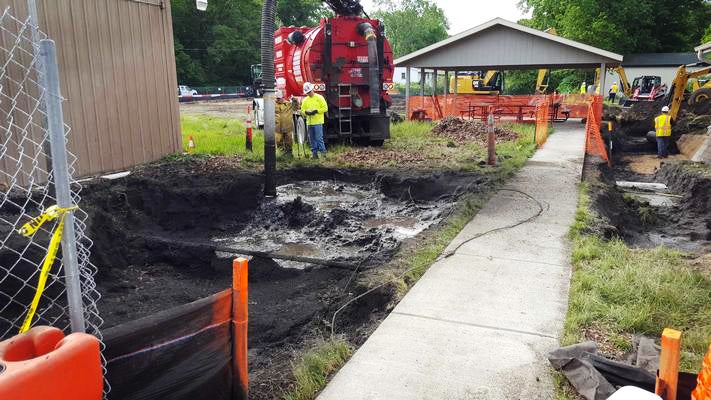
Coal ash spill in Tennessee

Today marks the second anniversary of the nation’s largest toxic waste spill, when a billion-gallon wave of arsenic-filled coal ash carried away three houses and destroyed a riverfront community below the Tennessee Valley Authority (TVA) Kingston Fossil Plant in rural Tennessee.

Two years and $400 million dollars later, critical problems remain. Despite removal of more than 3 million tons of spilled ash, the cleanup at Kingston is far from complete, and the direction of EPA’s rulemaking, intended to prevent another spill, is as murky as the contaminated cove beneath the broken dam.

The disaster cast a spotlight on EPA’s 30-year failure to regulate the disposal of coal ash, a toxic-laden waste left over after burning coal for electricity. In the absence of federal protection standards, an enormous quantity of this waste has been dumped in unlined pits and ponds throughout the U.S. At least 50 high-hazard dams hold back millions of tons of toxic ash and threaten communities, like Harriman, that face destruction should these aging, unregulated dams break. And if another one of these dams collapses, human life is expected to be lost.

Beyond these catastrophic disasters, there are more than 100 locations across the country where water and air are poisoned by coal ash.. Arsenic levels in drinking water around unlined ash ponds can be high enough to cause cancer in 1 of 50 people – which is 2,000 times EPA’s acceptable risk. Additionally, these sites often are not covered, allowing ash to enter into the lungs of vulnerable populations like children and the elderly.

View Raviya Ismail's blog posts
17 November 2010, 11:15 AM
EPA taking comments on options to handle coal ash
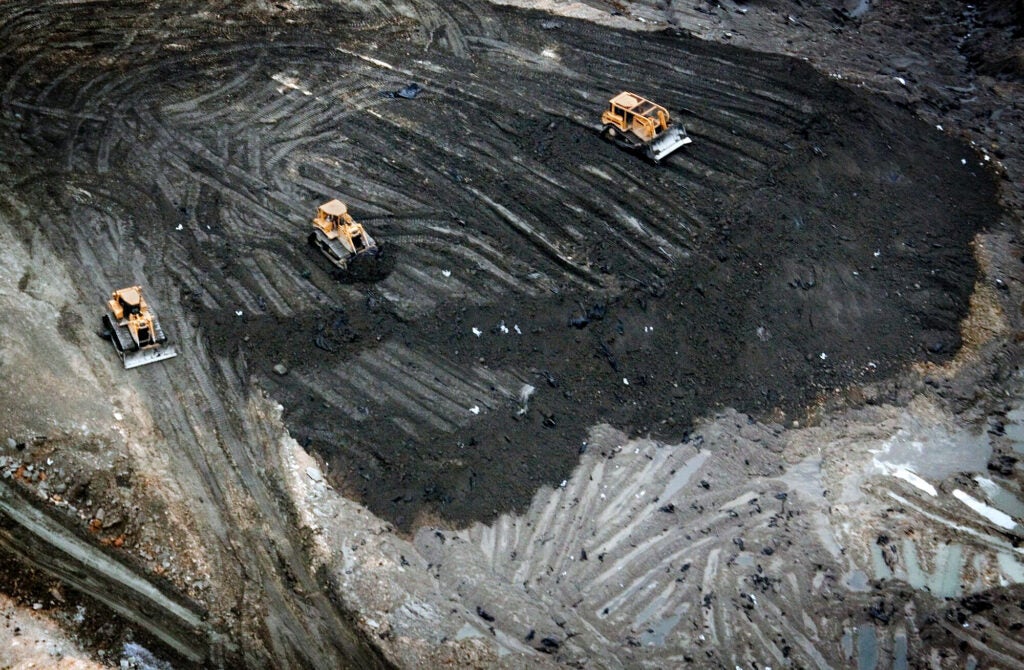
Coal ash spill

Hurry up! Friday is the deadline for submitting comments to the U.S. Environmental Protection Agency on its proposal to regulate coal ash, including one option that would keep things as they are (not good).

And if the December 2008 TVA coal ash disaster isn’t reason enough to regulate this substance as a hazardous waste, here are some stories that may change your mind.
 

1 Comment   /   Read more >>
View Terry Winckler's blog posts
08 October 2010, 12:32 PM
There are chilling similarities among these toxic triplets
Hungary's red sludge aftermath

As my colleague Raviya Ismail described yesterday, the flood of toxic red sludge in Hungary is ominously similar to the toxic coal ash flood two years ago that swept out of a ruptured reservoir into a Tennessee town. But, the comparisons don't stop there.

The size and toxicity of the red sludge are also being compared to the BP oil spill in the Gulf of Mexico. They are roughly the same volume and can be harmful in high concentrations. They both have had immediate lethal effects on human and animal species, and are expected to have long-lasting harm. Moreover, in both cases, the governments involved have downplayed their impacts.

Hungarian officials are declaring the red sludge menace to be under control and without the feared consequences, even though at least seven people have died and aquatic life in various rivers and creeks have been wiped out. Read the following three graphs from a news report today and ask yourself if they sound familiar:

View Jared Saylor's blog posts
16 September 2010, 1:30 AM
Coal's waste is poisoning communities in 34 states
Flood of coal ash in Tennessee

Water and air in 34 states are being poisoned by the waste of coal-fired power plants—creating major health risks for children and adults—according to a report released today by Earthjustice and Physicians for Social Responsibility.

The ground-breaking study connects the contamination occurring at hundreds of coal ash dumps and waste ponds across the country to health threats such as cancer, nerve damage and impairment of a child's ability to write, read and learn.

Contaminants leaking or being emitted from these sites include arsenic, which causes skin, bladder and lung cancer; lead, which damages the nervous system; boron, which attacks the testes, kidney and brain; and mercury, a neurotoxicant particularly harmful to a child's development.

Today's report, "Coal Ash: The Toxic Threat to Our Health and Environment" follows a report issued last month, by Earthjustice and other environmental groups, that revealed 39 contaminated coal ash sites in 21 states. Together, the two studies confirm that at least 137 sites in 34 states are leaking a variety of toxic contaminants into nearby air and drinking water supplies, posing significant health threats to those who drink the water or breath in fugitive coal dust.

6 Comments   /   Read more >>
View Raviya Ismail's blog posts
30 August 2010, 2:24 PM
Hundreds testify as EPA hearings begin on regulating coal ash
Coal ash spill

One grandmother from Virginia called on the EPA to "do the right thing... step up."

Gefen Kabik, 14, of Potomoc, Maryland asked, "Since when has money become more important than people?"

And Eric Schaeffer, director of the Environmental Integrity Project, said, "There are a lot of people who can't afford to be in the room today who are depending on you to make the right choice."

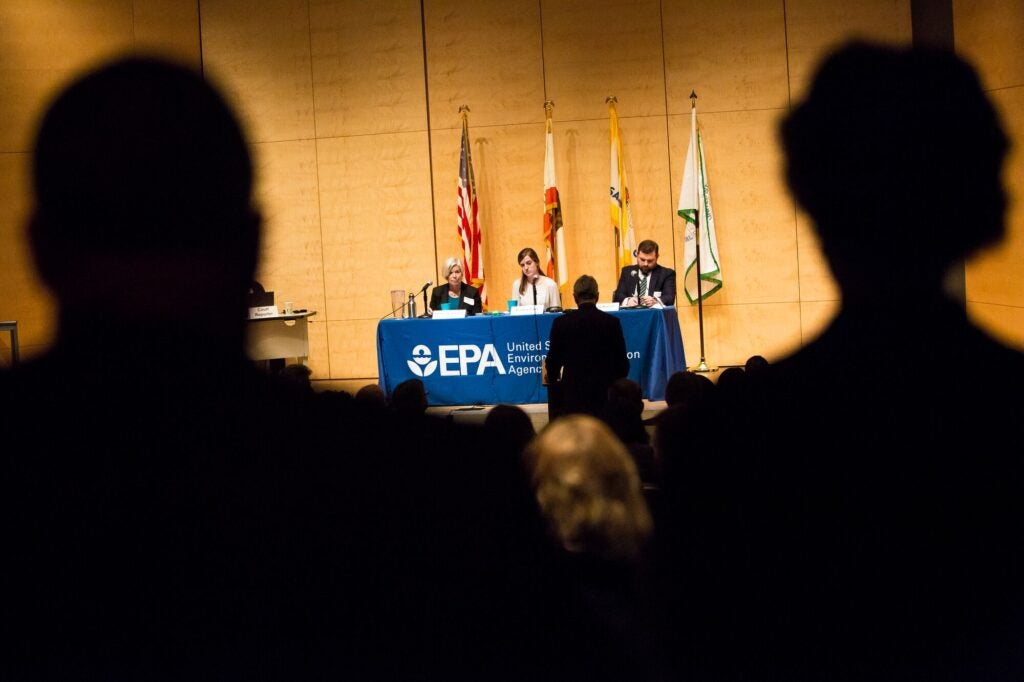
Today, at the first of seven EPA public hearings on coal ash, the agency had to work through lunch to accommodate the swell of people giving testimony—an estimated 200 people. The hearing was to discuss one of two options the EPA is considering on coal ash. One option would regulate coal ash as a toxic substance, while the other—supported by power companies and other polluters—would do nothing to monitor and regulate the threats from coal ash.

1 Comment   /   Read more >>
View Jared Saylor's blog posts
26 August 2010, 1:19 PM
Now nearly 140 coal ash sites have proven water pollution problems

Knowledge is king, and now we know more about the extent of damage coal ash sites across the country are causing to our drinking water. A new report issued today by Earthjustice, the Environmental Integrity Project and  Sierra Club offers data that documents water contaminated with arsenic and other heavy metals at 39 coal ash dumps in 21 states. The report released today builds on a similar report released in February by Earthjustice and EIP that found an additional 31 coal ash dump sites. Combined with the 67 sites the EPA already knows have contaminated water supplies, the total number of documented coal ash dumps that have contaminated water supplies climbs to 137 sites in 34 states.

The timing couldn't be better. Next Monday kicks off the first of seven public hearings the EPA is holding through September across the country on its proposal to regulate coal ash. The report released today sends a clear message: coal ash sites contaminate water supplies with arsenic and other dangerous heavy metals and we need federally enforceable safeguards to protect against this toxic threat.

The report authors dug through gigabytes of water quality monitoring data from state agencies across the country to pull together today's findings. The findings are unnerving:

5 Comments   /   Read more >>
View Jared Saylor's blog posts
06 August 2010, 12:51 PM
Industry lobby group pushes their members to pressure EPA
Photo: jerrygreerphotography.com.

In just over three weeks, the EPA will hold the first of five public hearings on its plan to finally regulate coal ash, the nasty, hazardous remains leftover from coal-fired power plants. On August 30, right here in Washington DC, the EPA will hear from hundreds of victims, advocates, community members, environmentalists, activists and everyday citizens about the need to clean up these dangerous dumps and waste ponds filled with decades of contaminated coal ash.

The EPA will also hear from lobby groups like the American Coal Ash Association. Just recently, the ACAA sent out an email to its supporters (which include Duke Energy, American Electric Power, and dozens of other utilities and industry groups) to attend the public hearings in Washington DC, Denver, CO (Sept. 2), Dallas, TX (Sept. 8); Charlotte, NC (Sept. 14) and Chicago, IL (Sept. 16). This confirms what we expected: that industry is going to be out in full force at these public hearings making false claims about the EPA's approach to regulate coal ash waste dumps and landfills. The EPA has offered two options: one that sets strong, federally enforeable safeguards for coal ash, and another that does nothing to mitigate the threat to our drinking water and health. Guess which one the industry supports?

1 Comment   /   Read more >>
View Jared Saylor's blog posts
15 July 2010, 7:47 AM
Request for coal ash hearings goes ignored

For once in this coal ash fight, the U.S. Environmental Protection Agency is doing something early. Unfortunately, what they're doing isn't good.

On June 21, the EPA published their two-option proposal for regulating coal ash. One option sets strong, federally enforceable safeguards for coal ash and will do much to protect public health. The other option keeps the status quo of ineffective state regulations that put the public and our environment at dangerous risk. When the EPA published these options, it said, "EPA will provide an opportunity for a public hearing on the rule upon request. Requests for a public meeting should be submitted to EPA's Office of Resource Conservation and Recovery by July 21, 2010." I added that emphasis on July 21, because that's important.

So today, July 15, six days before the deadline to request public hearings, the EPA published the location of its public hearings. We and hundreds of other groups requested public hearings in Washington, D.C., Chicago, Tennessee (the site of the biggest coal ash disaster in history), Pittsburgh (where nearby drinking water supplies are poisoned with coal ash), Texas (which is one of the biggest coal ash producers in the country) and Atlanta (a city with a strong commitment to environmental justice; many coal ash dumps and landfills are located in low income areas and communities of color).

2 Comments   /   Read more >>
View Jared Saylor's blog posts
21 June 2010, 9:06 AM
Agency offers two options for coal ash: one good, one very, very bad

The U.S. Environmental Protection Agency started the 90-day clock for public comments on its plans to set federal safeguards for millions of tons of dangerous coal ash wastee currently being stored in dry dumps and waste ponds. This means we've got three months to set the EPA on a straight course towards the first ever strong, federally enforceable safeguards for coal ash. And judging from the current proposal, it seems like the EPA can use our help.

The EPA has set two separate options for regulating coal ash. The first option classifies the nasty byproduct of coal-fired power plants as a "special waste," with strong, federally enforceable requirements for water monitoring and cleanup of the hundreds of dry dumps and wet waste ponds across the country. The second option, which is the favored approach by the polluters and companies responsible for the coal ash, offerws only guidelines that leave many communitites at risk of exposure to the toxic pollutants found in coal ash.

1 Comment   /   Read more >>
View Jared Saylor's blog posts
24 May 2010, 1:14 PM
Groups work to push power company shareholders on coal ash resolutions
Massive coal ash-spill in Tennessee

Power companies generate millions of tons of coal ash every year, enough to fill train cars that stretch from the North Pole all the way to the South Pole. EPA recently introduced a mish-mash plan for coal ash, one that was heavily influenced by lobbyists from coal and power companies who forced a plan that includes no preference from the EPA. Earthjustice and dozens of other groups have been pushing on the EPA to establish federally enforceable safeguards that truly protect public health and the environment.

And while we take on the EPA and the coal and power industry lobbyists, some other groups have been quietly and effectively working on the inside of these companies to push for recognition of the collosal problems of coal ash dumping and contamination.

Boston-based Green Century Capital Management proposed a resolution to be voted on this Wednesday at the annual meeting of Southern Company, one of the biggest power companies in the South. The resolution asks Southern to report on efforts and information about the company's coal ash dumps and waste ponds by August, which should run right during the EPA's public comment period on their proposed regulation.

3 Comments   /   Read more >>