Posts tagged: coal

unEARTHED. The Earthjustice Blog

coal


    SIGN-UP for our latest news and action alerts:
   Please leave this field empty

Facebook Fans

Featured Campaigns

Everyone has The Right To Breathe clean air. Watch a video featuring Earthjustice Attorney Jim Pew and two Pennsylvanians—Marti Blake and Martin Garrigan—who know firsthand what it means to live in the shadow of a coal plant's smokestack, breathing in daily lungfuls of toxic air for more than two decades.

Coal Ash Contaminates Our Lives. Coal ash is the hazardous waste that remains after coal is burned. Dumped into unlined ponds or mines, the toxins readily leach into drinking water supplies. Watch the video above and take action to support federally enforceable safeguards for coal ash disposal.

ABOUT EARTHJUSTICE'S BLOG

unEARTHED is a forum for the voices and stories of the people behind Earthjustice's work. The views and opinions expressed in this blog do not necessarily represent the opinion or position of Earthjustice or its board, clients, or funders.

Learn more about Earthjustice.

View Raviya Ismail's blog posts
07 September 2011, 12:50 PM
Labadie, Missouri residents challenge new coal ash pond
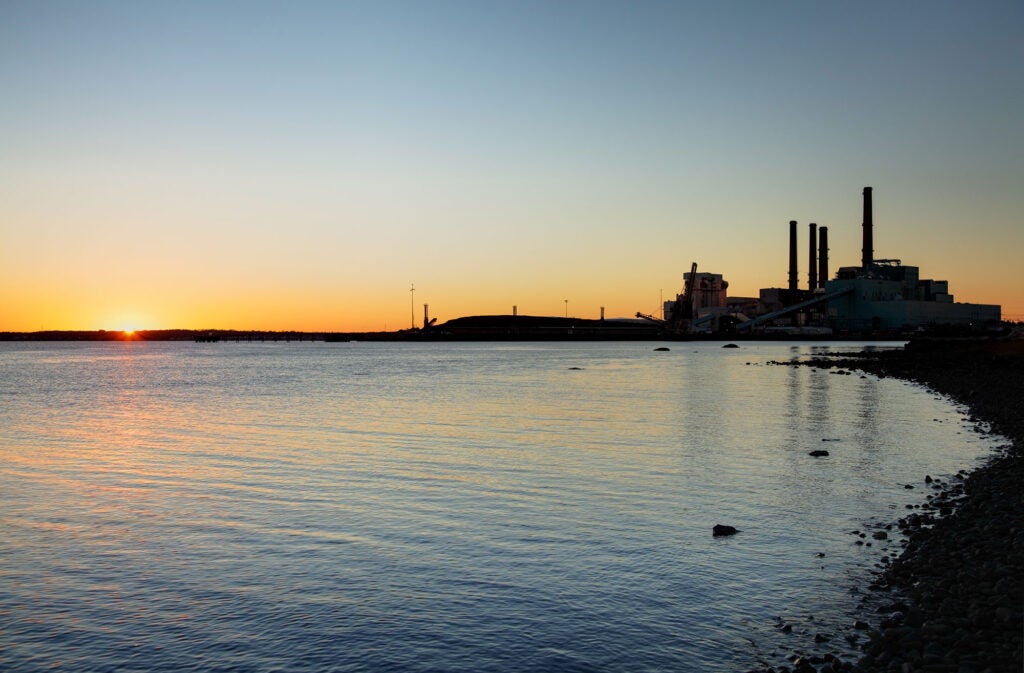
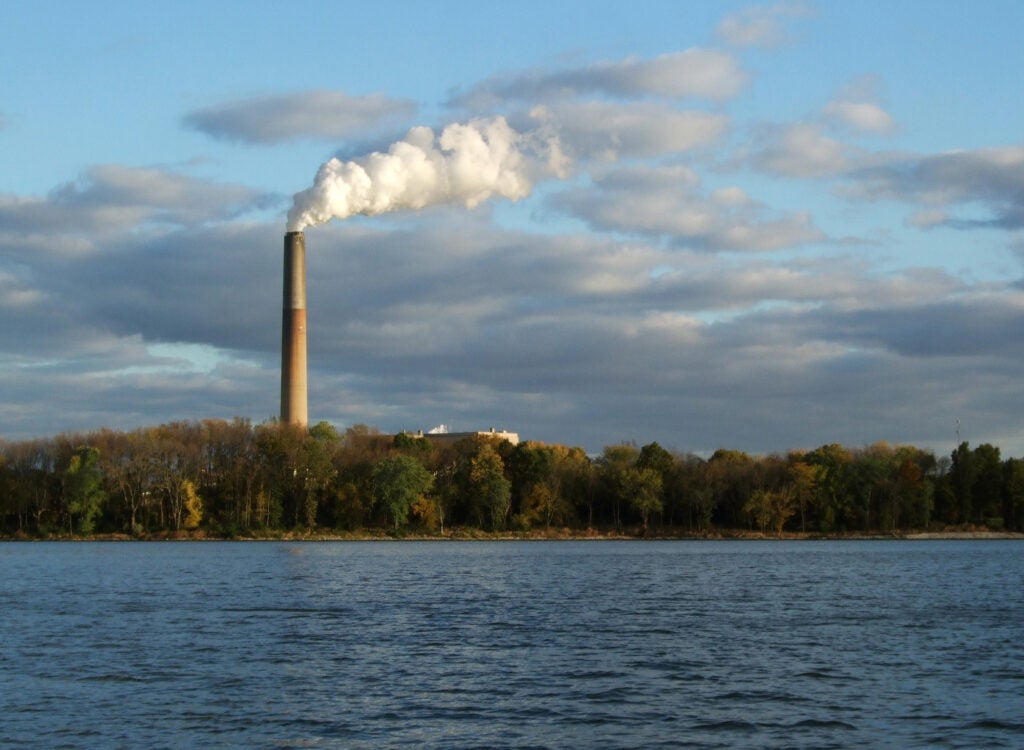
Labadie, MO, coal-fired power plant

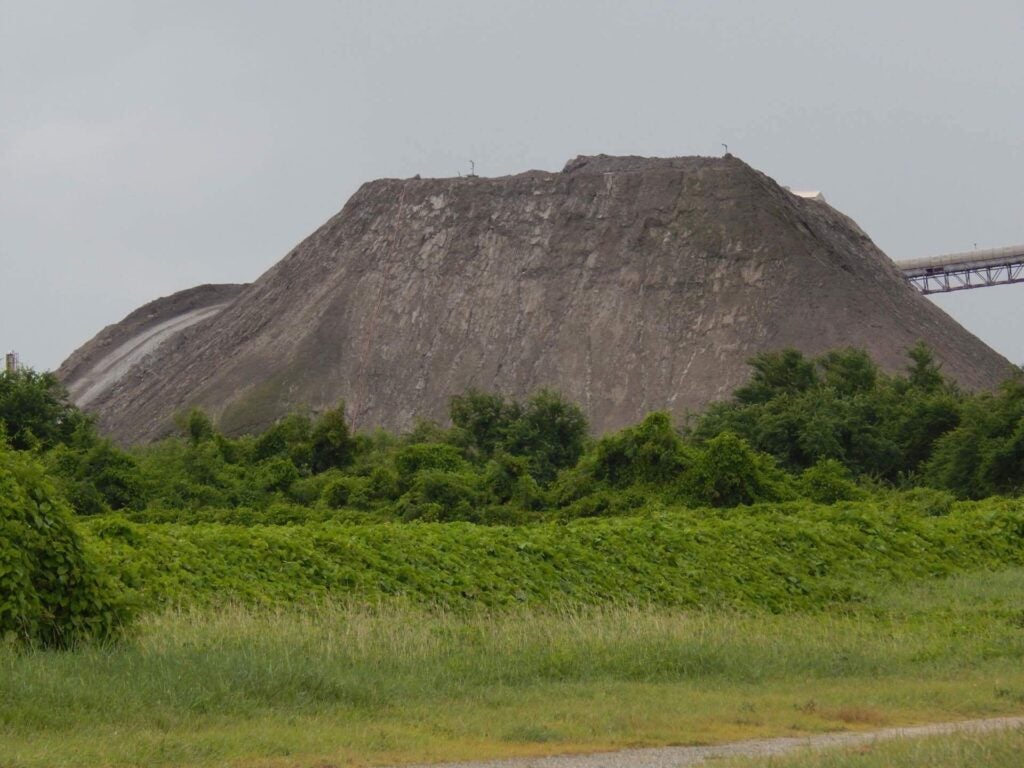
Last month, Missouri had the dubious distinction of being one of the 12 worst states when it comes to coal ash regulations. In a front-page article that has generated a lot of buzz, residents of Labadie, Missouri have justifiably come together to oppose a new 400-acre coal ash landfill at a site where an existing pond has been leaking – for nearly two decades.

In line with our report, the Missouri Department of Natural Resources has not even monitored groundwater contamination at the site, which is precisely the issue with residents – they are fearful that the lead, mercury, arsenic and selenium found in coal ash has made its way into their drinking water. But of course the Missouri DNR has no idea if it has, because it’s not required to keep tabs on whether coal ash has contaminated residents’ drinking water.

See why residents are so fearful of another coal ash pond?

4 Comments   /   Read more >>
View Raviya Ismail's blog posts
31 August 2011, 11:26 AM
Joliet residents protest outside congressman’s office
Residents protest outside Illinois Rep. Adam Kinzinger's office..

Illinois has the dubious distinction of being a state with one of the worst coal ash regulatory programs in the nation. But what is more outrageous is that no less than 11 Illinois congressmen are pushing to block the U.S. EPA from cleaning up coal ash in the state. Rep. Adam Kinzinger (R-IL) is among them. That’s why when the Prairie Rivers Network and Environmental Integrity Project released a report detailing the risk of coal ash contamination in Illinois,  and in Rep. Kinzinger’s district in particular, more than three dozen Joliet, Illinois residents and members of Mt. Zion Baptist Church protested outside of Rep. Kinzinger’s office. 

Illinois not only was profiled in the EIP/Prairie Rivers Network report, it also was featured in an Earthjustice report that listed the top 12 states with the poorest state coal ash regulations. With 68 operating coal ash ponds and 15 retired ponds that still pose a danger, Illinois ranks first in the nation in the number of coal ash ponds. Only about a third of these ponds are lined.  The ponds threaten the health of Illinois communities because at least 10 power plants with active ponds have “high” to “very high” potential to contaminate a drinking water source, according to a 2010 Illinois EPA assessment.  In fact, the Illinois EPA has found pollution— the same chemicals commonly found in coal ash-- in groundwater at all 22 coal ash ponds evaluated by the state agency.

View Lisa Evans's blog posts
24 August 2011, 8:03 AM
Will it take an earthquake to get someone to inspect these coal ash dams?
Aftermath of coal-ash dam spill in Tennessee

The earthquake that yesterday rattled foundations along the eastern seaboard, shut down a nuclear power plant and cracked the Washington Monument also shook a great many dangerous coal ash dams, similar to the one that failed in Harriman, Tennessee almost three years ago.

Several large ash ponds are located near the epicenter of the quake, about 40 miles northwest of Richmond, including three significant-hazard earthen dams at Dominion’s Bremo Bluff and Chesterfield power stations. By definition, these dams will cause serious economic and/or environmental damage in the event of a break. The decades-old dams impound thousands of acre-feet of toxic waste from the two coal-fired plants. However, no one appears to be paying much attention.

But they should be.

View Trip Van Noppen's blog posts
16 August 2011, 12:05 PM
New poll finds voters of all stripes disapprove of the destructive mining practice

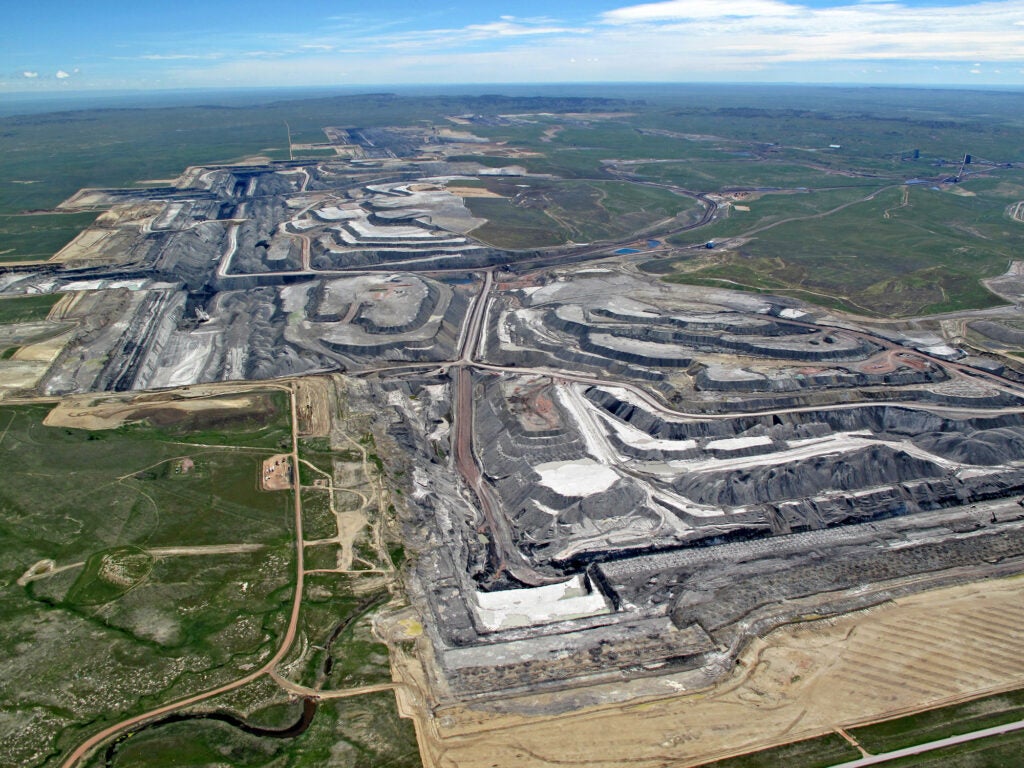
A major new poll released today reveals some shocking truths about public opinions on mountaintop removal mining in Appalachia.

The polling, conducted by the Democratic Lake Research Partners and Republican Bellwether Research & Consulting and funded by Earthjustice, Appalachian Mountain Advocates (formerly the Appalachian Center for the Economy and the Environment), and the Sierra Club was done between July 25 and 28 and sampled the opinions of 1,315 registered voters in Kentucky, West Virginia, Virginia and Tennessee on the practice of mountaintop removal coal mining and clean water protections.

The poll reveals beyond the shadow of a doubt that the people of America’s coal country—West Virginia, Kentucky, Tennessee, and Virginia—don’t like mountaintop removal mining and they don’t want it to continue at the expense of their homes, health, communities, families, and future.

The strong majority of Appalachians opposes mountaintop removal mining—57 percent, compared to 20 percent who support the practice—and this opposition soars no matter the political party. Independents, Democrats, Republicans and Tea Partiers alike have shown intense disapproval of this destructive form of mining. The will of Appalachians is transcendent: people from all education levels, political orientations, and all four states oppose mountaintop removal by strong margins.

12 Comments   /   Read more >>
View Trip Van Noppen's blog posts
22 July 2011, 4:05 PM
Hijacking our democracy to attack our environment
Part of The Procession of the Trojan Horse in Troy (1773) by Domenico Tiepolo.

If you've ever suspected that Congress thinks of corporate polluters first and the polluted public last, the debacle unfolding in Washington, D.C. this week should leave you with little doubt—and a bitter taste. Many of our elected leaders have hijacked the process by which we fund government agencies to sack the environment like Odysseus did Troy.

The Trojan Horse that is the federal appropriations bill is filled with an unprecedented number of anti-environmental "riders"—provisions added to a piece of legislation that have little to no connection with the subject of the bill itself. And just as the Greeks sought to extinguish the fires of life in Troy, these riders are meant to run down the bedrock environmental protections that were created to keep our environment clean and our imperiled wildlife safe from extinction.

One egregious effort—dubbed the Extinction Rider—would paralyze the nation's ability to protect hundreds of species and turn the decision-making about endangered wildlife into a one-way street where protections can only be weakened, never strengthened.

This is an absolutely inappropriate way to set new policy. It demeans the democratic process and indicates that such extreme measures can't stand on their own—instead, they have to be slipped as stowaways into a must-pass bill.

4 Comments   /   Read more >>
View Jessica Knoblauch's blog posts
15 July 2011, 10:56 AM
Conservative face off, hot climate deniers, big coal’s big misstep
The hunting and fishing crowd is increasingly unhappy with GOP efforts to slash conservation spending. Photo courtesy of eadmund42

Republicans cutting enviro bills shoot themselves in the foot
Republican measures to cut environmental programs that keep the nation’s air and water clean may prove foolish if they continue to ruffle the feathers of outdoorsmen, reports Politico. The angler and hunter crowd may typically swing conservative, but that could change if House Republicans continue their attempts to pull the trigger on a number of programs that keep wildlife intact, such as the North American Wetlands Conservation Act or State Wildlife Grants. Last week, leaders from a handful of conservation organizations like Ducks Unlimited met with top officials to make their case for restoring funding for environmental programs, arguing that the benefits of wildlife conservation go far beyond the duck pond, like cleaning up waterways and providing flood control for coastal communities. Though hunting and fishing types tend to be fiscally conservative, when it comes to slashing conservation programs that diminish the favorite pastimes of a large voting bloc, Republicans better think twice before going in for the kill.
 

View Ben Barron's blog posts
13 July 2011, 12:23 PM
Fracking invades rainforest havens of birds and natives who mimic them

Anyone who has seen the “Planet Earth” episode on jungles has witnessed the colorful plumes and remarkable displays of the Birds of Paradise.

But when you’re hiking (read: struggling) through the dense growth of Papua New Guinea’s rainforest, one of the world’s largest at over 100,000 square miles and home to 38 of the 43 Bird of Paradise species, it’s pretty difficult to catch a glimpse these magnificent birds.

You can’t help but hear them, though. Jungle life has a soundtrack, and the BOPs are the lead singers.

However, a new voice is about to join the New Guinea chorus, threatening to drown out the unique birds.

2 Comments   /   Read more >>
View Liz Judge's blog posts
12 July 2011, 3:52 PM
Study links birth defects to MTR, but coal industry lawyers blame inbreeding

A major new scientific study shows significantly higher rates of birth defects in areas of heavy mountaintop removal mining, even after controlling for a range of other contributing factors. The study found that living near a mountaintop removal site poses a much greater risk to unborn babies than smoking during pregnancy. More than double the risk!

Says the study: "For babies born specifically with defects of the circulatory or respiratory system, smoking increased risk by 17 percent, and living in a mountaintop mining area increased risk by 181 percent. Living in a mountaintop mining area was a bigger risk for birth defects than smoking."

At this point, there have been numerous scientific studies on the environmental destruction caused by mountaintop removal mining. Mountains are torn down and destroyed, biodiverse forests are cut down and cleared out, streams are obliterated, waters across Appalachia are contaminated, and drinking water supplies are poisoned. But even more upsetting than the barren moonscapes is the fact that the people are being poisoned.

View Jessica Knoblauch's blog posts
08 July 2011, 10:08 AM
Killer candles, revenge of the nerds, France fracking halt
Michelle Bachman has some crazy ideas about the environment. Photo courtesy of Markn3tel.

Michelle Bachman drills down to solve the energy crisis
As the Republican contenders for the 2012 election begin to emerge, a old theme among the crew is arising deep from within the ashes of the failed McCain-Palin 2008 presidential run: Drill, baby, drill. The most recent aspiring president, Michelle Bachman, recently said that energy can be the “most easy problem for America to solve” by, you guessed it, digging for more fossil fuels, reports Grist. Unfortunately, the Republican rhetoric, as nice and easy as it may sound, relies heavily on ignoring all of the environmental and health problems that come with the practices involved in this age of extreme energy, such blowing up mountains and shoving millions of gallons of chemically treated water into rock formations.

Unfortunately for those of us stuck in the real world, this overly simplistic solution to the current energy crisis is just par for the course in Bachman’s world. According to recent news reports, Bachman has been busy spreading lies like the idea that high-speed rail from Disneyland to Las Vegas is just a ploy to get little kids hooked on gambling and that EPA is a murderous villain that’s attacking “helpless” corporations. Those kinds of allegations are akin to environmentalists calling Bachman a deranged serial killer—a serious allegation that has bite but is nonetheless inaccurate. Good thing she already beat everyone to the punch by accidently comparing herself to John Wayne Gacy

Scented candles may burn users with dangerous toxins
Filling a room with an array of scented candles may no longer be a harmless option for Romeos looking to make their Juliets swoon, reports the UK’s Daily Mail. A recent study found that burning scented candles in a poorly ventilated room may release air pollution toxic enough to raise the risk of asthma, eczema and skin complaints. Though stuffing candle wax with synthetic fragrances is harmful enough, the wicks themselves are also a concern. When burned, they release soot particles that can travel deep into the lungs and aggravate respiratory illness. To avoid getting burned, experts suggest using beeswax or soy-based candles with thin, braided wicks. Or, skip the candles and buy her fair trade, locally grown, organic, vegan chocolates. Everybody wins! 

View Liz Judge's blog posts
06 July 2011, 9:03 AM
House comes out swinging in its newly revealed 2012 spending bill

The 112th Session of the House of Representatives is at it again, doing what they do best: writing legislation to strike and block the clean air and clean water laws that keep us alive and healthy.

This morning, the House majority released its spending bill for the year 2012, and not to disappoint those who wish to live in a world with big corporations enjoying full freedom to foul our air and water without restriction, penalty or accountability, the bill manages to take direct aim at a handful of landmark environmental safeguards and a slew of major public health protections.

Legislating through appropriations is a back-door, manipulative move in its own right. It essentially means that instead of having to muster the votes required to pass new laws or take our current environmental and health safeguards off the books, House leadership is using a spending bill to simply stop and block all funding for these protections. The laws still stand as they are, they just can't be enforced. The way this House sees it, if the agencies can't get the money to enforce our current laws, there's no need to worry about what the laws actually mandate.

1 Comment   /   Read more >>