Posts tagged: coal

unEARTHED. The Earthjustice Blog

coal


    SIGN-UP for our latest news and action alerts:
   Please leave this field empty

Facebook Fans

Featured Campaigns

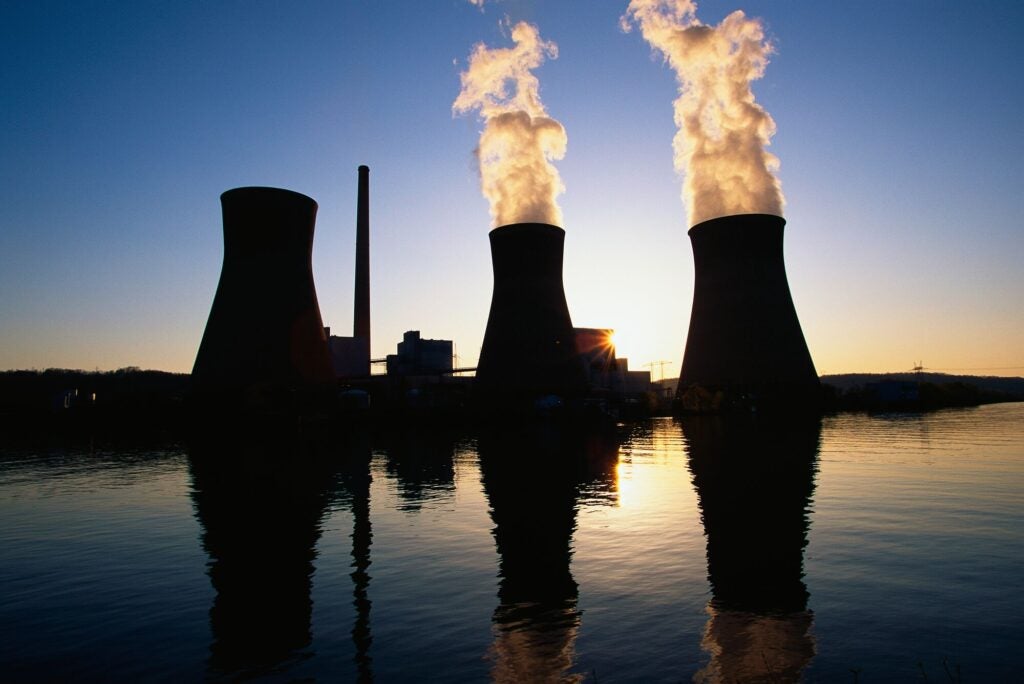
Everyone has The Right To Breathe clean air. Watch a video featuring Earthjustice Attorney Jim Pew and two Pennsylvanians—Marti Blake and Martin Garrigan—who know firsthand what it means to live in the shadow of a coal plant's smokestack, breathing in daily lungfuls of toxic air for more than two decades.

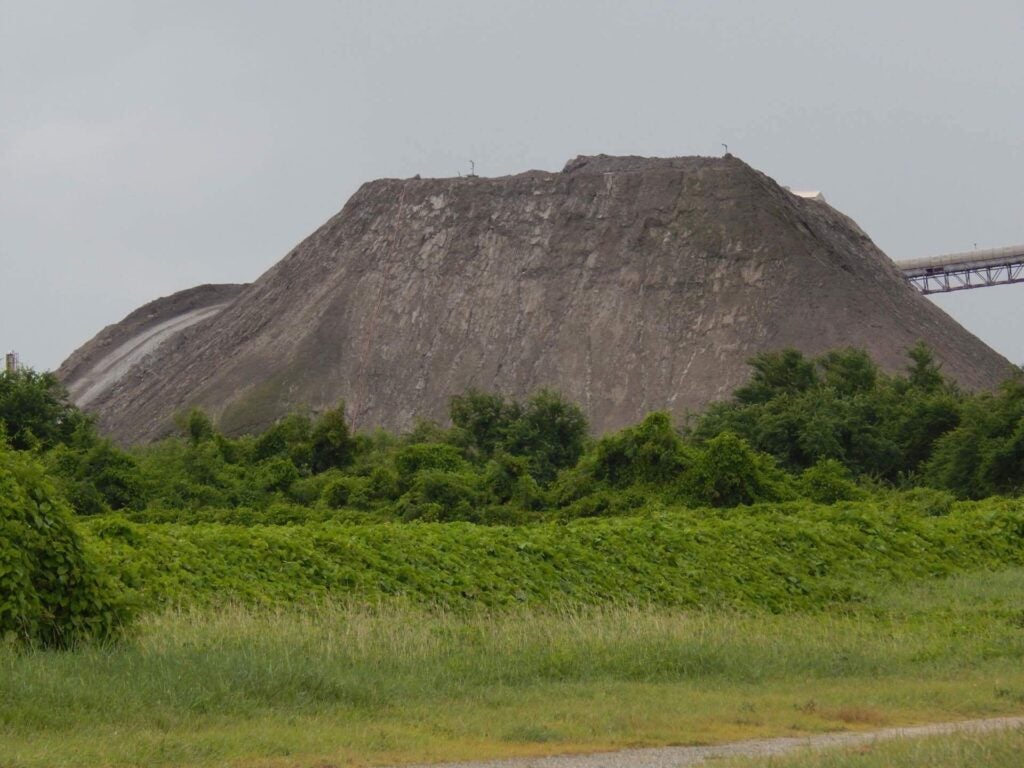
Coal Ash Contaminates Our Lives. Coal ash is the hazardous waste that remains after coal is burned. Dumped into unlined ponds or mines, the toxins readily leach into drinking water supplies. Watch the video above and take action to support federally enforceable safeguards for coal ash disposal.

ABOUT EARTHJUSTICE'S BLOG

unEARTHED is a forum for the voices and stories of the people behind Earthjustice's work. The views and opinions expressed in this blog do not necessarily represent the opinion or position of Earthjustice or its board, clients, or funders.

Learn more about Earthjustice.

View Trip Van Noppen's blog posts
27 April 2009, 2:19 PM
 

John Kerry and Barbara Boxer are two of the greenest members of the Senate. Jim Inhofe is the Senate's chief global warming denier. But last week—on Earth Day, no less—they came together to introduce a bill requiring the EPA to look at ways to control a dangerous pollutant that kills millions worldwide and accelerates global warming, particularly in the Arctic.

No, not carbon dioxide, which remains the main driver of worldwide climate change, but black carbon, airborne microscopic particles of soot. In the United States and Europe, black carbon comes from diesel engines and industrial smokestacks. In the developing world, the main source is primitive cooking and heating fires.

View Ted Zukoski's blog posts
22 April 2009, 5:00 AM
 

One of the many dirty little secrets about oil shale is that it will take huge amounts of energy to turn rock into a product we can put in our cars and trucks.  That's because the currently proposed technology for producing oil shale involves using what amounts to glorified curling irons underground, heating them up to hundreds of degrees and melting the "kerogen" into something that can be sucked out of the ground and could be refined into a useable product.

To heat all those curling irons could require 10 or more new coal-fired power plants, making oil shale one of the dirtiest source of energy per unit in terms of greenhouse gases.  This production process would also be incredibly thirsty - producing one barrel of fuel from shale may require 3 or more barrels of water.

6 Comments   /   Read more >>
View Terry Winckler's blog posts
21 April 2009, 11:44 AM
 

It’s hard to know who’s happy and sad over the prospects of Kansas Gov. Kathleen Sebelius being plucked to become President Obama’s Secretary of Health and Human Services. Timing is the big issue.

A Senate committee voted in favor of her today. The full Senate is expected to also vote in her favor – but when?

In just a week, Sebelius’ veto of the Sunflower coal-fired power plants bill will be challenged in a special veto session of the state legislature. She’s won this battle three times, but what if she’s not there this time? What if she’s confirmed for HHS before then and Lt. Gov. Mark Parkinson becomes governor?

1 Comment   /   Read more >>
View Tom Turner's blog posts
21 April 2009, 10:51 AM
 

When the going gets tough, call the PR department, and ask it to come up with a spiffy new acronym. It's a recognized ploy with a long history.

Here we go again.

The bold, ambitious plans to push solar power plants, windmill farms, and other green facilities is causing a major backlash among industries used to having their way with government policy -- coal companies, oil companies, the usual suspects.

The latest effort is being led by the U.S. Chamber of Commerce with three million members nationwide (some of those members are almost certainly very uncomfortable with what's coming; maybe there will be a mutiny; one can only hope).

5 Comments   /   Read more >>
View Terry Winckler's blog posts
03 April 2009, 3:30 PM
... but is 10 votes short of being veto-proof

The Kansas state legislature today gave final passage to a bill authorizing massive expansion of the Sunflower coal-fired power plant -- but there is unexpected good news in the vote ... it's 10 votes short of being veto-proof in the House.

This means that the promised veto from Gov. Kathleen Sebelius is more likely than ever to survive. An earlier vote in the state House had a margin of only five votes. She is expected to veto the bill next week.

View Jared Saylor's blog posts
31 March 2009, 1:56 PM
 

In the final witness panel, Tom Kilgore, president and CEO of the Tennessee Valley Authority, said that they have posted information on their website.

But as mentioned earlier by Harriman resident Sarah McCoin, many of the residents simply don’t have ready access to the internet and to TVA’s website. Much like if a tree falls in the forest one wonders if it makes a sound, if there is information available on health impacts that doesn’t actually get to the residents who are most affected, does it really serve to protect?

View Jared Saylor's blog posts
31 March 2009, 1:23 PM
 

After a break…the hearing resumed with testimony from Renee Victoria Hoyos, executive director of the Tennessee Clean Water Network, and from Dr. Avner Vengosh, professor of earth and ocean sciences at Duke University.

During questions from members of the committee (specifically Rep. Johnson), regarding particulate matter pollution, Dr. Vengosh said: "Inhalation of ash would definitely increase the health risk. Given the climate condition, and we had a lot of rainfall in the south until now, there hasn't been formation of particulate matter as of yet...For the current situation there hasn't been formation of dust that could affect health. However this could be changing very soon."

While breathing the coal ash dust might not pose an immediate threat, as the weather warms up and the rainfall dries out, coal ash dust could be a very serious problem.

View Jared Saylor's blog posts
31 March 2009, 11:59 AM
 

Today's congressional hearing on the Tennessee Valley Authority coal ash spill from last December in Harriman, TN, started out with opening remarks from Representative Eddie Bernice Johnson (D-TX) who said that it’s been "nearly a decade" since this committee held oversight hearings on the Tennessee Valley Authority. She also said the committee maybe plans to continue TVA oversight now every 30 to 60 days.

Minority committee leader Rep. John Boozman from Arkansas said, "New laws will not replace homes…and family treasures," but bet they will certainly do much to make sure that others who live near these coal ash sites don't have to lose their homes or valuable family treasures and heirlooms in another preventable spill.

Rep. Lincoln Davis, whose district is where the TVA spill happened, offered strong words for the committee, saying, "My constituents and the land they live on must be made whole again."

The Republicans seem to be pushing their talking points aggressively: while this particular spill is bad, this doesn't mean coal is bad and there shouldn't be talk of stopping coal burning. It seems like they're not quite able to see the forest for the trees, and despite the nature of this hearing (to find out what went wrong and how it can be prevented) some members just can't resist a small shot at those groups fighting for a cleaner environment.

Sarah McCoin, a Harriman, TN, resident said: "Harriman is now a toxic wasteland, and we urge that guidelines and laws are in place to make sure that this never happens again... residents are scared if they are being exposed... we are a community that hunts fishes and swims in the rivers and we need to be ensured that it is safe to be in the river... Harriman is home to people who rely on the fish for their meals... too many residents are experiencing respiratory problems... we desperately need to have testing for our community to find out if our children are being poisoned…we have been neglected. There are people who have been satisfied but there are many are not."

Strong words from someone who is living in and near this tragedy. Committee is on a break now for a floor vote. More to come later.

View Jared Saylor's blog posts
31 March 2009, 9:31 AM
 

You can do a lot in 100 days. But apparently if you're the Tennessee Valley Authority and you spilled a billion gallons of coal ash into the Emory River and surrounding communities, cleaning up your mess isn't one of them.

You'll recall that just three days before Christmas in 2008, a coal ash dump broke, spilling out 1 billion gallons of toxic-laden coal ash over 300 acres, finding its way into nearby streams and creeks, damaging over a dozen homes and putting an entire community at risk.

Well, April 1 is the 100th day since that spill. And while much has been accomplished and the important issue of coal ash disposal reached the front pages of many newspapers, there's still much left to be done to control and regulate this toxic waste.

View Terry Winckler's blog posts
24 March 2009, 3:55 PM
 

UPDATE: There was a lot of confusion and misinterpretation about Tuesday's announcement by the Environmental Protection Agency that it was reviewing mountaintop removal mining permits to assess their potential impact on the waterways and people of Appalachia. Only two permits have been questioned. Dozens are under review. And the EPA is signalling that many of those may not be held up for environmental reasons.

This is nonetheless a first step towards what we have been petitioning -- and suing -- to have the federal government do. Just this month, nearly 25,000 Earthjustice supporters, along with many others across the nation, sent messages to the White House asking for a halt to this most-devastating method of coal mining.