Posts tagged: Environmental Protection Agency

unEARTHED. The Earthjustice Blog

Environmental Protection Agency


    SIGN-UP for our latest news and action alerts:
   Please leave this field empty

Facebook Fans

Featured Campaigns

Everyone has The Right To Breathe clean air. Watch a video featuring Earthjustice Attorney Jim Pew and two Pennsylvanians—Marti Blake and Martin Garrigan—who know firsthand what it means to live in the shadow of a coal plant's smokestack, breathing in daily lungfuls of toxic air for more than two decades.

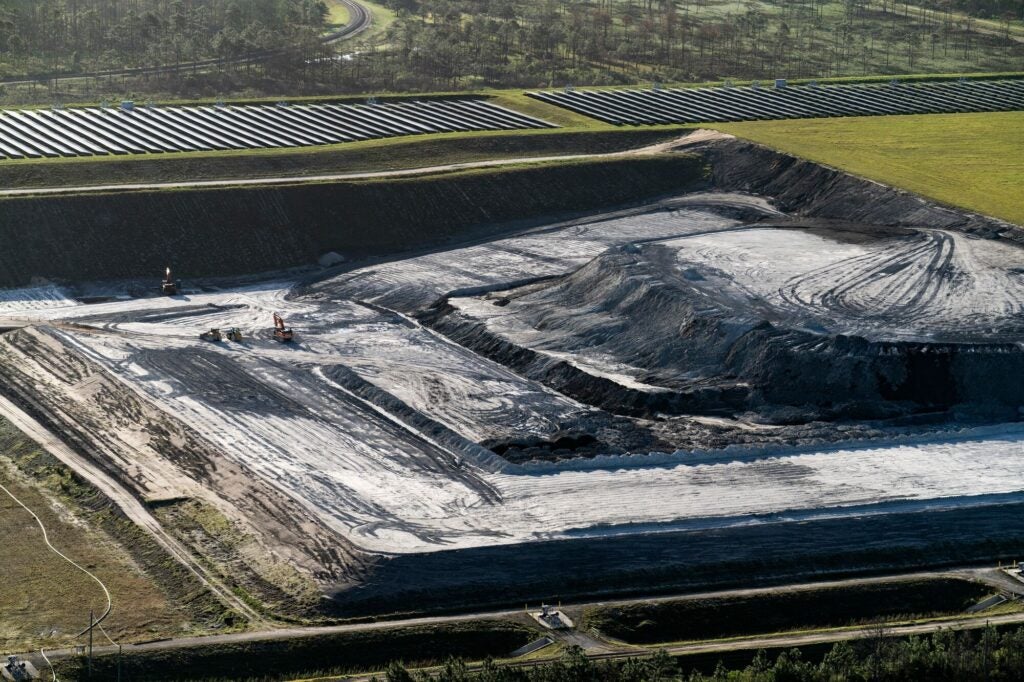
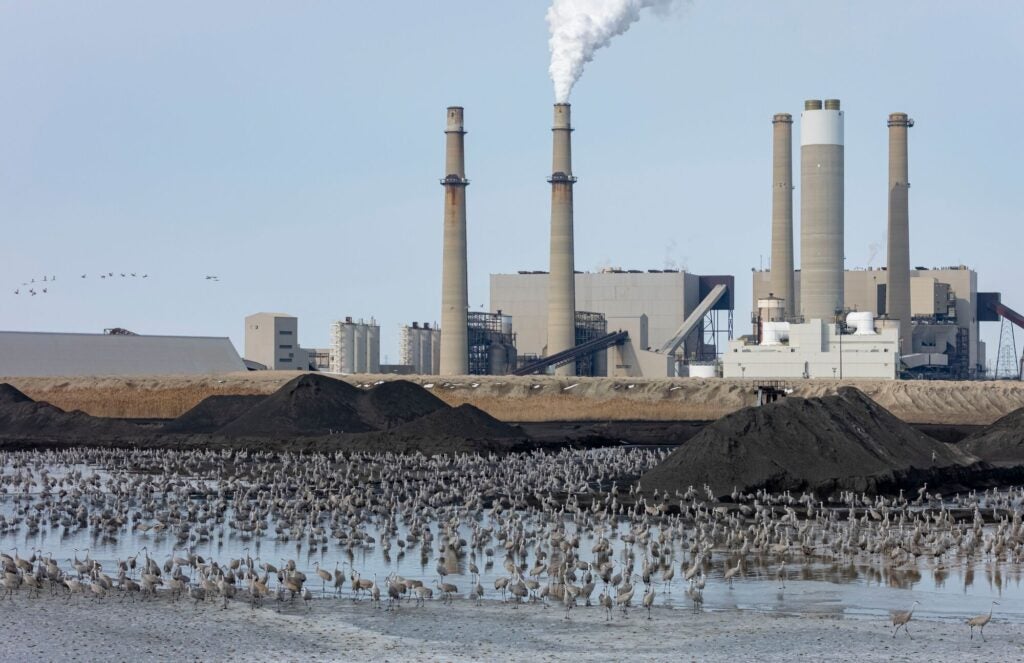
Coal Ash Contaminates Our Lives. Coal ash is the hazardous waste that remains after coal is burned. Dumped into unlined ponds or mines, the toxins readily leach into drinking water supplies. Watch the video above and take action to support federally enforceable safeguards for coal ash disposal.

ABOUT EARTHJUSTICE'S BLOG

unEARTHED is a forum for the voices and stories of the people behind Earthjustice's work. The views and opinions expressed in this blog do not necessarily represent the opinion or position of Earthjustice or its board, clients, or funders.

Learn more about Earthjustice.

View Trip Van Noppen's blog posts
17 May 2013, 9:35 AM
Ambassadors from every state arrive en masse to buttonhole congress reps
The grassroots campaign involved ambassadors from every state, plus D.C. and Puerto Rico.

A few days ago, a fierce army invaded Washington, D.C. to ask our representatives for something very simple: restore our right to breathe clean air.

This modest proposal came from more than 100 “clean air ambassadors” who know the cost of dirty air all too well. Take Hilton Kelley from Port Arthur, Texas, which is home to more than five large refineries, six chemical plants and an incinerator. In his community, one out of every five households has a child suffering from asthma and other contaminated-air-related illnesses. One day, after having moved away from his home town years ago, he looked in the mirror and asked himself, “If I’m not going to do anything about the conditions in Port Arthur, how can I expect anyone else to?”

7 Comments   /   Read more >>
View Jessica Knoblauch's blog posts
24 April 2013, 9:48 AM
Climate change may ruin your next seafood night
Photo courtesy of quinn.anya

Seafood lovers hooked on $1 oyster nights may soon have to find a new source of comfort for the work week blues.

Thanks to an increase of carbon in both the atmosphere and our water bodies (which absorb about a third of all carbon emissions), carbon munching critters like crabs, lobsters and shrimp are getting bigger and hungrier, say scientists at the University of North Carolina’s Aquarium Research Center. After analyzing blue crabs from the Chesapeake Bay in tanks pumped full of carbon, researchers found that the crabs grew nearly four times faster in high-carbon tanks versus low-carbon tanks.
 
Though bigger crabs sound like a delicious side effect of climate change, they’re not all that they’re cracked up to be, since crabs tend to put all their energy into building larger shells, not meatier flesh. Even worse, super-sized crabs with equally super-sized appetites could also affect the rest of the typical seafood platter, since bigger crabs will no doubt be eating bigger helpings of other seagoing creatures, like oysters.
 
Unfortunately, voracious crabs aren’t the only thing that oysters have to worry about. Because oceans are one of the world’s greatest carbon sinks, taking in 22 million tons of carbon dioxide every day, ocean chemistry is changing rapidly. This is putting a strain on shelled creatures like oysters, shellfish and corals that don't like acid baths because they depend on a pH-balanced lifestyle to build their calcium carbonate shells.
 

View Liz Judge's blog posts
24 April 2013, 9:48 AM
Unanimous panel of judges rule for EPA in coal industry lawsuit

Great news!

Yesterday, citizens in Appalachia celebrated a huge victory in their fight to protect their families and communities from harmful mountaintop removal mining. In a sharp 15-page ruling, a panel of three Republican-appointed judges in the U.S. Court of Appeals for the D.C. Circuit unanimously upheld the Environment Protection Agency’s veto of the permit for the Spruce No. 1 mine, the largest proposed mountaintop removal mine in West Virginia. Earthjustice, along with Appalachian Mountain Advocates, represented a handful of community and citizen groups in this case.

This court decision comes after 15 years of court challenges by community groups whose members were in fallout zone of the proposed mine. It’s a precedent-setting decision and historic: The Spruce Mine permit is the first mountaintop removal mining permit ever challenged in courts.

1 Comment   /   Read more >>
View Jared Saylor's blog posts
23 April 2013, 7:56 AM
One option protects waters from toxic pollution; other options fall far short
Power plant water discharges are filled with toxic pollution.  (EPA)

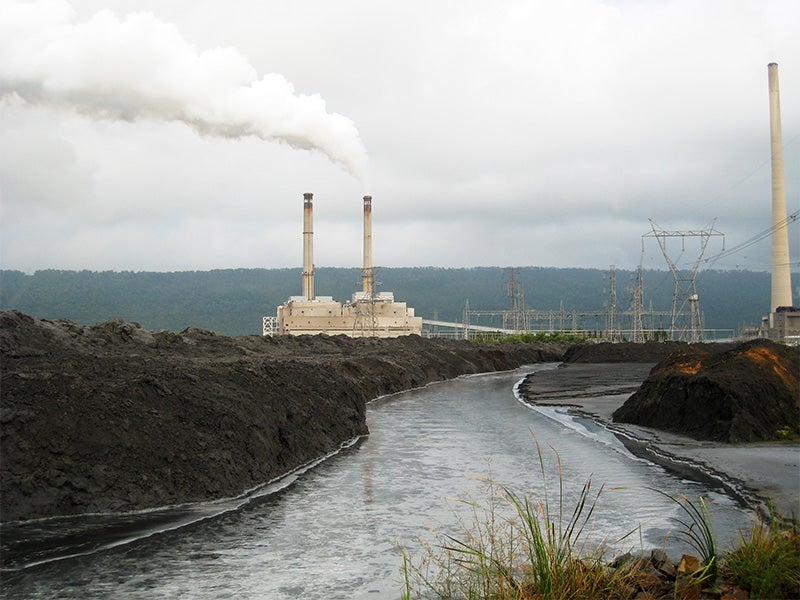
Coal-fired power plant pollution is contaminating our water, not just our air. Here’s how: when plants install scrubbers and other emission control devices onto smokestacks to capture air pollution, the chemical waste they pull from the air is then discharged into our waterways.

Not good.

This discharge contains mercury, arsenic, selenium and other toxic chemicals that can cause neurological and developmental damage, harm unborn fetuses in utero, damage internal organs, and cause cancer. Coal plants are the number one toxic discharger into our country’s waterways, yet the Environmental Protection Agrency has not reviewed clean water regulations for this industry in more than 30 years.

Until now.

View Raviya Ismail's blog posts
10 April 2013, 12:13 PM
Senator's eighth attempt to replace outdated TSCA law
Sen. Lautenberg: "It’s time to break away from the chemical industry lobbyists and listen to concerned parents, pediatricians, and nurses who are demanding change."

Americans need a law that will keep them safe from toxic chemicals—before they are allowed to enter the market.

And that’s why we should be thanking Sen. Frank Lautenberg (D-NJ).

Today, Sen. Lautenberg and Sen. Kirsten Gillibrand (D-NY), joined by 27 other senators, introduced the “Safe Chemicals Act of 2013,” a landmark bill that seeks to protect families in America from exposure to harmful chemicals.

Sen. Lautenberg has been dogged in his determination to overhaul the Toxic Substances Control Act (TSCA) of 1976, an outdated chemical policy. He has sponsored this legislation numerous times during his Congressional career. His proposal would strengthen the authority of the EPA to learn more about the safety of chemicals and limit their use if they pose a threat to public health and the environment.

View Trip Van Noppen's blog posts
09 April 2013, 8:58 AM
Gina McCarthy is a sound choice for the job
McCarthy will be a vital player in the effort to protect our families and environment.  (EPA)

This week a Senate committee will hold a nomination hearing for Gina McCarthy to replace Environmental Protection Agency Administrator Lisa Jackson.

Gina McCarthy, the EPA assistant administrator for air and radiation, is a sound choice for the job. Given her background and experience, the Senate should move expeditiously to confirm her.

For more than 25 years Gina McCarthy worked with politicians from both parties, including a stint as Gov. Romney’s energy and climate advisor in Massachusetts. In 2009 Republican and Democratic senators easily confirmed McCarthy by a voice vote to head the clean air division of EPA.

Gina McCarthy is a dedicated environmental professional with a history of working on difficult issues including climate change. We share her vision of an energy-efficient economy which creates sustainable jobs.

View Liz Judge's blog posts
03 April 2013, 12:03 PM
Highlights from the EPA’s chief of water policy

Last week, the Environmental Protection Agency revealed that 55 percent of U.S. streams and rivers are in “poor” condition, according to its most recent national rivers and streams assessment. Following the release of that grim report, the EPA held a live Twitter chat to answer questions about our clean water protections and the state of our waters in the United States.

This was a rare opportunity for the public to directly ask the EPA’s head of water policy, Nancy Stoner, about the agency’s plans to address our nation’s water quality problems. We got a chance to ask some questions, too.

The first question of the chat was ours. We wanted to know how the EPA plans to fix the situation we find our nation in today: The fact is that 27% of the nation’s rivers and streams have excessive levels of nitrogen and 40% have high levels of phosphorus. These nutrient pollutants, which come from factory farms and industrial agriculture, cause toxic green slime outbreaks that are harmful to public health.

View Andrea Delgado's blog posts
29 March 2013, 2:26 PM
Injustices plague farmworkers while administration turns a blind eye
Cesar E. Chavez warned about the perils of pesticides. (Joel Levine)

The agriculture industry relies heavily on the use of pesticides, which are highly toxic chemicals that farmworkers and surrounding communities are frequently exposed to through simply doing their jobs or living near agricultural sites. Pesticides enter the body through inhalation and penetration of the skin. The latest statistics indicate that in 2007, 1.1 billion pounds of pesticides were used in the United States, and 80 percent were destined for agriculture. Among these, 33 million pounds were organophosphates, a particularly pernicious class of pesticides that are the most frequent culprits of acute poisonings of farmworkers.

Our nation’s farmworkers live and work at ground zero for pesticide exposure.  In a 1989 speech before Pacific Lutheran University, Cesar E. Chavez, a beloved labor and civil rights leader and an indefatigable voice for farmworkers, warned about the perils of pesticides and called on the nation to recognize the challenges that plague farmworkers, such as fighting for higher wages and improved working conditions. We’d be ignoring a greater evil if we failed to protect them from “systematic poisoning through the reckless use of agricultural toxics.”  In raising the urgency to protect farmworkers, their families and surrounding rural communities from pesticides, he shared stories of workers collapsing and dying after entering recently sprayed fields, children with birth defects and neurological problems and cancer. Meanwhile, workers were repeatedly told that the pesticides they were frequently exposed to were merely plant “medicine” they need not fear.  

1 Comment   /   Read more >>
View Andrea Delgado's blog posts
19 March 2013, 12:34 PM
Budget resolution tees up fight against harmful amendments
The devastating Kingston Fossil Plant coal ash spill in 2008. (TVA)

Arsenic-infused drinking water, the risk of cancer, and the fear of being washed away by a flood of toxic sludge are a burden of concern for Americans living near more than 1,300 toxic coal ash dump sites.They have expressed their concerns through numerous letters to Congress, petitions, and more than 450,000 public comments to the Environmental Protection Agency. They urge federal action to stop disposal practices that trap communities in clouds of toxic ash, contaminate drinking water, and lead to massive dam collapses.

Yet, protection from toxic heavy metals and standards that will prevent another dam failure are not solutions the EPA has provided. Meanwhile, as the administration plays a waiting game with potential disaster, citizens across the U.S. live in harm’s way.

View Trip Van Noppen's blog posts
15 March 2013, 3:45 PM
Politics have kept key federal court judgeships vacant
Four of the D.C. Circuit Court's 11 seats have been left vacant due to congressional obstruction. (DOJ)

Over the past four years, the federal halls of justice have been left partially hollow as the number of judicial vacancies in the federal courts continues to mount—due to foot-dragging on nominations and partisan filibuster once nominations are made. These vacancies hobble the courts’ ability to do their core work, which includes determining the fate of our most important environmental protections.

Take, for example, President Obama’s nomination of Caitlin Halligan for a seat on the United States Court of Appeals for the D.C. Circuit. In 2010, the president nominated Halligan, praising her “excellence and unwavering integrity,” yet two years later the Senate has twice refused to confirm her to this environmentally critical court. Halligan, a distinguished litigator who has argued five cases in front of the U.S. Supreme Court, is well-qualified for a seat on the D.C. Circuit. Yet despite bipartisan support and several high profile endorsements from law enforcement organizations and leaders, last week Halligan was forced to suffer through a second politically motivated filibuster that Senate GOP’s justified by willfully misrepresenting her record.

43 Comments   /   Read more >>