Posts tagged: fracking

unEARTHED. The Earthjustice Blog

fracking


    SIGN-UP for our latest news and action alerts:
   Please leave this field empty

Facebook Fans

Featured Campaigns

Everyone has The Right To Breathe clean air. Watch a video featuring Earthjustice Attorney Jim Pew and two Pennsylvanians—Marti Blake and Martin Garrigan—who know firsthand what it means to live in the shadow of a coal plant's smokestack, breathing in daily lungfuls of toxic air for more than two decades.

Coal Ash Contaminates Our Lives. Coal ash is the hazardous waste that remains after coal is burned. Dumped into unlined ponds or mines, the toxins readily leach into drinking water supplies. Watch the video above and take action to support federally enforceable safeguards for coal ash disposal.

ABOUT EARTHJUSTICE'S BLOG

unEARTHED is a forum for the voices and stories of the people behind Earthjustice's work. The views and opinions expressed in this blog do not necessarily represent the opinion or position of Earthjustice or its board, clients, or funders.

Learn more about Earthjustice.

View Kathleen Sutcliffe's blog posts
12 April 2011, 4:23 PM
Fracking-fueled gas rush is cause for concern
Waste pond at fracking site. Photo courtesy citizenscampaign.org

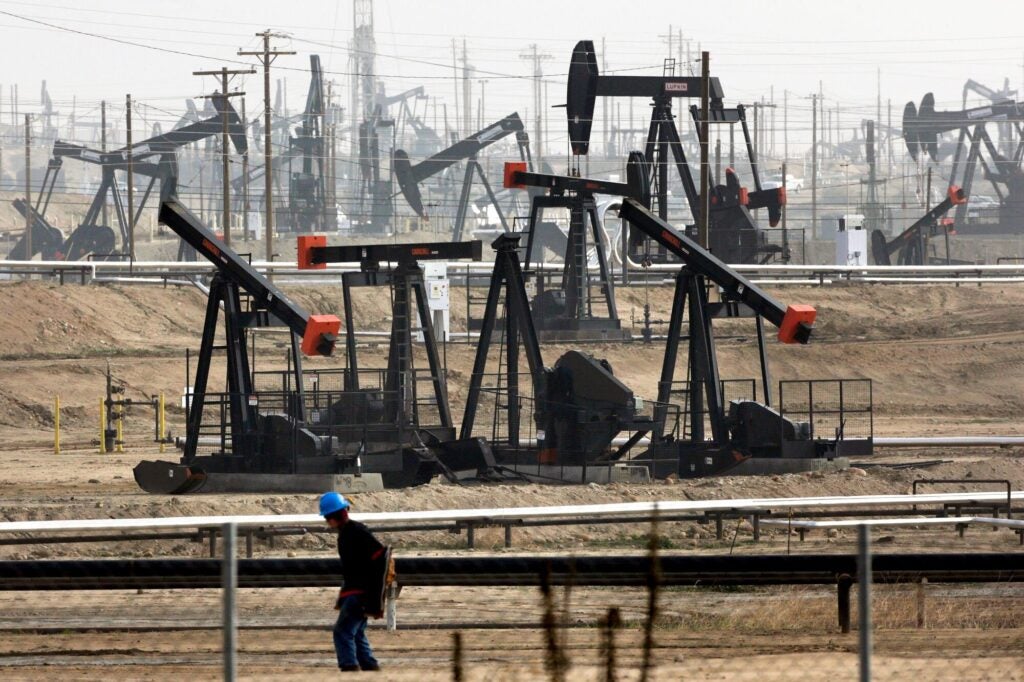
In a hearing, today, lawmakers on Capitol Hill probed the health and environmental impacts of a gas drilling boom fueled by the controversial gas extraction technique known as hydraulic fracturing or fracking. Using this technique, companies blast millions of gallons of chemically treated water into the earth to force natural gas from underground deposits.

In recent years, oil and gas companies have begun clamoring for access to regions of the country that are unprepared for this scale of industrial gas drilling. Along with this fracking-fueled gas rush have come troubling reports of poisoned drinking water, polluted air, mysterious animal deaths, industrial disasters and explosions.
 
Hydraulic fracturing is currently exempted from the Safe Drinking Water Act, so oil and gas companies are only required to comply with a patchwork of state regulations. And thanks to a loophole in the Clean Air Act for oil and gas companies, drilling areas in Wyoming now have worse air quality than Los Angeles.

13 Comments   /   Read more >>
View Kathleen Sutcliffe's blog posts
11 April 2011, 3:42 PM
Guess it's time for yet another industry rebranding campaign...
Fracking drill operation. Photo courtesy of ens-Newswire

Natural gas has been touted as a more responsible energy source than coal in the face of climate change, but a new study conducted by researchers at Cornell University argues otherwise.

The study, which is scheduled to be published in the journal Climatic Change Letters, argues the advantages that gas produced from fracking has over coal are offset by the fugitive emissions of methane gas.

Methane is a potent greenhouse gas with a impact far greater than carbon dioxide, especially in the first few decades following emission. The study found that the extraction of shale gas—the deposit that energy companies are targeting with their controversial technique known as hydraulic fracturing or “fracking”—has climate impacts comparable to coal over 100 years and could be twice as severe over a 20-year horizon.

The key concern here is the increased amount of fugitive methane gas that goes into the atmosphere from fracking sites as compared to conventional gas drilling.

View Emily Greenlee's blog posts
11 April 2011, 3:22 PM
Hundreds rally in Albany to warn about dangers of toxic gas drilling
Rally-goers in Albany today.

Hundreds of New Yorkers from all over the state traveled to Albany today to warn lawmakers about the dangers of fracking.

I was one of them.

Fracking is a controversial method of gas extraction that involves blasting millions of gallons of chemically treated water into the ground. Across the country, gas production using fracking has been linked to contaminated drinking water, exploding wells, mysterious animal deaths and other unsettling incidents.

1 Comment   /   Read more >>
View Kathleen Sutcliffe's blog posts
15 March 2011, 1:28 PM
Bill in Congress would end chemical secrecy loophole in Safe Drinking Water Act

Forgive me for stating the obvious, but secret gas drilling chemicals don’t belong in drinking water.

That’s exactly the kind of sentiment that makes it very inconvenient for Dick Cheney’s buddies at Halliburton who want to use secret chemicals to extract gas from the earth – a controversial method known as hydraulic fracturing or “fracking.”

You see, the pesky Safe Drinking Water Act kept getting in the way. So they asked for special treatment from Congress. And in 2005 they got it.

But today, members of Congress said, “Enough is enough,” introducing bills in both chambers of Congress that would close the Halliburton loophole in the Safe Drinking Water Act.

1 Comment   /   Read more >>
View Kathleen Sutcliffe's blog posts
11 March 2011, 2:30 PM
The rest of us left wondering: is that even constitutional?
Meet Bradford Energy CEO C. Alan Walker. He calls the shots.

Fresh off his state’s radioactive river scandal, Pennsylvania Gov. Tom Corbett has once again landed in hot water (no pun intended) over a line in his proposed budget which hands the energy executive he appointed to head the state's economic development agency "supreme" decision-making power to fast-track gas drilling permits in the state.

The man who would be king is Bradford Energy CEO C. Alan Walker (no word on whether he's related to a certain Wisconsin governor). He’s given $184,000 in campaign contributions to Corbett (naturally). Also worth noting is that Corbett took more gas industry contributions than all his competitors combined during his recent election.

View Jessica Knoblauch's blog posts
11 March 2011, 1:16 PM
Tsunami-sized warnings, bullet train shout-outs, NJ fracking ban
Would you like a bag for that? Del Monte now sells single-serve bananas wrapped in plastic. Photo courtesy of viZZZual.com

Del Monte sells individually wrapped bananas
Last week, processed food giant Del Monte unveiled its latest product invention, a single banana wrapped in plastic, reports the Globe and Mail. The move, not surprisingly, drew ire from many who point out that the banana already has its own, biodegradable wrapping, the peel. Ironically, Del Monte told reporters that the new product is being marketed as a green initiative due to the plastic’s “controlled ripening technology” which will up the banana’s shelf life and reduce landfill waste—albeit not the biodegradable kind. On The Daily Show, Comedian Jon Stewart recently pointed out the absurdity of the idea by hawking his own equally absurb mock invention, the coconut-protected coconut case.
 
New Jersey lawmakers ban hydraulic fracturing
This week, New Jersey lawmakers approved a bill that bans hydraulic fracturing, a widely controversial gas drilling practice that's contaminated water supplies to the point where residents near gas wells are able to set their faucet water on fire, reports NJ Spotlight. Though no drilling is currently happening in the Garden State, the move sends a clear message that state lawmakers have "grave concerns" about the process, said Sen. Robert Gordon (D-Bergen), the bill's sponsor. Currently, Earthjustice is working to keep hydraulic fracturing out of New York where oil and gas companies are hungrily eyeing the geologic formation known as the Marcellus Shale.

1 Comment   /   Read more >>
View Kathleen Sutcliffe's blog posts
10 March 2011, 5:16 PM
Gas drilling and air quality in Wyoming
Pinedale Anticline Natural Gas Field, Upper Green River Valley, Wyoming. Photo Courtesy of SkyTruth.

Which has a worse smog problem ? The car-choked sprawling megalopolis of Los Angeles? Or the wide open plains of Wyoming?

If you guessed LA, you’d be wrong. It’s actually Wyoming.

This depressing tidbit comes courtesy of the oil and gas industry, which is in the midst of a drilling boom that has left the air in Wyoming and other areas cloaked in smog and hazardous air pollutants.

View Jessica Knoblauch's blog posts
04 March 2011, 9:49 AM
LA biking bonanza, radioactive water supplies, Republican foam parties
Walmart recently put the kibosh on allowing flame retardants in any of its products. Photo courtesy of samantha celera.

Walmart blazes trail in banning flame retardants
Fed up with feds dragging their heals on banning a controversial flame retardant, retail giant Walmart recently enacted its own ban, reports the Washington Post. Known as polybrominated diphenyl ethers or PBDEs, this class of chemicals is found in everything from pet supplies to furniture and electronics, and has been linked to liver, thyroid and reproductive problems. Though the Environmental Protection Agency has listed PBDEs as a "chemical of concern," it has yet to ban them. Walmart may not be the greenest of companies, but its latest move is testament that it plans to uphold the second half of its motto, "Save Money. Live Better."

Bike lanes to take over Los Angeles
Spurned by an incident last year where a cab driver's rude behavior caused him to fall off of his bike and break his elbow, Los Angeles Mayor Antonio Villaraigosa recently signed legislation to implement a bicycle master plan that calls for the creation of 1,680 miles of interconnected bike lanes, reports Grist. The plan, which will start with the addition of 100 miles of new lanes per year over the next five years, will be funded in part from a half-cent sales tax increase. The move is sure to help green LA's notoriousl image as a city full of bumper-to-bumper traffic and smoggy air.

View Chris Jordan-Bloch's blog posts
01 March 2011, 1:34 PM
NY Times investigation uncovers more dirty secrets about fracking

The recent New York Times investigation into the dangers posed to our air and water by fracking is a must-read. The meat of the investigation deals with radioactive material in wastewater from the fracking process and its possible migration into our lakes and rivers. The paper's findings are alarming to say the least, here are just a few:

  • More than 1.3 billion gallons of wastewater were produced by Pennsylvania wells over the past three years, far more than previously disclosed. Most was sent to treatment plants not equipped to remove many of the toxic materials in drilling waste.
  • At least 12 sewage treatment plants in three states accepted gas industry wastewater and discharged waste that was only partly treated into rivers, lakes and streams.
  • Of more than 179 wells producing wastewater with high levels of radiation, at least 116 reported levels of radium or other radioactive materials 100 times as high as the levels set by federal drinking-water standards. At least 15 wells produced wastewater carrying more than 1,000 times the amount of radioactive elements considered acceptable.