Posts tagged: gas

unEARTHED. The Earthjustice Blog

gas


    SIGN-UP for our latest news and action alerts:
   Please leave this field empty

Facebook Fans

Featured Campaigns

Everyone has The Right To Breathe clean air. Watch a video featuring Earthjustice Attorney Jim Pew and two Pennsylvanians—Marti Blake and Martin Garrigan—who know firsthand what it means to live in the shadow of a coal plant's smokestack, breathing in daily lungfuls of toxic air for more than two decades.

Coal Ash Contaminates Our Lives. Coal ash is the hazardous waste that remains after coal is burned. Dumped into unlined ponds or mines, the toxins readily leach into drinking water supplies. Watch the video above and take action to support federally enforceable safeguards for coal ash disposal.

ABOUT EARTHJUSTICE'S BLOG

unEARTHED is a forum for the voices and stories of the people behind Earthjustice's work. The views and opinions expressed in this blog do not necessarily represent the opinion or position of Earthjustice or its board, clients, or funders.

Learn more about Earthjustice.

View Terry Winckler's blog posts
06 May 2010, 12:06 PM
Interior Dept. cites safety concerns raised by gulf oil spill
Sea gulls in surf at Virginia's Cape Henry. Photo: NOAA

<Update: AP reports that Interior Sec. Ken Salazar has halted the issuance of new offshore oil drilling leases nationwide until at least the end of the month. Here's how the New York Times sees Salazar's action playing out with reard to Shell Oil's plans to drill this summer in the Arctic.>

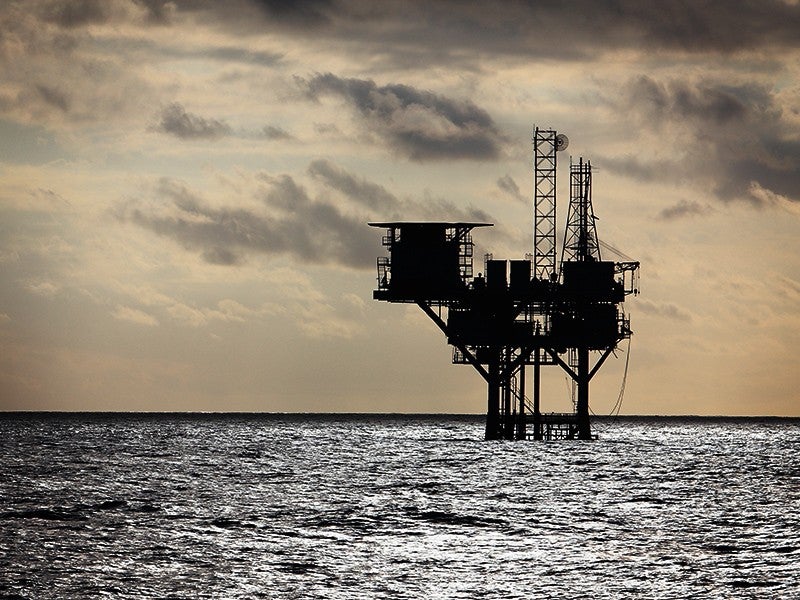
The Obama administration has been hinting for days that it might reverse course on its support for offshore oil drilling—and today it took the first real step in that direction. Shaken by the uncontrolled Gulf oil spill, the Interior Department has suspended plans for an oil and gas lease sale off the Virginia coastline.

Greenwire reports:

The move comes as the department seeks answers from investigations into the explosion and sinking of the Deepwater Horizon rig and the ongoing leak of hundreds of thousands of gallons of oil every day into the Gulf.

View Terry Winckler's blog posts
28 April 2010, 3:23 PM
Action by ConocoPhillips preserves 169,000 acres

Last February, after Canada banned mining and mineral development in its portion of the Flathead River Valley, Earthjustice attorney Tim Preso described the area as "a treasure more precious than coal or gold."

Today—thanks to a decision by ConocoPhillips—you can expand Preso's description to include oil and gas in Montana's portion of the Flathead Valley. Conoco announced that it was giving up its oil and gas leases on 169,000 acres near Glacier National Park.

The lease withdrawal follows a request from Montana's U.S. senators, and is part of the senators' larger strategy to ban all mineral development in the U.S. portion of the valley.

1 Comment   /   Read more >>
View Tom Turner's blog posts
20 April 2010, 10:03 AM
Coal, oil, and gas companies try to lure support from natural enemies

I am not a great student of TV news, but I watch a little almost every night, and I've noticed something that makes me wonder about how stuff works in this day and age. I rather enjoy MSNBC--Keith Olbermann, Rachel Maddow, Chris Matthews. It's refreshing to have someone abandon fake objectivity and cut loose. Not that they're always right--that is, always agreeing with me--but they're always intelligent and passionate.

What has caught my attention is some of the ads. One assumes (one is forced to infer, as my old friend Dave Brower would say) that MSNBC viewers are generally of the liberal persuasion and therefore tending toward the pro-environmental angle on things. But the natural gas industry, the coal industry, and Chevron, are advertising heavily on these programs, and it makes me wonder what's up.

3 Comments   /   Read more >>
View Jared Saylor's blog posts
31 March 2010, 3:48 PM
Obama administration sends mixed signals on drilling
The Chukchi Sea. Photo: Florian Schulz / visionsofthewild.com

Today, the Obama administration sent a mixed signal on offshore oil drilling, a move guaranteed to raise concerns from native groups, environmentalists, and communities living near some of the most sensitive and biologically diverse coastal areas. Obama and Department of Interior Secretary Ken Salazar announced a plan to halt oil and gas leasing in Bristol Bay off Alaska's southwestern coast and to postpone future lease sales in the Chukchi and Beaufort seas, off Alaska's northern coast, while needed missing information is gathered.

We agree that Salazar made the right move on Bristol Bay—home of the world’s largest salmon fishery—and on postponing future oil and gas lease sales in the Chukchi and Beaufort seas, sensitive areas of America's Arctic Ocean that are undergoing dramatic shifts due to climate change and about which large gaps in basic scientific information remain. These proposals give the administration the chance to use sound science and smart planning in future decisions about new leasing in the Arctic.

5 Comments   /   Read more >>
View Kathleen Sutcliffe's blog posts
28 January 2010, 1:31 PM
Is there something strange in your drinking water?

Okay, so technically the name for EPA's new hotline isn't Gas Busters. It's the 'Eyes On Drilling' Tipline. But with all the scary stuff happening in the gas fields these days, I couldn't resist. 

Folks in the oil and gas fields: if you see suspicious activity related to oil and gas drilling, call EPA at 1-877-919-4EPA (toll free number) or email eyesondrilling@epa.gov (This is the non-emergency number. For emergencies, stick with 911.)

Why does EPA need a hotline for suspicious gas drilling activity? Good question: These days, the gas industry has a new method for drilling gas. It's called horizontal hydraulic fracturing. And if it sounds scary, that's because it is. They take millions and millions of gallons of clean water, spike it with toxic chemicals, then blast the water thousands of feet beneath the ground into horizontally drilled wells, blasting the gas out of the rock pores. Some of the polluted water comes back up through the well. The rest stays in the ground, migrating who knows where.

2 Comments   /   Read more >>
View Shirley Hao's blog posts
22 January 2010, 6:11 PM
One hundred years of national park goodness
Beargrass, a lily native to Glacier National Park, blooms along the Iceberg Lake trail in Montana. Photo: NPS.

Happy Birthday, Glacier National Park!

Okay, so we’re a few months early…but when you’re coming up on one hundred, you clearly deserve a more grandiose and extended celebration.

The birthday star is one half of the dynamic duo making up Waterton-Glacier International Peace Park. North of Glacier National Park lies its companion, Canada’s Waterton Lakes National Park. Together, these parks represent a corridor of nearly unparalleled pristine wilderness, where almost all of the historical flora and fauna still exist.

In honor of Glacier’s centennial, Glacier Park Magazine editor Chris Peterson set about to photograph the park for a hundred consecutive days. The results are nothing short of thrilling. Chris’s images and insightful commentary bring alive the beauty, diversity, and wonder of this amazing place.

A sampling of Chris’s work:

6 Comments   /   Read more >>
View Molly Woodward's blog posts
15 January 2010, 10:54 AM
Clean Air Act, public lands drilling, efficiency standards, Pacific fisher

Some top stories from the last week at Earthjustice...

Sen. Lisa Murkowski seems determined to undermine the Clean Air Act, and has enlisted industry lobbyists in her quest. Earthjustice President Trip Van Noppen discussed why it's critical to take action now to protect this important environmental law.

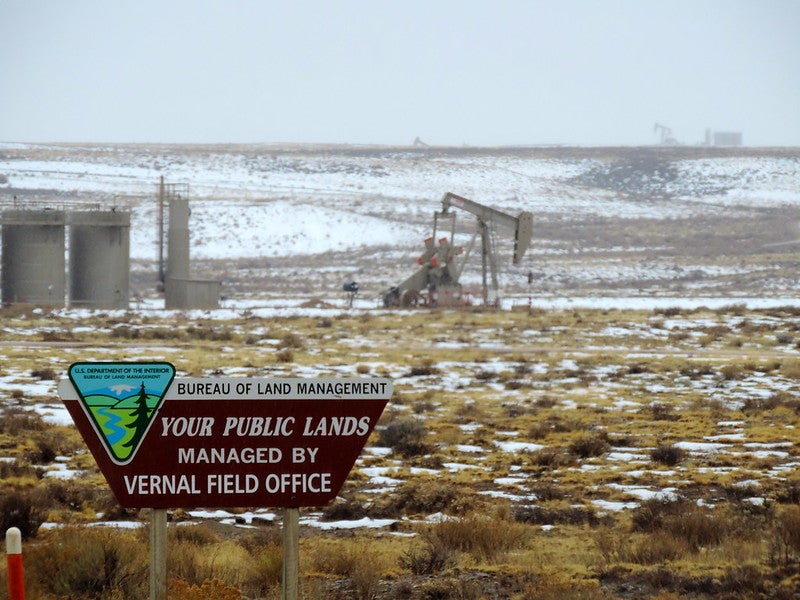
The days of rampant, indiscriminant oil and gas drilling on public lands are over, according to an announcement from Interior Secretary Ken Salazar. The BLM will develop and extend the environmental review processes for public lands drilling plans, something Earthjustice attorneys have advocated for years. 

The DOE just released new efficiency standards for Laundromat washing machines, but unfortunately they won't do enough to weed the least efficient from the market. Next time you take a trip to the Laundromat, try to find a front-loading machine, as these tend to waste less water and energy than top-loaders.

If you haven't heard much about the rare Pacific fisher, it might be its rarity after centuries of fur-trapping and logging in the Pacific northwest. Now, an Earthjustice lawsuit has helped make sure it's still eligible for protection under the Endangered Species Act. Find out more about this mighty porcupine hunter in Monday Reads.

View Molly Woodward's blog posts
17 December 2009, 3:19 PM
Coal-fired power plants, oil and gas drilling, sea turtles in peril

Some top stories from the last week at Earthjustice...

On this final day of the Copenhagen conference, our daily report and attending attorneys Martin Wagner and Erika Rosenthal will keep you apprised of the latest. Check for updates during the day at unEarthed.

The EPA's endangerment finding (now under assault by a GOP senator) was one of the biggest pieces of news from the conference. But Earthjustice President Trip Van Noppen warned that existing coal-fired power plants (responsible for a third of U.S. global warming pollution) could escape regulation.

This week, Earthjustice also responded to the second Arctic drilling permit granted to Shell Oil over the span of the Copenhagen conference, this time to drill in the Beaufort sea.

1 Comment   /   Read more >>
View Ted Zukoski's blog posts
17 December 2009, 12:27 PM
In green flip-flop, company says it will use nature friendly chemicals

One of the biggest changes in natural gas drilling in the last decade has been the use of hydraulic fracturing (or "fracking") to free gas from captured rock. The practice involves pumping huge amounts of water and a chemical cocktail downhole into rock sometimes two miles deep.

The practice is prevalent - and controversial. The key to the controversy is what's in the soup the drilling companies are pumping underground. Drilling companies generally refuse to say. That means the public has no idea what toxins are in the stuff. And those toxins could eventually migrate into aquifers used for drinking water by millions.

In Wyoming, for example, EPA is concerned that "at least three water wells contain a chemical used" in fracking. And in Durango, an emergency room nurse suffered organ failure after treating a gas field worker covered in chemicals presumed to be fracking fluid. The gas company wouldn't say what was in the goop covering the worker.

What do gas companies have to fear from disclosure of fracking fluid ingredients?

1 Comment   /   Read more >>
View John McManus's blog posts
16 December 2009, 12:07 PM
Administration settles Earthjustice suit over air pollution
Photo: BLM

The tens of thousands of new oil and gas wells that have popped up in the U.S. over the last decade—especially in the Rocky Mountain states—have created lots of air pollution. Much of it comes from the engines used to pump and compress the oil and gas or from leaks around the wells and pipelines. This air pollution makes skies smoggier, hazier, more toxic to breathe and alters the climate.

In New Mexico, some gas wells produce hydrogen sulfide, which smells like rotten eggs. At low levels, hydrogen sulfide can cause difficulty breathing and headaches. At high levels, it can be lethal.

In western Wyoming and metropolitan Denver, oil and gas drilling is linked to rising smog levels, haze in wilderness areas and national parks, and to climate change.

Earthjustice filed a lawsuit against the Bush administration to force it to update the air pollution regulations with modern, state of the art technology to minimize the pollution. The Obama administration inherited this lawsuit and quickly recognized that Earthjustice was right. So they settled the case and have promised to do a fresh review with an eye towards getting newer, cleaner technology into the field.