Posts tagged: pesticides

unEARTHED. The Earthjustice Blog

pesticides


    SIGN-UP for our latest news and action alerts:
   Please leave this field empty

Facebook Fans

Featured Campaigns

Everyone has The Right To Breathe clean air. Watch a video featuring Earthjustice Attorney Jim Pew and two Pennsylvanians—Marti Blake and Martin Garrigan—who know firsthand what it means to live in the shadow of a coal plant's smokestack, breathing in daily lungfuls of toxic air for more than two decades.

Coal Ash Contaminates Our Lives. Coal ash is the hazardous waste that remains after coal is burned. Dumped into unlined ponds or mines, the toxins readily leach into drinking water supplies. Watch the video above and take action to support federally enforceable safeguards for coal ash disposal.

ABOUT EARTHJUSTICE'S BLOG

unEARTHED is a forum for the voices and stories of the people behind Earthjustice's work. The views and opinions expressed in this blog do not necessarily represent the opinion or position of Earthjustice or its board, clients, or funders.

Learn more about Earthjustice.

View Jessica Knoblauch's blog posts
28 June 2012, 5:17 PM
Plus: Pesticide poisonings, fracking evictions and druggy meat

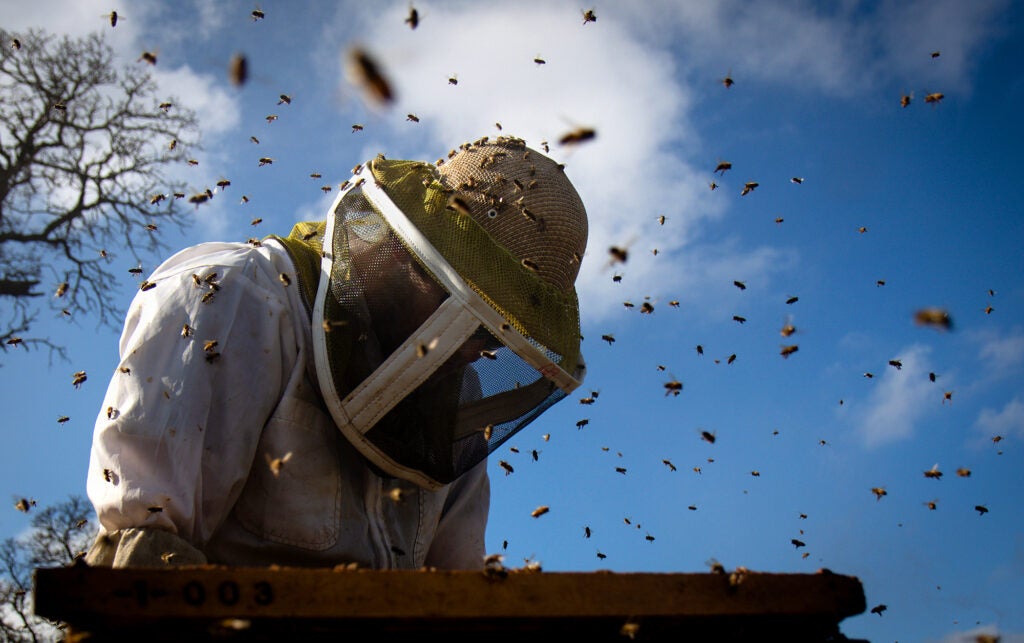
Bumblebees join honeybees in buzzing off
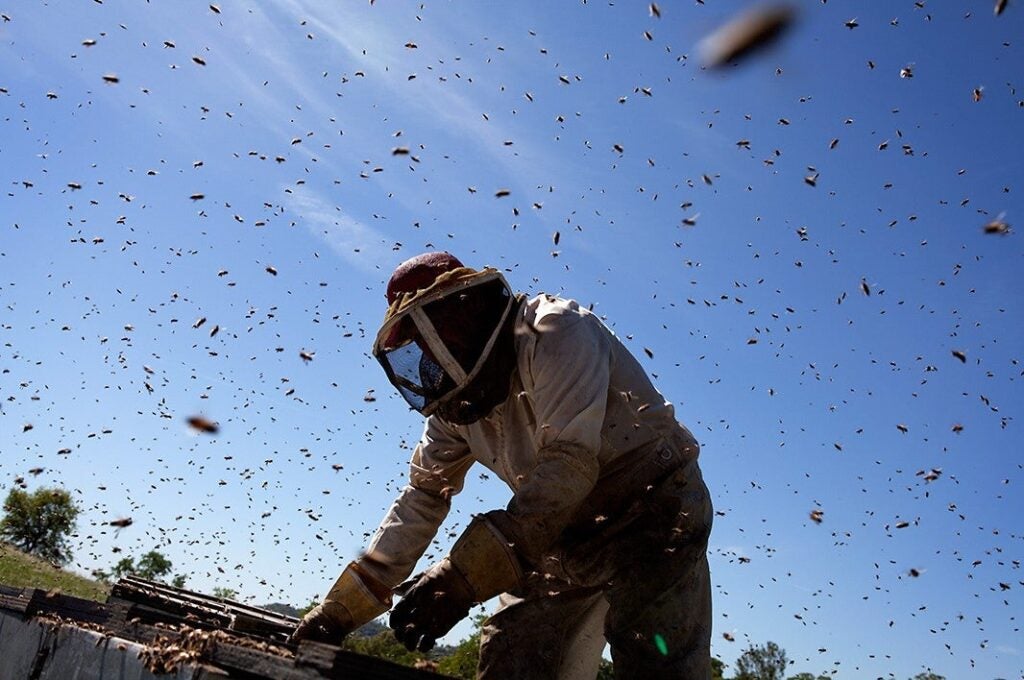
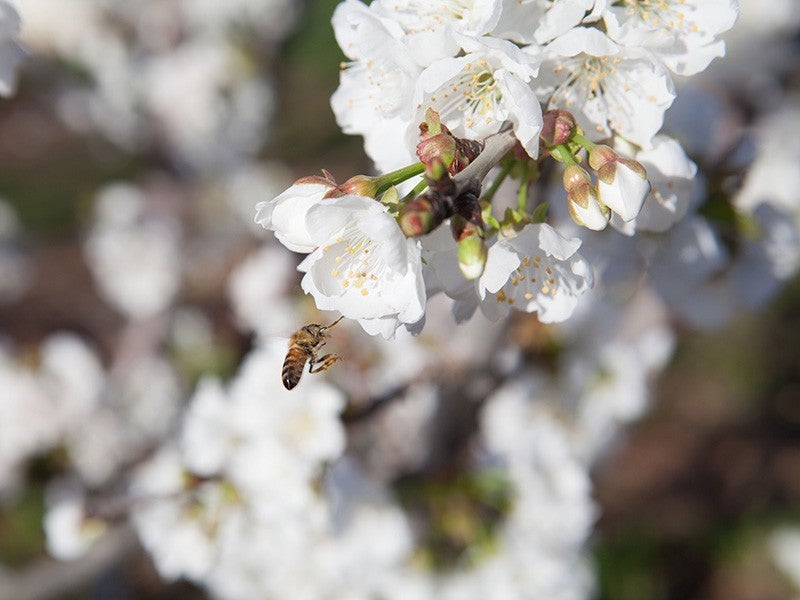
It turns out honeybees aren’t the only pollinators experiencing mysterious, massive die-offs, reports Grist. Bumblebees, those fuzzy, buzzy bees that pollinate everything from alfalfa to apples, are also disappearing. That’s bad news for farmers...and anyone who happens to like eating food. According to research published last year, the abundance of some bumblebee species has declined by as much as 96 percent in a mere two decades. One reason for the massive die-off may be a lack of wildflower-rich habitats. Another may be pesticides, which have been under increased scrutiny after two scientific studies linked a commonly used corn pesticide to the die-offs of pollinating bees. And yet still another cause may be climate change, which impacts the bees’ habitat range.
 
Pesticide poisoning all too common among farmworkers
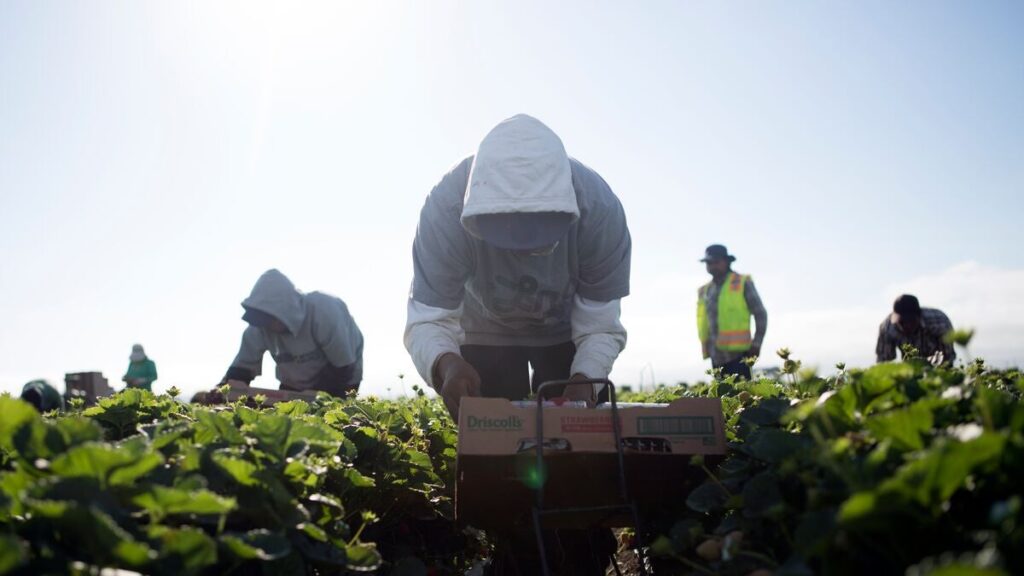
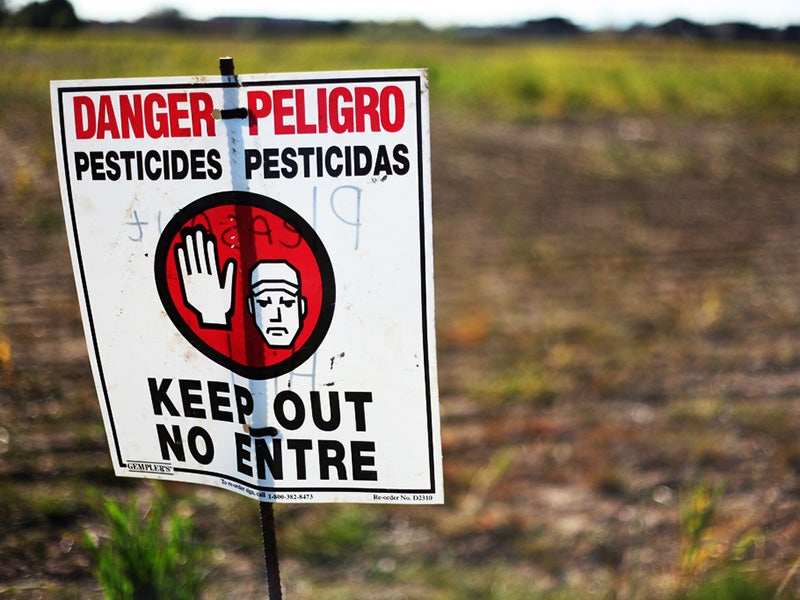
The EPA estimates that up to 20,000 physician-diagnosed poisonings occur each year among agricultural workers but since no comprehensive database to track pesticide exposure incidents currently exists, there may be a lot more incidents that go unreported, reports iWatch News. Lack of data is just one of the many challenges in making agricultural fields safe for farmworkers, who often come in contact with toxic pesticides that can cause nose bleeds, rashes and vomiting. Another challenge  is that many farmworkers are illegal immigrants, so they're reluctant to speak up in fear of getting reported to the federal authorities. Currently, Earthjustice, along with other groups, is trying to increase protections for farmworkers by pressing for upgrades to the Worker Protection Standard, which hasn’t been thoroughly revamped in 20 years. 
 

View Jessica Knoblauch's blog posts
21 June 2012, 2:54 PM
Plus: Body snatching weeds, clean air apps, cold chemicals, pineapple pesticides

Mexican government saves miracle reef
Cabo Pulmo, an ecological treasure and the jewel of California, recently received a stay of execution after the Mexican government announced its decision to cancel a mega-resort development project near the reef in Baja California Sur, reports the LA Times. The cancelled Cabo Cortes resort development was by far the largest of three proposed development projects near the area (two still remain). The government’s decision comes after the Interamerican Association for Environmental Defense (which partners closely with Earthjustice) challenged a conditionally approved environmental impact assessment, arguing that the new developments would harm the rich biodiversity of the nearby Cabo Pulmo National Park. Though threats to the reef from other projects and intensive marine resource use remain, the Mexican government’s decision is a big win for defenders of the 20,000 year-old reef, which  has experienced an unprecedented 463-percent increase in biodiversity just 10 years after Mexico established the surrounding the reef as a Marine Protected Area. 

Higher CO2 levels breathe life into body-snatching weeds

Weeds, those pesky invaders that break through sidewalk cracks and blemish perfectly good vegetable beds, are getting a leg up over agriculture crops thanks to increased CO2 emissions, reports ScienceNews. According to recent research, because weeds can adapt more quickly to a changing climate than food crops, they’ve already figured out how to use increased carbon dioxide to their advantage. Food crops, on the other hand, are slow learners by design so that their tastes are not constantly changing, which keeps consumers happy. Though faster growing weeds are a headache in their own right, the more troubling finding of the research is that carbon dioxide makes the weed-like quality in weeds more contagious. As CO2 emissions increase, researchers found that the weedy natural form of rice “increasingly hybridized with the crop plants,” with the result being a diminished value and quality of the cultivated rice. In other words, the crops that breeders have spent decades cultivating into perfect specimens could eventually be transformed into weeds. It seems that when it comes to climate change, you really do reap what you sow.
 

View David Lawlor's blog posts
11 June 2012, 10:48 AM
Earthjustice’s campaign to ban fungicide will protect future generations
(Shutterstock)

Many of our legal team’s victories in defense of the environment or human health have lasting impacts that will be felt by future generations. But a new study from Washington State University suggests that our successful legal campaign to end the use of the dangerous agricultural fungicide vinclozolin will indeed pay dividends for years to come.

View Jessica Knoblauch's blog posts
25 May 2012, 8:46 AM
Cruel pizza toppings, superweed takeover, Hollywood bags the bag
(Cambridge Brewing Company)

Breweries worry that extreme gas drilling will frack their beer
It turns out that hydraulic gas drilling or fracking doesn’t just contaminate the air and water; it could also mess up your favorite brew, reports Mother Jones. Brewmasters like Brooklyn Brewery and upstate New York’s Ommegang Brewery are raising the alarm about toxic fracking chemicals like benzene making their way to America’s beers through weak fracking regulations that don’t protect an area’s water supply. After all, beer brewing takes a whole lot of water and places like the Brooklyn Brewery often get their water from local watersheds. The Brewery’s founder, Steve Hindy, says that fracking threatens the purity of his beer. New York has promised to ban high-volume fracking in areas where the city sources its water, but environmental groups like Earthjustice say that the state’s rules are weak and leave aquifers vulnerable to contamination by fracking chemicals. Find out how we’re helping breweries like Ommegang to keep their beer from being fracked.

Domino’s pizza’s meat policy makes little piggies cry
Domino’s may have recently had an artisanal makeover, but the pizza giant still isn’t budging on its policy to continue serving pork from pigs raised in gestation crates, reports Grist. For the uninitiated, gestation crates are cages about the same width and length of a pig’s body, a space so small that the pigs are unable to even turn around in the crates. Given that pigs are extremely smart animals capable of feeling fear, pain and stress, many food vendors have been successfully pressured into working with its pork suppliers to eliminate the cruel practice, but not Domino’s, which is one of the last holdouts in the industry. It looks like Domino’s new “artisan toppings,” meant for food-conscious customers, is just lipstick on both the proverbial and the literal pig.  
 

3 Comments   /   Read more >>
View Jessica Knoblauch's blog posts
16 April 2012, 12:09 PM
GMOs and BPA get a kiss, while green chemistry gets the boot
Photo courtesy of healthserviceglasses (flickr)

EPA disses green chemistry program
Recently, the EPA pulled the rug out from under a green chemistry grant program without any explanation and little notice, reports Environmental Health News. The program, which planned to bring together experts in many fields to design a new generation of green chemicals that are less toxic to people and the environment, would provide $20-million towards the research of green chemistry. It was nixed just weeks before the deadline for proposals, a move that no doubt annoyed the researchers who worked for months on the program. Though the EPA says it may pick back up the program in the future, the recently burned scientists are, not surprisingly, skeptical as to whether that will ever actually happen.

FDA says BPA is A-Okay
The Food and Drug Administration won’t ban bisphenol-A (BPA) anytime soon, despite several studies that have linked the chemical’s exposure to a wide range of ailments, from obesity to cancer and even to changes in behavior, reports Grist. According to the FDA, there’s still not enough evidence to deem BPA a threat. And the fact that the chemical, which is found in up to 90 percent of the human population, may be potentially harmful doesn’t mean we should ban it. After all, what would soup companies, baby bottle manufacturers and other industries do without their precious BPA? It’s not like there are other alternatives out there that are safer and cost-effective, right? Wrong.

View Trip Van Noppen's blog posts
13 April 2012, 3:05 PM
Earthjustice suit pressures company to nix toxic pesticide

Last month—less than a year after Earthjustice sued to protect strawberry field workers from a deadly pesticide—the maker of that pesticide has taken it off the market. This means that those who labor on our behalf can themselves enjoy the fruits of their labor without fear of crippling or even fatal results.

19 Comments   /   Read more >>
View David Lawlor's blog posts
21 March 2012, 10:55 AM
Earthjustice lawsuit pressures agro-chemical company to pull the plug on toxic fumigant methyl iodide
Photo: USDA

Do you like to eat strawberries grown without cancer-causing fumigants? You do! Well then, have I got some news for you!

Last night, Arysta LifeScience, the producer of the toxic fumigant methyl iodide (sold under the sunny corporate nomenclature “Midas”) announced it is pulling its product—designed for use primarily in strawberry fields—off the U.S. market. The announcement comes as the California Superior Court was about to issue its decision in an Earthjustice lawsuit aimed at stopping the use of the dangerous chemical.

“All Americans are safer today because of the removal of the cancer-causing farm chemical methyl iodide,” said Earthjustice attorney Greg Loarie, who argued the case in court. “American agriculture can be highly productive without having to use chemicals like methyl iodide that threaten not only those who work in our fields, but also anyone who lives within miles of them, with cancer. This is a chemical that never should have been allowed in the first place and we’re thankful that our combined efforts resulted in the chemical company pulling this dangerous compound off the American market.”

View Jessica Knoblauch's blog posts
17 February 2012, 4:57 AM
Strawberry pesticides, explosive ag waste, greening Guantanamo
Photo courtesy of shrff14

College students crush plastic water bottles, industry wines
As banning bottled water becomes the cause du jour amongst college students, the bottled water industry is crying over spilled water, reports NPR. Everywhere from San Francisco to national parks like the Grand Canyon, cities and community members are considering banning plastic water bottles, which contribute to landfill waste, are rarely recycled, and whose purity is suspect. And now college campuses are jumping onto the bottled-water-banning bandwagon, with more than 20 schools signing on to complete or partial bans on plastic bottles brimming with H20. That has the International Bottled Water Association, an industry trade group, upset about “misinformation" and what it deems a war on freedom of choice. It even released a video to show college kids how silly they are for spending time on environmental issues like banning bottled water. Check it out: 

2 Comments   /   Read more >>
View David Lawlor's blog posts
16 February 2012, 2:33 PM
California counties ban methyl iodide as the state awaits court’s decision

This week, Monterey County, California gave a better-than-roses Valentine’s Day present to its roughly 415,000 residents. Following in the footsteps of Santa Cruz County, its neighbor to the north, the Monterey County Board of Supervisors voted to ask Gov. Jerry Brown to review the approval of the toxic fumigant methyl iodide.

Methyl iodide, a known carcinogen, is most threatening to the men and women who work in California’s strawberry fields where the majority of the pesticide will be applied. Those farm workers risk eye irritation, nausea, central nervous system disorders, late-term miscarriages and cancer. California accounts for about 80 percent of the nation’s strawberry crop, and Monterey and Santa Cruz counties are home to a large portion of the state’s strawberry farms.

2 Comments   /   Read more >>
View Jessica Knoblauch's blog posts
02 December 2011, 12:40 PM
Turtle bones get brittle, fat rat dilemma
The supposedly "green" Bank of America has been lending billions to the coal industry. Photo courtesy of Alex E. Proimos.

Report finds allegedly “green” banks finance dirty coal
A recent investigation by a group of non-governmental organizations found that a number of supposedly “green” banks fall into the top 20 institutions to finance coal-mining and coal-fired energy generation, reports the UK Guardian. Taking the first three places is JP Morgan Chase, Citigroup and Bank of America, which together have provided at least $42 billion to the coal sector since 2005. Since coal is one of the dirtiest and most carbon-intensive energy sources out there, it’s fair to say that the new report puts the banks’ supposedly green credentials into question. No matter how many wind and solar projects they highlight in the public eye, at the end of the day lending money to an industry that’s literally burning up humanity's chances to avoid catastrophic climate change is neither a green nor smart investment choice.

PCBs stunt turtle bone growth
PCBs, those long-forgotten but deadly chemicals that were banned by the U.S. in 1979, are causing stunted growth and low bone-density in turtles, reports Discovery News. The chemicals, once used in pesticides and industrial fluids, have been linked to slower growth rates, tumors in mink jaws and deformed heads in zebrafish in previous studies. But a new study, that exposed diamondback terrapin turtle eggs to a PCB dose that's equivalent to what they would encounter in the environment, stunted the turtles growth and left their bones weak. Though the results are preliminary, the study may have implications for humans since our bones grow similarly to turtles and since we too are exposed to low amounts of lingering PCBs. Said Don Tillitt, an environmental toxicologist, “When we see effects like this, we know there are things that are maybe more insidious. It's a good reminder that we have to be on guard."

1 Comment   /   Read more >>