Posts tagged: smelt

unEARTHED. The Earthjustice Blog

smelt


    SIGN-UP for our latest news and action alerts:
   Please leave this field empty

Facebook Fans

Featured Campaigns

Everyone has The Right To Breathe clean air. Watch a video featuring Earthjustice Attorney Jim Pew and two Pennsylvanians—Marti Blake and Martin Garrigan—who know firsthand what it means to live in the shadow of a coal plant's smokestack, breathing in daily lungfuls of toxic air for more than two decades.

Coal Ash Contaminates Our Lives. Coal ash is the hazardous waste that remains after coal is burned. Dumped into unlined ponds or mines, the toxins readily leach into drinking water supplies. Watch the video above and take action to support federally enforceable safeguards for coal ash disposal.

ABOUT EARTHJUSTICE'S BLOG

unEARTHED is a forum for the voices and stories of the people behind Earthjustice's work. The views and opinions expressed in this blog do not necessarily represent the opinion or position of Earthjustice or its board, clients, or funders.

Learn more about Earthjustice.

View John McManus's blog posts
04 November 2011, 4:39 PM
Court refuses to denude smelt of ESA protections
The Delta

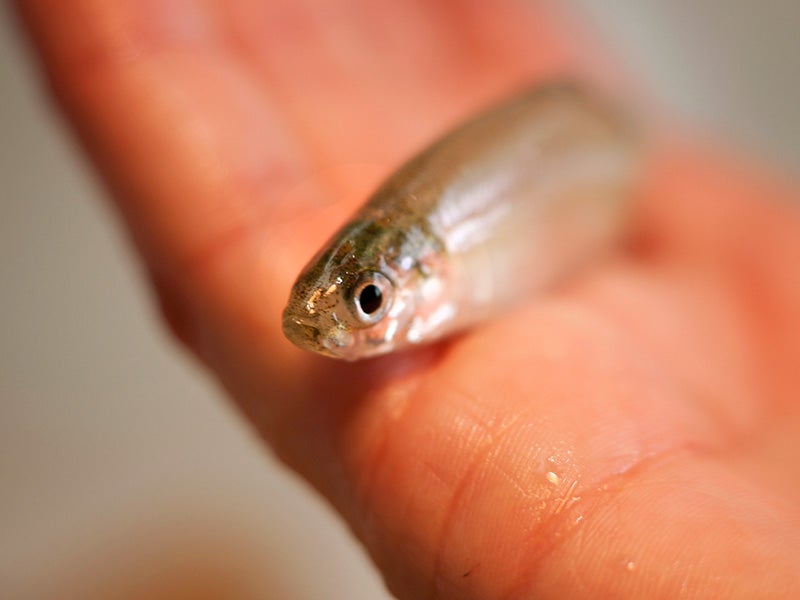
On Monday, the U.S. Supreme Court handed conservationists a victory and some good news for endangered wildlife. The court denied a request by an anti-wildlife right-wing group to strip federal Endangered Species Act protections from a rare species – a California fish called the delta smelt.

The right-wing Pacific Legal Foundation, has tried repeatedly to get any federal court to rule that the federal government has no power to extend ESA protection to species that exist only in a single state and have no current commercial value. The smelt just happens to be a species of convenience that fit those terms. PLF has been rebuffed by five different federal courts of appeals and now the Supreme Court.

Earthjustice attorney Trent Orr was involved in the big rebuff of PLF, pointing out to the courts that the anti-wildlife group simply didn’t understand established law. The Supreme Court hardly needed to hear it, having upheld the ESA by rejecting review of five earlier challenges from other corners of the nation.

View Liz Judge's blog posts
18 February 2011, 4:15 PM
House lawmakers continue to slash essential protections for the American public

As I write this, members of the House of Representatives continue to debate and move their way through votes on hundreds of amendments to the chamber's government spending bill. The voting and debate has been a marathon process, stretching from morning through late at night for the last three days, and looks to carry on until late tonight or tomorrow.

Once the amendments are voted on and settled, the whole House will cast a final vote on the entire bill package with all the passed amendments. Then the Senate takes its turn, crafting a spending bill of its own. The two chambers must then confer and agree on one bill that funds the federal government by March 4 -- or the government must shut down until its spending and funding sources are settled.

The amendments that the House is currently considering are wide-ranging. They aim to cut government spending by cutting the funding streams of hundreds of government programs. So, instead of ending those programs through legislation and appropriate voting, many members of the House are seeking to delete the programs by wiping out the funds that keep them going.

View Terry Winckler's blog posts
15 February 2011, 3:53 PM
Legislative amendments target air, water, public lands and wildlife

Teabag by teabag, the anti-environment faction in the House of Representatives has filled its federal government spending bill with amendments that will cripple protections for our water, air, natural resources, wildlife and public health. 

Not since the darkest days of the Bush administration have we seen such an onslaught on the environment—and the hits are still coming. By mid-day today (Tues., Feb. 15), the list has grown to include attacks on a number of endangered species, including wolves and salmon, and on the power of the Environmental Protection Agency to keep lethal pollutants out of the air we breathe and the water we drink. Some amendments are outright handouts to our nation’s worst polluters.

The spending bill will fund the government so that it can continue operating after March 4, but first the Senate must pass the bill. Today, Pres. Barack Obama warned that he would veto the bill as constructed.

The following is a list of the most harmful provisions and amendments proposed so far:

1 Comment   /   Read more >>
View David Lawlor's blog posts
15 December 2010, 5:21 PM
Court orders revisions to federal plan to protect the smelt

This week, following a challenge from California water districts, the state and corporate agribusiness, a federal judge ordered the U.S. Fish and Wildlife Service (USFWS) to revise its plan to protect the delta smelt, a fish that makes its home in the brackish waters of the San Francisco Bay Delta. Earthjustice attorneys defended a biological opinion from USFWS that implemented protections for the smelt, and while the judge agreed with the majority of the biological opinion, he asked for revisions to specific sections.

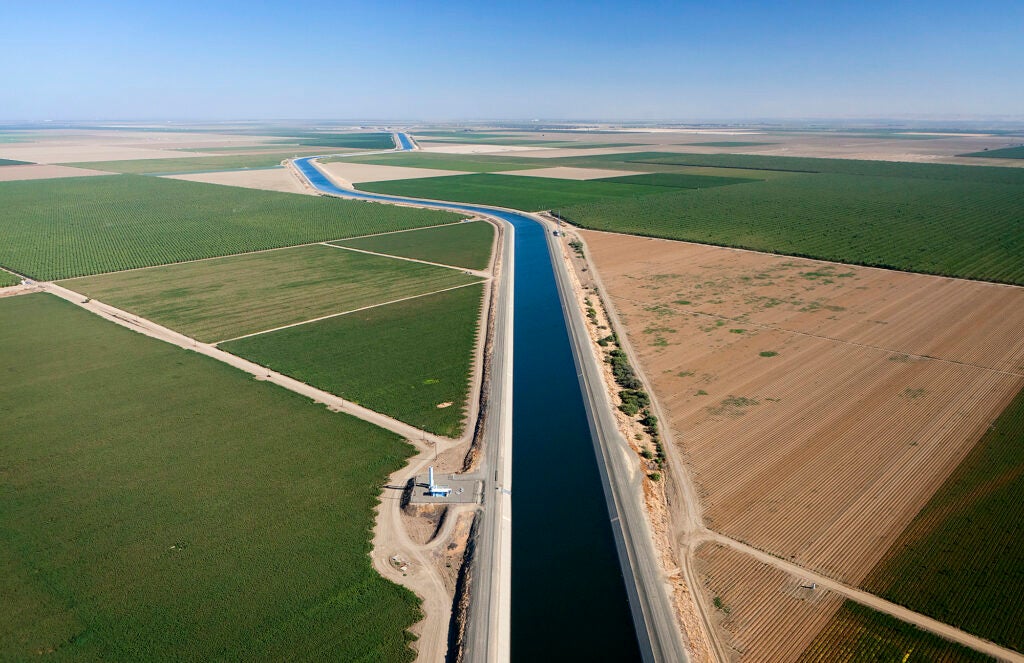
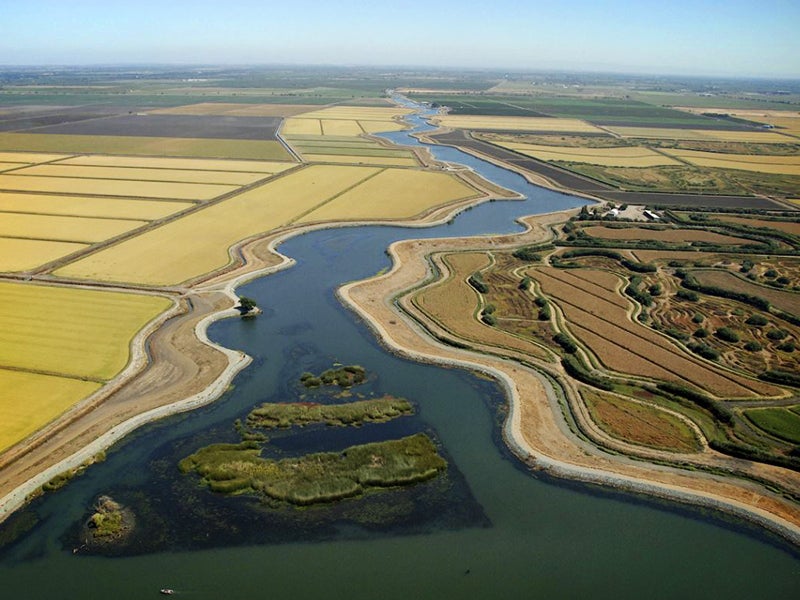
The smelt, which is listed as threatened under the Endangered Species Act, has been at the center of an ongoing debate about the health of the Bay-Delta ecosystem. Over the past decade, as state and federal water projects pumped huge volumes of water from the delta, the fish’s numbers have significantly decreased. The smelt now rests at the brink of extinction and its drastic decline is cause for concern. Considered a key ecosystem indicator species, the fate of the smelt is closely tied to that of salmon. We talked with Earthjustice attorney George Torgun to get the latest on the fate of the smelt and the Bay-Delta ecosystem.

View Tom Turner's blog posts
04 August 2009, 11:11 AM
Water revolution is using locally available water

One of the grandest victories scored by environmental types in California has been the battle to save Mono Lake at the eastern foot of the Sierra Nevada. Owens Lake, to the south, was obliterated by users in the Los Angeles basin, who simply appropriated virtually all the water that once flowed from the mountains into the lake (the easiest and most entertaining way to brush up on this story is to see the movie Chinatown).

The same thing was happening to Mono Lake, but a landmark lawsuit brought by the Audubon Society and a tenacious campaign by a tiny outfit known as the Mono Lake Committee stopped L.A. in its tracks, and Mono is more than holding its own.

The leader of the committee for most of the '80s and '90s was Martha Davis, energetic, tough-minded and tireless. Now, in a heartening twist, Davis has taken over as manager of water policy for the Inland Empire Utilities Agency, and is revolutionizing water management in the arid south.

1 Comment   /   Read more >>