Posts tagged: wolves

unEARTHED. The Earthjustice Blog

wolves


    SIGN-UP for our latest news and action alerts:
   Please leave this field empty

Facebook Fans

Featured Campaigns

Everyone has The Right To Breathe clean air. Watch a video featuring Earthjustice Attorney Jim Pew and two Pennsylvanians—Marti Blake and Martin Garrigan—who know firsthand what it means to live in the shadow of a coal plant's smokestack, breathing in daily lungfuls of toxic air for more than two decades.

Coal Ash Contaminates Our Lives. Coal ash is the hazardous waste that remains after coal is burned. Dumped into unlined ponds or mines, the toxins readily leach into drinking water supplies. Watch the video above and take action to support federally enforceable safeguards for coal ash disposal.

ABOUT EARTHJUSTICE'S BLOG

unEARTHED is a forum for the voices and stories of the people behind Earthjustice's work. The views and opinions expressed in this blog do not necessarily represent the opinion or position of Earthjustice or its board, clients, or funders.

Learn more about Earthjustice.

View Trip Van Noppen's blog posts
21 January 2010, 12:25 PM
Focus is on clean energy, natural heritage, and health

Last year, the U.S. government started taking environmental protection seriously again, but as 2010 dawns, we continue to see political and economic interests preventing or stalling critical environmental solutions.

In the face of this opposition, this year Earthjustice is targeting key issues with our legal and advocacy work. Our focus is on three core priorities: building a clean energy future, protecting our natural heritage, and safeguarding our health.

To avoid global warming's worst impacts, we must build a clean energy future. Reducing demand through efficiency and increasing supply from renewable sources of power are cornerstones of the foundation. But these steps are obstructed by the political stranglehold of the fossil fuel industry. Earthjustice is using the law to help break our national reliance on fossil fuels, which we continue to extract, burn, and subsidize heavily with taxpayer money, despite the destructive impact on people and the planet.

8 Comments   /   Read more >>
View Terry Winckler's blog posts
01 September 2009, 10:16 AM
Federal judge continues to ponder injunction request by Earthjustice
First wolf killed in Idaho hunt. Photo released by Idaho Fish and Game.

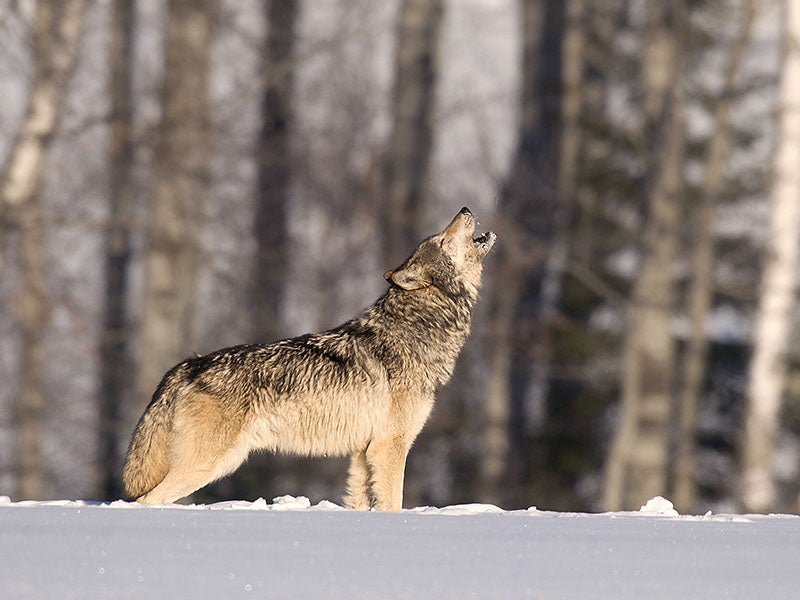
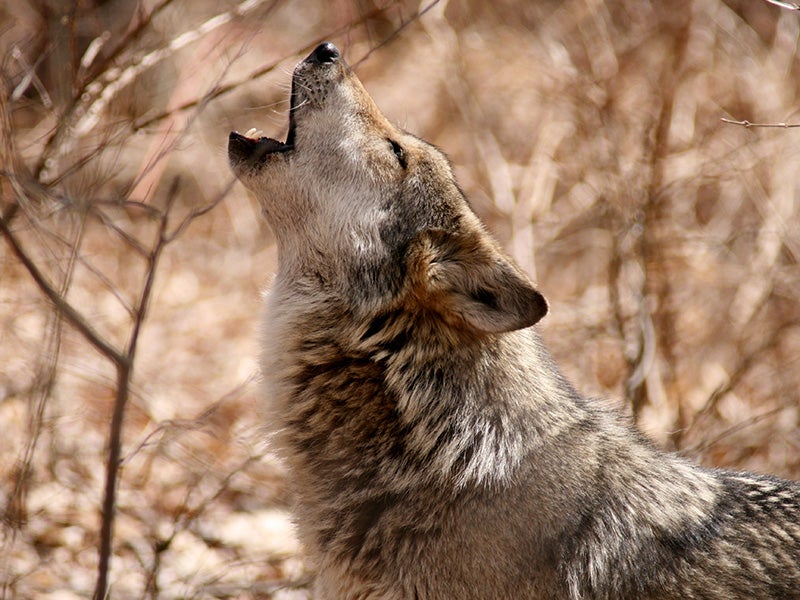
Wolf hunting began this morning in Idaho, as a federal judge continues to consider an urgent request by Earthjustice and allies to halt the hunting. A young female was reportedly the first wolf killed.

Earthjustice attorney Doug Honnold argued Monday for an injunction to stall hunting in both Idaho and Montana as part of a lawsuit seeking to restore protection of the wolves under the Endangered Species Act. Protections were removed by the U.S. Fish and Wildlife Service.

Idaho is allowing 255 wolves to be killed, and Montana 75.


View Terry Winckler's blog posts
02 June 2009, 2:23 PM
Obama administration goes along with Bush-era policy

Two months ago, the Obama administration stunned the environmental community by removing northern gray wolves from the Endangered Species list. In doing so, the administration went along with one of the more onerous acts of the Bush administration. It also was the first major departure by the administration from the pro-environment path it had been on since Obama took office.

Conservation groups took a while to catch their collective breath and pull together the right response. Today, with a strong legal case in hand, Earthjustice led the groups into court—for the second time in a year—with a lawsuit challenging the delisting decision.

1 Comment   /   Read more >>
View Trip Van Noppen's blog posts
18 December 2008, 11:35 AM
 

Maybe it's a good thing that Bush has kept Earthjustice so busy these last eight years, fending off unrelenting assaults on the environment. The experience is proving invaluable as we face, in these final weeks of the administration, a frantic effort to roll back some of the nation's most significant protections. We also are encountering a barrage of last-minute attempts to convert America's wild, public treasures into private, commercial commodities.

Any day now, we expect Bush's Fish and Wildlife Service to once again remove endangered species protections from the northern gray wolf—protections we secured this year after Bush first de-listed the wolf.

10 Comments   /   Read more >>
View Tom Turner's blog posts
12 August 2008, 10:40 AM
 

The legal tussle over the wolves in the Northern Rockies, which took a turn for the better a week or so back, has overshadowed another uplifting wolf story: confirmation of a breeding pack of wolves in northeast Oregon for the first time since the animals were shot, trapped, and poisoned out of the state more than 50 years ago. The Oregon wildlife agency has an interesting history here and the Oregonian's Michael Milstein reports on the recent discovery here.

2 Comments   /   Read more >>
View Ted Zukoski's blog posts
25 February 2008, 4:33 PM
 

Since the 1930s—following decades of shooting, trapping, and poisoning—Colorado has been a wolf-free zone. There are two ways wolves can return to Colorado: with human help, or under their own power.  The Department of the Interior over the last few months made decisions calculated to block both avenues of return.

View Tom Turner's blog posts
12 February 2008, 5:14 PM
 

If the polar bears aren’t drowning it's flooding somewhere and drying to dust somewhere else. Or, as a folk group from my youth sang, "They're rioting in Africa. . .and Texas needs rain." Plus ça change.

With all the horrible news, a bright spot is welcome, and this week's comes from the World Wildlife Fund via MSNBC. It has to do with African rhinos, which have staged an admirable comeback over the past decade or so as poaching has been cracked down on, habitat restored, and local people involved in the tourism trade.

White rhinos, the larger of the two subspecies, have seen their numbers rise from 8,500 to 14,500 in the past ten years. Black rhinos, the smaller cousin, have gone from 2,600 to about 4,000 in the same period, which leaves them still seriously endangered but headed in a better direction than they were ten years ago. One key has been stopping the killing of the huge beasts for their horns, much prized in some versions of Asian medicine. WWF reports that rhinos have been reintroduced recently to areas in Zambia and Uganda, from which they had been extirpated.

2 Comments   /   Read more >>