Campaign:
Mountaintop Removal Mining
Graphic of mountaintop removal mining.
Mountaintop removal (MTR) is a form of strip mining in which explosives are used to blast off the tops of mountains in order to reach the coal seams that lie underneath.
Key Resources:
Subscribe to Earthjustice
   Please leave this field empty

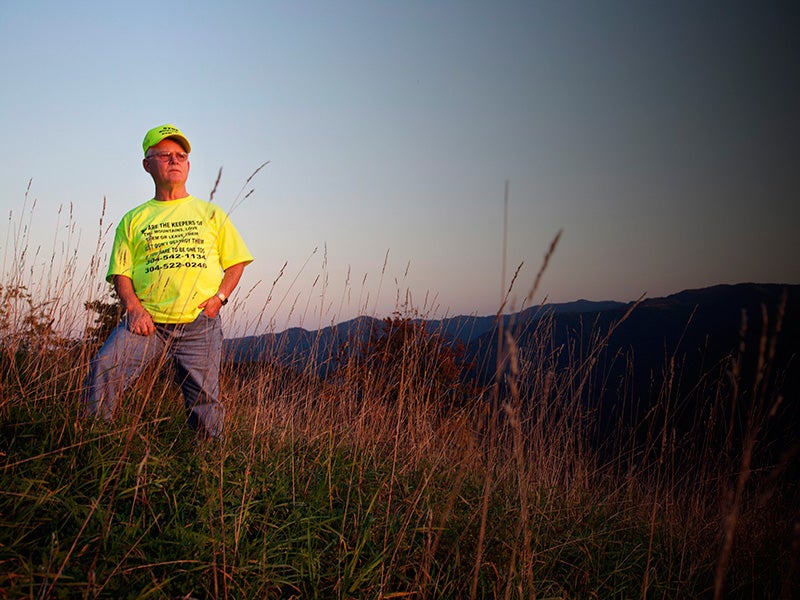
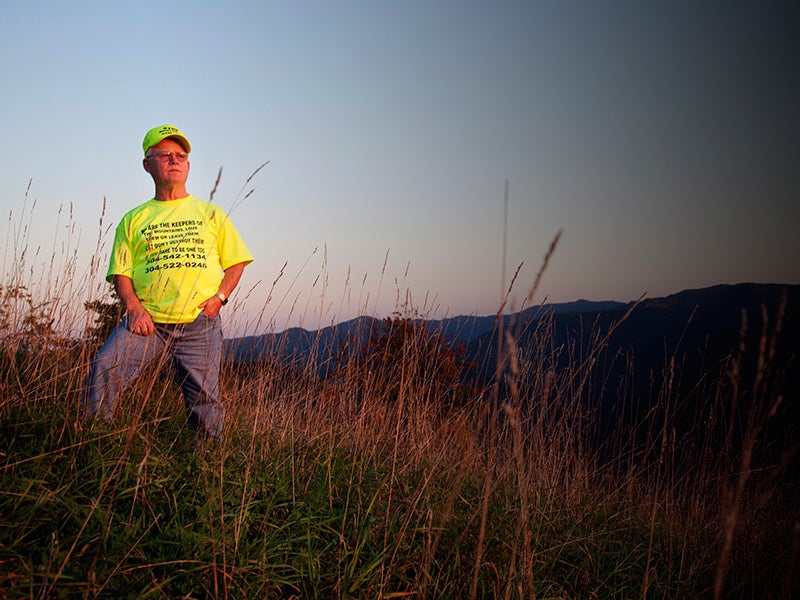
Mountain Heroes: James's Story

"It’s just a weird way to run a business. They really don’t care about people. All they care about is the bottom line and their dollar. It makes people feel like they are less of people." – James Tawney
James's Mountain Top Removal Story
hear my entire story:
  • Mountain Heroes photos (Donetta, James, Karen, Ken, and Sid) by Mark Schmerling.

What's Missing?
Your Story.

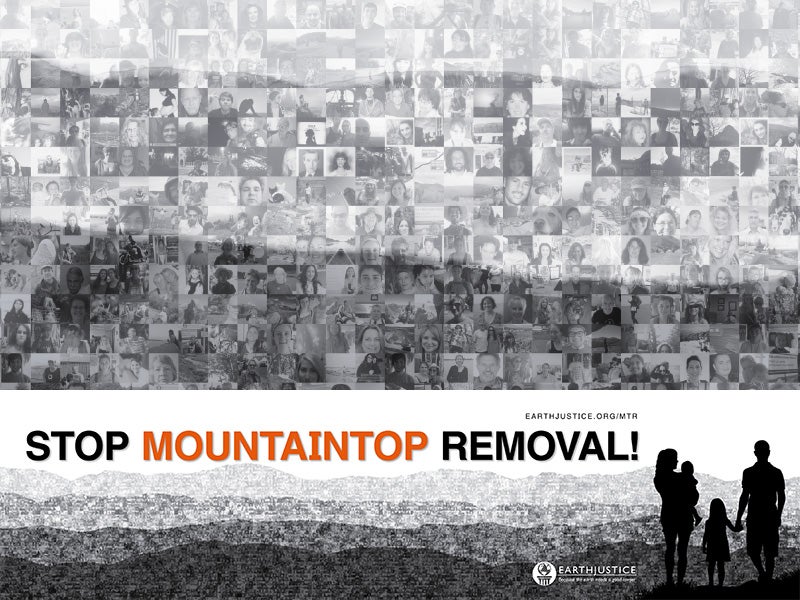
It's easy to join in: Choose a photo and describe in a few words why you want to save the mountains and rivers of Appalachia. Add your story!

Create My Story View Story Gallery
Photo of Kayford Mountain. (c) Vivian Stockman / OHVEC.

What is Mountaintop Removal? Often described as "strip mining on steroids," mountaintop removal coal mining has laid waste to the natural habitats in some of our country's oldest forests.

Entire mountainsides are razed, with trees ripped from the ground and brush cleared with huge tractors. This debris is then set ablaze as deep holes are dug for explosives.

Explosives are poured into these holes and mountaintops are literally blown apart. Huge machines push rock and dirt into nearby streams and valleys, forever burying waterways.

James Tawney: My Mountain Story

Born on the Fourth of July, 39-year-old James Tawney grew up on a small farm on Daubinspeck Mountain in Clay County, West Virginia. Over the radio that morning, the local disc jockeys announced the birth of this “little firecracker.” His childhood was spent running through the mountain forests, walking the streams, tubing with friends down the crystalline creeks, and exploring the lands until sundown. The sense of discovery was epic then. The son of a coal miner and descendant of a long line of West Virginia coal miners, James relishes time with his nieces and nephews enjoying playtime in the great outdoors. He says that when he takes them to the backcountry, he still has the feeling they could be discovering someplace new for the first time. It’s this feeling that he wants to preserve for future generations in his home state.

The son of a coal miner and descendant of a long line of West Virginia coal miners, James, a member of the West Virginia Highlands Conservancy, relishes time with his nieces and nephews enjoying playtime in the great outdoors.

Here's part of James's story:

"I live on a farm in West Virginia. Mountaintop removal surrounds me. I used to have a beautiful view of the Gauley River canyon, but now it's marred by a surface mine on a mountain in the near distance. Mountaintop removal sprawls for 11 square miles from where I live now to where I grew up. The swimming holes I swam in growing up are now filled with silt and heavy metals because of all the valley fills.

"Mountaintop removal mining just totally ruins our water. I do a lot of walking and fishing up in Twenty Mile Creek. It’s just a destroyed place. Mountaintop removal mining doesn’t help communities. The coal companies always tout it; they say it creates so many jobs. And it doesn’t. The communities around it are the poorest and the worst of all. They just leave us without water and everything else. It’s just a sad thing what it does to people.

"Family cemeteries are out in the middle of these places left as little green islands in a vast moonscape. Headwater streams are gone, forever replaced only by some boulders. You'll never be able to replace the top soil needed to regrow a forest on 11 square miles of decimated land. Thousands of acres of wildlife habitat are gone forever. These barren grassy hillsides could never be home to the many animals that lived in the forests once there.

"We have thousands and thousands of people who come down our little road to get to the Gauley River National Recreation Area. Rafting is a big thing here, and rock climbing is starting to become a big thing. We are trying to start a little business for group camping on our farm. It just amazes me that they can tear up all the pretty sites around these river areas and think that just these little nationally designated and protected areas are good enough to keep. Mountaintop removal mining is ruining our chances of actually bettering ourselves and making money for ourselves.

"I got into the fight against mountaintop removal after a coal company trespassed and cut a road across our property. But I'm against mountaintop removal for many reasons. To me, nothing is worth the loss of our mountains and streams. Without drinkable water, there is no life. The politicians and the industry rant about how many jobs would be lost without it, but when you look at the facts, they only make up less than 5 percent of the state's jobs, because it’s all done by machinery and bulldozers. Many more jobs are supplied through other types of mining. We need to stop mountaintop removal mining. Please join me in my fight."