

Air and water should nourish us, not poison us.
Yet polluting industries have shaped our laws and their enforcement in ways that allow them to keep dirtying our skies and waterways.
This pollution is concentrated in communities already burdened by racism and classism.
Here are some of the ways we’re addressing these injustices:
- Fight for better air quality by taking the government to court when it fails to uphold the Clean Air Act, the federal law that regulates air pollution.
- Fight for safe drinking water by taking the government to court when it fails to uphold the Clean Water Act, the federal law that regulates water quality.
- Compel the government to enforce protections for rivers, streams, wetlands, and other waters, and we defend those protections from political attacks.
- Force fossil fuel plants to limit their pollution by guarding against industry attacks on federal mercury and air toxics regulations, which save up to 11,000 lives per year.
- Protect air and water from coal ash by advocating for — and enforcing — rules that ensure this toxic byproduct of burning coal is disposed of safely.
- Clear skies and lungs of smog by challenging insufficiently protective federal regulations.
- Keep lead out of homes, schools, daycares, and workplaces by challenging inadequate protections that allow dangerous amounts of lead in paint, soil, pipes, and fuel.
The fight for clean water and air connects to many other aspects of environmental justice.
By reducing smog and other emissions that poison our lungs, we also limit climate change. By ensuring that rivers and streams remain drinkable and swimmable, we protect the habitats of endangered species.
And by partnering with community groups in the places most harmed by air and water pollution, we broaden the environmental movement.
Our key strategies:
- We push for robust pollution monitoring. We need to know the true extent of air and water pollution in overburdened communities to support them in their fight for justice.
- We drive the government to address the full, cumulative impact of all forms of pollution. With pollutants like lead, people can be exposed via many different sources at once. We use litigation and advocacy to make sure the government regulates total exposure, not just one source at a time.
- Once strong regulations are in place, we make sure agencies enforce them. We go to court to ensure the government follows through on its commitment to hold polluters accountable.
Learn more about this work through our Community Partnerships Program, International Program, Toxic Exposure & Health Program, Washington, D.C., Office, and Policy and Legislation Team, our regionally-based work in the California Office, Northwest Office, Rocky Mountain Office, and more.
Our Goals
In our connected world, each of our goals are deeply intertwined.
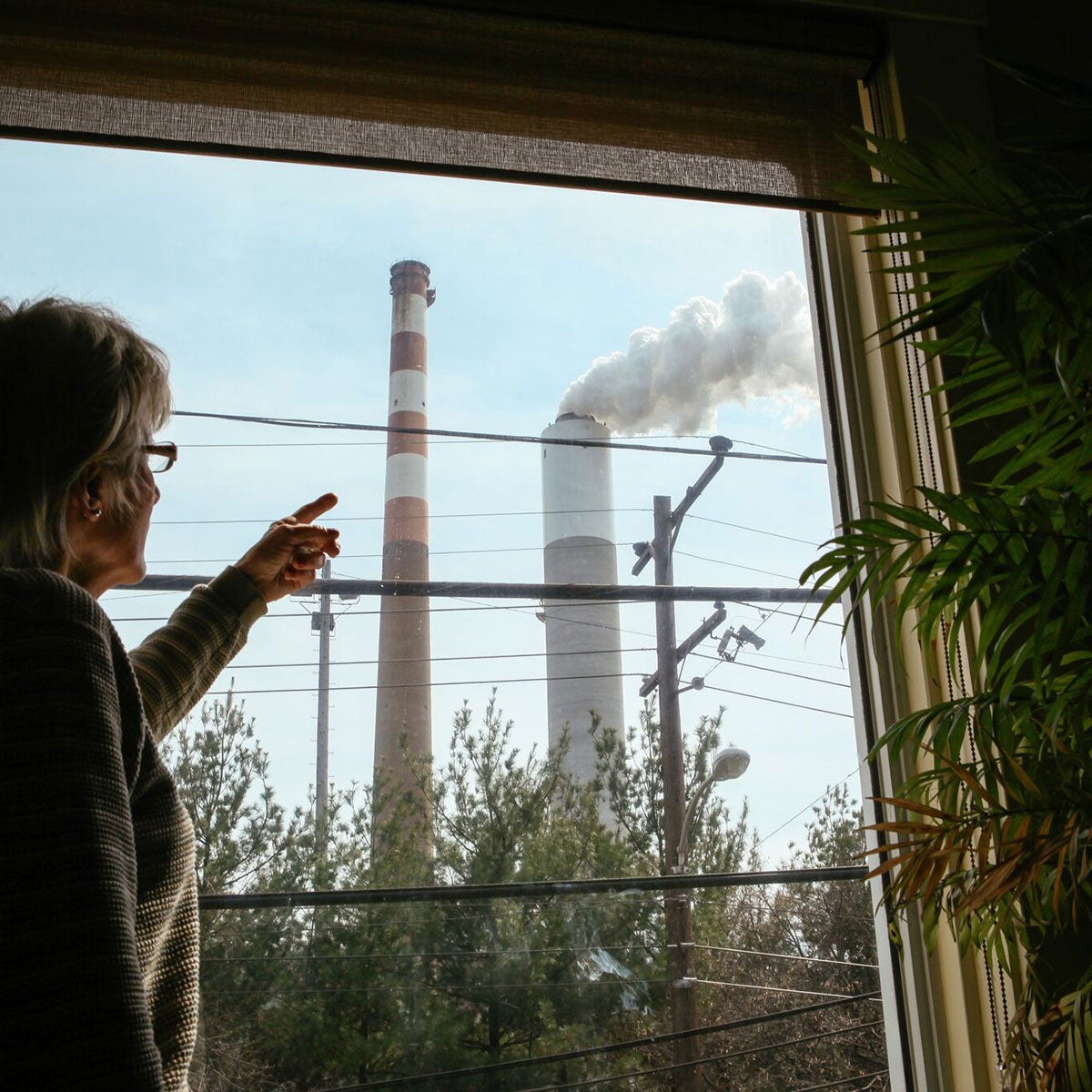
Mercury and Air Toxics Standards
MoreThe Mercury and Air Toxics Standards has decreased dangerous mercury emissions from power plants by more than 80%.
Despite the health benefits of the protections — including saving up to 11,000 lives each year from premature death — polluters and their allies continued to attack the Mercury and Air Toxics Standards.
The Trump administration tried to dismantle the rule, but with representation from Earthjustice, civil rights and environmental groups challenged the rollback in court.
Earthjustice is now pushing the Biden administration to repeal the legal justification that Trump’s EPA used to undermine the Mercury and Air Toxics Standards.
(Photo: Chris Jordan-Bloch / Earthjustice)