Species Targeted by the Aquarium Trade

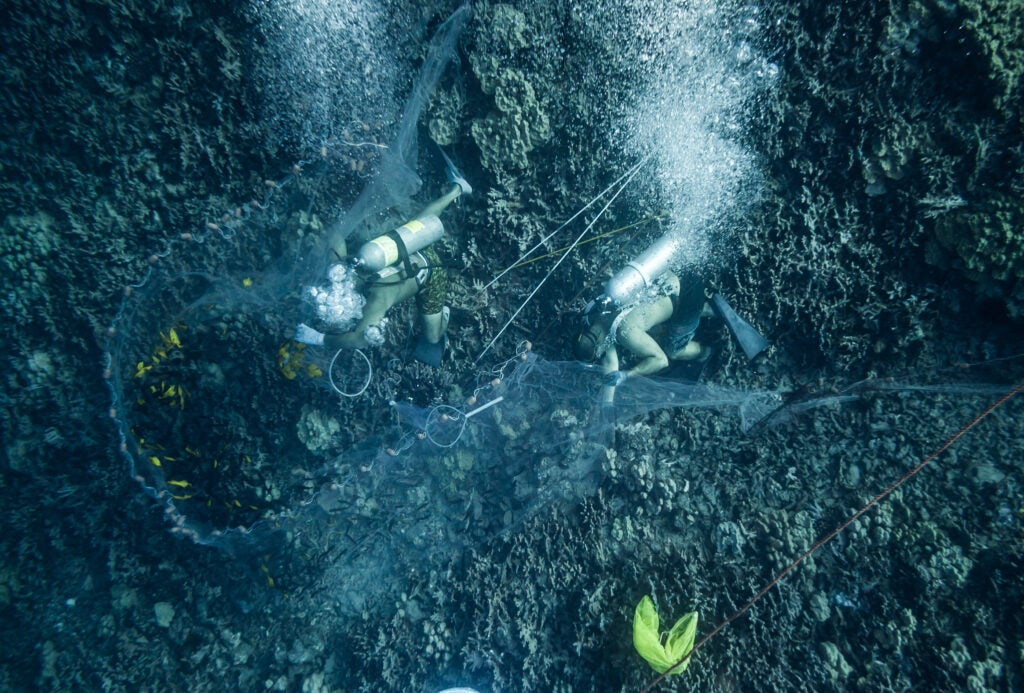
Aquarium collectors capture hundreds of thousands of fish and invertebrates from Hawaiʻi’s reefs every year.
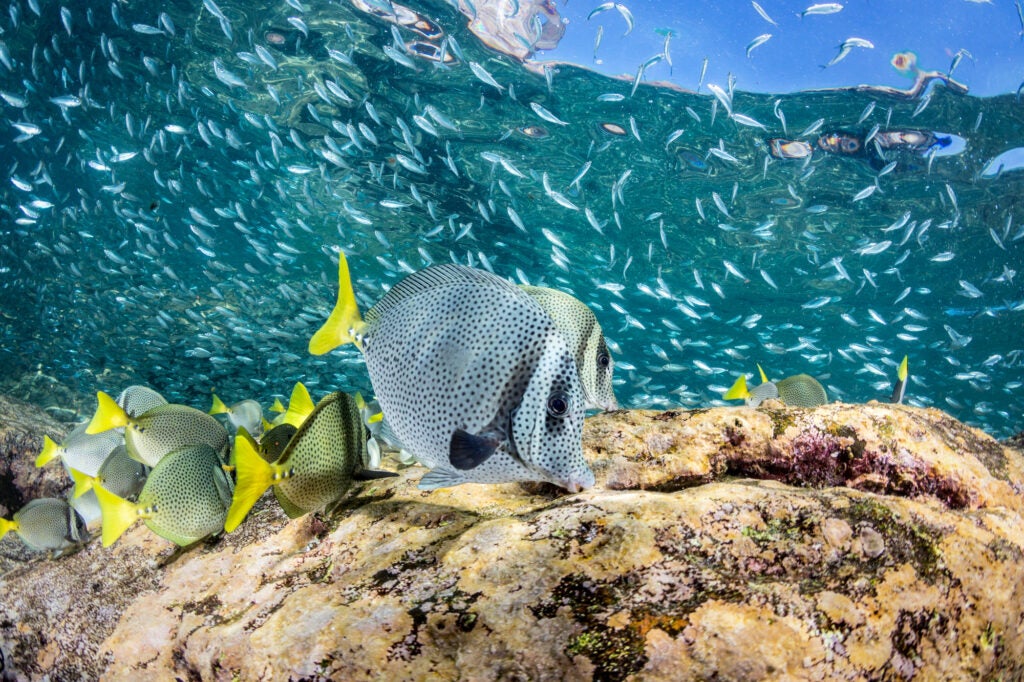
Earthjustice is representing citizens and conservation groups in litigation to require the Hawaiʻi Department of Land and Natural Resources to protect Hawaiʻi’s reefs and coastal areas from unlimited collection of fish and other wildlife for the aquarium trade. Explore photos of some of the species being targeted:


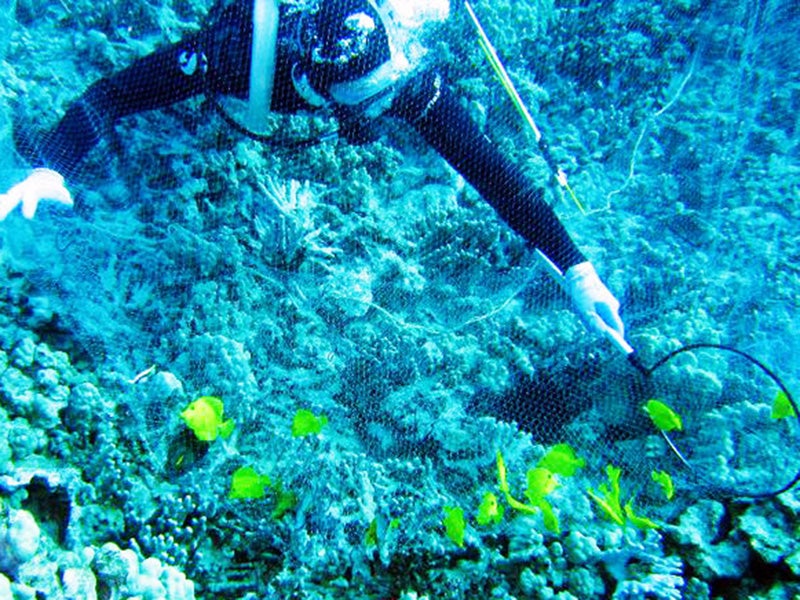
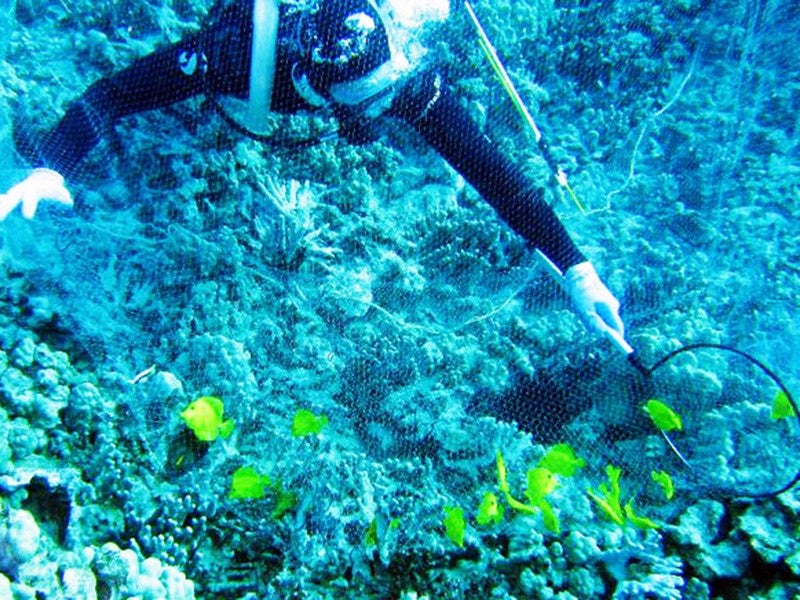
Collecting Fish

Aquarium collector taking fish off of a Hawaiʻi reef.

Aquarium collectors capture hundreds of thousands of fish and invertebrates from Hawaiʻi’s reefs every year.

Photo: © Brooke Everett

Bandit Angelfish

One of the species targeted by the aquarium trade in Hawaiʻi.

Alarmingly, the state's Department of Land and Natural Resources has stated that the hundreds of thousands of fish and invertebrates collected should be considered a minimum estimate because it does not verify the accuracy of submitted catch reports.

Photo: © Robert Wintner Image cannot be reused without the express permission of the photographer.

Harlequin Shrimp

One of the species targeted by the aquarium trade in Hawaiʻi.

The collected animals are primarily herbivorous, reef-dwellers that serve unique functions in the coral reef ecosystem, such as helping to control algae growth.

Photo used with permission.

Yellow Tang

One of the species targeted by the aquarium trade in Hawaiʻi.

Studies have shown that reducing diversity of reef fish and shellfish affects a reef’s ability to respond to stresses or disturbances.

This is vitally important as reefs come under serious pressure from global threats, including climate change and ocean acidification.

Photo: © Robert Wintner Image cannot be reused without the express permission of the photographer.

Flame Angelfish

One of the species targeted by the aquarium trade in Hawaiʻi.

The state Department of Land and Natural Resources has not conducted any studies showing how its policy of handing out permits for the asking will affect Hawaiʻi’s reefs over time.

Photo: © Robert Wintner Image cannot be reused without the express permission of the photographer.

Dragon Eel

One of the species targeted by the aquarium trade in Hawaiʻi.

There is currently no limit on the number of aquarium permits that DLNR can issue and no limit on the number of animals a commercial collector can take under a permit.

Photo: © Robert Wintner Image cannot be reused without the express permission of the photographer.

Hawaiian Cleaner Wrasse

One of the species targeted by the aquarium trade in Hawaiʻi.

Aquarium collection can occur anywhere in the state, except in designated protected areas, but primarily occurs in waters around Oʻahu and along the west coast of the island of Hawaiʻi.

Photo: © Robert Wintner Image cannot be reused without the express permission of the photographer.

Moorish Idols

One of the species targeted by the aquarium trade in Hawaiʻi.

In official reports, DLNR has expressed concern over the increasing number of collectors in the state and the growing number of animals harvested from the reefs by the aquarium trade.

Photo: © Robert Wintner Image cannot be reused without the express permission of the photographer.

Longnose Butterflyfish

One of the species targeted by the aquarium trade in Hawaiʻi.

In October 2012, citizens and conservation groups took legal action to require DLNR to protect Hawaiʻi’s reefs and coastal areas from unlimited collection of fish and other wildlife for the aquarium trade.

Photo: © Robert Wintner Image cannot be reused without the express permission of the photographer.

Blue-lined Butterflyfish

One of the species targeted by the aquarium trade in Hawaiʻi.

“I have done thousands of scuba dives on reefs around the state over the years, and I have seen a noticeable difference in reef health between areas that are open to collection and those where collection is prohibited,” said Rene Umberger, who is a client in the lawsuit.

Photo used with permission.

Teardrop Butterflyfish

One of the species targeted by the aquarium trade in Hawaiʻi.

Rene continues: “DLNR needs to fulfill its basic public duty to examine this practice before issuing permits that allow collectors to remove many thousands of animals from the reefs every year, particularly because of the global stresses reefs are facing.”

Photo: © Robert Wintner Image cannot be reused without the express permission of the photographer.

Hermit Crab

One of the species targeted by the aquarium trade in Hawaiʻi.

The complaint seeks a court order to force the state to comply with the Hawaiʻi Environmental Policy Act’s requirement to examine aquarium collection’s effects on the environment before issuing collection permits.

Photo used with permission.

Moorish Idol

One of the species targeted by the aquarium trade in Hawaiʻi.

“DLNR owes it to the people of Hawaiʻi to take a hard look at the effects of aquarium collection on our coral reefs before it allows these ecologically-valuable animals to be shipped to the mainland for private profit,” said Earthjustice Attorney Caroline Ishida.

Photo used with permission.


More Photo Slideshows:

View photos of Port Clyde fishermen, and learn how they are bringing back a way of life that balances fishing, while maintaining local fish resources in a sustainable way.
For generations, visitors have flocked to the Endless Mountains in Northeast Pennsylvania to enjoy the region's river gateways and quaint rural villages. But the Central New York Oil and Gas Company wants to install an industrial gas pipeline that would replace wooded mountains and pastoral landscapes with 39 miles of pipeline.
Founded in 1998, AIDA is an environmental law organization that protects threatened ecosystems and the human communities that depend on them.
Lake Tahoe's famed clarity has been clouded by increased human activity and urban development that has degraded the lake's air and water quality. Learn more about Lake Tahoe and its history.