
The Kimberley
Anne Poelina
“When the River is healthy, our people are healthy. When the River suffers, our people suffer.”
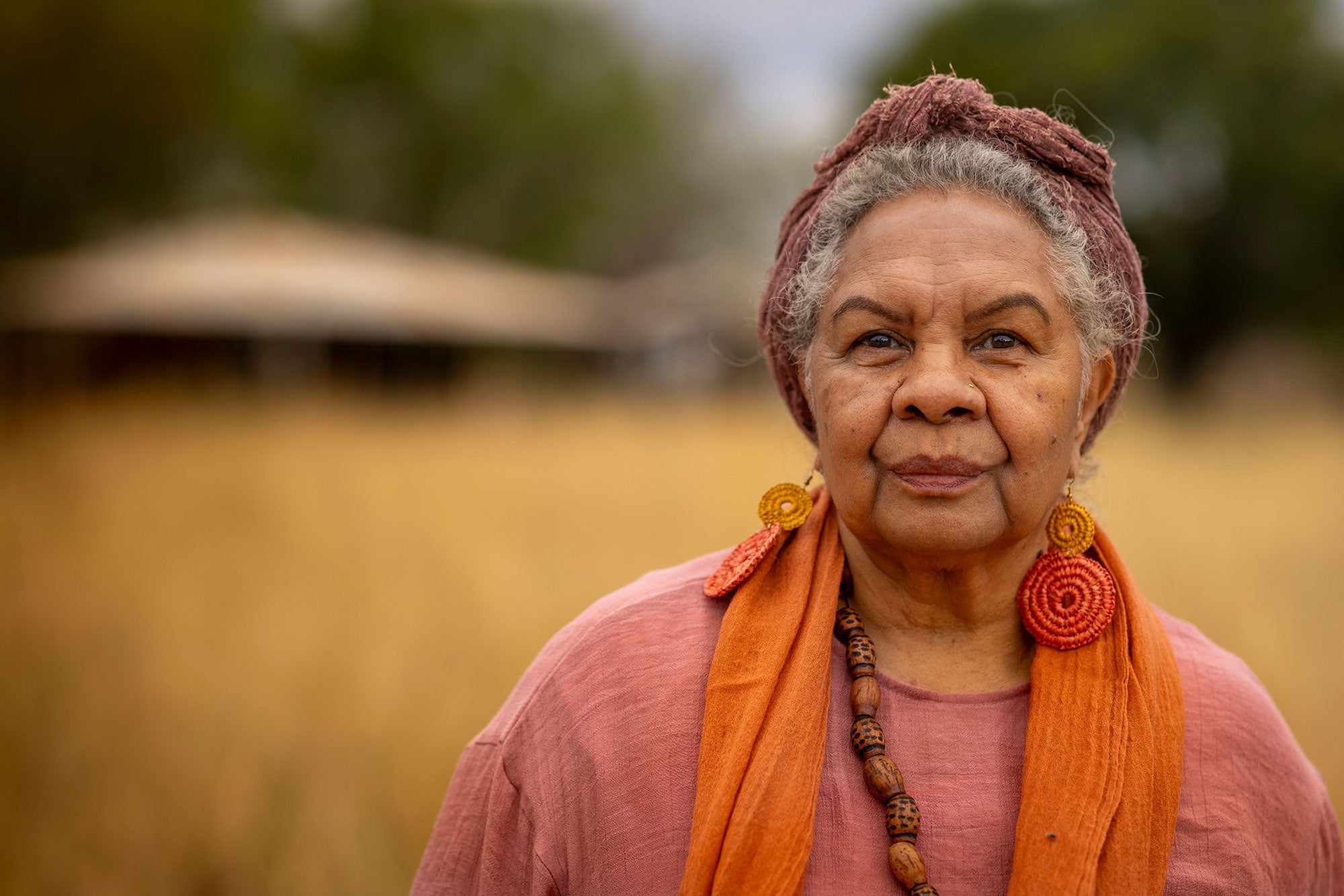
Photographs by Rebecca Parker

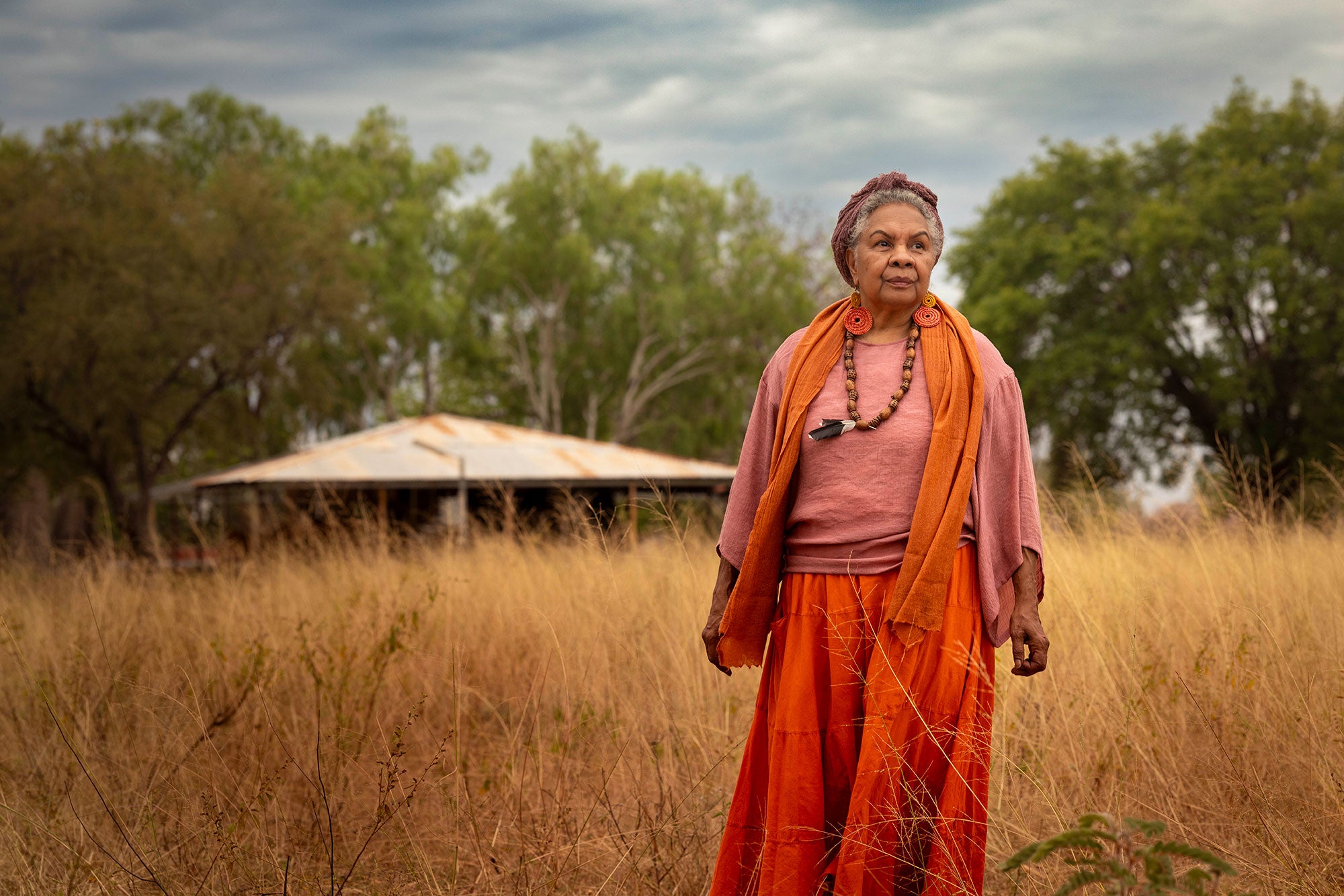
Professor Anne Poelina is a Nyikina Warrwa and Warlungurru woman from the Kimberley region of Western Australia who has spent her life caring for and protecting the Mardoowarra/Fitzroy River, known to her people as the River of Life.
She is a scientist, filmmaker and Chair of the Martuwarra Fitzroy River Council, bringing together Indigenous knowledge, science and law to advocate for the protection of Country and living waters.
After witnessing devastating floods, biodiversity loss and worsening climate impacts across her River Country, Anne is speaking out about the urgent need to protect Country, culture and future generations from climate harm.
“I am a woman who belongs to the Mardoowarra.”
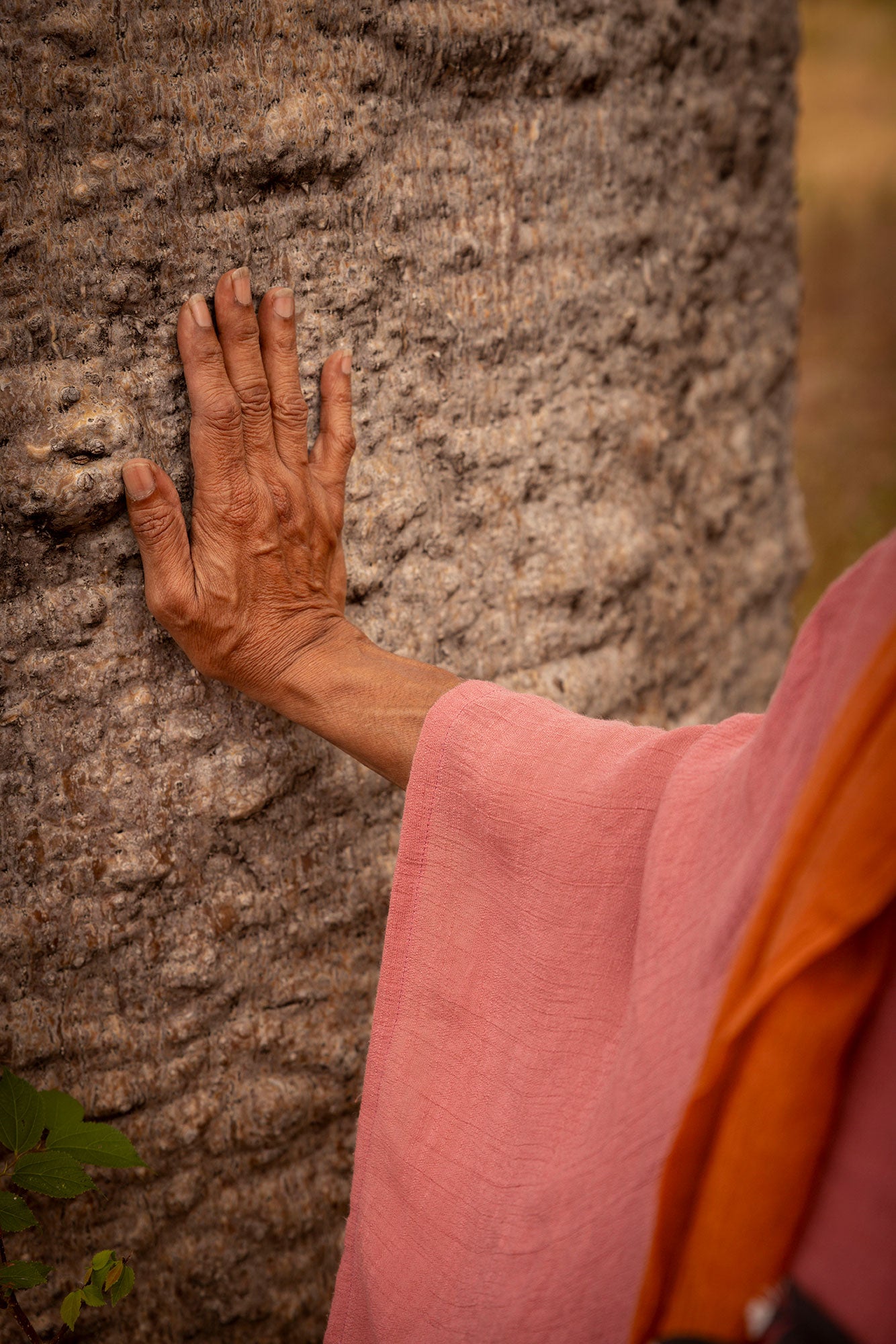
I have spent most of my life on Mardoowarra River Country in the Kimberley, learning from Country and from Elders how to read the sky and the ground, the movement of insects and birds, the behaviour of the boab trees, the colour and sound of the water.
This is not metaphor to us.
It is an ancient system of ecological knowledge and cultural responsibility that has sustained our people for more than 60,000 years.
We belong to the River.
Without a healthy River, we cannot be healthy people with a thriving culture. Everything is connected through what we understand as First Law: the relationship between people, living waters, non-human kin, ancestors and future generations.
Country is changing
Across my lifetime, I have watched Country change dramatically.
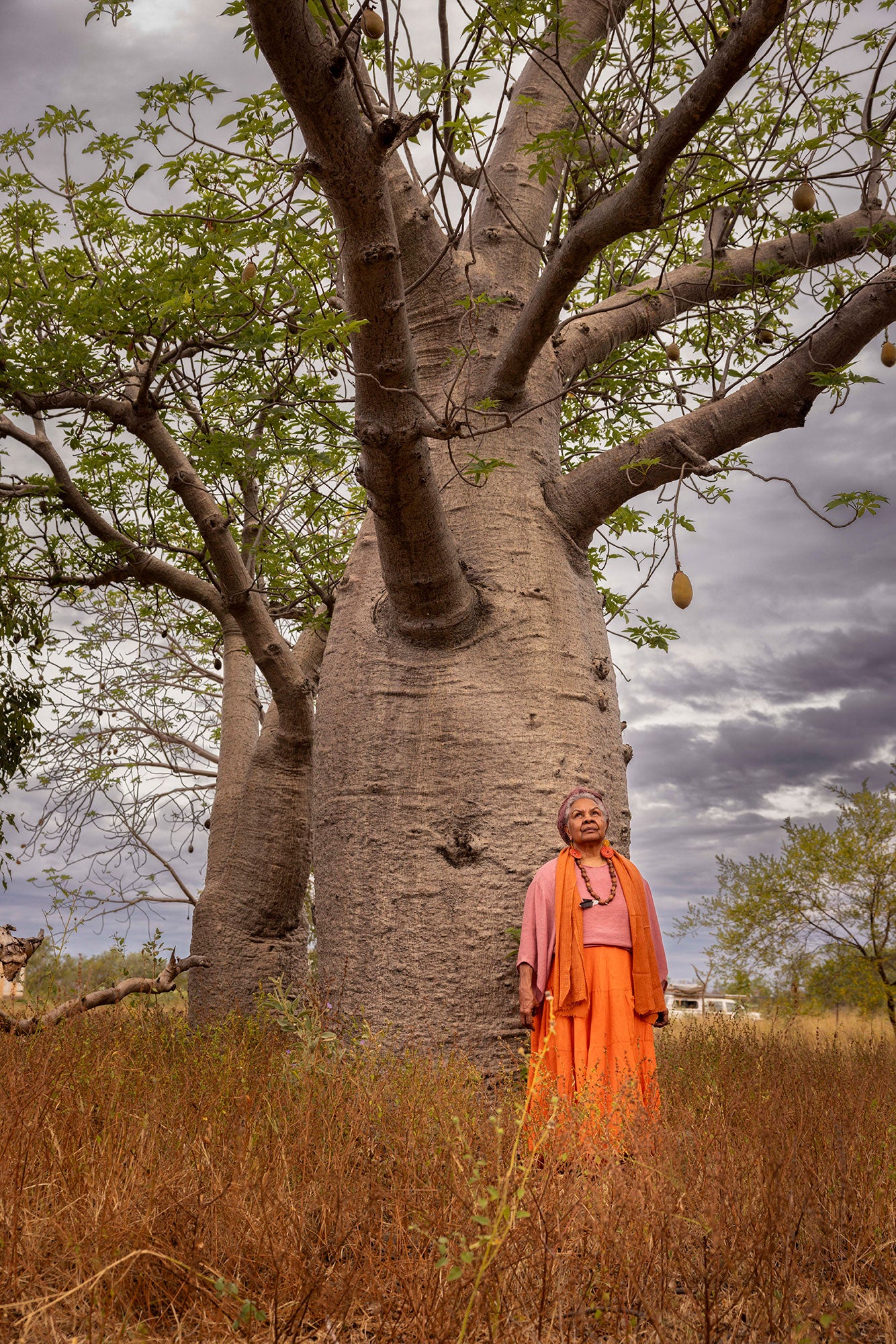
The little bio-indicators that tell us how Country is functioning are increasingly out of balance. Seasons are changing. Species are disappearing. The boab trees, which are deeply embedded in our songlines and cultural practices, are behaving differently because rainfall patterns are shifting.
Animals such as kangaroos, emus and goannas do not appear to be breeding in the same way, making it harder to maintain hunting practices and cultural responsibilities. Fish, freshwater mussels, turtles and medicinal plants that sustain our people through the Mardoowarra’s hybrid economy are also under growing pressure.
I also carry what I describe as climate anxiety and eco-grief.
“Climate anxiety and eco-grief are real and serious conditions. They are conditions that I, and many in my community, are living with every day.”
When these living systems suffer, our people and culture suffer too.
“This is not simply a natural disaster.”
One of the most devastating climate impacts I have experienced was the catastrophic flooding in 2023.
The flooding was unlike anything our Elders had experienced in living memory.
Monitoring stations across the catchment were destroyed, and my home community of Balginjirr went 1.5 metres underwater.
I want people to understand what that meant. Homes, sacred sites, gardens, food plants and the graves of our ancestors were submerged.
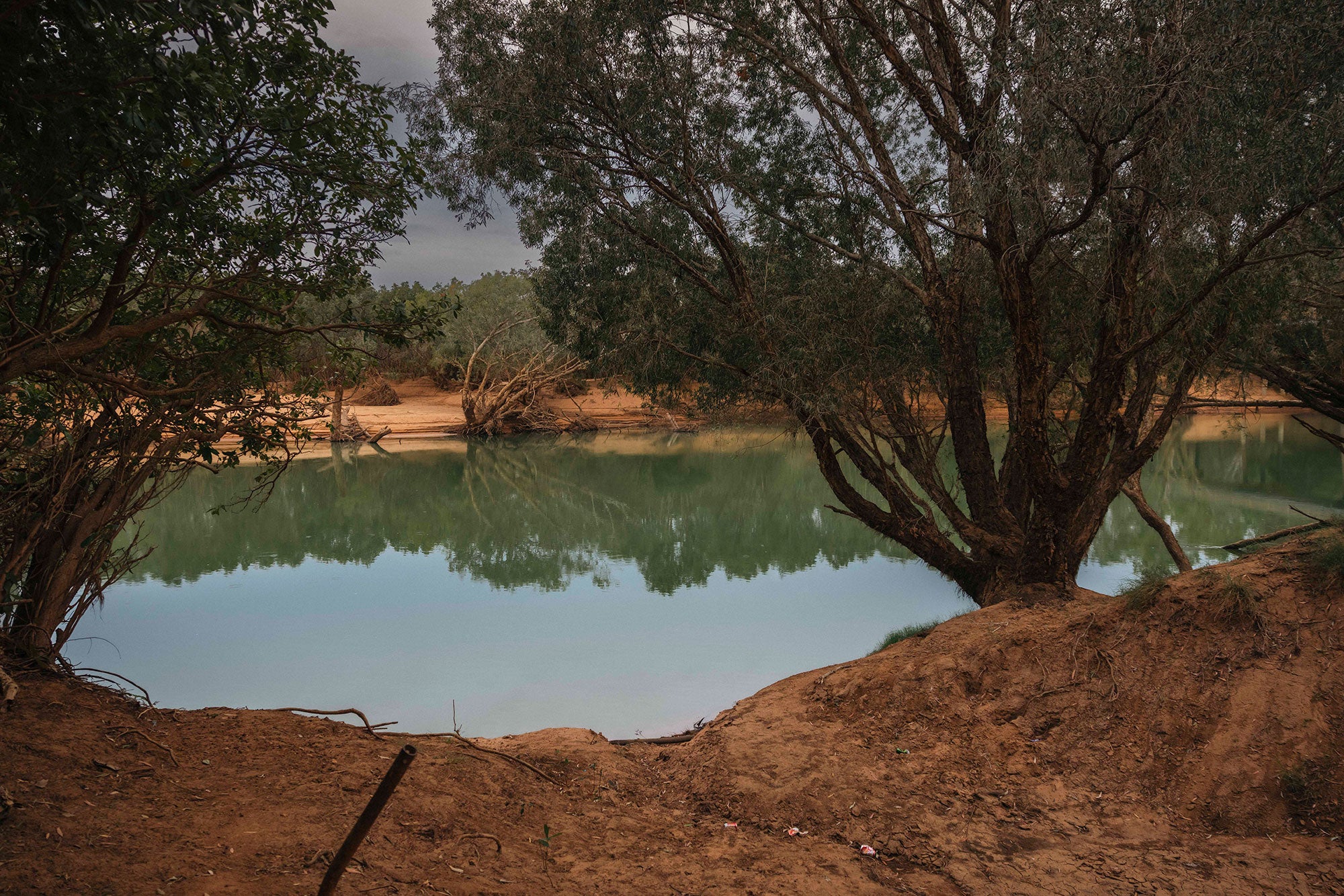
When I first returned afterwards, I remember thinking: “oh my God.” I immediately understood this was not simply a “natural” disaster, but the foreseeable consequence of a warming climate.
The flood forced families from Country.
For our people, you cannot simply relocate a community and expect culture to survive.
Our ceremonies, songs and Law belong to specific places on Country. Cultural knowledge is passed on through practice — by being on Country together, performing ceremony, sharing stories and learning directly from Elders.
The deepest harm
What concerns me most is the intergenerational loss of cultural knowledge.
So much of our knowledge is not written down. It lives through ceremony, story, songlines and being physically present on Country with Elders.
Every year communities remain displaced from Country is another year where knowledge risks being lost forever.
“Disruption to the intergenerational transmission of knowledge is perhaps the deepest harm.”
I carry deep grief watching this disruption unfold.
I worry about Elders passing away before younger generations can inherit this knowledge. I worry about sacred places being permanently damaged and about the loss of biodiversity across the River system.
Why I joined the Hard Truths human rights case
I’m part of this case because I believe the Australian Government has failed to protect my people, my River Country and future generations from foreseeable climate harm.
For decades, I have worked through research, advocacy, storytelling and the Martuwarra Fitzroy River Council to protect the Mardoowarra and raise concerns about fossil fuel expansion, fracking and environmental destruction.
We have made submissions, published research, worked with scientists and brought these concerns to national and international forums.
Yet governments continue approving projects that worsen climate change and destabilise Country.
The harms we are experiencing are not theoretical.
They are lived realities: the flooding of Balginjirr, the displacement of communities from Country, the disruption of ceremonies, the loss of biodiversity and the fear that cultural knowledge held by Elders may disappear before it can be passed on.
I am bringing this complaint because I believe people have a right to life, culture and a healthy environment free from harm.
I want decision-makers to understand that Indigenous peoples are already carrying the impacts of climate change right now, and that protecting Country is inseparable from protecting people, culture and future generations.
I also want my grandchildren to know that I stood up and spoke the truth.
“When I pass away, I want my grandchildren to be able to know that I was a good ancestor and decent human being — that I stood up and spoke the truth.”