
Steve Waters / Getty Images
Bradley Kanaris / Getty Images
Jo-Anne McArthur / We Animals
Our Legal Case
We are 10 Australians who have lodged a human rights case against the Australian government before the United Nations Human Rights Committee.
We are asking the Committee to declare it is unlawful for Australia to continue approving coal and gas exports without a plan to prevent dangerous climate harm and keep people safe.
What does our case argue?
We argue the Australian government has a legal duty to protect people from climate harm. Climate harm is foreseeable and already happening across Australia.
Yet our government is continuing to approve and subsidise coal and gas projects. It is excluding coal and gas exports from Australia’s climate policies and failing to align its climate pollution decisions with global goals to limit catastrophic global warming.
We argue this is inconsistent with Australia’s obligations under international human rights law.
As a result, our government is failing to protect our human rights, including:
- the right to life
- the right to family and home
- the rights of First Nations peoples to practice Culture
The harm is foreseeable. The danger is clear. The Australian government has the power to act. The law requires it to do so.
Why do exports matter?
Around 80% of the coal and gas mined in Australia is sent overseas to be burned.
Australia is now one of the largest exporters of coal and gas in the world. Because the pollution is shipped overseas, Australia excludes it from our climate policies and targets. As if it doesn’t count.
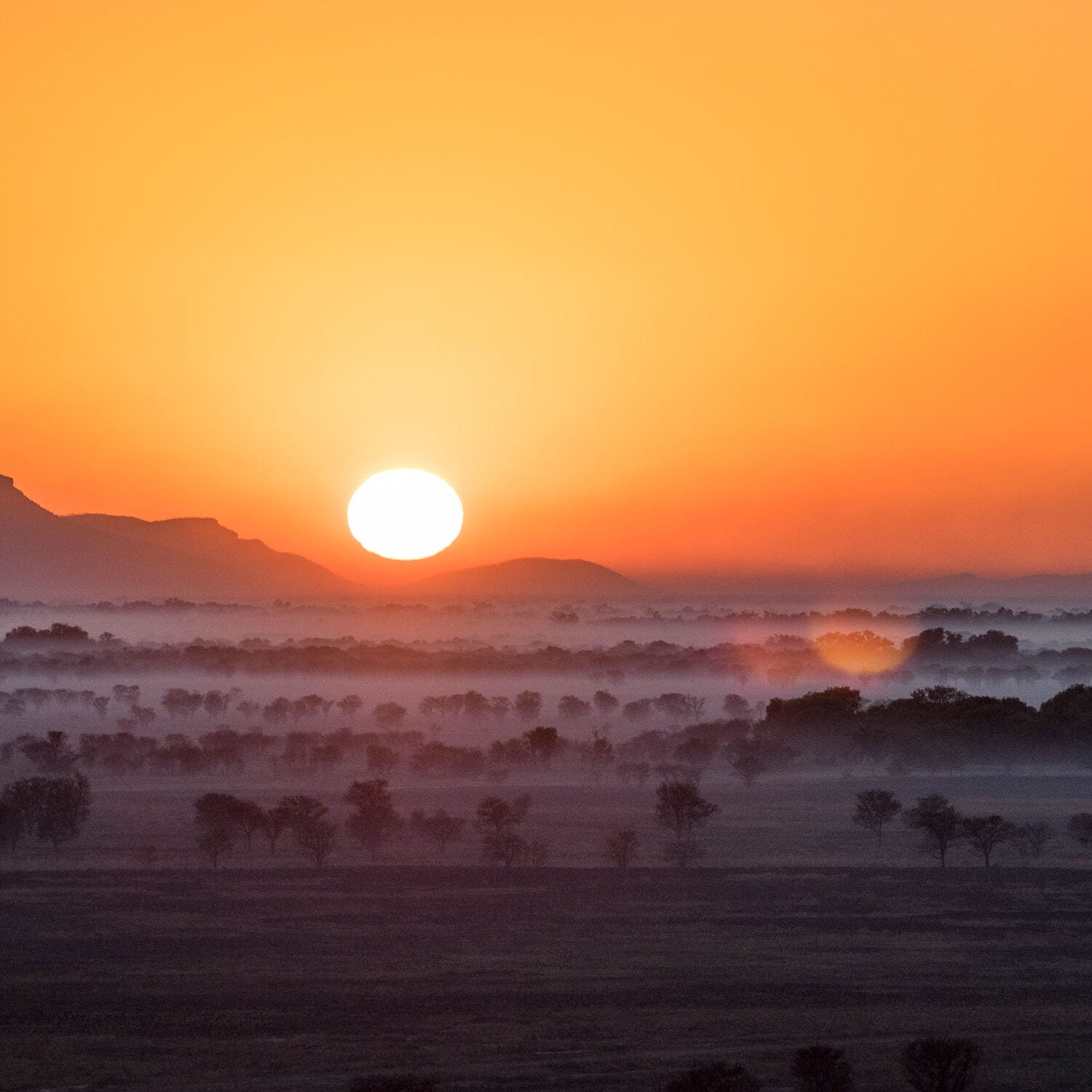
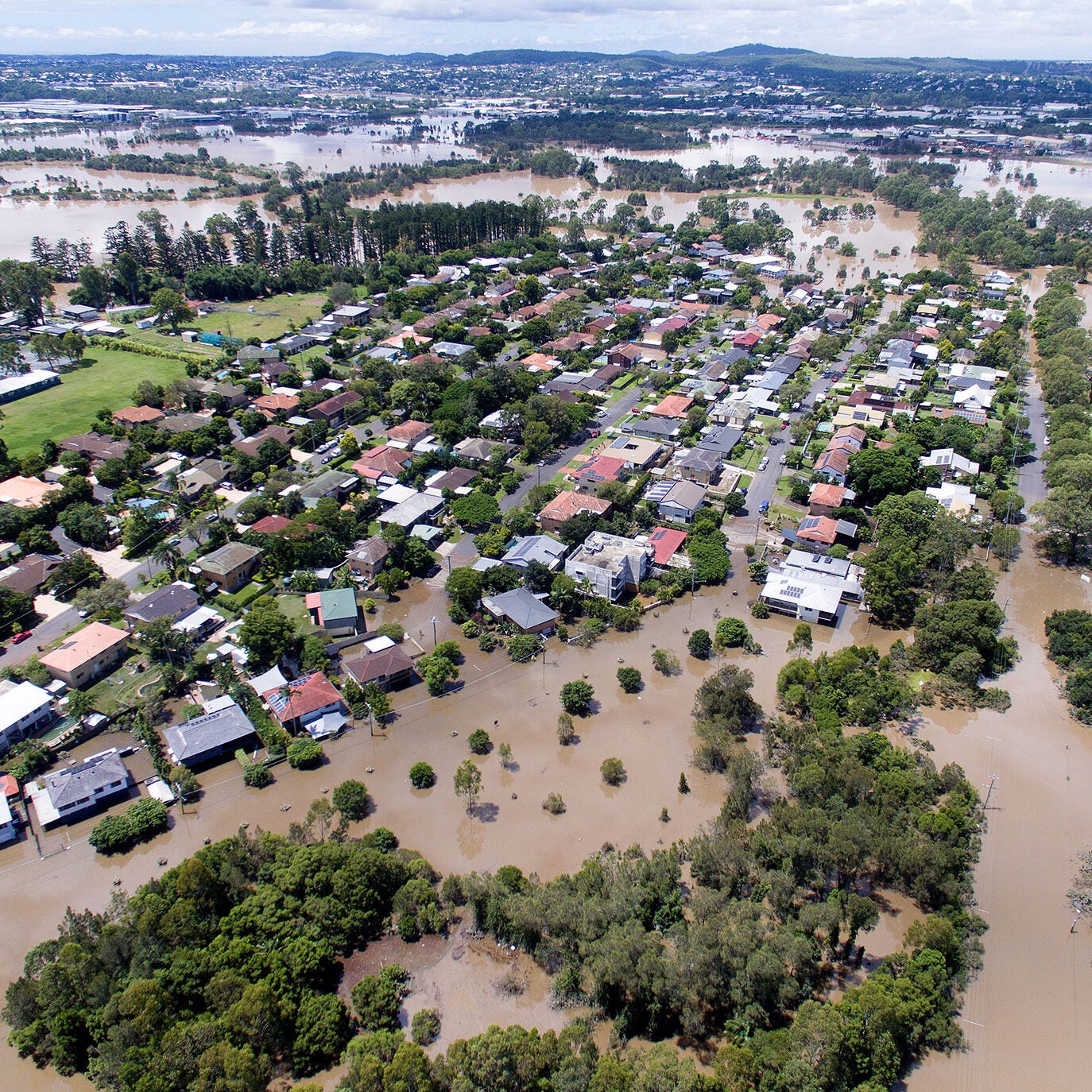
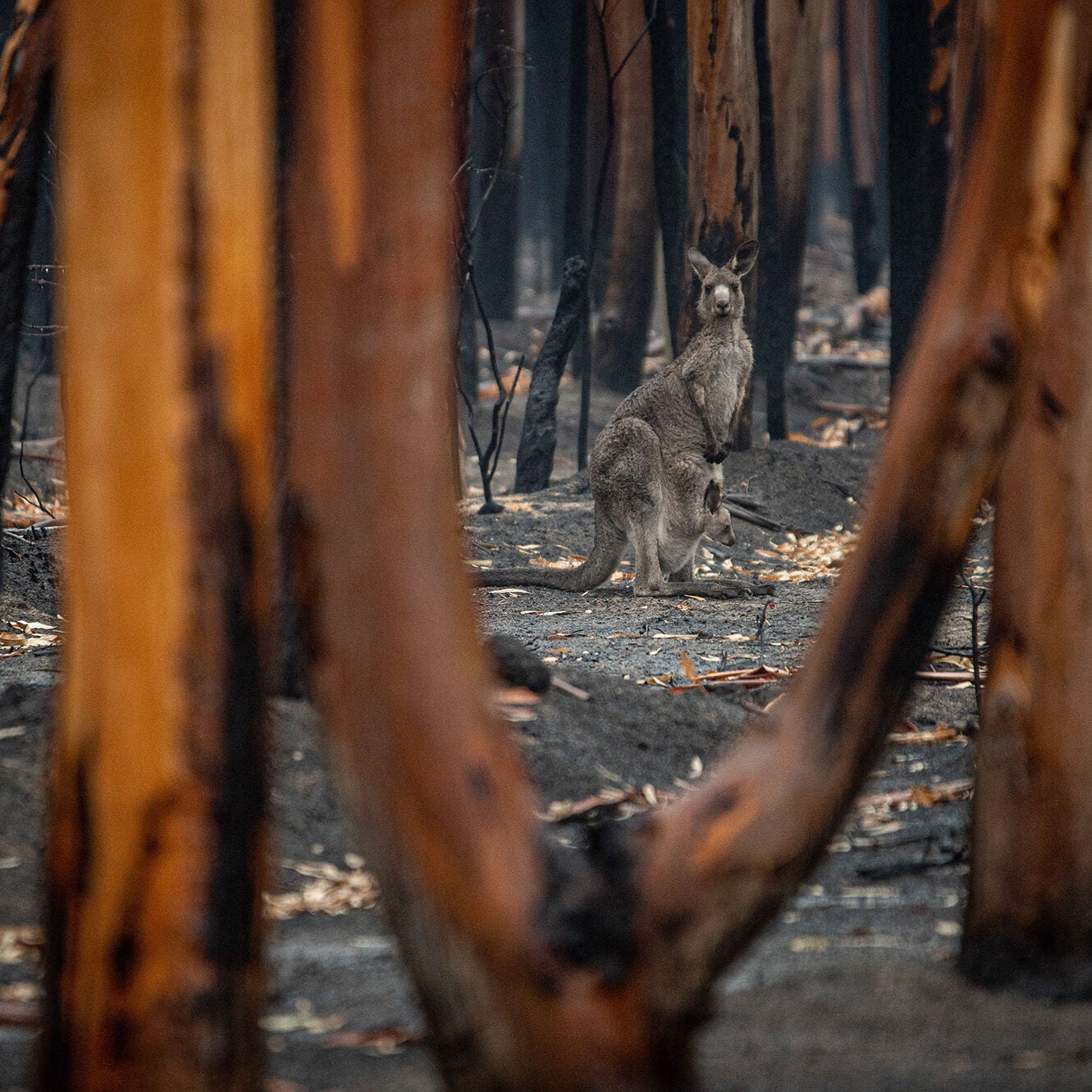
But the harm does not stay overseas. It returns to us as fires, floods, rising seas, toxic algal blooms and extreme heatwaves.
Our case argues Australia cannot avoid responsibility for the climate pollution linked to decisions it makes about coal and gas simply because it is burned overseas.
Why is this significant?
This is the first international legal claim brought against the Australian government for its responsibility for harm linked to its coal and gas exports.
It is also the first claim before the United Nations since the International Court of Justice confirmed that countries have legal obligations to prevent significant harm to the climate.
Our evidence
Our case is supported by testimonies from each of us detailing the profound impacts of climate harm because of our government’s actions.
Expert evidence from leading scientists shows this harm is foreseeable and preventable. This includes:
- A report from Professor Wim Thiery that links recent extreme weather events that have occurred in Australia to climate change.
- A report from Dr Dan Calverley and Professor Kevin Anderson which concludes that Australia’s future projected fossil fuel exports do not come anywhere close to being aligned with the global carbon budget for limiting warming to 1.5°C.
- A report from Professor Perran Cook that demonstrates how the South Australian algal blooms are linked to climate change.
- A report from Dr Andrew Watkins which links flooding events in Australia to climate change.
- An expert opinion of Dr George Crisp on the health impacts from extreme heat.
What are we asking for?
In July 2025, the International Court of Justice confirmed that international law firmly recognises that governments have a responsibility to use all means at their disposal to prevent significant and foreseeable harms to their people from climate pollution.
We are asking the United Nations Human Rights Committee to recognise that Australia’s contributions to climate pollution through its coal and gas exports are violating our human rights.
We have asked the Human Rights Committee to declare it is unlawful for Australia to continue approving coal and gas projects for export without a plan to keep Australians safe from dangerous climate change.
We have asked the Human Rights Committee to recommend that the Australian government:
- Review Australia’s climate pollution decisions — including the coal and gas Australia sends overseas — to ensure they are consistent with legal obligations and global goals to limit catastrophic global heating.
- Develop a plan to reduce climate pollution from burning Australia’s coal and gas in line with global goals to limit dangerous climate change.
- Pause approvals for coal and gas for export until that plan is in place.
More specifically, we are calling on the Australian government to:
- Stop making the problem worse by saying yes to coal and gas corporations.
- Stop subsidising coal and gas companies making the climate pollution that's harming Australians
- Develop a credible plan to phase out coal and gas, including what we send overseas, to save lives and protect communities.
What is the United Nations Human Rights Committee?
The United Nations Human Rights Committee is an independent body of experts that monitors how countries meet their obligations under one of the major international human rights treaties, the International Covenant on Civil and Political Rights — which Australia has agreed to follow.
The Committee provides a pathway for people to bring legal claims when they believe their government has breached their human rights.
The Committee reviews evidence and submissions from both the claimants and the government, considers evidence including expert reports, and assesses whether the government has met its human rights obligations.
If it finds a breach, the Committee can make formal findings and recommend actions the government should take.
Its decisions are not directly enforceable like a domestic court order, but they carry significant legal and international weight. Governments are expected to respond to the Committee’s findings and recommendations.