
Sunshine Coast Hinterland
Barry Traill
“The rules have changed when it comes to bushfires.”
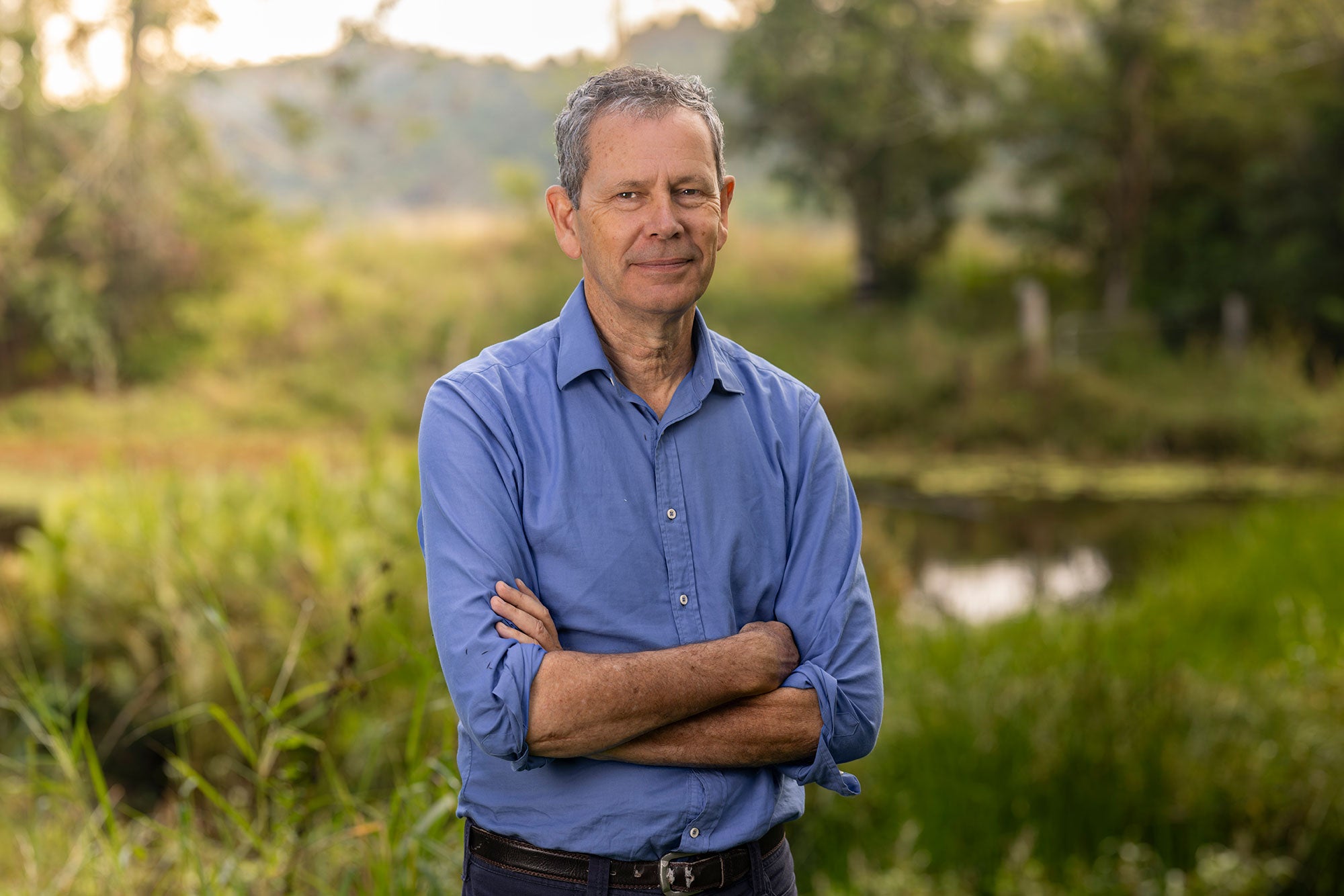
Portraits by Rebecca Parker

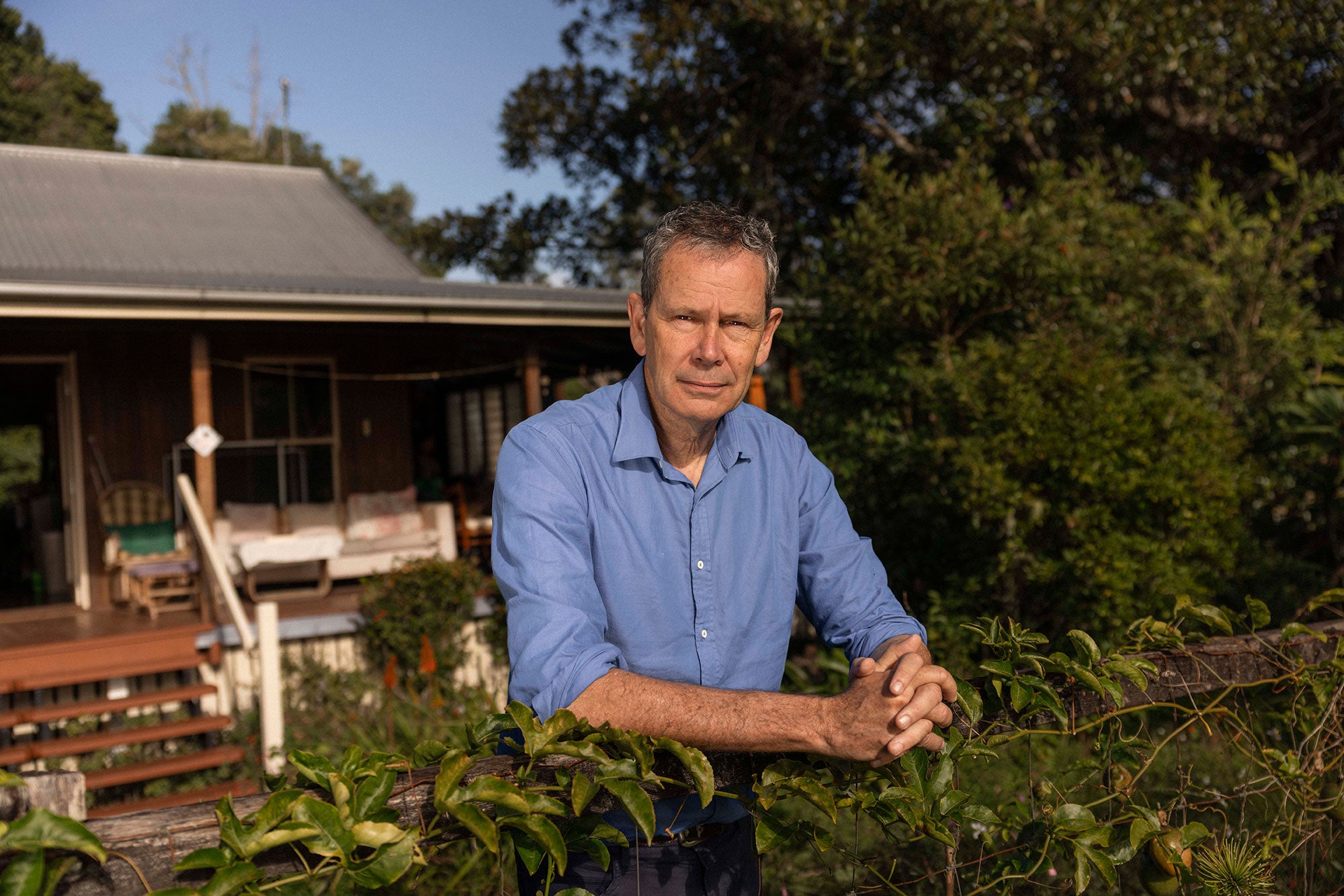
Dr Barry Traill AM is a wildlife ecologist, conservationist and volunteer firefighter who has spent more than four decades working across Australian forests, wildlife habitats and fire-prone landscapes.
Growing up in Gippsland, Victoria, and now living on Queensland’s Sunshine Coast, Barry has watched bushfires become more severe, deadly and unpredictable over his lifetime.
Through his scientific work and lived experience, Barry is speaking out about the escalating human, ecological and emotional toll of climate change and the urgent need for governments to stop expanding fossil fuels.
Fighting fires that no longer follow the old rules
Growing up in the bush, fires were always part of life. We understood them as part of the ecology and assumed if you were sensible and prepared, you could survive them.
That changed over my lifetime.
As both a scientist and firefighter, I’ve watched bushfires become more severe and deadly every decade.
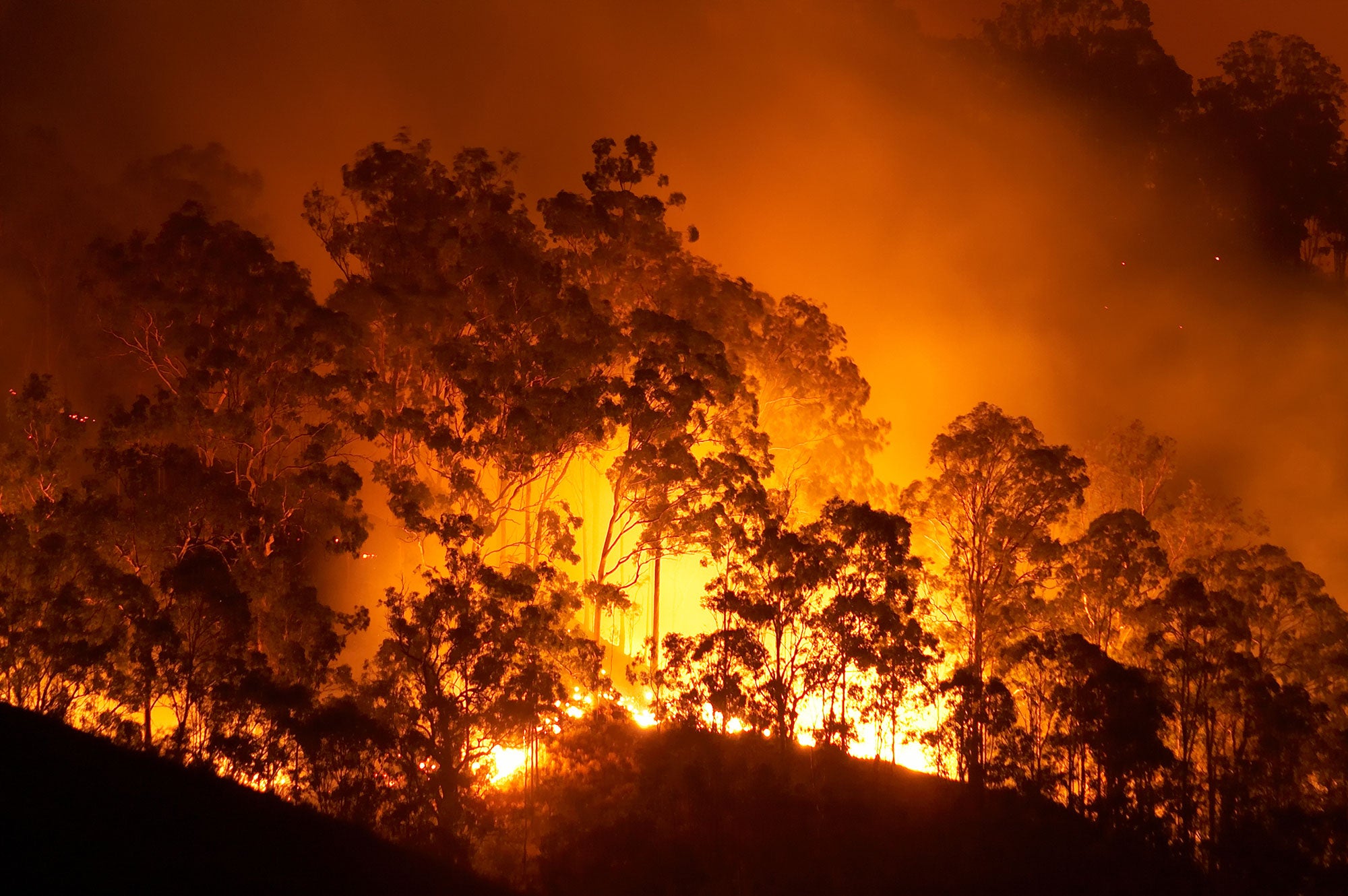
In 2003, fires tore into suburban Canberra in ways that felt unprecedented at the time. Then in 2009, during the Black Saturday fires, 173 people were killed in one day of fire. Two friends of mine and their partners died that day, despite being experienced and prepared.
That deeply changed me. It became clear that the old rules around fires and survival no longer applied.
Black Summer
By 2019, conditions had worsened even more.
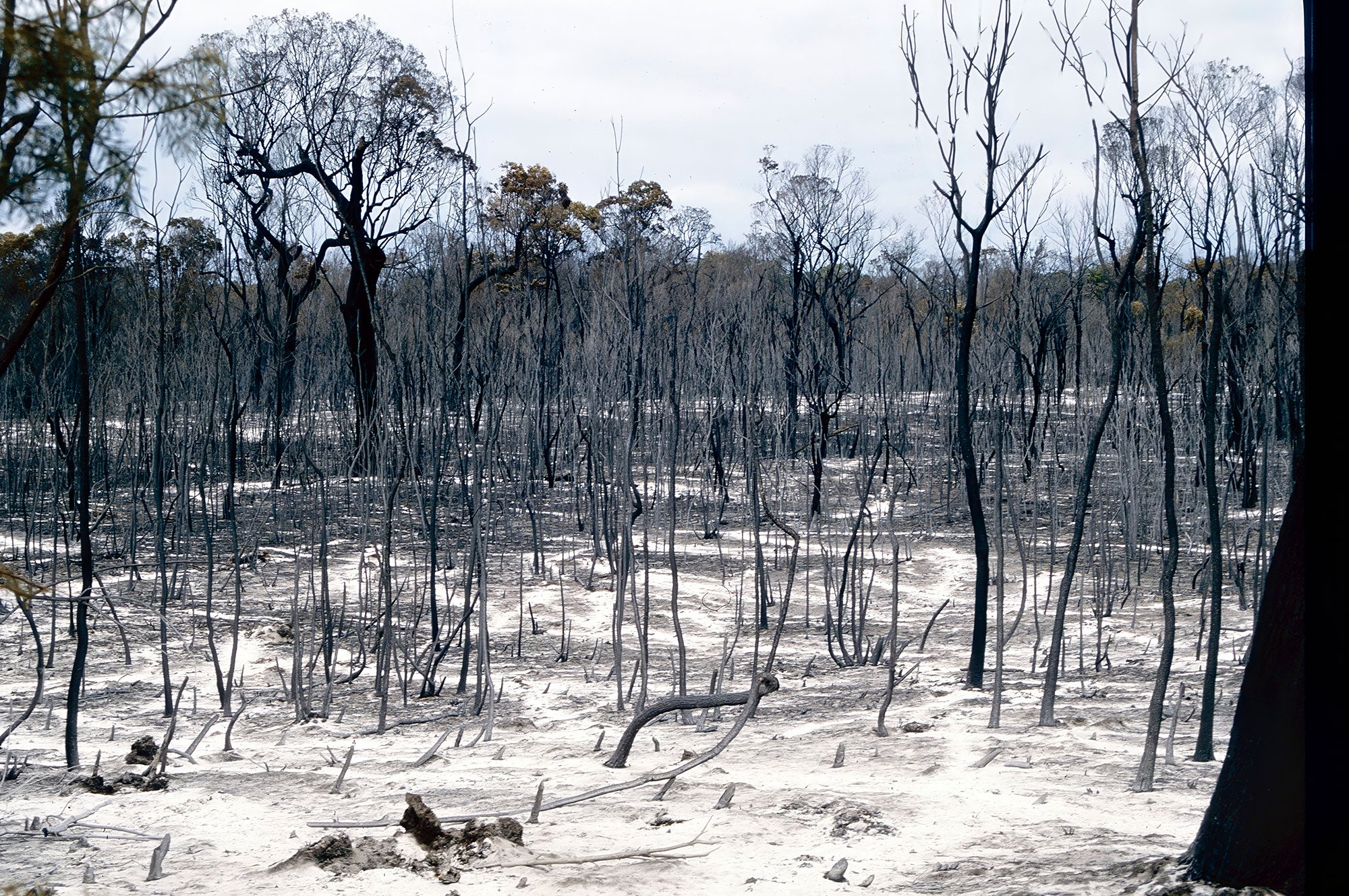
By 2019, conditions had worsened even more. I was serving with the Queensland Rural Fire Service as a volunteer during the catastrophic Black Summer fires, fighting fires for months in Queensland through an unprecedented catastrophic fire season.
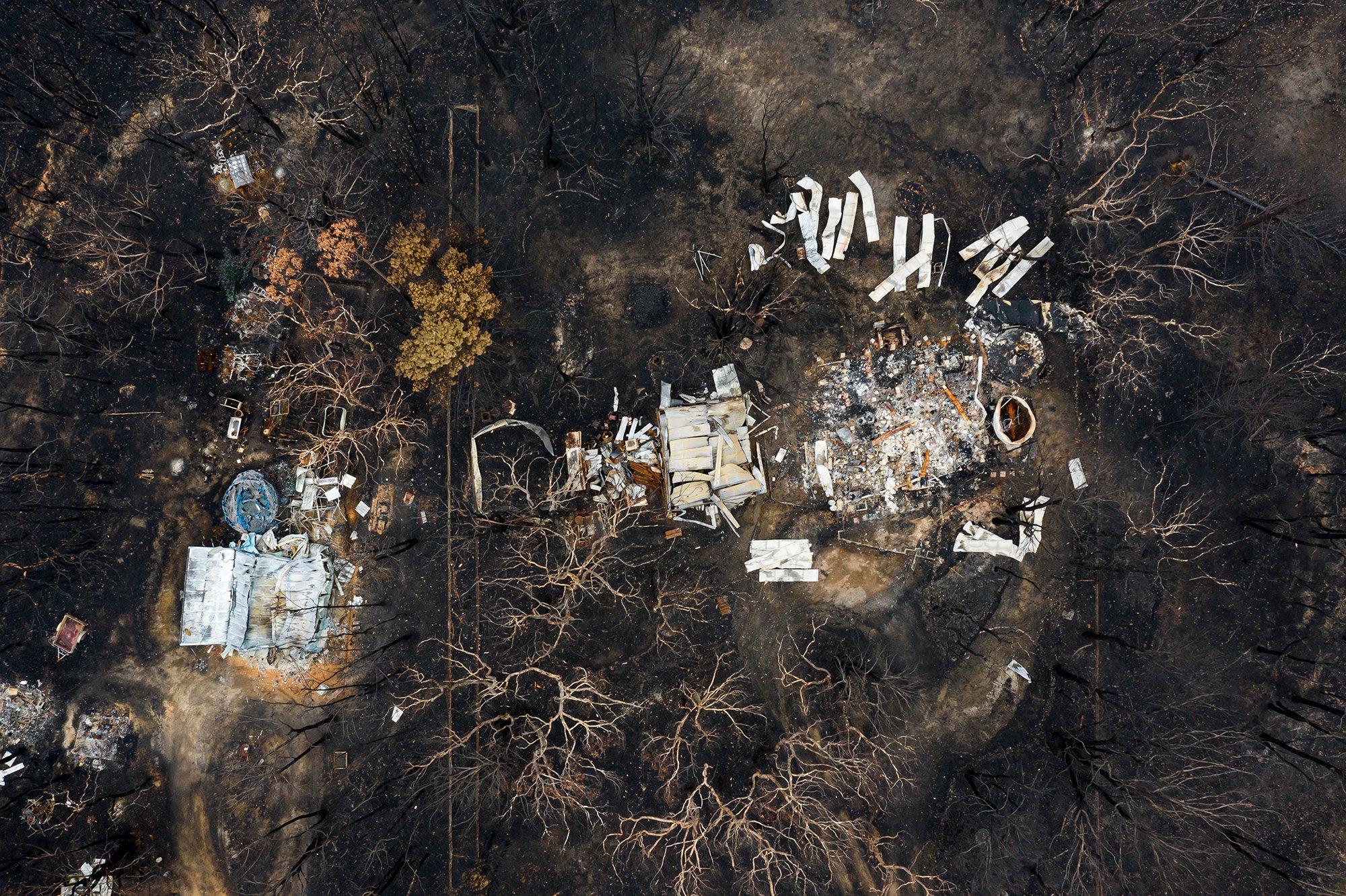
Then, in February 2025, I was deployed to the small village of Wyndham on the New South Wales Coast, where local firefighters and residents were completely exhausted after weeks of severe fire activity.
I still vividly remember arriving and being told our role was to defend key infrastructure — the store, the school and the fire station. I asked about protecting any remaining residents and protecting houses. The exhausted fire boss said, “That’s their call to stay.”
“Our job was to protect the store, the school, and the fire station.”
That time of grim reality has stayed vividly with me because it captured how stretched and overwhelmed emergency services had become.
Towards the end of that deployment, a burning tree collapsed onto our fire truck. Thankfully I and others escaped unharmed, but afterwards I experienced emotional breakdowns and ongoing trauma linked to that event and the exhaustion of that summer.
“The country I grew up in has changed.”
As an ecologist, I also see the broader picture.
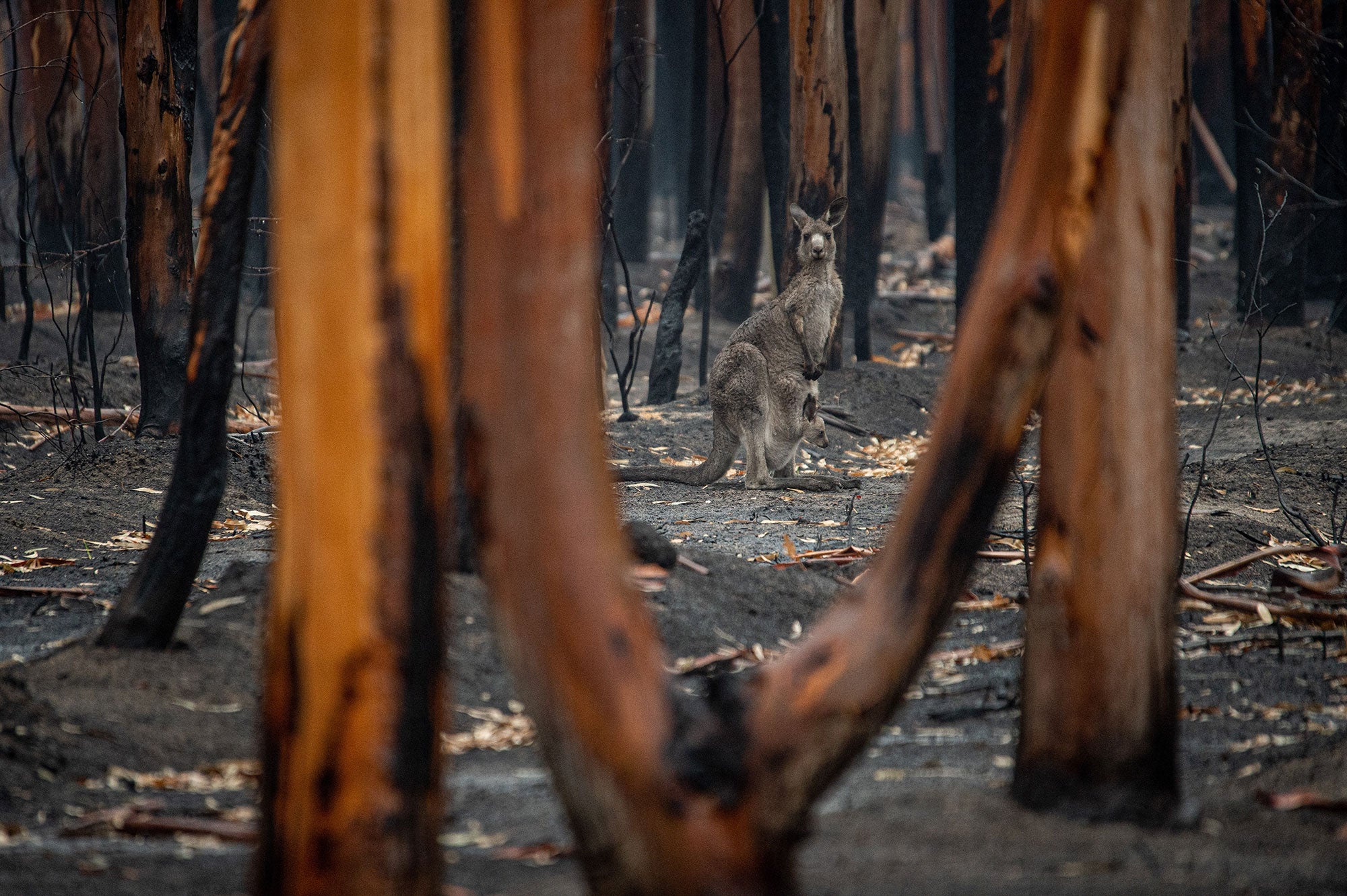
Fires, floods, droughts and extreme heat are all intensifying across Australia. Places I’ve worked in for decades are changing rapidly, species are under growing pressure to survive, and landscapes I once knew intimately are becoming unrecognisable.
"As a scientist, I know many animals and their habitats will not survive unchecked climate change.”
Why I joined the Hard Truths human rights case
I’m part of this case because I believe Australians are already being harmed by climate change, and governments are allowing coal and gas companies in Australia to increase their pollution.
I’ve seen the impacts firsthand as a scientist, firefighter and community member. I’ve felt and seen people killed and injured, communities lost, ecosystems begin to collapse, exhausted firefighters, and communities increasingly hit by disasters that are becoming more extreme because of increasing climate pollution.
Australia is one of the world’s largest fossil fuel exporters, and governments continue approving new coal and gas projects despite knowing the harm this pollution causes.
I want decision-makers to understand that climate change is not a future problem — it is already killing people and hurting lives, landscapes and communities across Australia right now.
“I believe the most fundamental duty of a government is to protect its citizens from harm wherever it can. As a citizen who deeply believes in democracy, I think it’s appalling that successive Australian elected governments have failed to act decisively on climate change.”