Brisbane
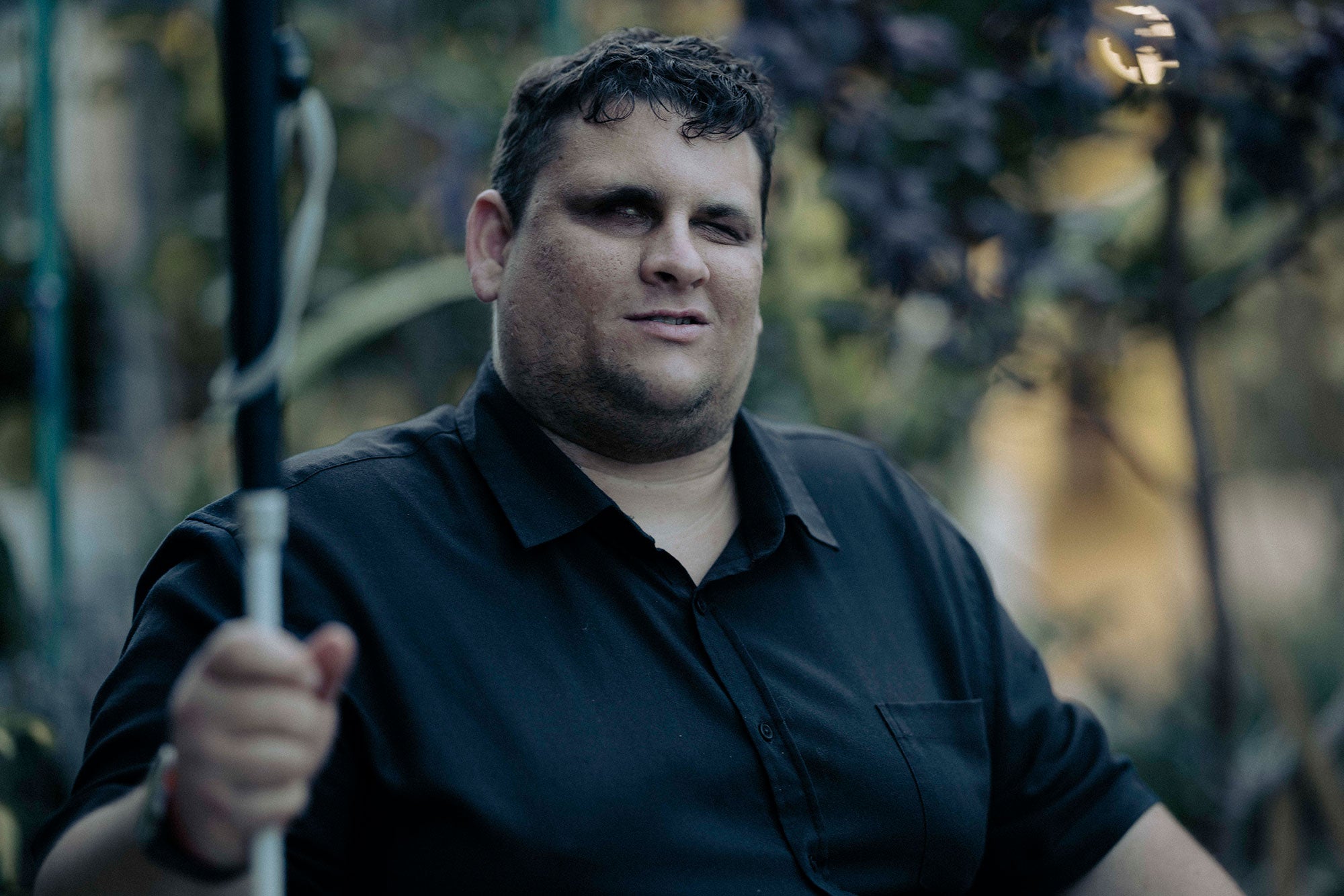
Brendon Donohue
“Not knowing whether I could get out of the building was terrifying.”
Portraits by Rebecca Parker

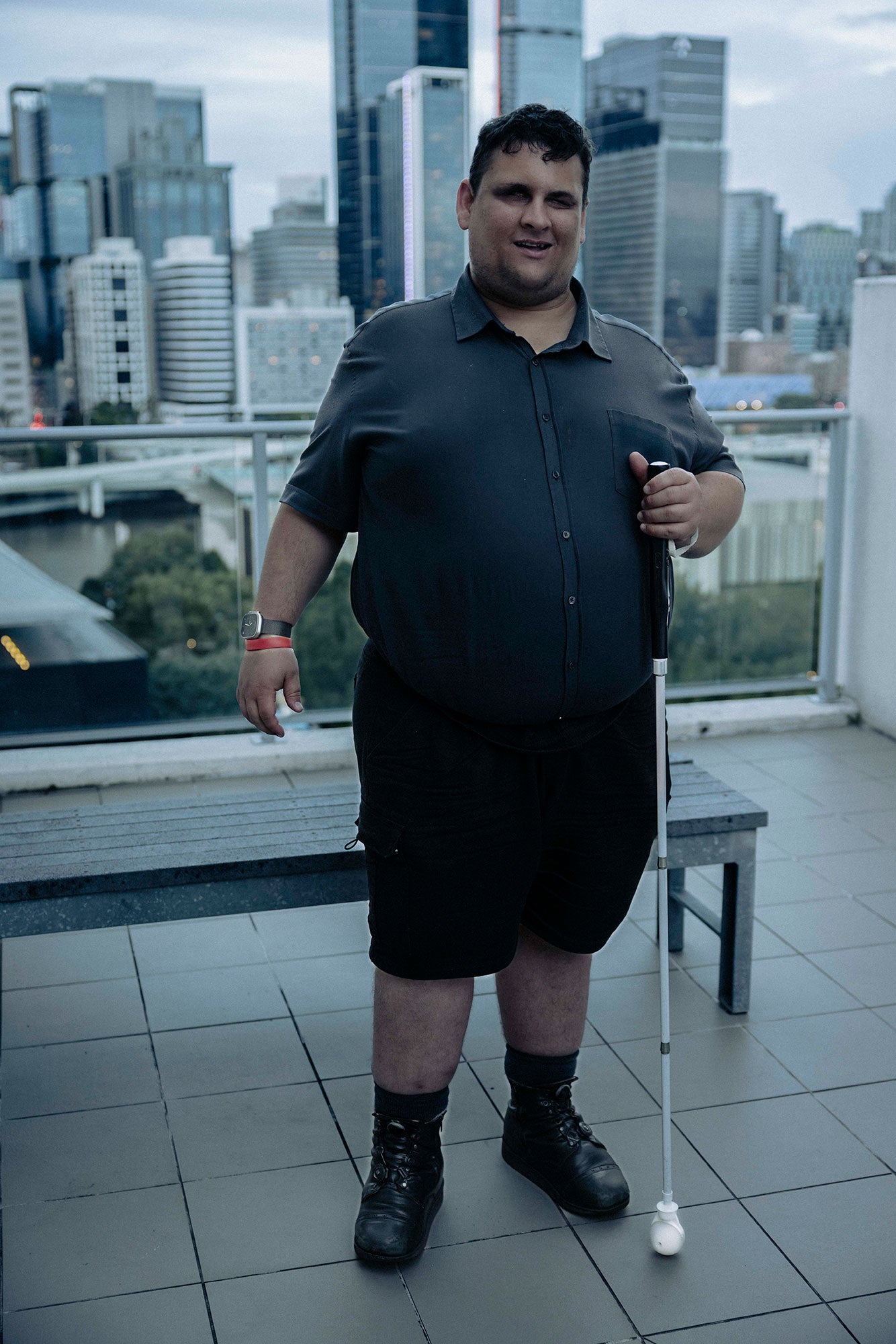
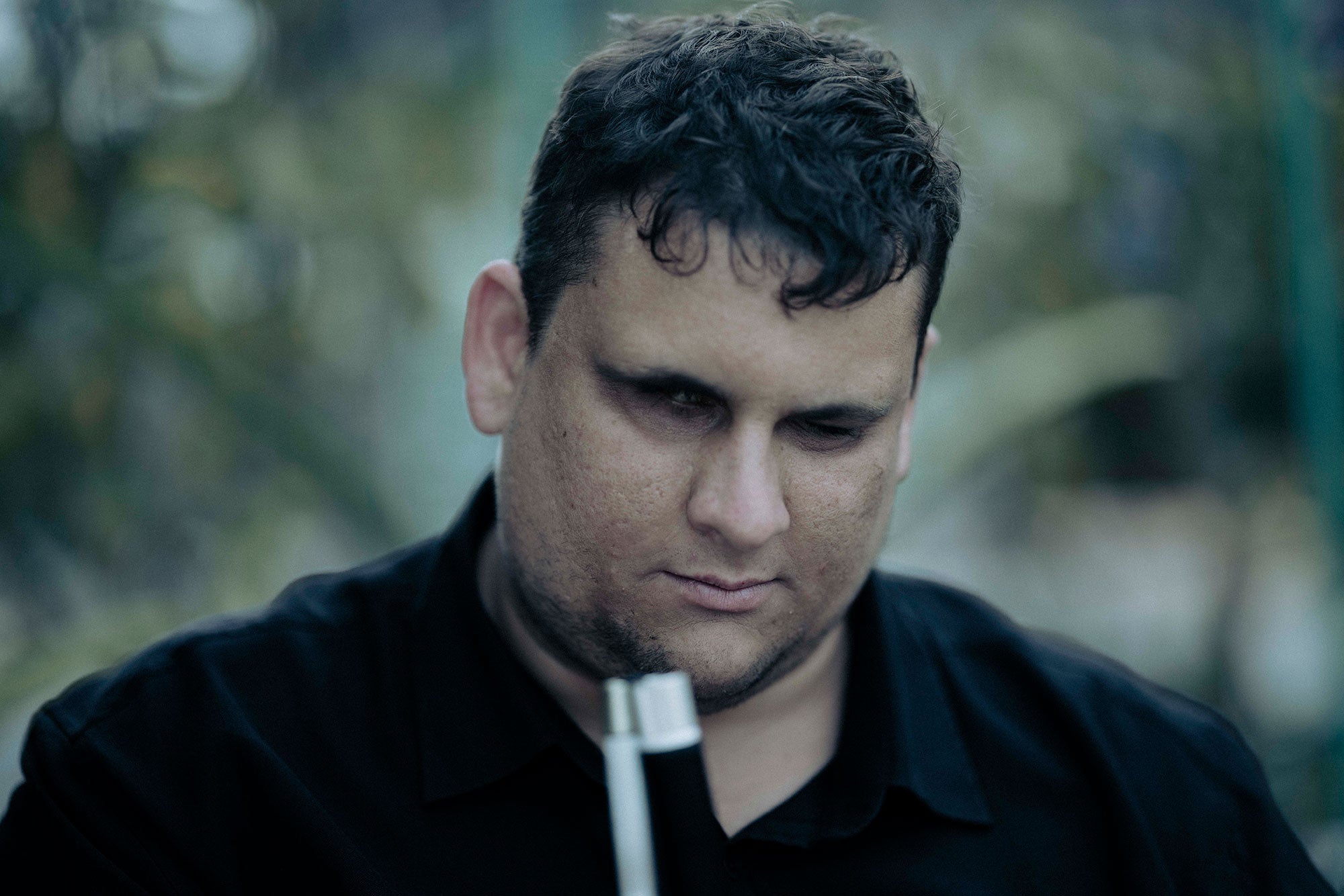
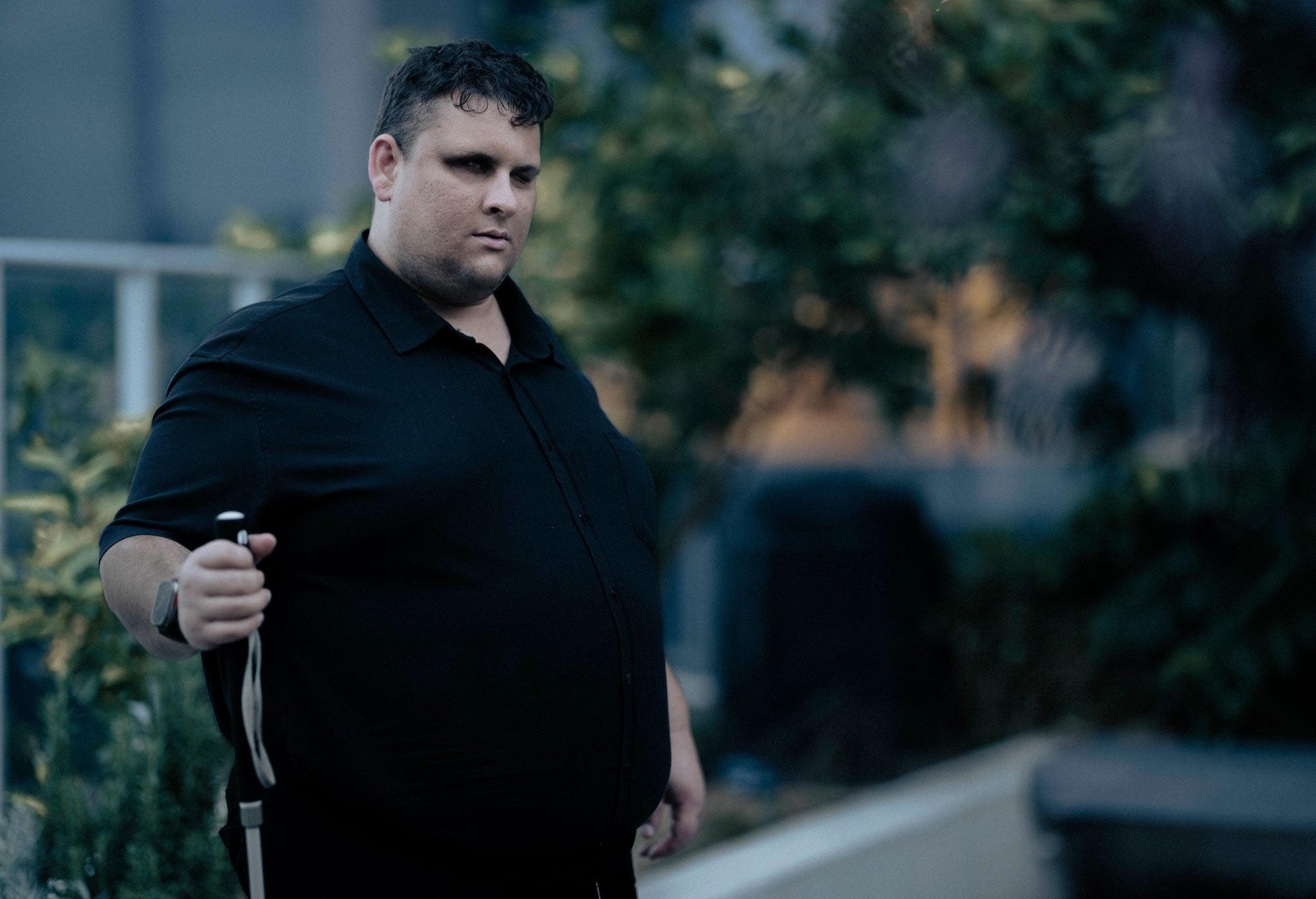
Brendon Donohue is a disability and climate advocate from Brisbane living with blindness, glaucoma and Peters Plus Syndrome.
For years, Brendon has advocated for people he describes as “falling through the cracks in social and government systems.”
But during the 2022 Brisbane floods, he found himself trapped alone in his apartment building for 10 days after floodwaters shut down his building’s lifts, intercom and exists.
Through his lived experience, Brendon is speaking out about how climate change disproportionately affects people with disabilities and the urgent need to ensure nobody is left behind during climate disasters.
When the floods came
Living in Brisbane, I've experienced climate change becoming more disruptive and dangerous over time, especially through floods and extreme heat.
Because I live with blindness and mobility challenges, climate impacts affect me differently and can make everyday life much harder to navigate safely.
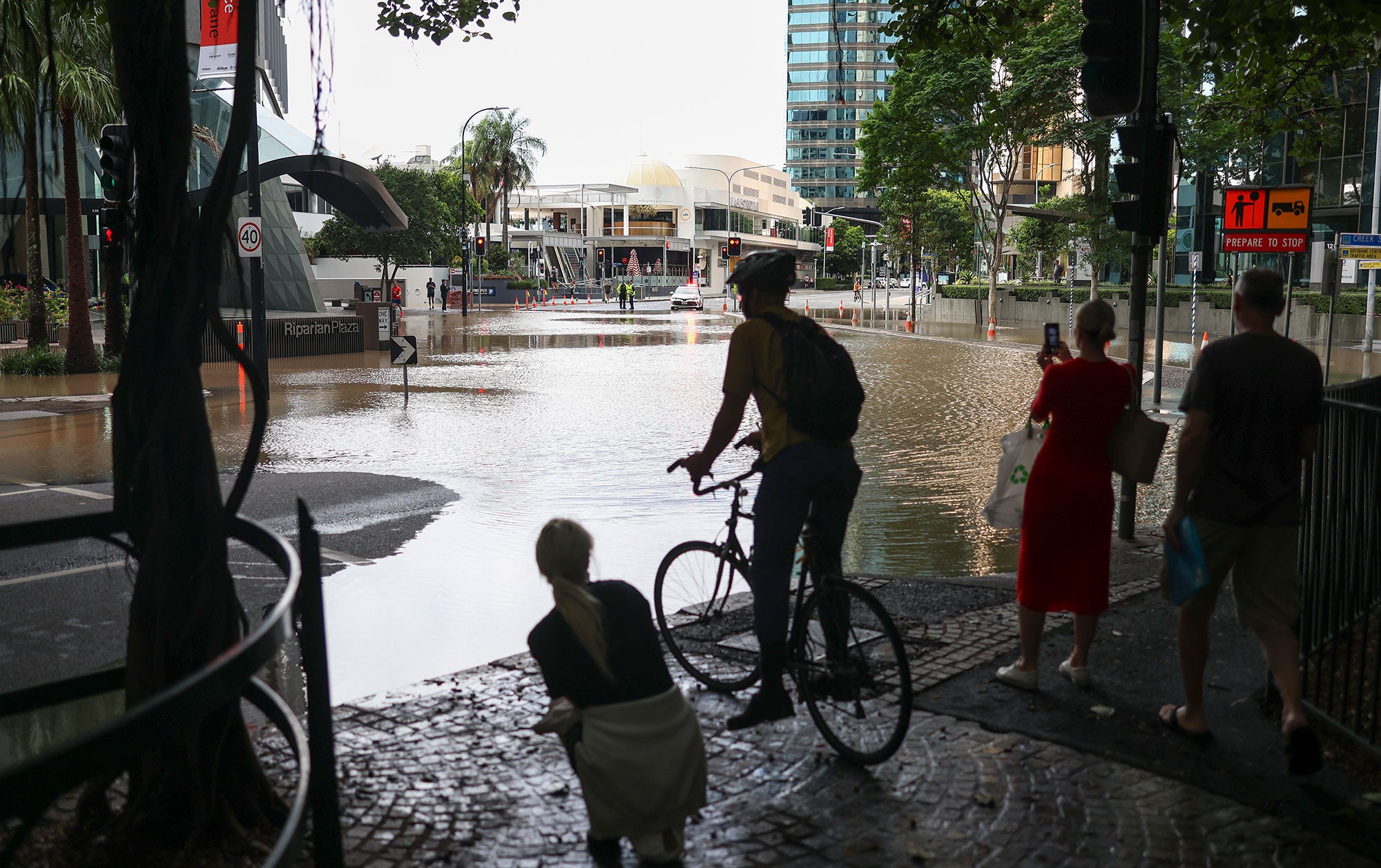
During the 2022 Brisbane floods, my community housing apartment building in South Brisbane flooded after water reached the basement where the power supply was located.
The lifts stopped working.
The intercom stopped working.
The exits became inaccessible.
“I felt scared and confused. I felt disregarded.”
I remained trapped in my apartment for 10 days.
Because of my blindness, I could not read the emergency signage showing where temporary entrances and exits were located.
My support workers could not reach me because roads were flooded.
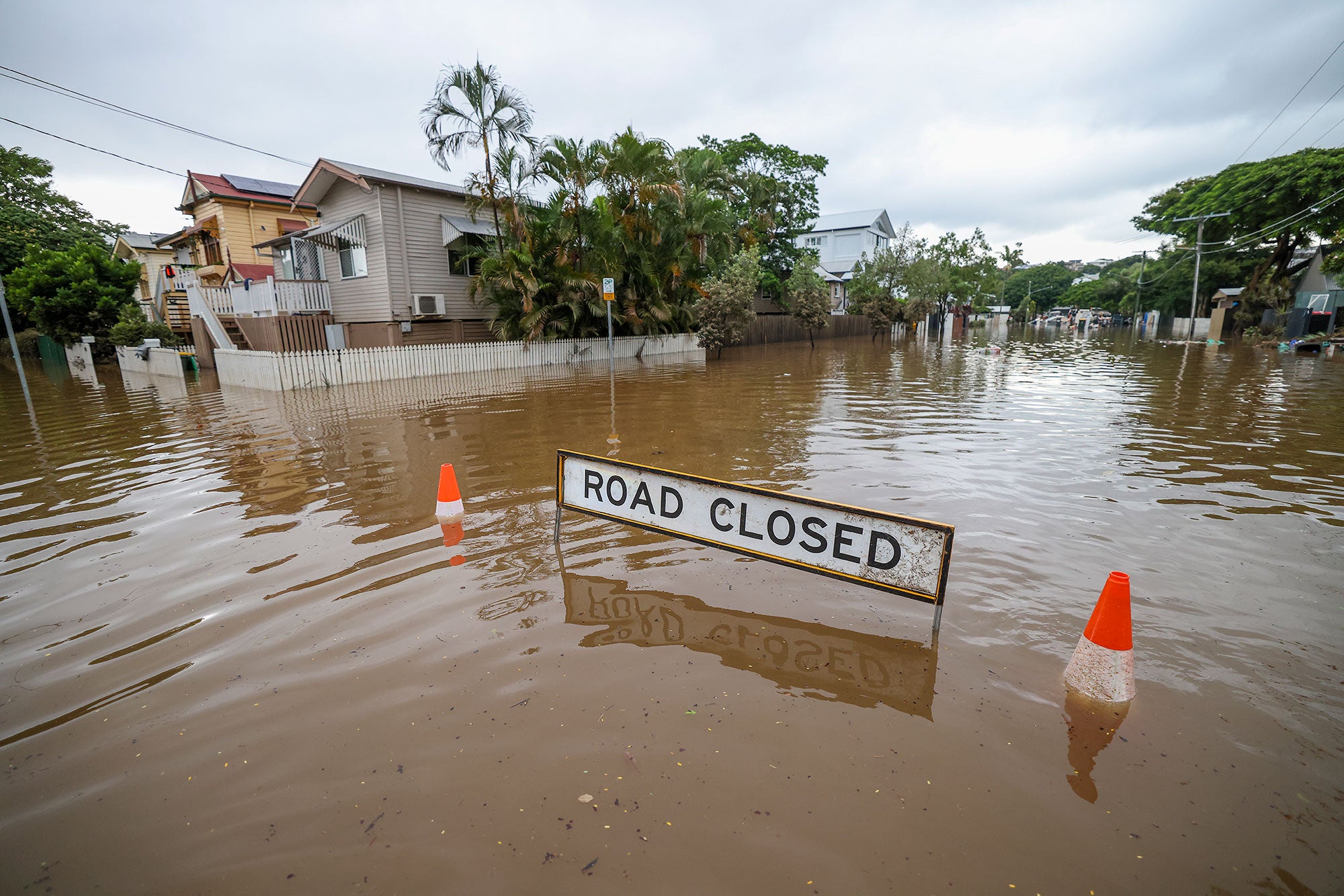
Then, during the middle of the night, I received a Brisbane City Council evacuation alert telling me to “get ready to evacuate.”
I knew that the street was flooded, and cars were underwater. If I needed to navigate through flood waters, it would be impossible for me, particularly if I was unassisted.
I would not be able to use my digital aids. I was not sure if a support worker would be able to come and assist me of if I could call a taxi.
I also worried about running out of medication because my eye condition requires daily treatment to prevent permanent damage.
I remember feeling terrified because I had no idea how I would safely leave the building if conditions worsened. I felt isolated, confused and unsafe. I felt disregarded.
Forgotten when it mattered most
The flooding created practical challenges, but it also left me feeling isolated and unsafe.
For me, climate change is not something happening in the distant future. It is already affecting my safety, independence and quality of life right now.
What worries me most is that climate disasters are becoming more frequent while people with disabilities continue to be overlooked in disaster planning and government responses.
During the floods, I felt forgotten and unsure whether I would be able to safely evacuate if things became worse. I worry that this will happen again during future floods, storms or power outages.
Extreme heat is also becoming increasingly difficult to live with. Because of my blindness, glare and heat together make it hard for me to leave the house safely. Cooling my apartment is becoming more expensive and difficult, but without air conditioning my unit can become unbearable.
My apartment also becomes unbearably hot during summer, and so I had to pay thousands of dollars myself to install accessible air conditioning after the housing management refused.
I’m deeply worried that worsening climate impacts and rising costs will eventually force me to lose my independence and move into specialist disability accommodation.
“Living independently is very important to me. I want to continue living my own life safely and with dignity.”
Why I joined the Hard Truths human rights case
I’m part of this case because people with disabilities are already experiencing the impacts of climate change and are too often being left behind in disaster planning, emergency responses, and government policy.
“I do not feel confident that if another disaster occurs that I will be safe. I am concerned that in the future I will get forgotten again.”
Through my own experience during the 2022 Brisbane floods, I saw how quickly people with disabilities can become isolated and unsafe when systems fail.
Climate change is making these disasters more frequent and more severe, but governments are not doing enough to protect people who are most vulnerable.
I want decision-makers to understand that everyone deserves to feel safe in their home and community during climate disasters, regardless of disability or income.
“I believe governments need to stop making climate change worse and start investing in systems, housing and emergency responses that protect people before disasters happen.”