
South Australia
Cat
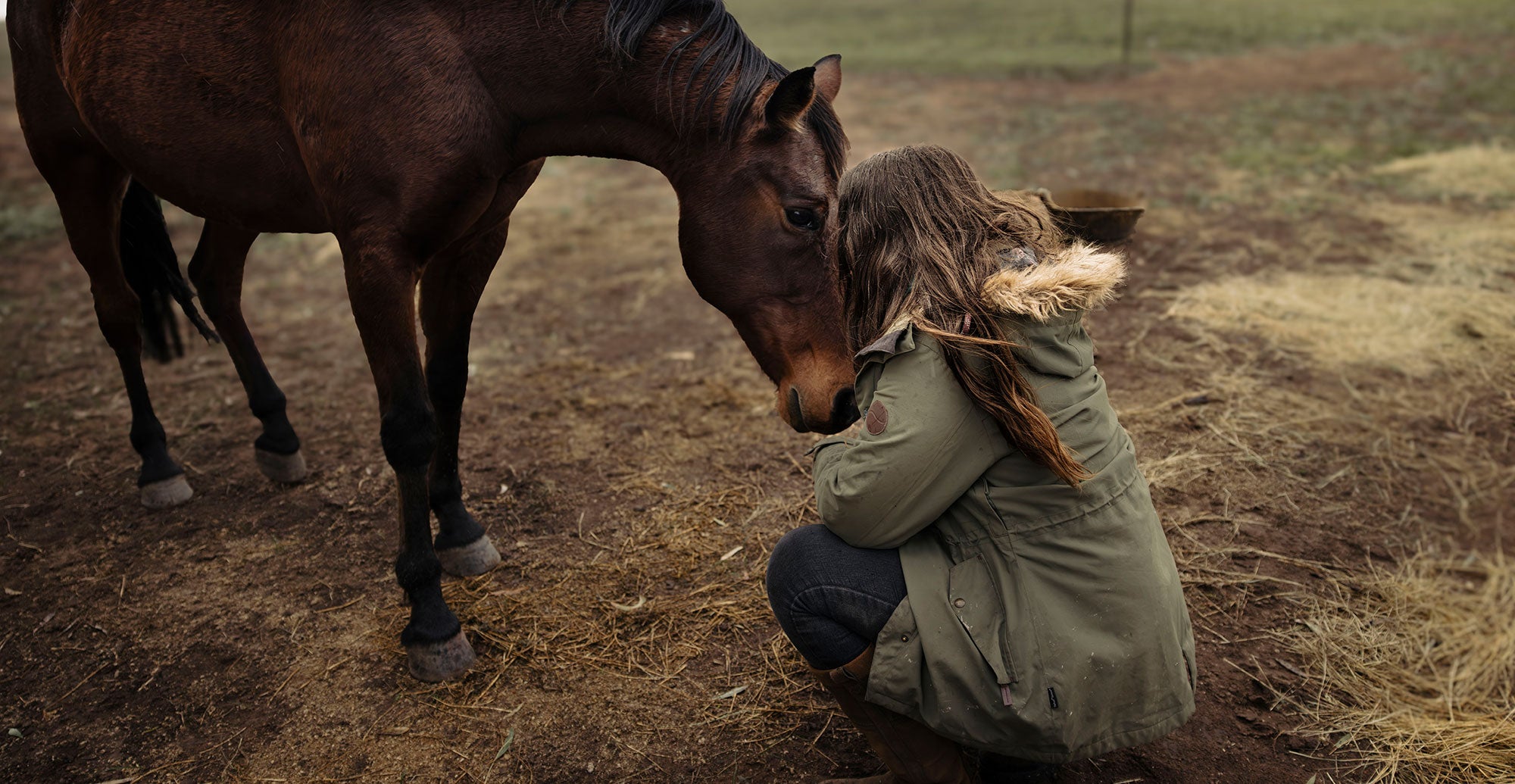
“My fire plan is to hold onto the horses and hope.”
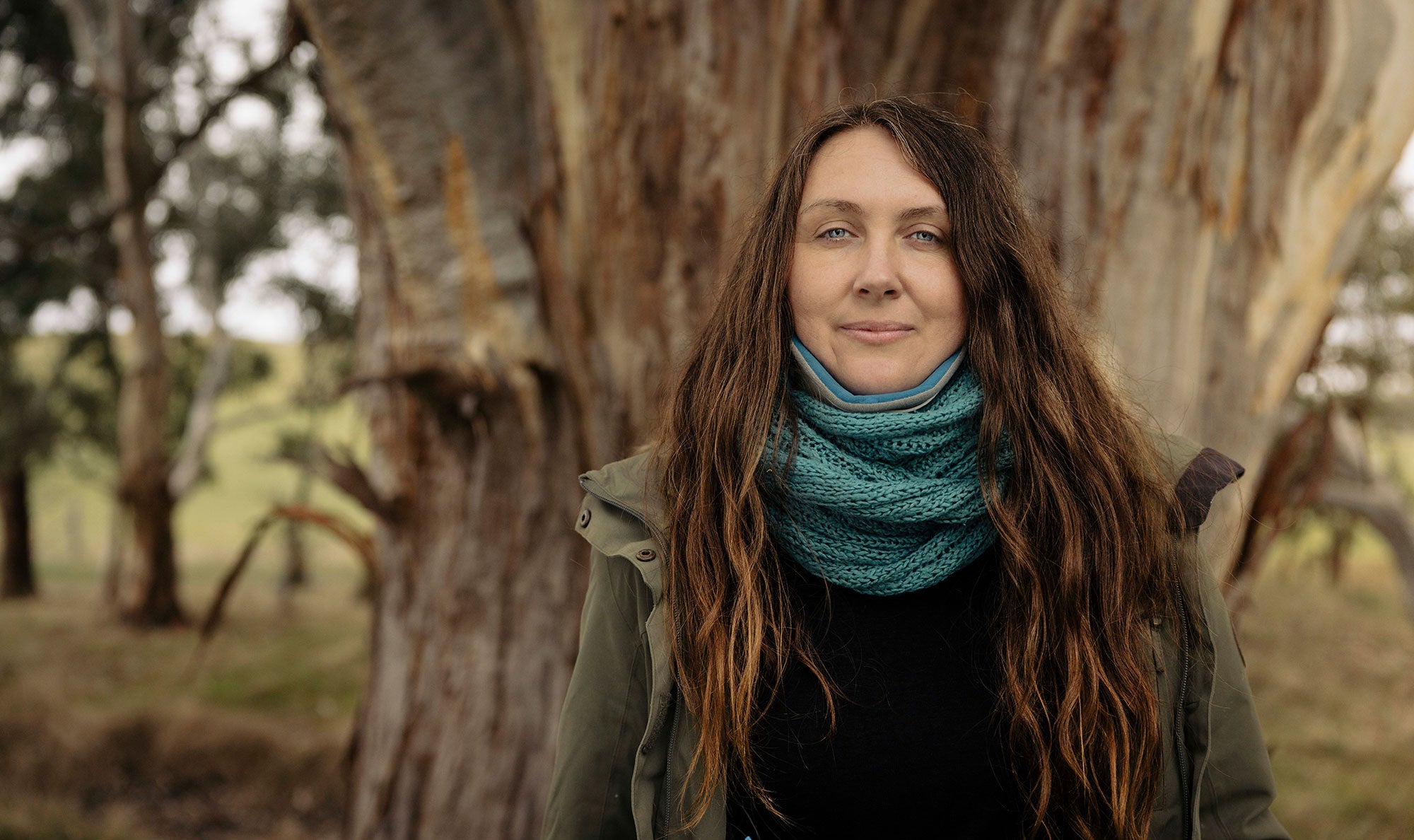
Portraits by Rebecca Parker


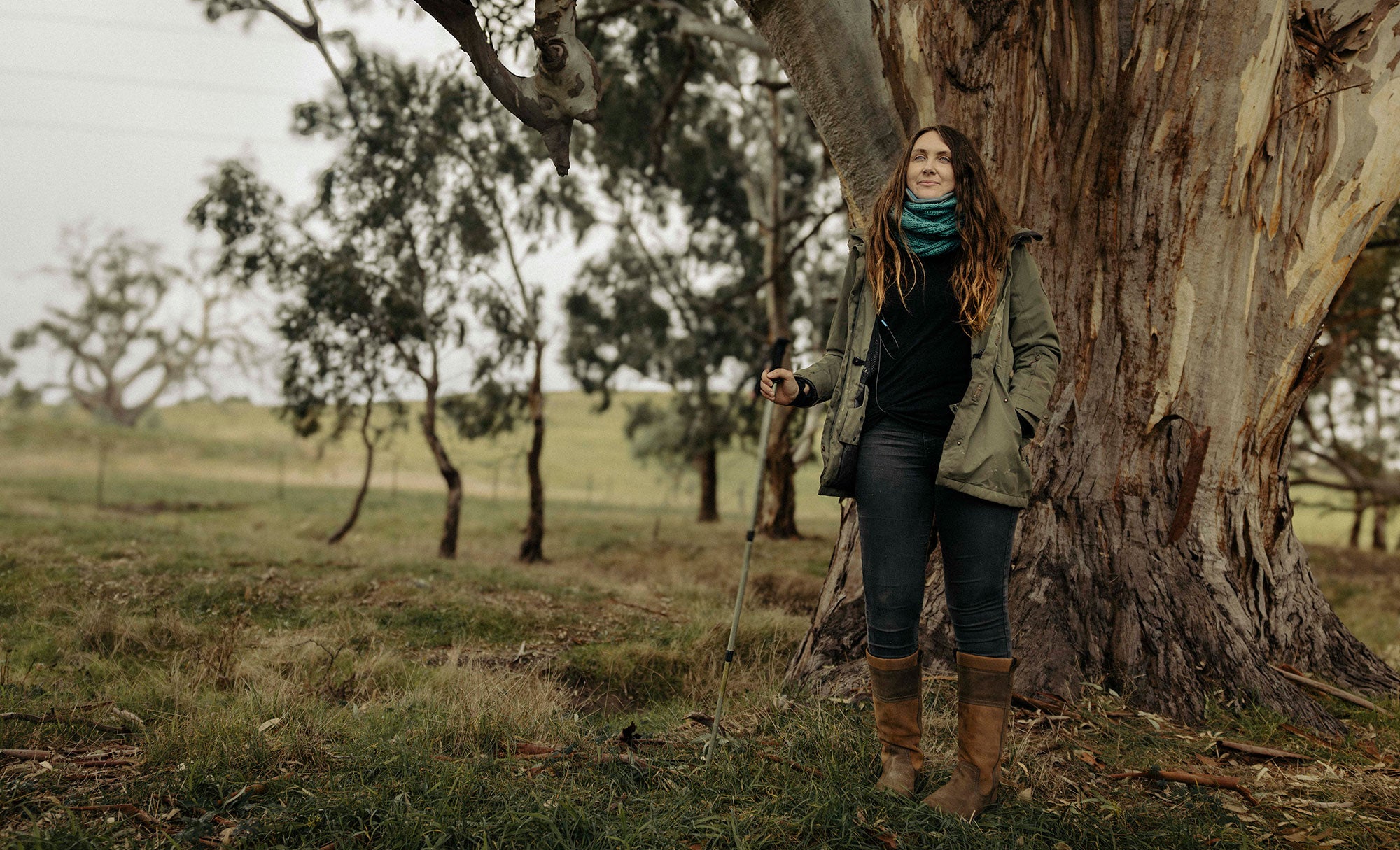
Cat lives with her husband on an off-grid property in rural South Australia, relying on solar power, batteries and collected rainwater to get by.
An equine scientist, Cat has spent her life caring for horses and animals. She also lives with multiple disabilities and chronic illnesses, including Ehlers-Danlos Syndrome (EDS) and POTS, which make extreme heat especially dangerous.
As temperatures rise and bushfire conditions worsen, summers have become increasingly isolating and unsafe. Cat says heatwaves now leave her in survival mode, while the growing threat of bushfires has left her uncertain she could safely evacuate with her animals if needed.
“In heatwaves, there is no dignity, only survival.”
Climate change has shaped how I see the world for most of my life.
I learned about local ecosystems, marine life and climate change from a very young age through the marine discovery centre at my primary school. As a child, climate change still felt distant, and I assumed governments would act in time.
By my teens, I knew they were failing us.
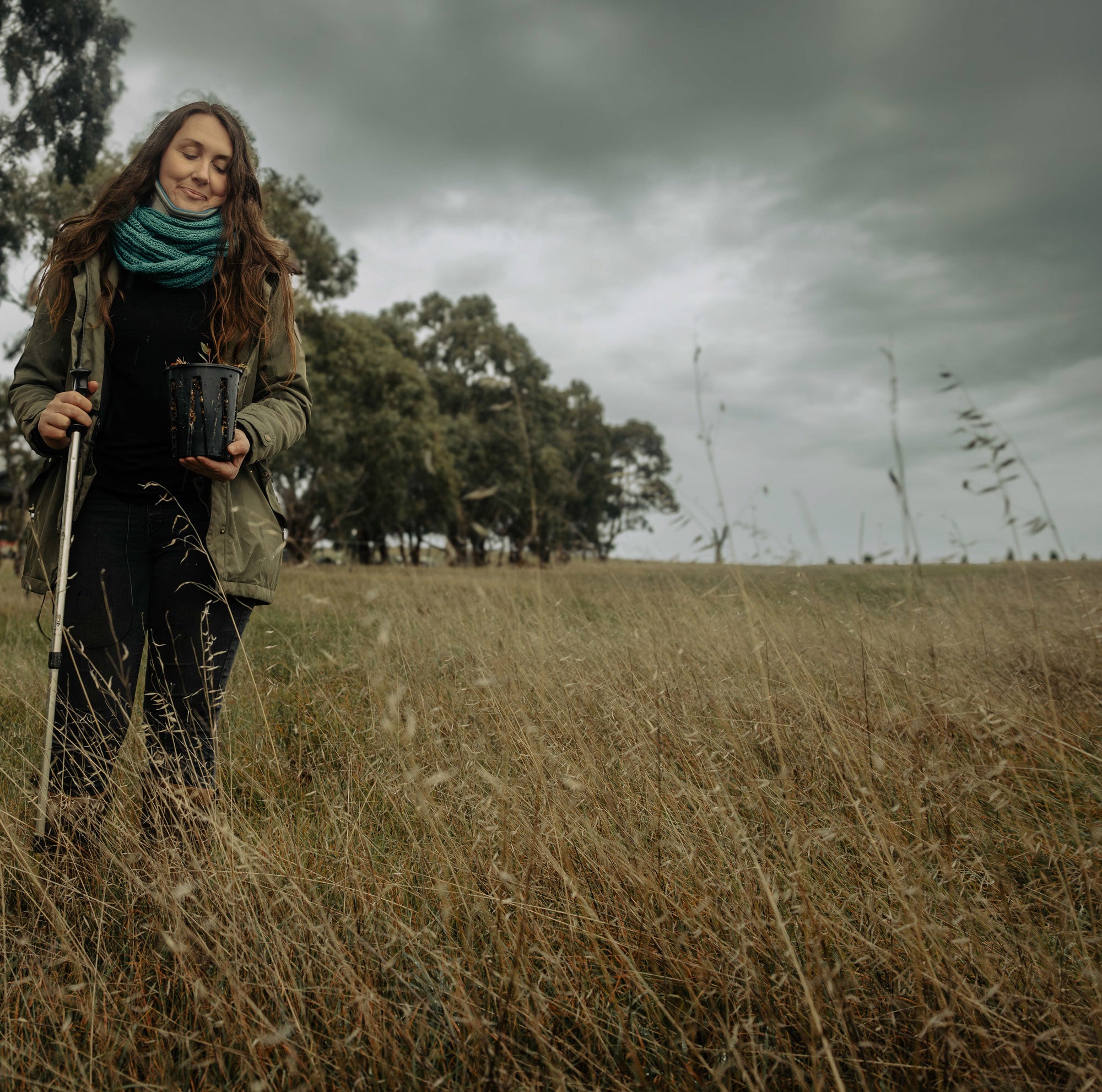
I live with several conditions which make me extremely sensitive to heat. Many of the symptoms of heat stress — light-headedness, lethargy and electrolyte imbalance — are already part of my daily life.
Because of this, it can be difficult to recognise when I’m becoming dangerously overheated.
“Living safely and with dignity is a challenge for me every day of the year. In summer, it is much harder. In heatwaves, there is no dignity, only survival.”
The hottest days
There were two heatwaves here in January 2026 which were so intense that I was often just trying to survive.
After periods of extreme heat, it can take a week for my brain to feel “less swollen.”
The nights are especially hard because temperatures inside our house often stay above 30 degrees Celcius overnight, sometimes with no breeze at all. In January 2026, our porch thermometer reached 49 degrees.
Extreme heat already pushes my body beyond what it can safely tolerate, and bushfire risk shapes how I can live, and whether I could survive an emergency. My medical conditions mean that every heatwave carries real physical danger.
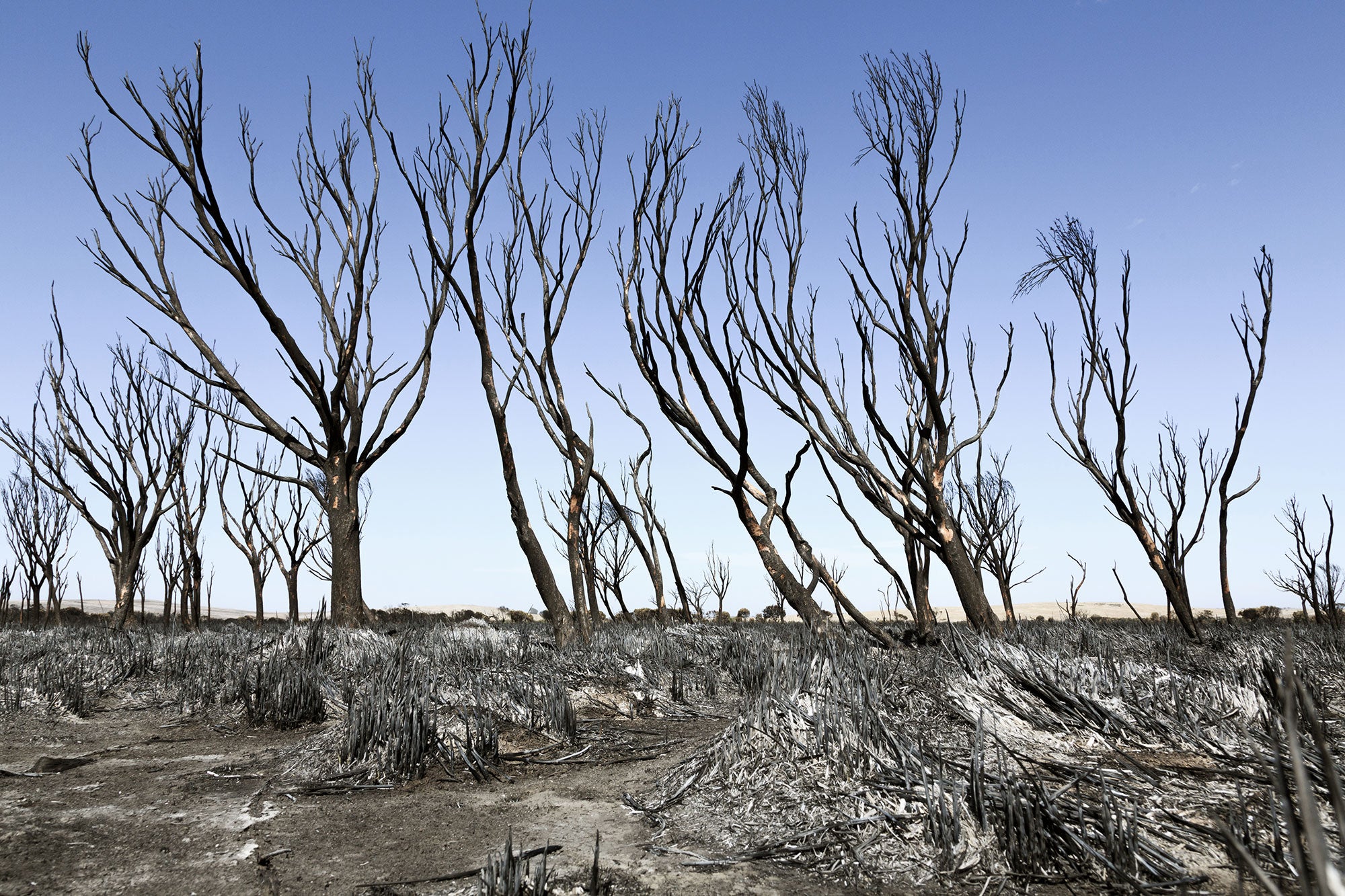
Alongside the heat is the constant threat of bushfire
My husband and I live in a bushfire-prone area. As conditions become hotter and drier, that threat feels more immediate every year.
My medical conditions mean every heatwave carries real physical danger. Bushfire risk shapes how I can live, and whether I could survive an emergency.
My fire plan doesn't involve fleeing my home because I know that is probably not going to be possible for me.
My plan is to go down to the field we let the horses eat bare each summer, as far away from trees as possible, and hold onto the horses and our bag of precious items and hope.
I know a statistical analysis would put a frightening number on the risk that future heatwaves and bushfires pose to my life.
But a simple number can’t paint a vivid enough picture of the real, compounding danger that heat and fire bring.
The reality is waking from the hottest day and night I have ever experienced, too physically and mentally spent from the last four days to do anything but retreat indoors and wonder, ‘What if?’
“What if a fire cannonballs down our gully before I even register smoke?”
What if aerial resources are already committed to a fight 100-kilometres away?
On a day like that, what would be left to save by the time help arrived? Would I make it out alive? Would I be blamed for being unable to leave early based on a ‘What if?’ Would I be blamed for daring to live where I love?
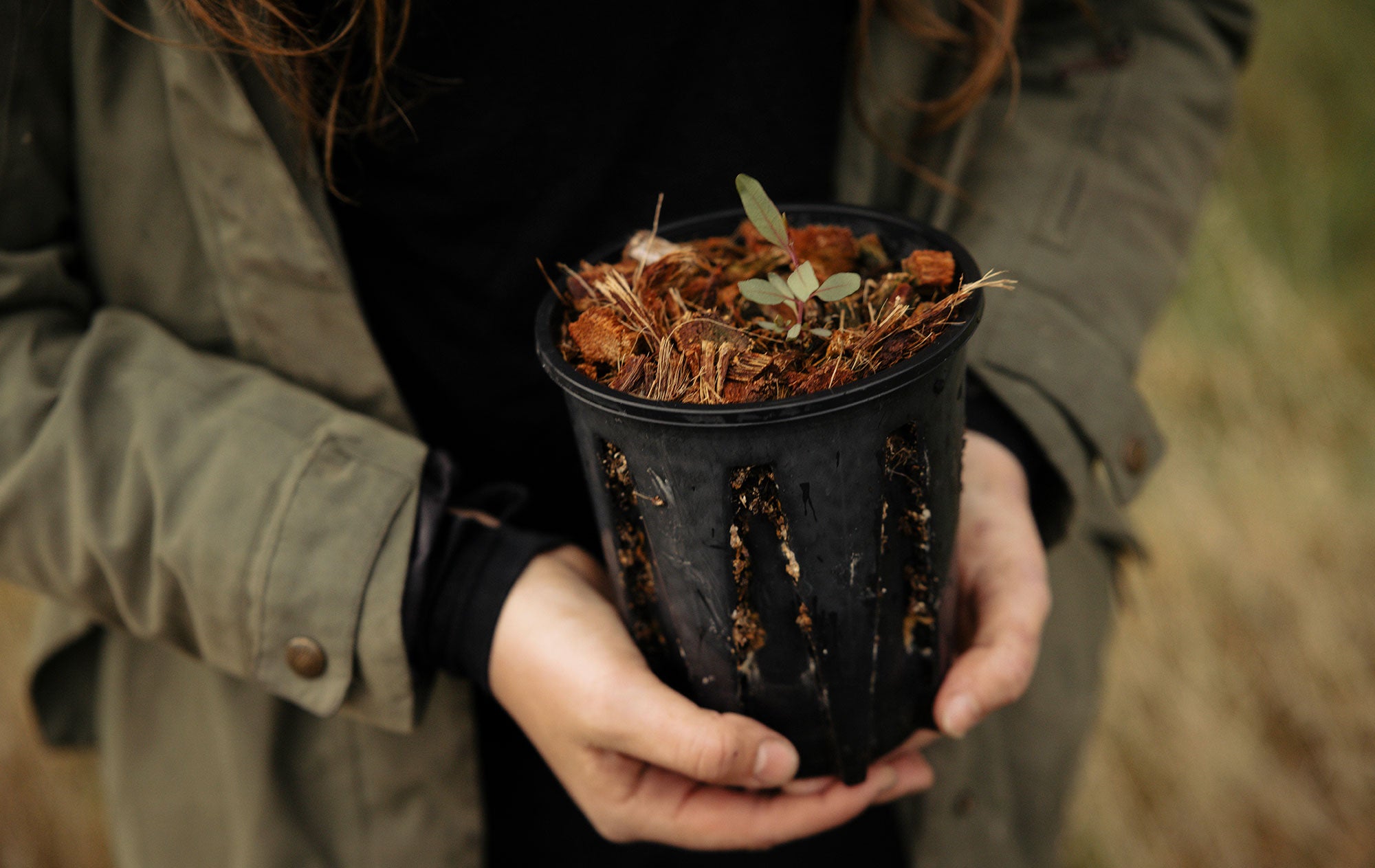
The places I love are changing
Climate change has fundamentally changed how safe I feel in my own body and in the places I love.
I also feel enormous grief watching places I grew up loving change so dramatically.
As a child growing up on the coast near Adelaide, the ocean felt magical — swimming with dolphins, avoiding jellyfish, getting pinched by blue swimmer crabs.
“When I was growing up there would always be an abundance of sea life around you at the beach. You were never swimming alone when you went into the ocean.”
Seeing dead marine life wash up because of the algal bloom has been heartbreaking.
Why I joined the Hard Truths human rights case
I’m part of this case because I want governments to stop treating climate change like a distant political issue and recognise it as a present-day threat to people’s lives.
I feel utterly betrayed by the cowardice of our government.
While our government says yes to coal and gas corporations and approves new fossil fuel projects, they leave disabled people, vulnerable communities and future generations worsening heatwaves, fires and environmental collapse.
I want decision-makers to understand that climate change is already making parts of Australia feel unsurvivable for people like me.
We need governments to stop delaying, stop expanding fossil fuels, and start acting like protecting human life actually matters.
“I am left wondering how many of us won’t survive the summers to come.”