
NSW South Coast
Jack Egan
“The future has crashed right through into the present.”
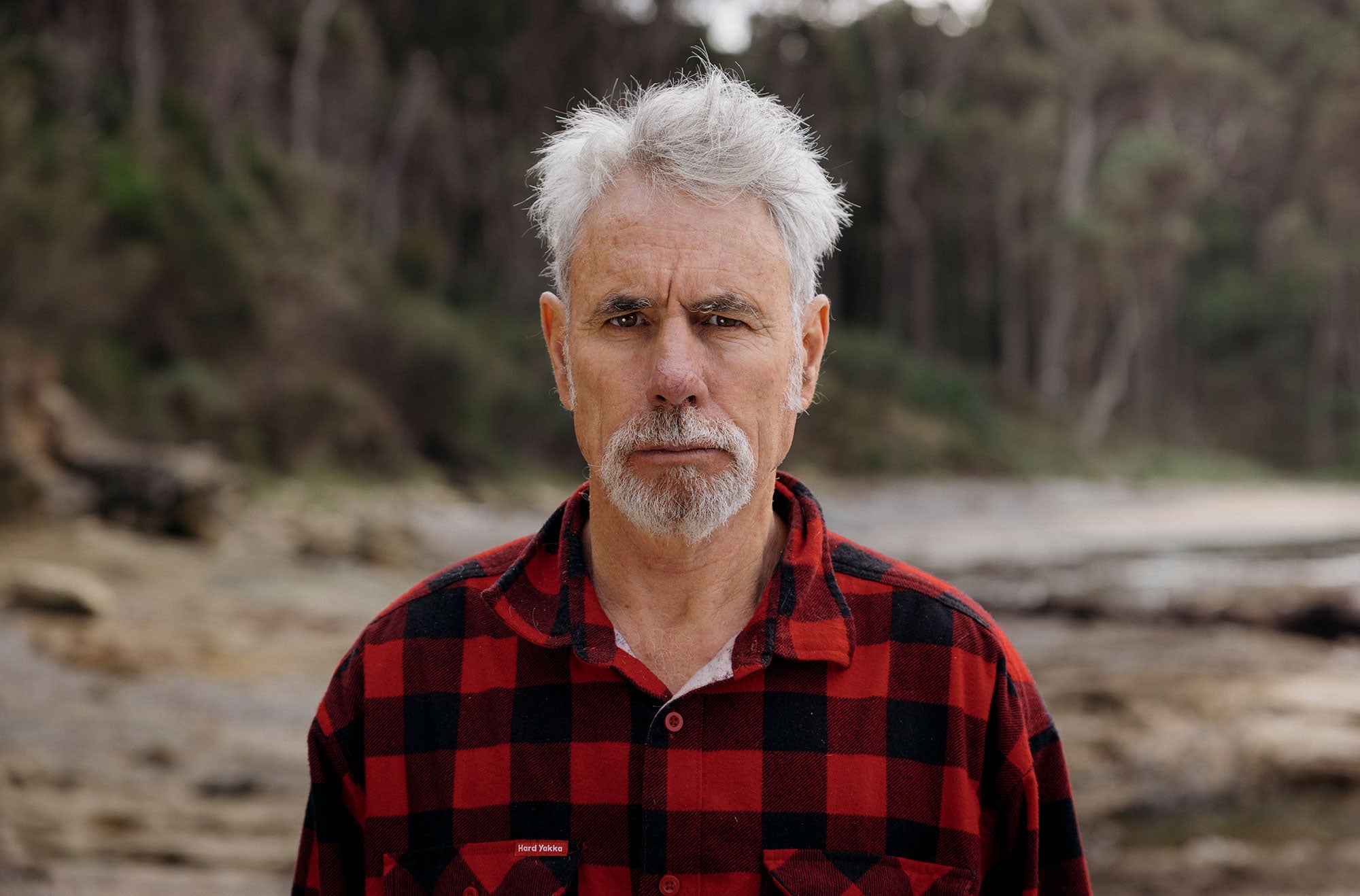
Portraits by Rebecca Parker

Jack Egan is a teacher, climate advocate, partner, father and grandfather living on the NSW South Coast, where the forest meets the sea.
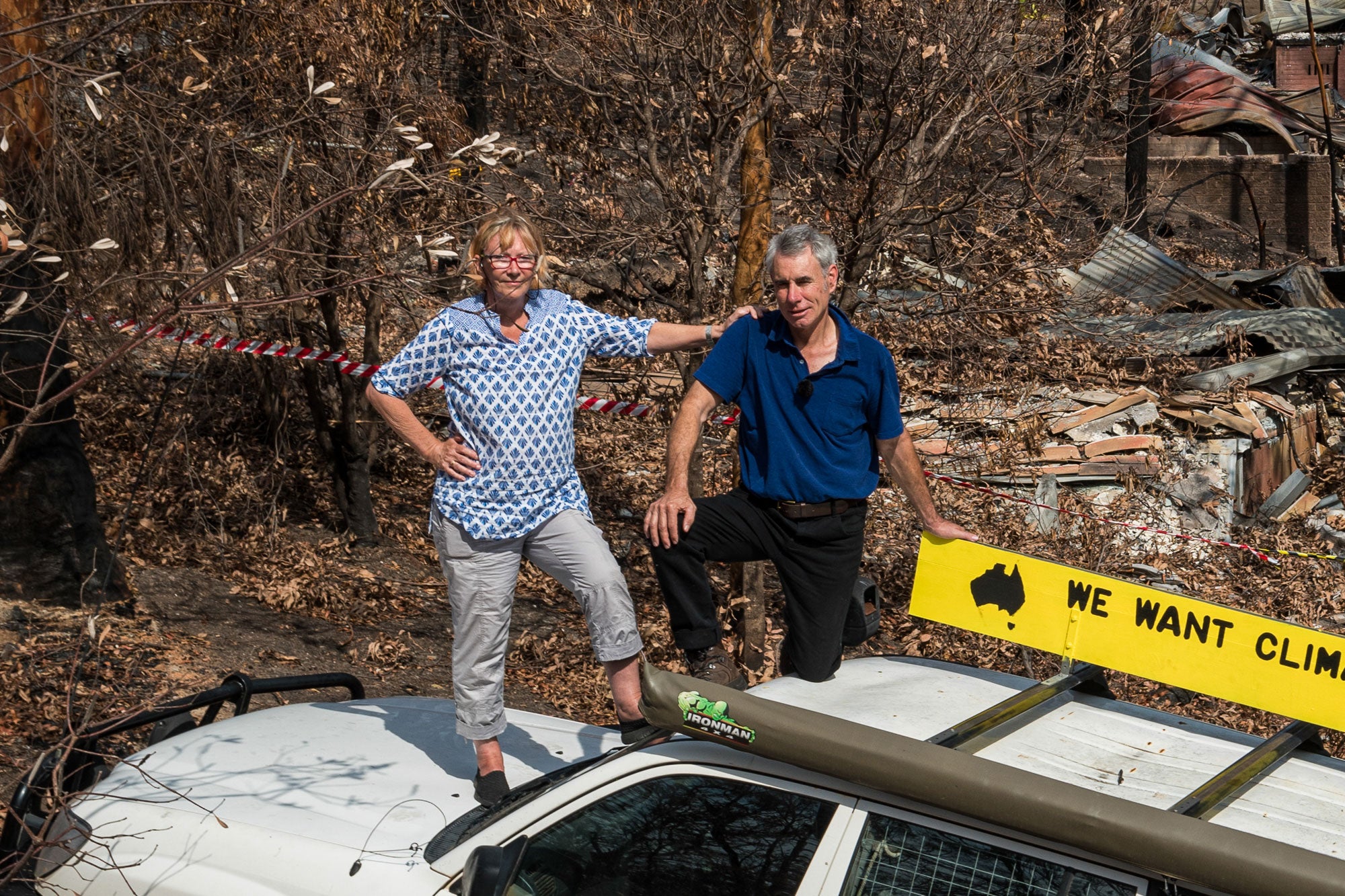
On New Year’s Eve 2019, Jack and his partner Cath lost their home when the Currowan fire tore through their community during the Black Summer bushfires. For several terrifying hours, Jack believed he might never see Cath again.
That experience transformed Jack's understanding of climate change and pushed him into climate advocacy. Today, he speaks publicly about the human cost of climate-fuelled disasters and the urgent need to stop expanding fossil fuels.
The day everything changed
I had understood something about climate change since the 1990s.
But my understanding sharpened dramatically on New Year's Eve 2019, when the Black Summer fires burnt our home to the ground.
Cath and I loved our life in Rosedale. Our house sat among spotted gums, coastal ironbarks and dense bushland. We knew we lived in a fire-prone area, but we had water tanks, hoses, a pump and a written fire plan, so we felt reasonably prepared.
Then everything changed.
At 6am on 31 December 2019, emergency text messages told us the Currowan fire was approaching. As the sky turned orange and embers filled the air, everyone in the street activated their fire plans.
Cath headed to the beach for survival.
I stayed behind to defend our house.
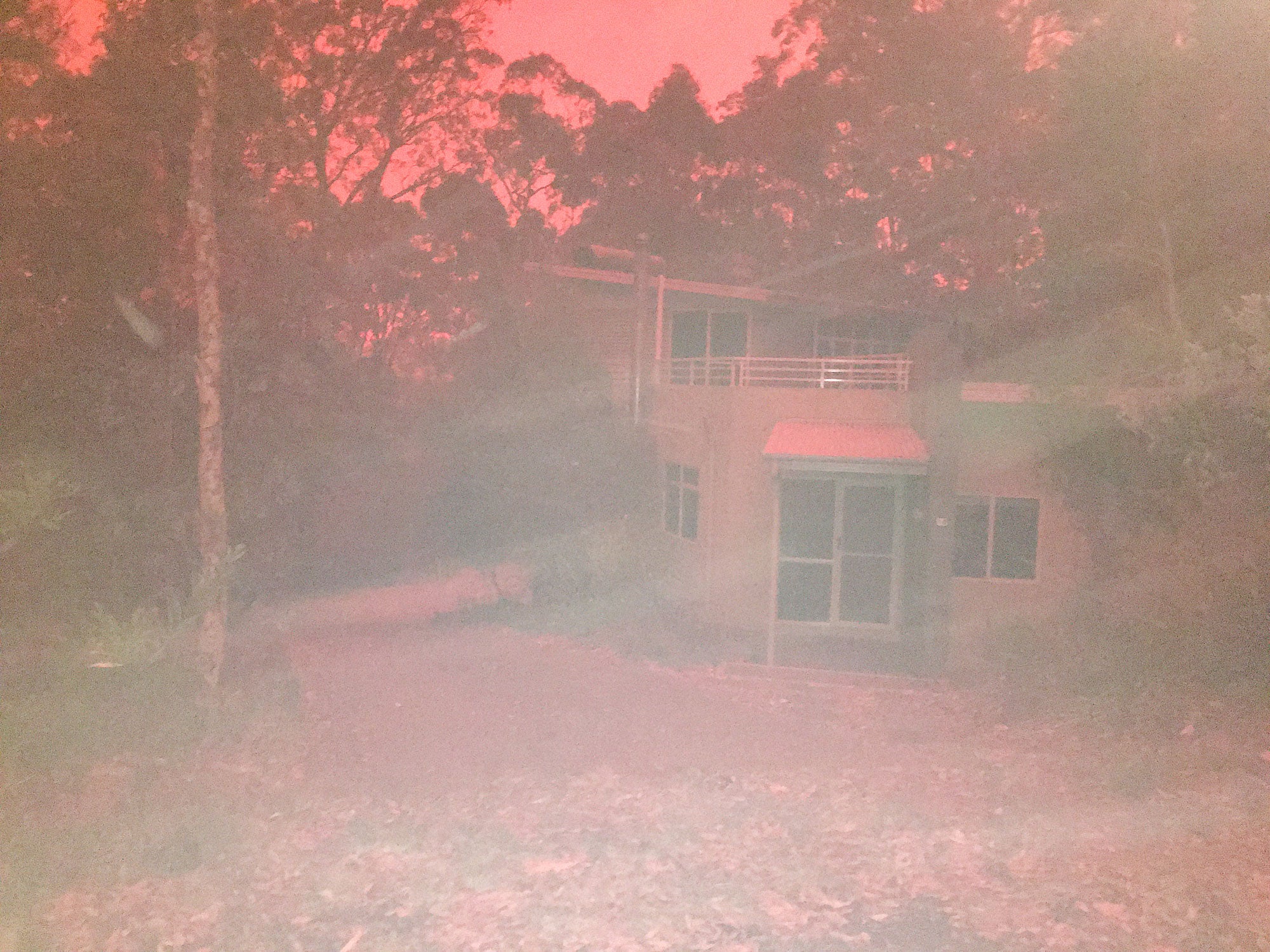
“We were so powerless.”
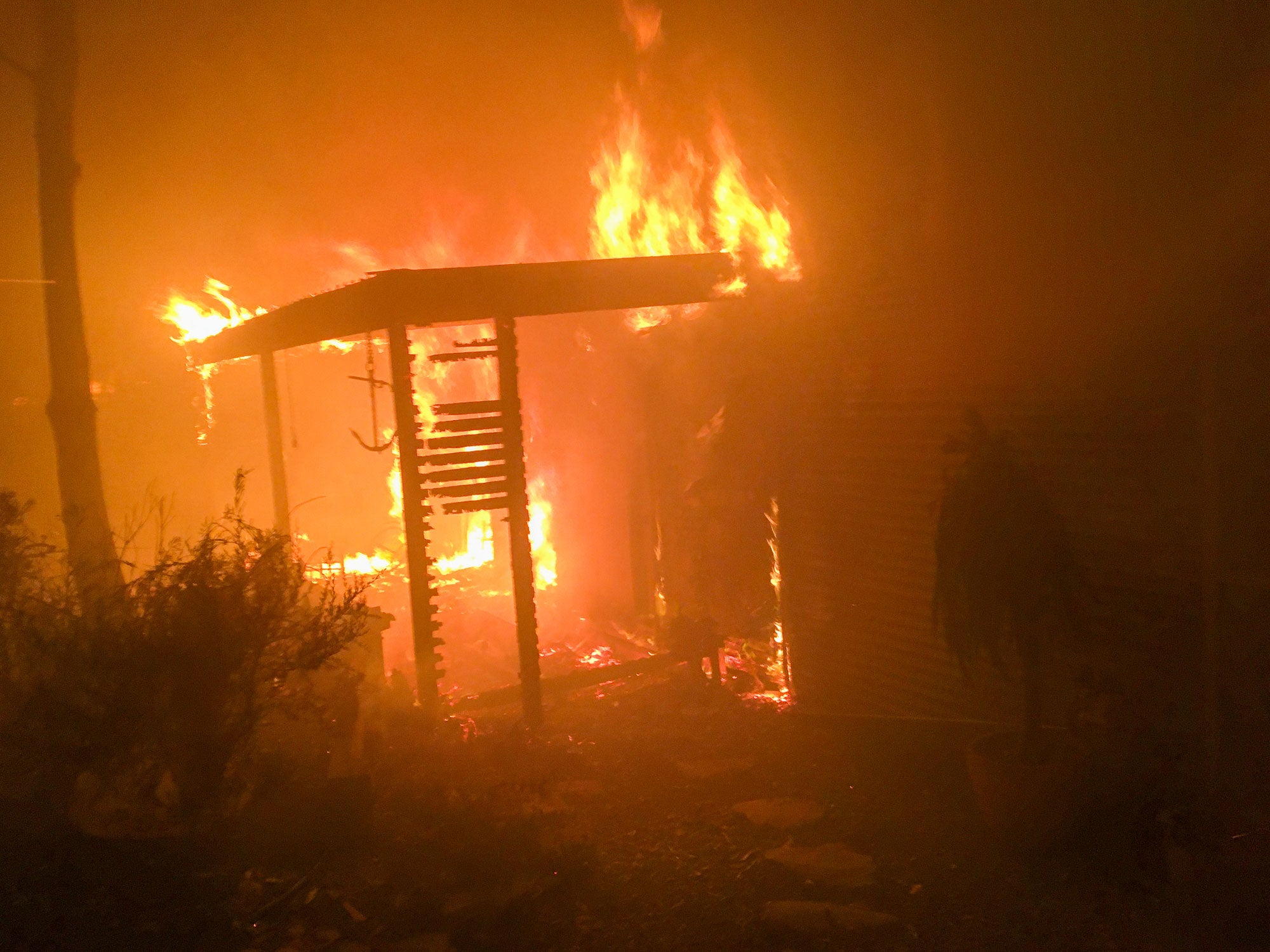
For hours, I fought spot fires as ember storms swept through the property. Then the radiant heat became unbearable.
The pump caught fire. The hoses melted. Flames spread onto the deck.
I remember thinking: “If I make a mistake here it will really hurt and then I will die.”
When I tried to leave through the front door, the heat had swollen the timber shut. I had to climb through a bedroom window and run through ember-filled winds to shelter in a neighbour's concrete basement.
“It was like the consciousness of a car crash, but in slow motion.”
Looking for Cath
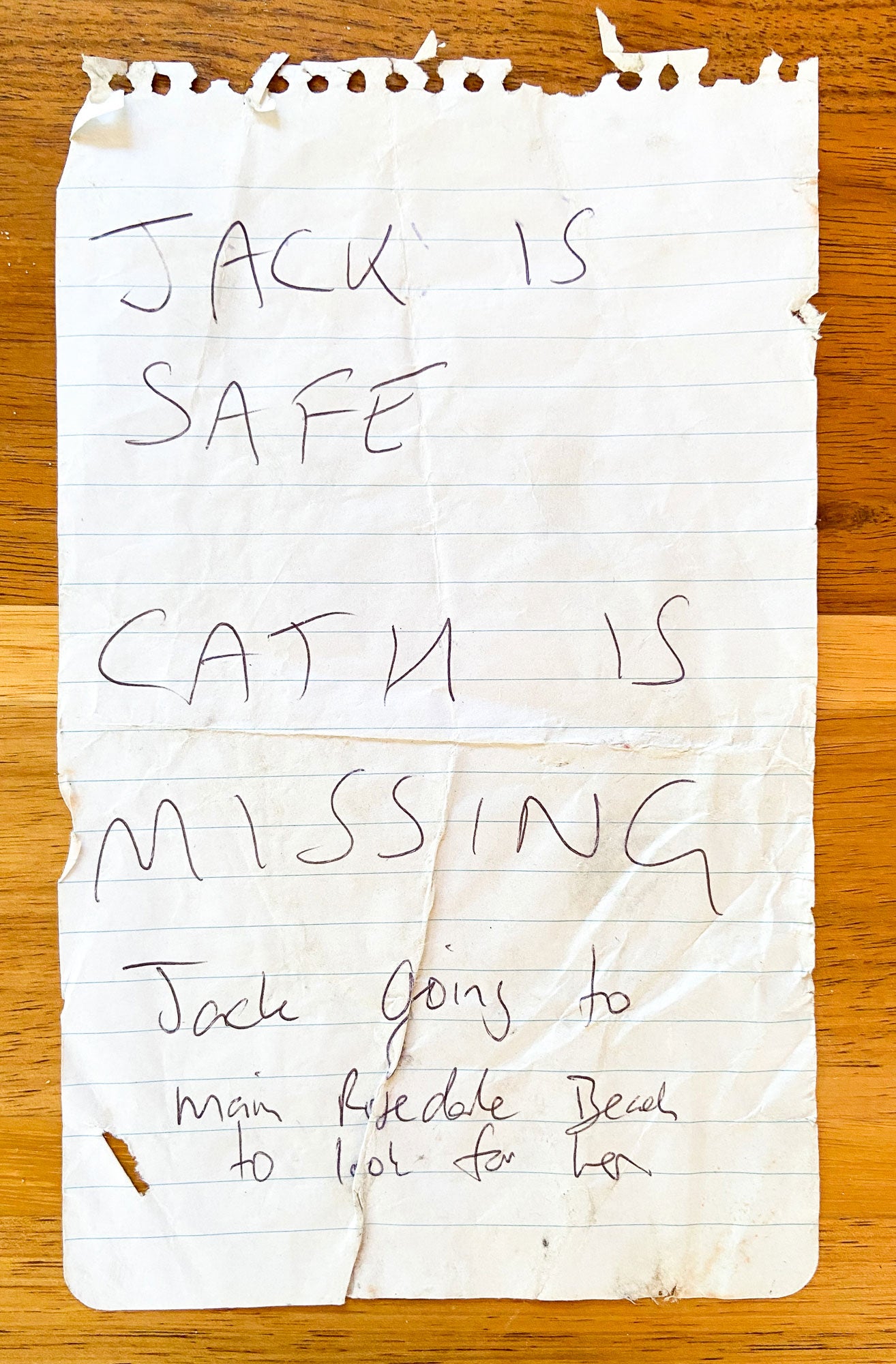
After the fire front passed, I began searching for Cath through burnt homes, ash-covered rubble and smoking bushland with no mobile reception.
All of the undergrowth had been incinerated with just the large trees left standing.
Walking down the track to the last little cove where I thought Cath could have sheltered, I remember thinking I was looking for her dead body.
Eventually we found each other alive and ran into each other’s arms on the beach.
“The effects of global warming had already arrived.”
We lost our home and almost all our possessions that day.
But what stayed with me most deeply was the realisation that climate change was no longer a distant future threat. Black Summer showed me the future had crashed right into the present.
I had imagined the impacts of global warming would unfold slowly and give us time to respond. Black Summer proved otherwise.
“The future has crashed right through into the present.”
My partner had insured us well, so we rebuilt a more fire-resistant home.
But what happened during Black Summer fundamentally changed how I think about climate change and the future. I now live with a constant awareness of fire risk. On hot, dry days when strong north-westerly winds blow, I find myself scanning the distant hills for smoke because I know how quickly whole communities can be thrown into emergency mode. Families rush to reunite, parents collect children from school and everyone just wants to know their loved ones are safe.
I’ve emerged from this experience strengthened in my resolve to fight for proper climate action so that what happened to us happens to as few people as possible in the future.
Why I joined the Hard Truths human rights case
I’m part of this case because I know firsthand what climate change can take from people.
During the Black Summer bushfires, Cath and I lost our home, almost all our possessions and, for several terrifying hours, I believed I might lose my partner too.
What happened to us was not simply bad luck. It was part of a worsening climate crisis driven by decades of delay and inaction despite clear scientific warnings.
The rule of law matters deeply to me. I believe courts have an important role to play in protecting ordinary people from the harm caused by powerful fossil fuel corporations and governments that continue expanding coal and gas projects.
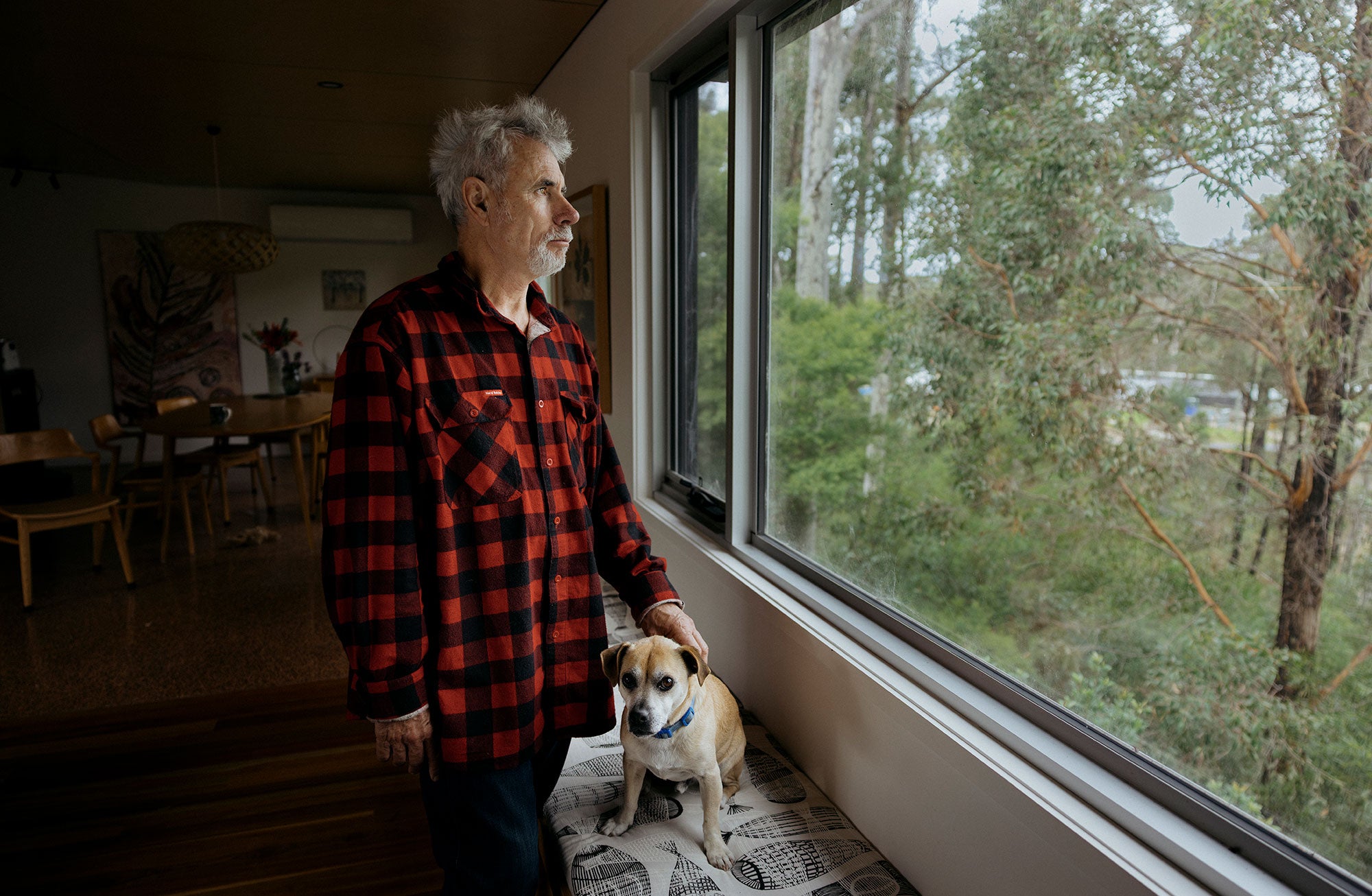
I joined this case because I want decision-makers to understand the real human consequences of climate inaction and their responsibility to prevent foreseeable harm.
I also hope this case helps build momentum for stronger legal protections for current and future generations, building on the growing recognition under international law that governments have obligations to protect people from climate harm.
“It’s a poor bet to think that we can continue fossil fuel export dependence yet avoid paying the bill later. Sooner or later, we’ll have to sit down at the banquet of consequences.”