
Adelaide
Latisha Francis
“I had to distance myself from the water, which felt like distancing myself from a part of me.”
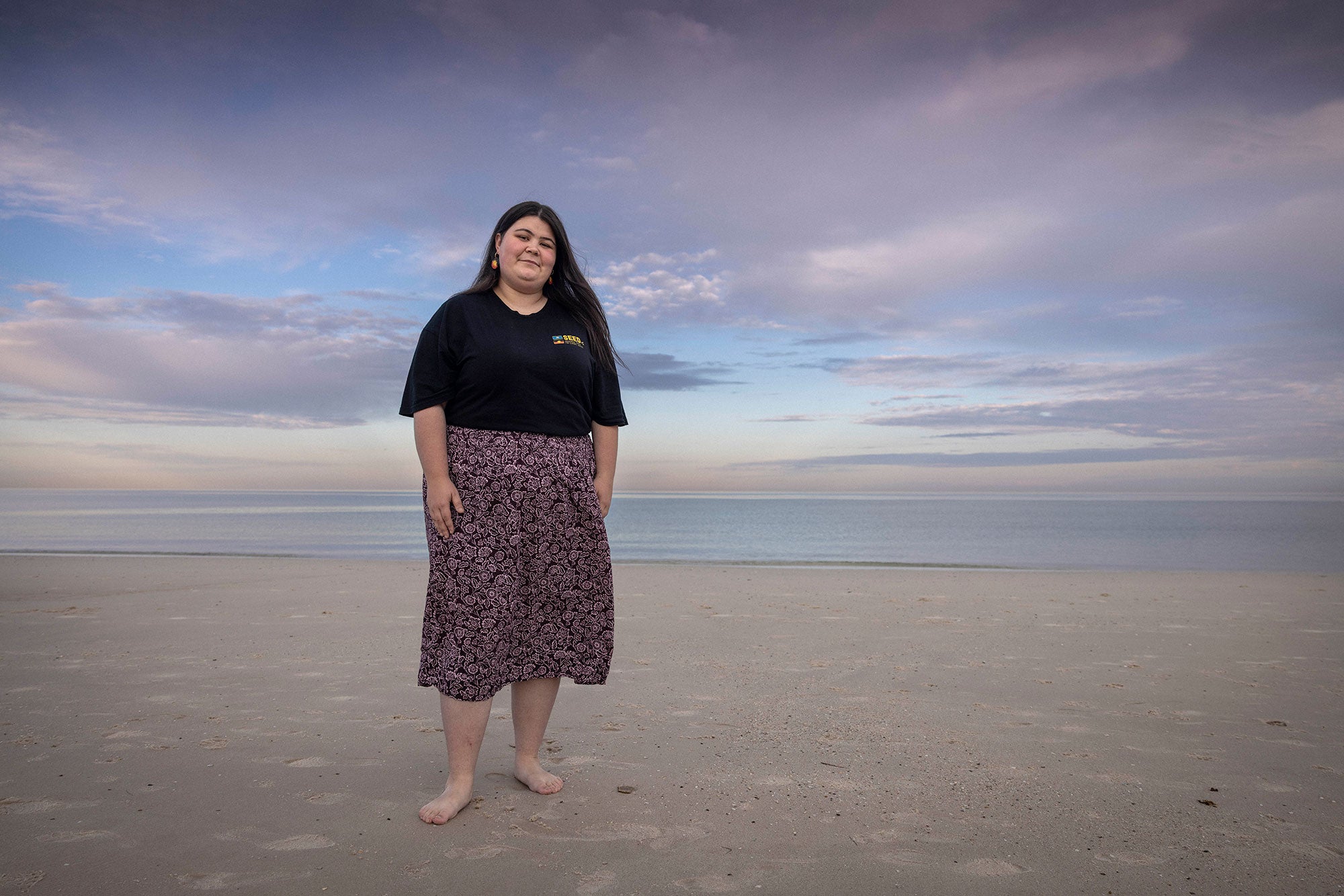
Portraits by Rebecca Parker



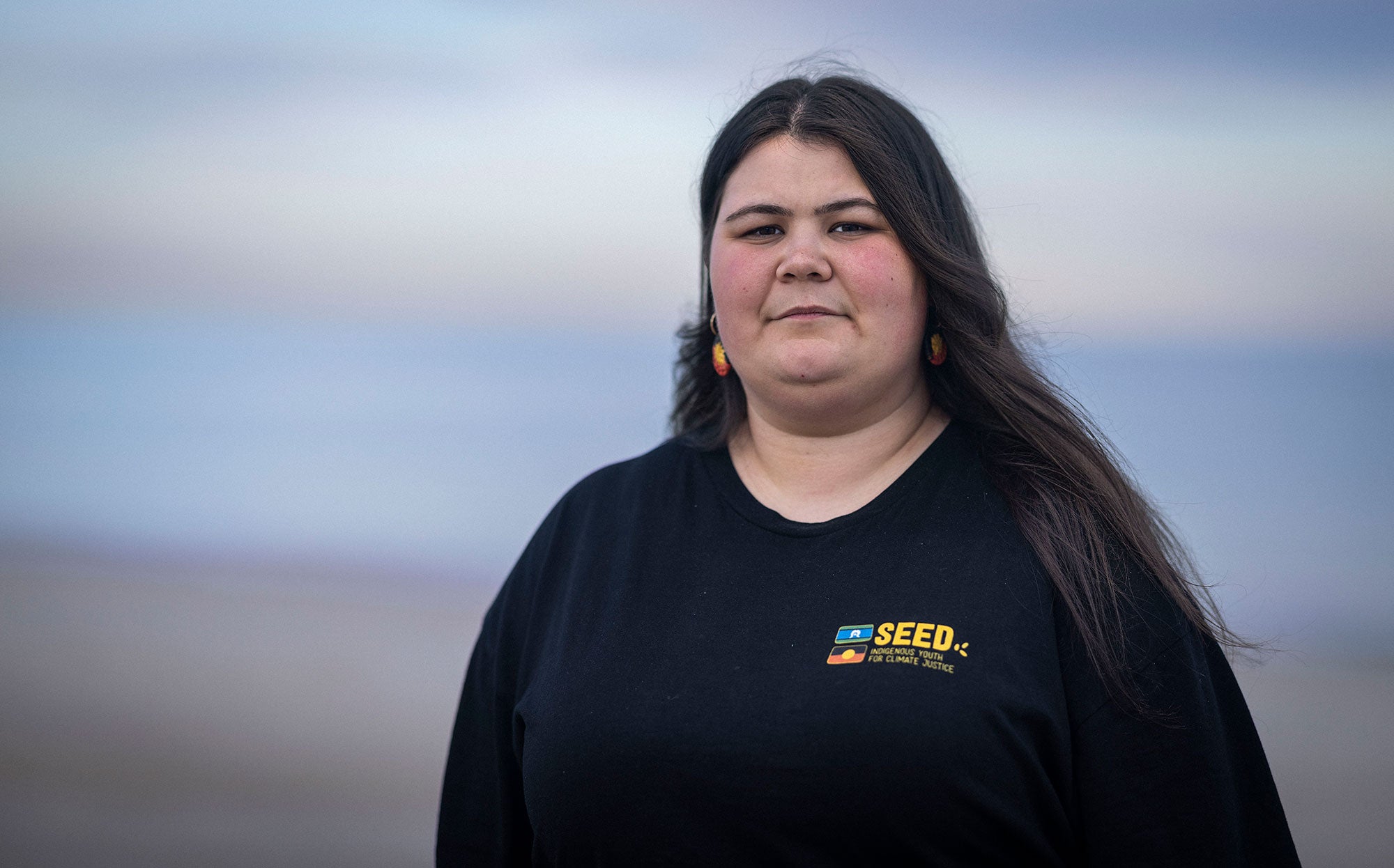
Narungga, Ngarrindjeri and Kaurna woman Latisha Francis is a young First Nations advocate from Tarndanya/Adelaide living through escalating climate impacts on her Country.
She studies wildlife and marine conservation biology at the University of Adelaide and works with First Nations young people experiencing climate anxiety.
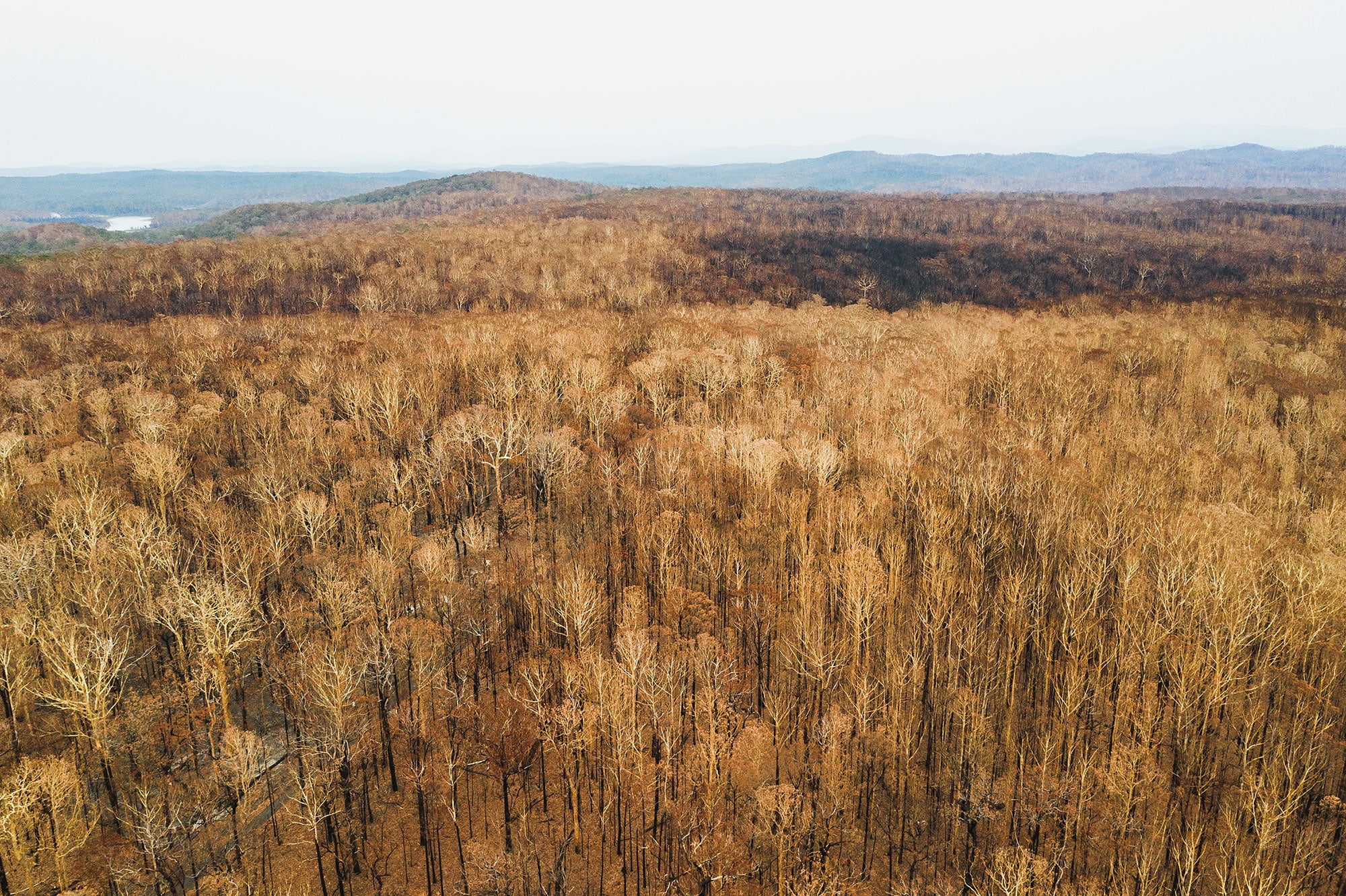
As toxic algal blooms, intensifying heat and bushfires reshape the places she grew up in, Latisha is witnessing devastating impacts on culture, community, non-human kin and the passing down of cultural knowledge.
Through her advocacy, she is fighting to protect Country and ensure future generations can continue to learn from, care for and connect with it.
“You cannot learn Country through a textbook.”
Growing up, I spent most of my time outdoors on Country.
That's how we learned – not through textbooks, but by being outside with our Elders, fishing, swimming, sitting around the fire and hearing stories connected to specific places.
Our Elders would teach us as we moved through Country.
I remember my grandfather once stopping the car to teach us about a snake on the road. That's how knowledge gets passed down.
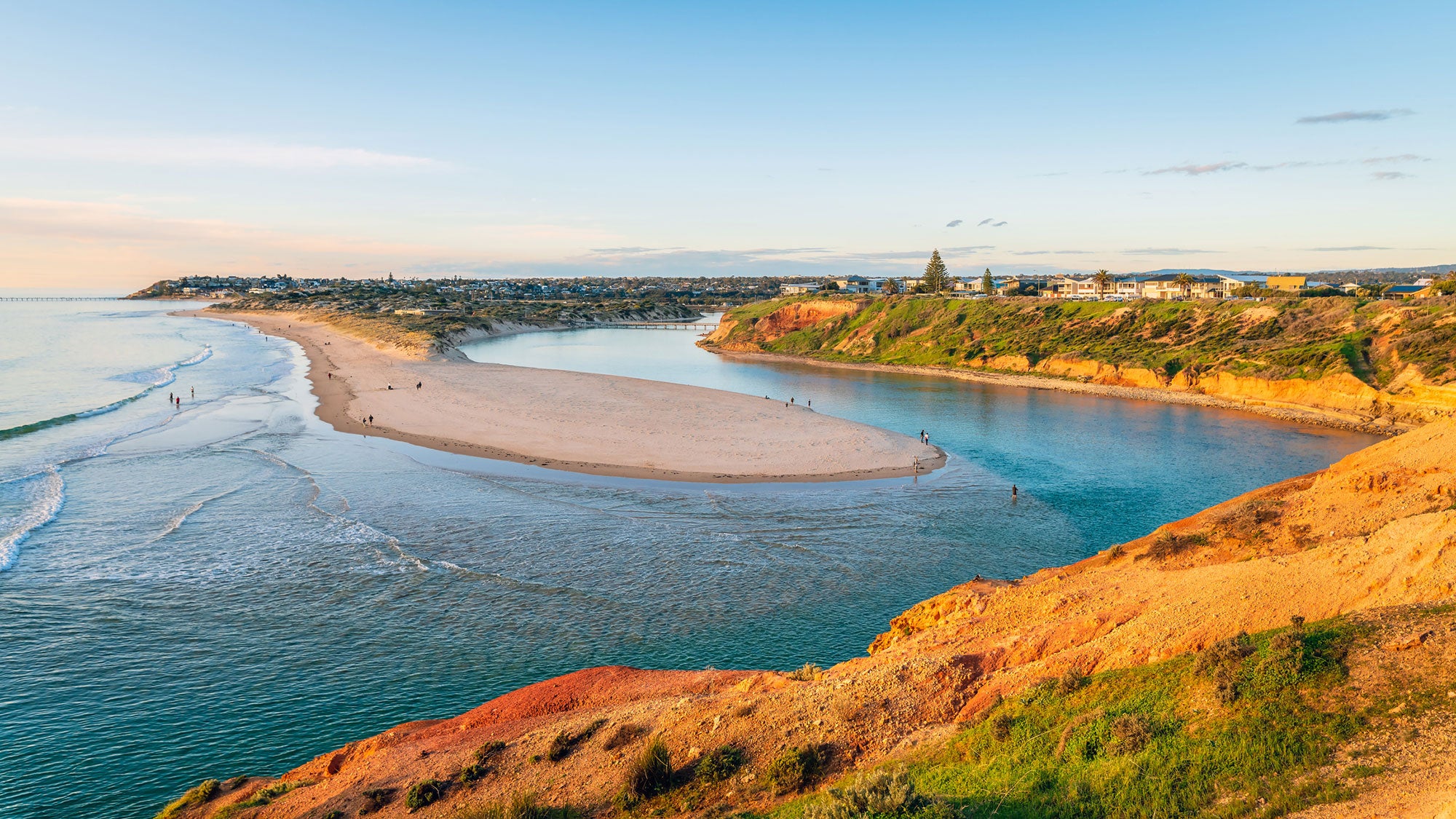
“To learn Country you need to smell it and feel it.”
Many of our stories are about sustainability and caring for Country.
I grew up hearing stories like the Mulyonk Dreamtime story, which teaches children about water safety, respect and not taking more than you need.
We were always taught that every living thing on Country needs the resources it needs to survive.
Over my lifetime, I’ve watched things become subtly off.
The seasons have changed, seagrass beds have disappeared, black swans are nesting less often, and summers are becoming hotter and harder to live through safely.
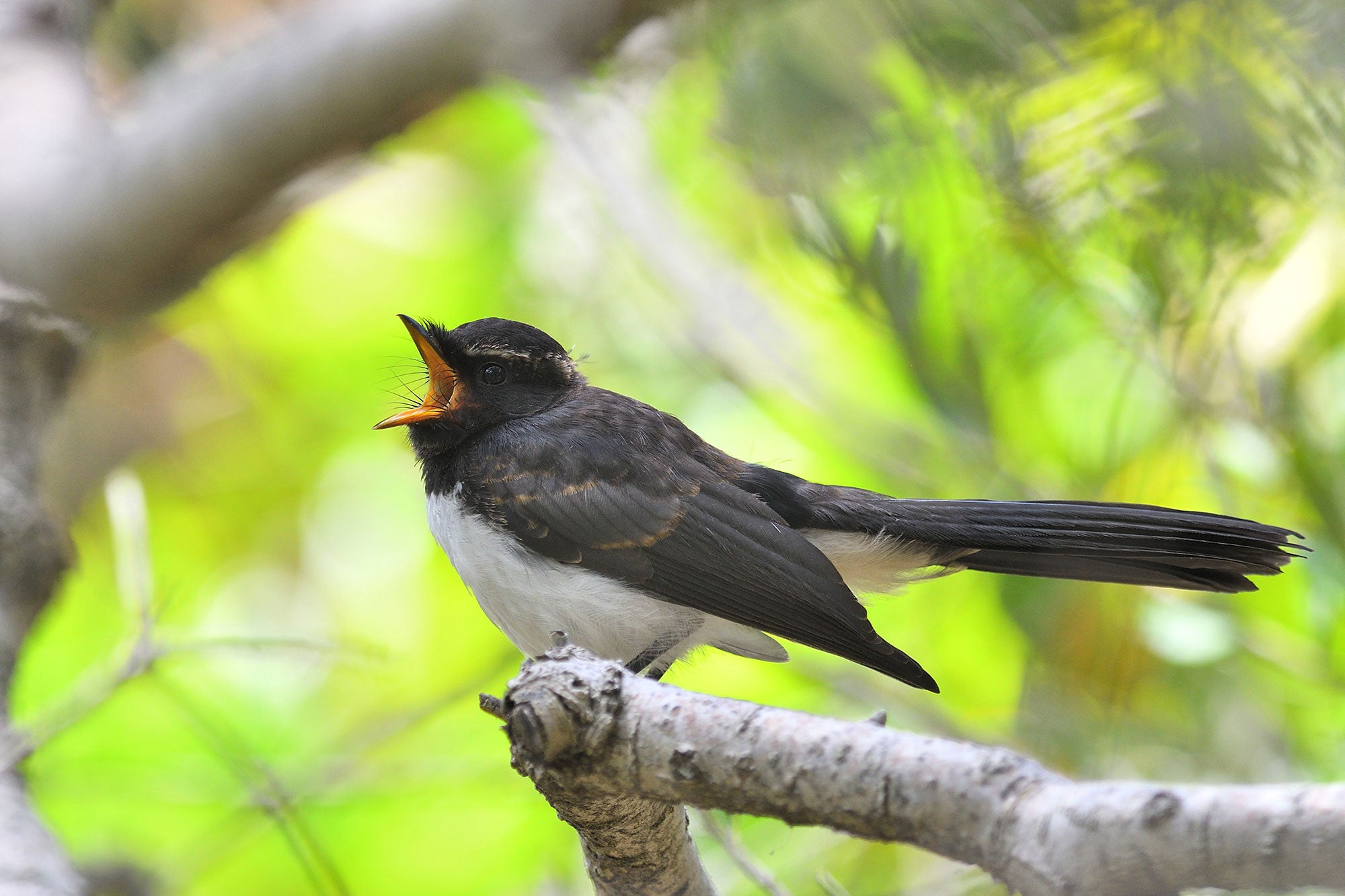
“Our messenger bird is the willy wagtail — they play an important role in messaging in our community and are very sacred.”
Things don't feel the way they once did.
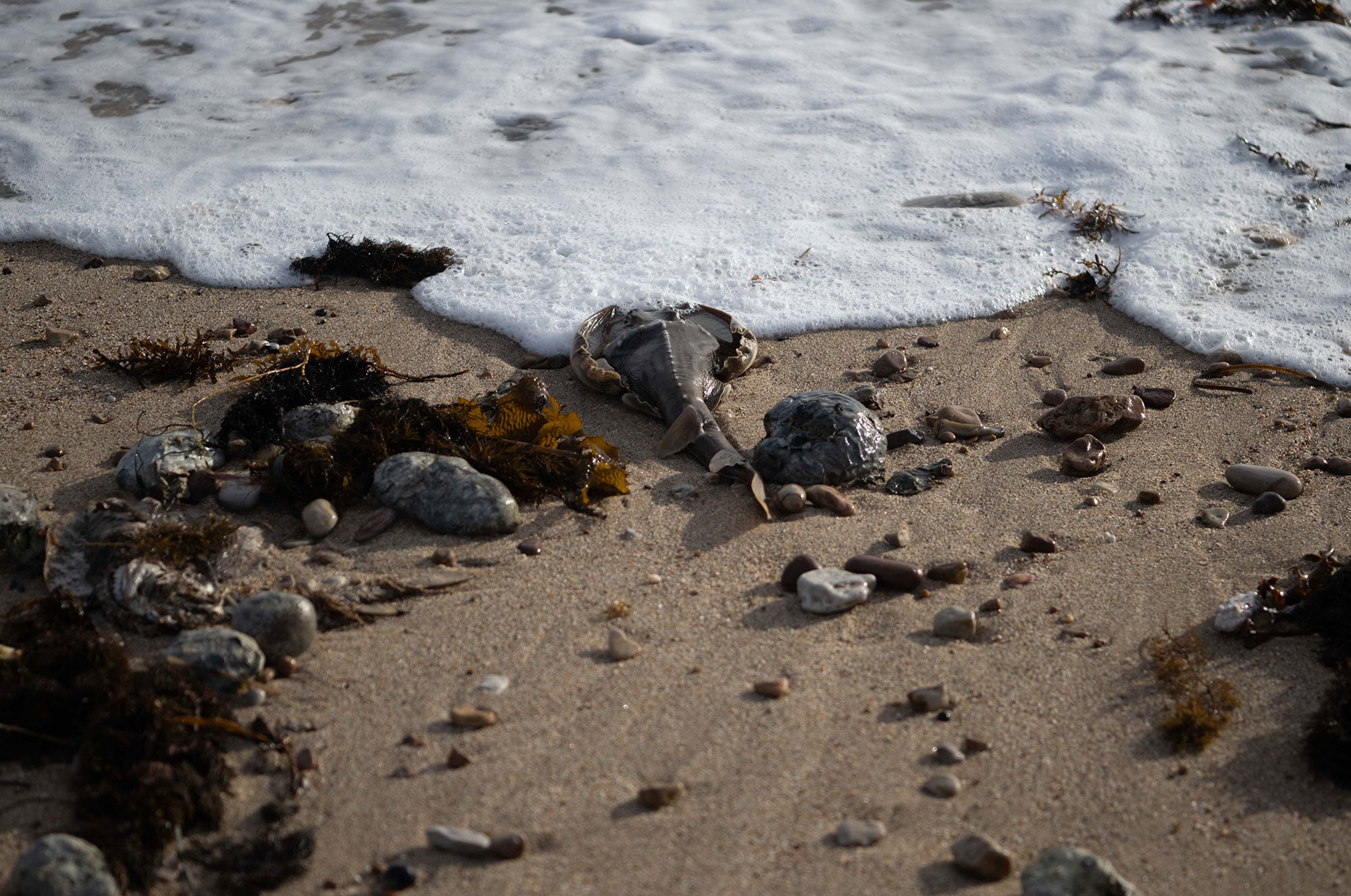
“The ocean now feels dead.”
In 2025, the algal bloom devastated our Sea Country.
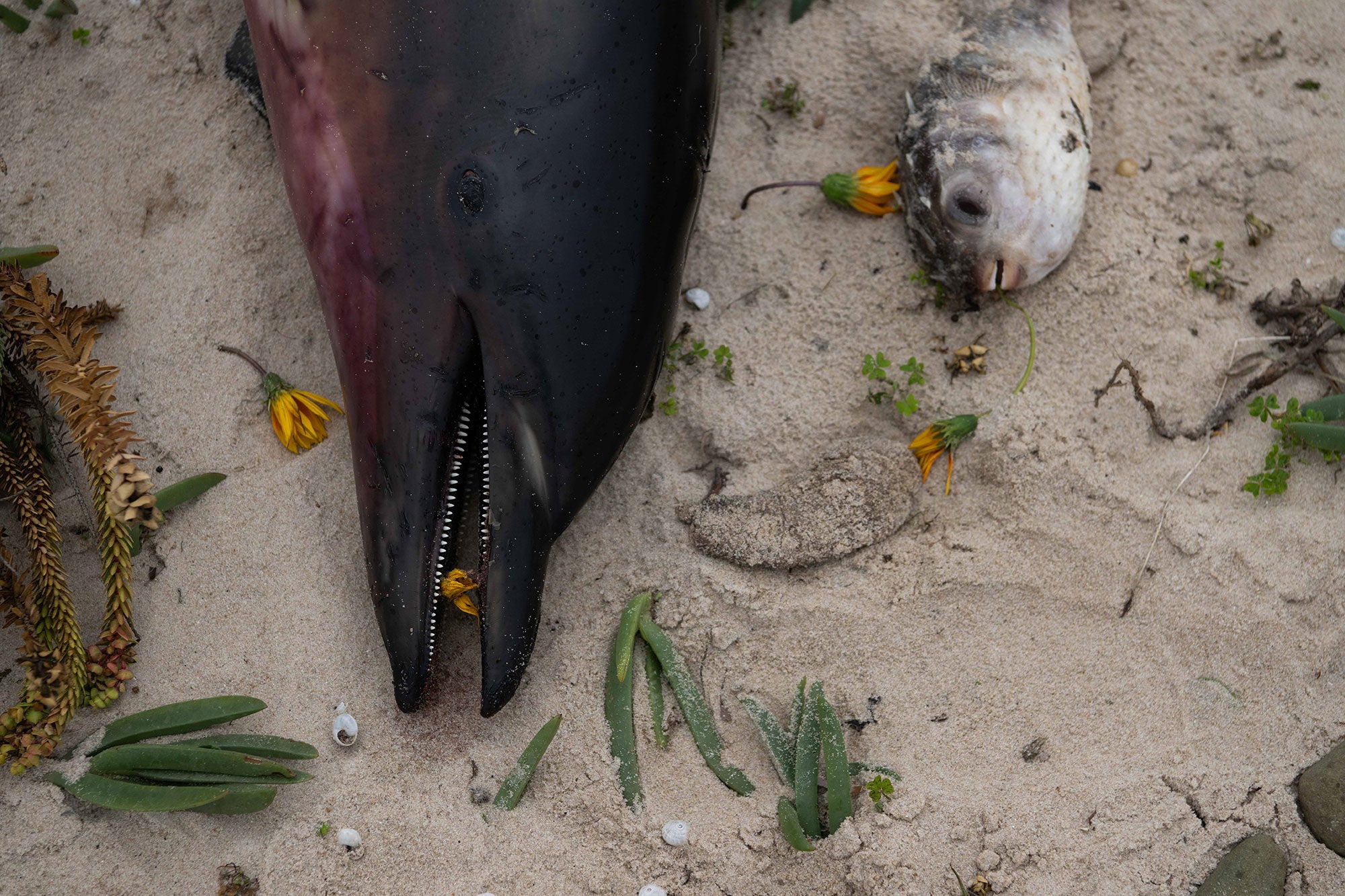
We immediately knew something was wrong. The water looked different, smelt off, and thick foam covered the beach.
Soon dead sea animals were washing up everywhere.
“I remember going to the beach and there was this thick foam in the water. It just smelt off and we told the kids they couldn't go in the water.”
As both a marine conservation biology student and an Aboriginal woman, that was devastating.
I was hearing professors talk about how species might never recover from the bloom, while knowing this wasn't just an ecosystem to me — it was my Country.
Stories don’t get told at the supermarket
The algal bloom disrupted major cultural practices, including our annual butterfish competition where young people learn to fish, prepare food, yarn and spend time with Elders.
My younger siblings have missed out on learning directly from our grandfather and Elders because we can no longer safely be on Sea Country in the same way.
“The algal bloom means that we cannot hunt and eat from the ocean which is a huge part of our cultural identity.”
Stories don’t get told at the supermarket. Usually we would just call each other up and share or catch. We are having trouble being able to sustain ourselves now.
For me, climate change is not just environmental damage. It's cultural loss, grief and disconnection.
I worry deeply about what younger generations are losing. Our youngest sibling never got to do bush kindergarten because the place where it used to happen was destroyed by bushfire. I worry about cultural knowledge being lost before it can be passed down.
At the same time, I still believe strongly in our people and culture. I do this work because I want future generations to inherit healthy Country, and communities that feel safe and connected.
Why I joined the Hard Truths human rights case
I'm part of this case because governments need to understand that climate change is already harming First Nations people, culture and Country right now.
We are already living through extreme heat, algal blooms, bushfires and environmental destruction that are disrupting cultural practices that have existed for tens of thousands of years.
“Now we are being forced off our sea Country because of algal blooms and our land because of bushfires and extreme heat.”
I want governments to stop treating First Nations communities as an afterthought and start listening to the people who know Country best.
We need serious action to move away from coal and gas, protect ecosystems, and support communities facing climate harm now — not years from now, after more damage has already been done.
“I have met with Government officials in Canberra and their message to us was that it is ‘too late’ for some First Nations communities across Australia who are already most at threat from the climate crisis. We can’t accept that.”