
Adelaide
Mel Fisher
“I genuinely thought I might die there, alone, from the heat.”
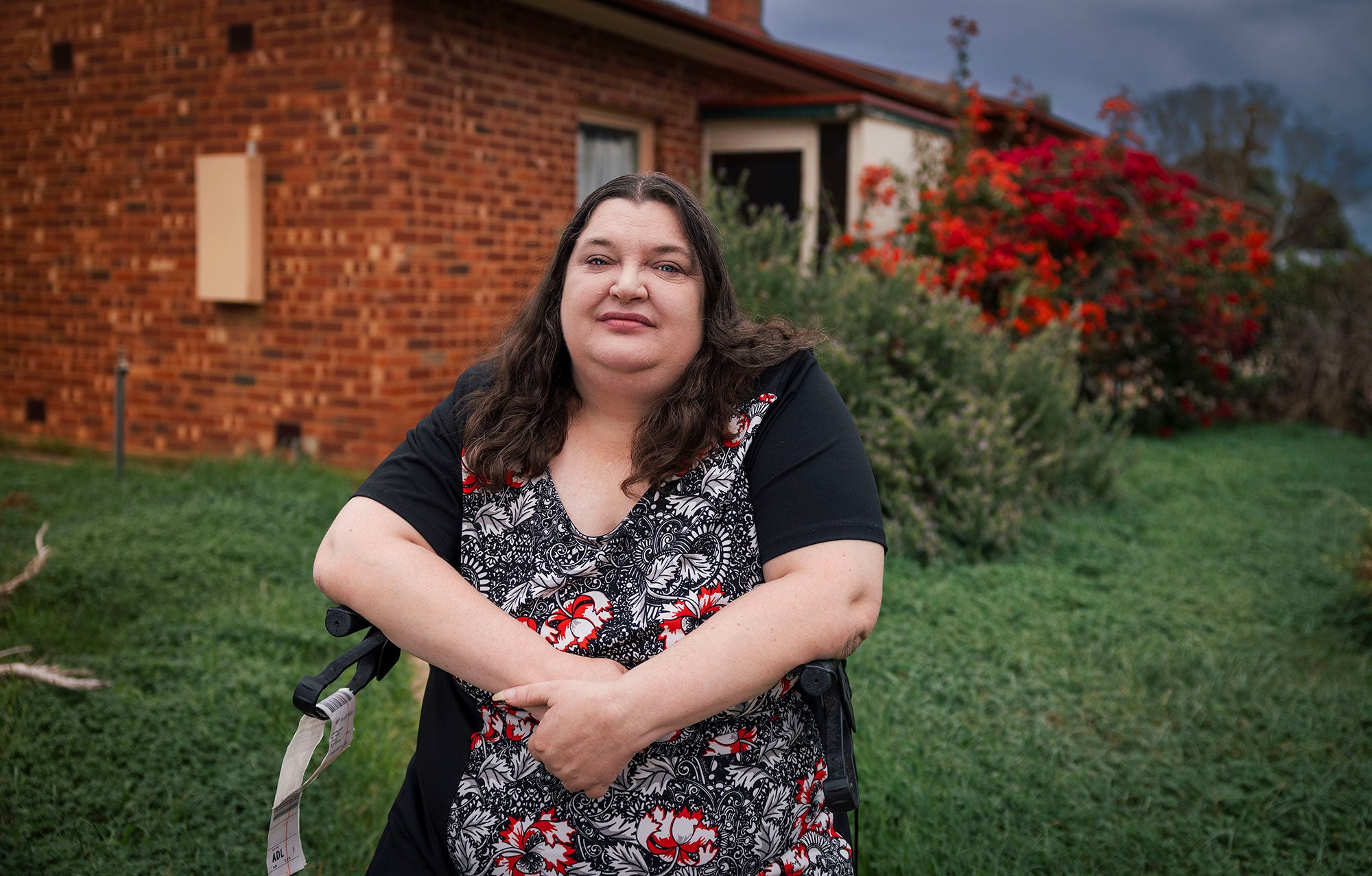
Portraits by Rebecca Parker

Melissa Fisher lives in Elizabeth Vale in South Australia, where worsening heatwaves are making everyday life increasingly dangerous and unaffordable.
In the public housing unit she rents, concrete walls radiate heat long into the night, the tin roof traps hot air, and during severe heatwaves even the tap water runs warm.
Living with Hidradenitis Suppurativa, a severe auto-inflammatory condition that becomes significantly worse in hot weather, Mel says extreme heat can leave her trapped inside her home without safe ways to cool down.
Alongside managing chronic illness, she advocates on disability rights, poverty and energy affordability, using her lived experience to speak out for communities disproportionately affected by climate change.
“I dread the summers.”
Climate change affects every part of my life because extreme heat directly impacts my health condition.
I have Hidradenitis Suppurativa, a severe auto-inflammatory skin condition that becomes much worse during hot weather.
During a flare, my skin becomes swollen and inflamed, sometimes developing painful abscesses and infections. Sometimes the pain gets so bad that even small movements hurt. It can feel like my skin is ripping and tearing.
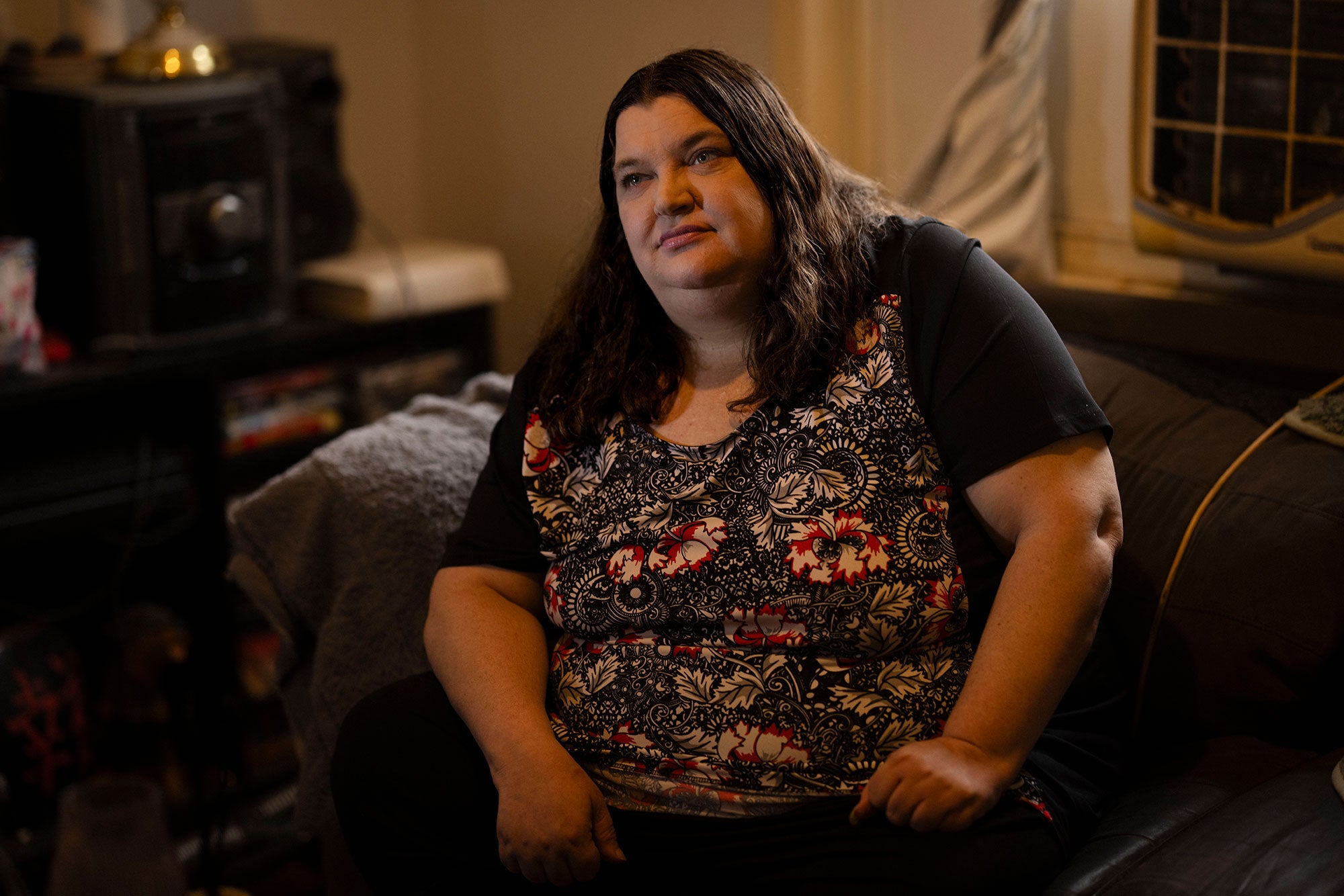
“Growing up in Adelaide, summers were hot, but they weren’t like this.”
I remember teachers saying that if it got above 38 degrees we might get sent home from school – but that hardly ever happened. Now it regularly reaches over 40 degrees where I live and the heatwaves last for days.
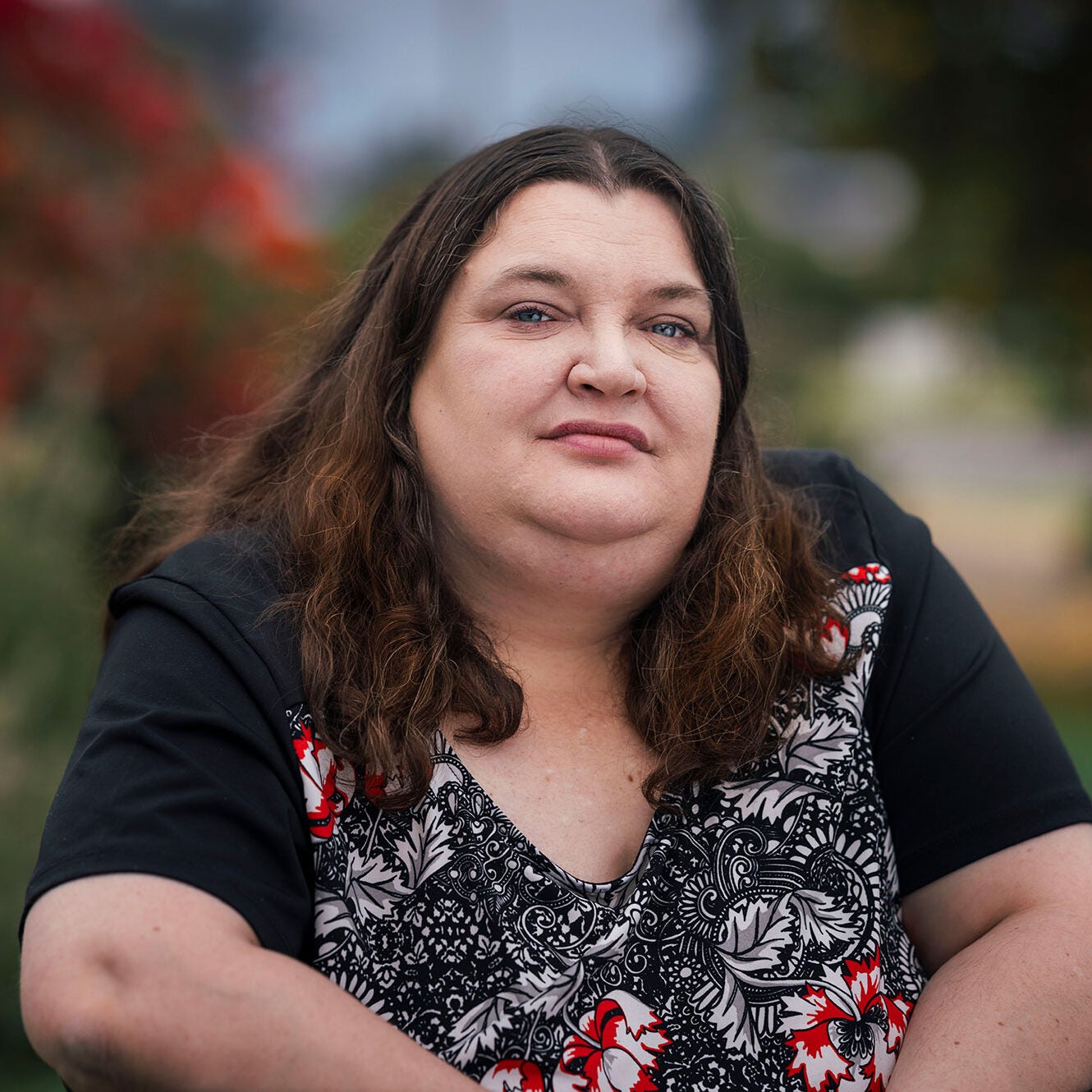
“The tap water was so hot that I couldn’t even cool down.”
I live in a small public housing house made of concrete and brick with a tin roof and no insulation.
During heatwaves, the walls become hot to touch and I can feel the heat coming through the ceiling.
Sometimes even the tap water runs hot.
I use a second-hand air conditioner I bought for $30, but once temperatures get above 35 degrees it stops making much difference.
“My house was so hot and once it heats up, it can stay hot for 4-to-5 days after things have cooled down again.”
When people suggest going somewhere cooler, it’s not always that simple.
No one wants to go sit in a shopping centre when you can’t even afford to buy a drink there. Public transport is too expensive and when I’m in a flare, even doing a small walk feels impossible.
That leaves me stuck at home, boiling.
The week I thought I might die
During the January 2026 heatwave in Adelaide, temperatures reached 46, 47 degrees Celsius for almost a week.
One night I remember looking at the clock at 2am, and it was still 35 degrees Celsius inside my house.
I became dizzy and struggled to breathe.
“I could feel the heat coming through the ceiling and I was so short of breath that it felt like I couldn’t breathe. It was like my body was fighting for its next breath.”
I was home alone. I remember thinking that I was going to die and my brother was going to find me dead.
These experiences make me feel trapped and terrified.
Climate change doesn’t affect everyone equally
What scares me most is knowing things are getting worse.
People living in poverty, people with disabilities and chronic illnesses, and people in poor-quality housing are often the ones hit hardest.
I constantly worry about infections, hospitalisation, heatstroke and whether I’ll be able to afford enough electricity to keep myself cool.
I’ve already gone thousands of dollars into debt just trying to survive summers safely.
“I know I will have to go into debt again just to keep myself alive and cool.”
Why I joined the Hard Truths human rights case
I’m part of this case because I believe governments have a responsibility to protect people from climate harm, especially people who are already vulnerable.
Right now, people like me are being left to deal with worsening heatwaves without enough support, while governments continue making decisions that make climate change worse.
I want decision-makers to understand that these heatwaves are already affecting people’s health, housing, finances and ability to survive.
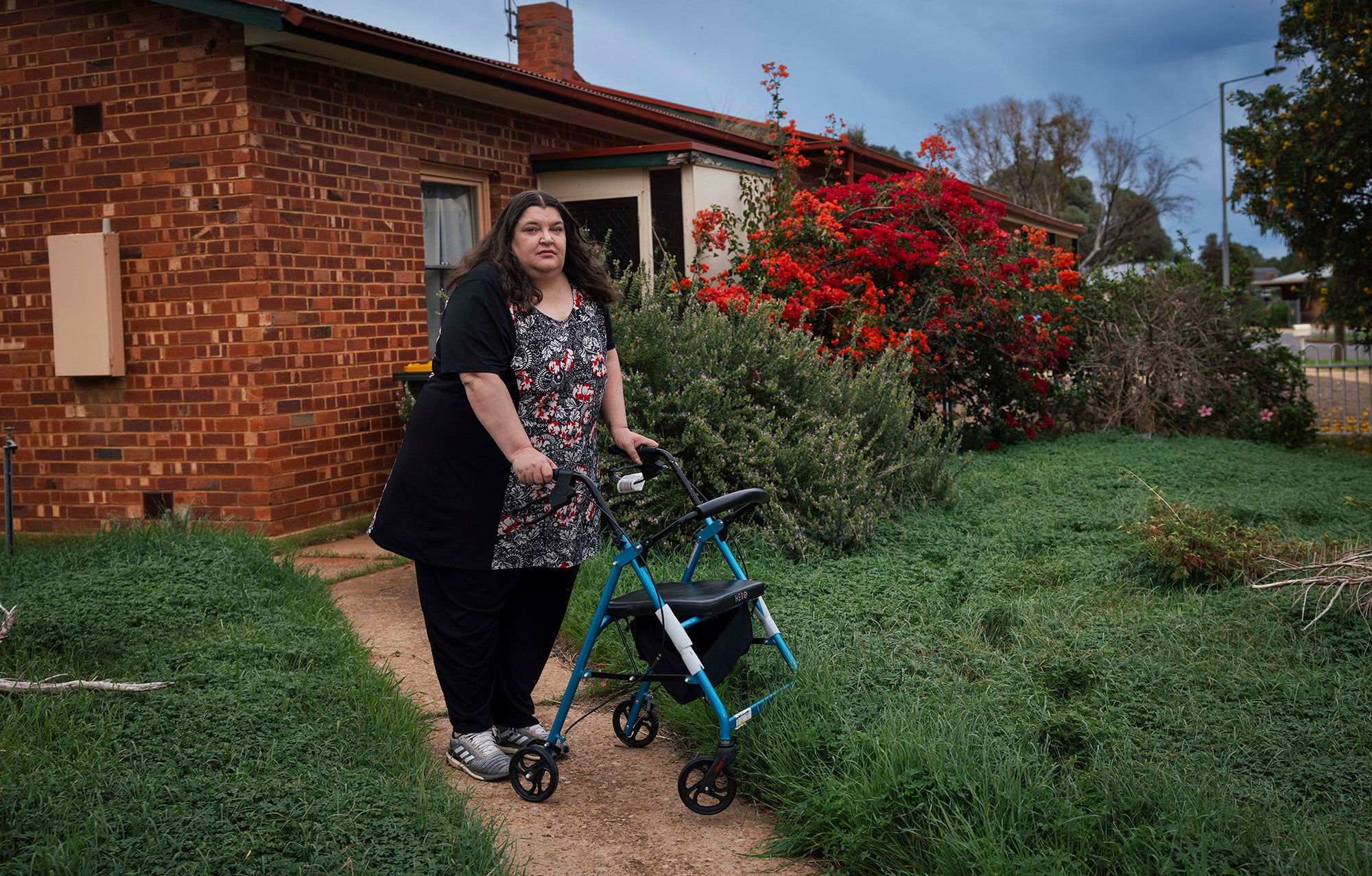
“I know that my skin condition can turn deadly and I feel so helpless knowing that on extremely hot days, there is nothing I can do except hope that I can stay cool.”
I hope this case helps push governments to take real climate action and better protect people living with disability, illness and poverty before more lives are put at risk.