
Adelaide
Pam Francis
“It felt like we were watching it die in front of our eyes.”
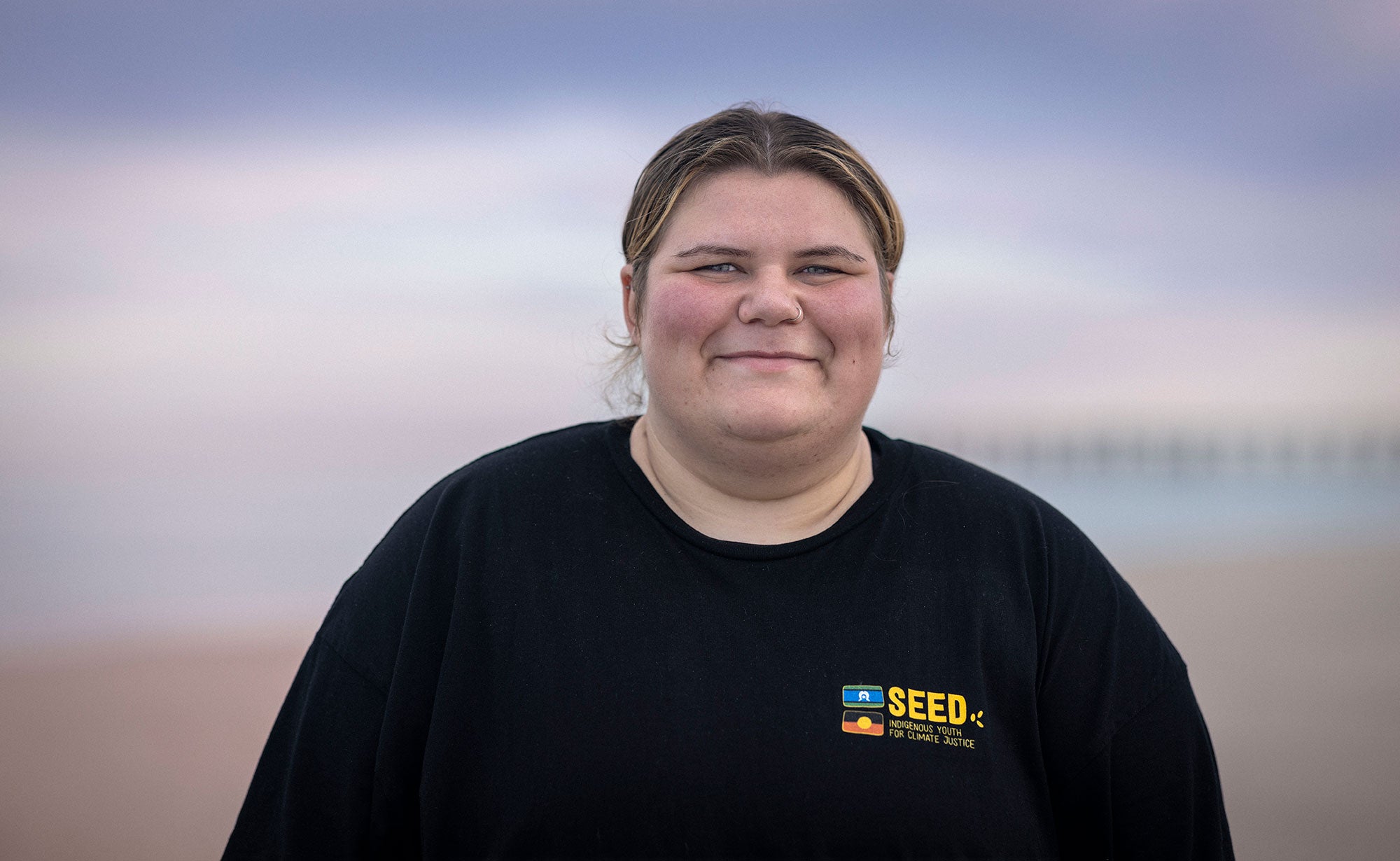
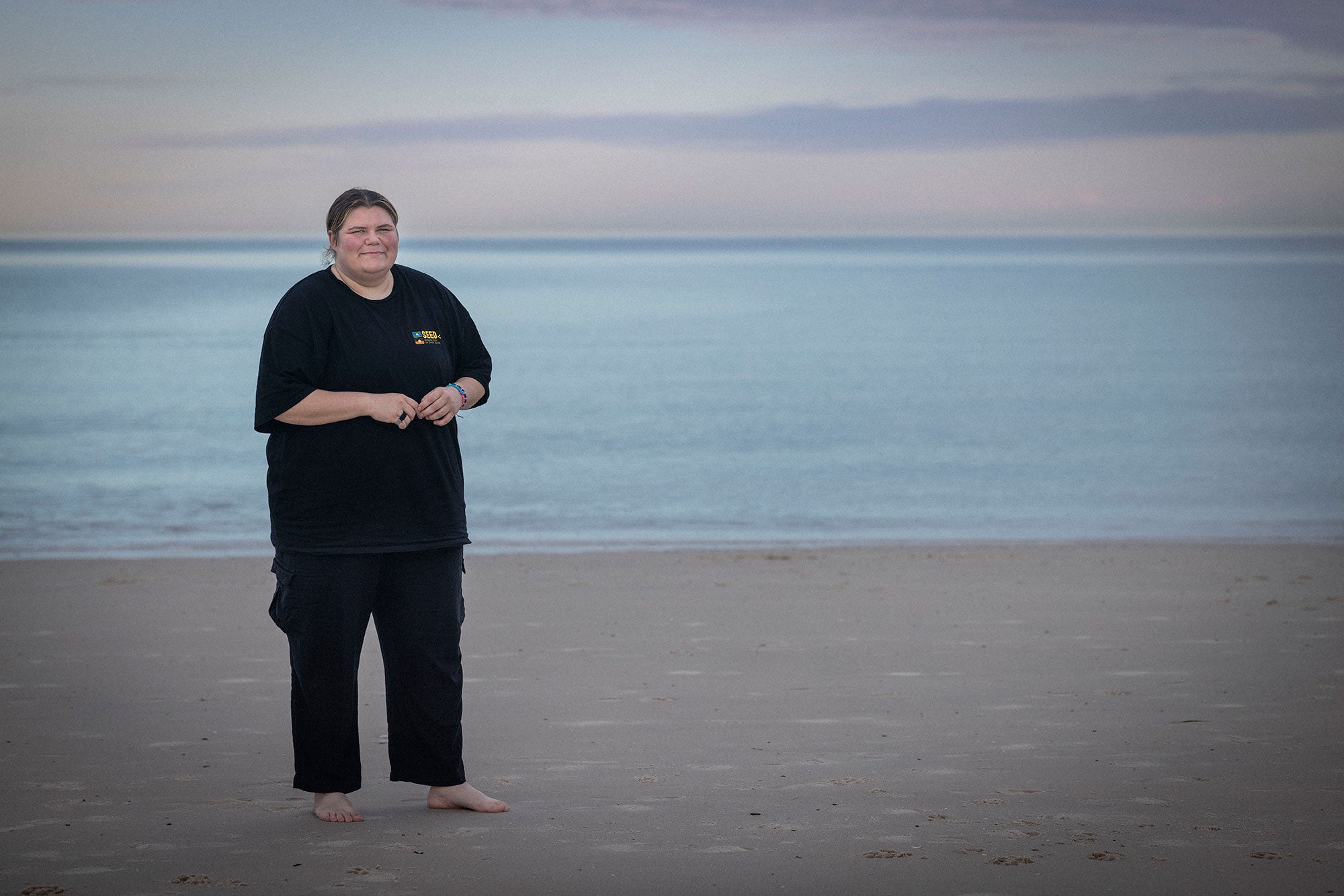
Portraits by Rebecca Parker



Narungga, Ngarrindjeri and Kaurna woman Pam Francis lives on South Australia's coast, where toxic algal blooms are affecting Sea Country her family has cared for and gathered on for generations..
An Aboriginal Community Education Officer, Pam teaches young Aboriginal children about language, culture and Country while witnessing major environmental change along the coastline..
As extreme heat, bushfires and toxic algal blooms reshape the places she grew up in, Pam is fighting to protect cultural knowledge and connection to Country for future generations.
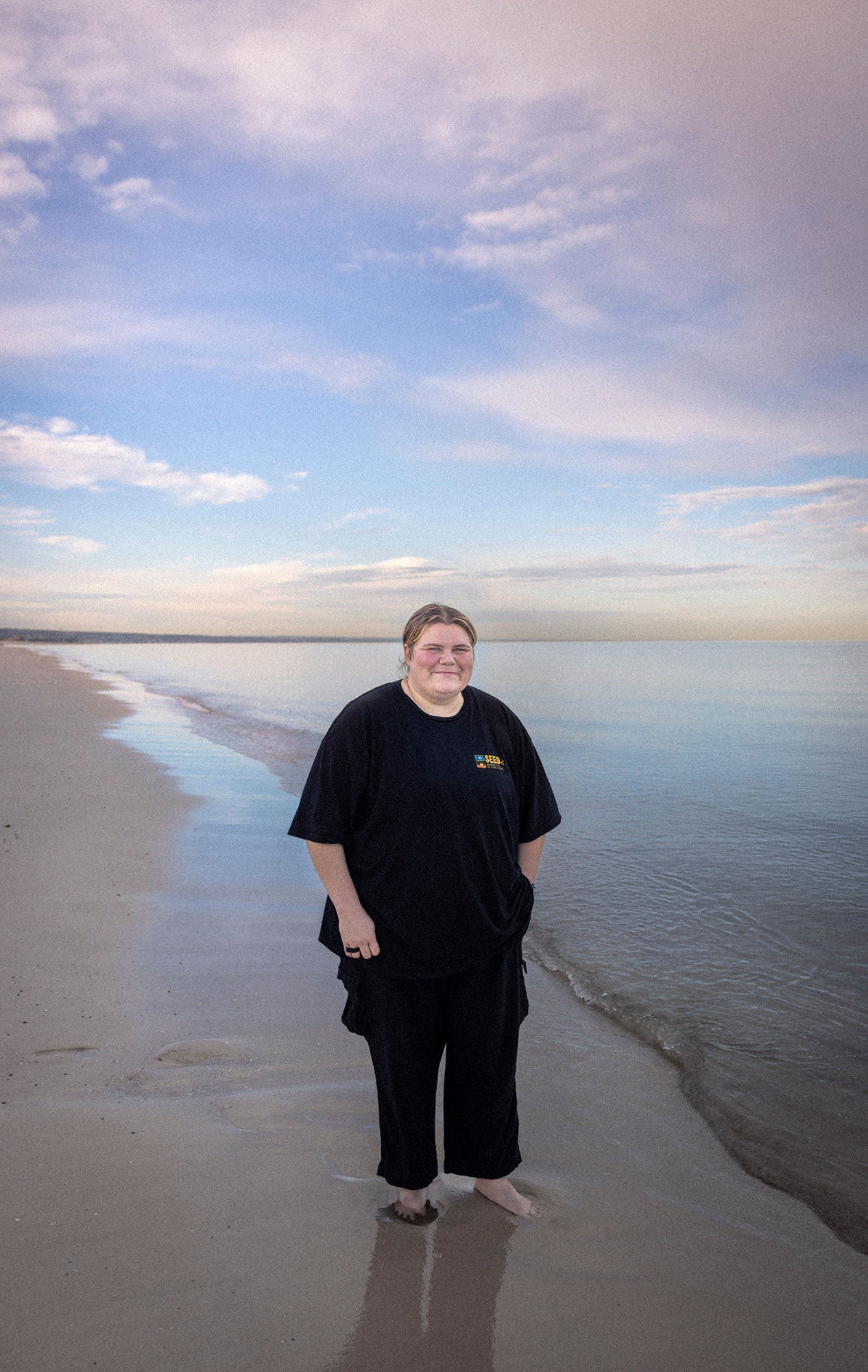
When I am on Country I feel more at peace — more grounded.
My family and I have always connected with our culture by spending time on Country, especially by the ocean.
Growing up, we were always in the water — swimming, fishing, learning cultural practices and spending time together at places like Port Victoria, where I learned to swim under the jetty.
Country has always been where I feel most connected.
When I see Country hurting, I take on that hurt.
Then one day it was all just foam and death.
In 2025, a toxic algal bloom started poisoning the ocean and marine life along the South Australian coast.
Before the government even recognised what was happening, our Elders already knew something was wrong.
The water smelt strange and musky. The texture changed. It started stinging our eyes and leaving rashes on our skin.
“The best way to describe it is that the ocean became sticky, the sand was sticking to us in a way it usually didn't, and the smell and texture of the water lingered on our skin.”
We stopped swimming after that and we haven't been back in the water since.
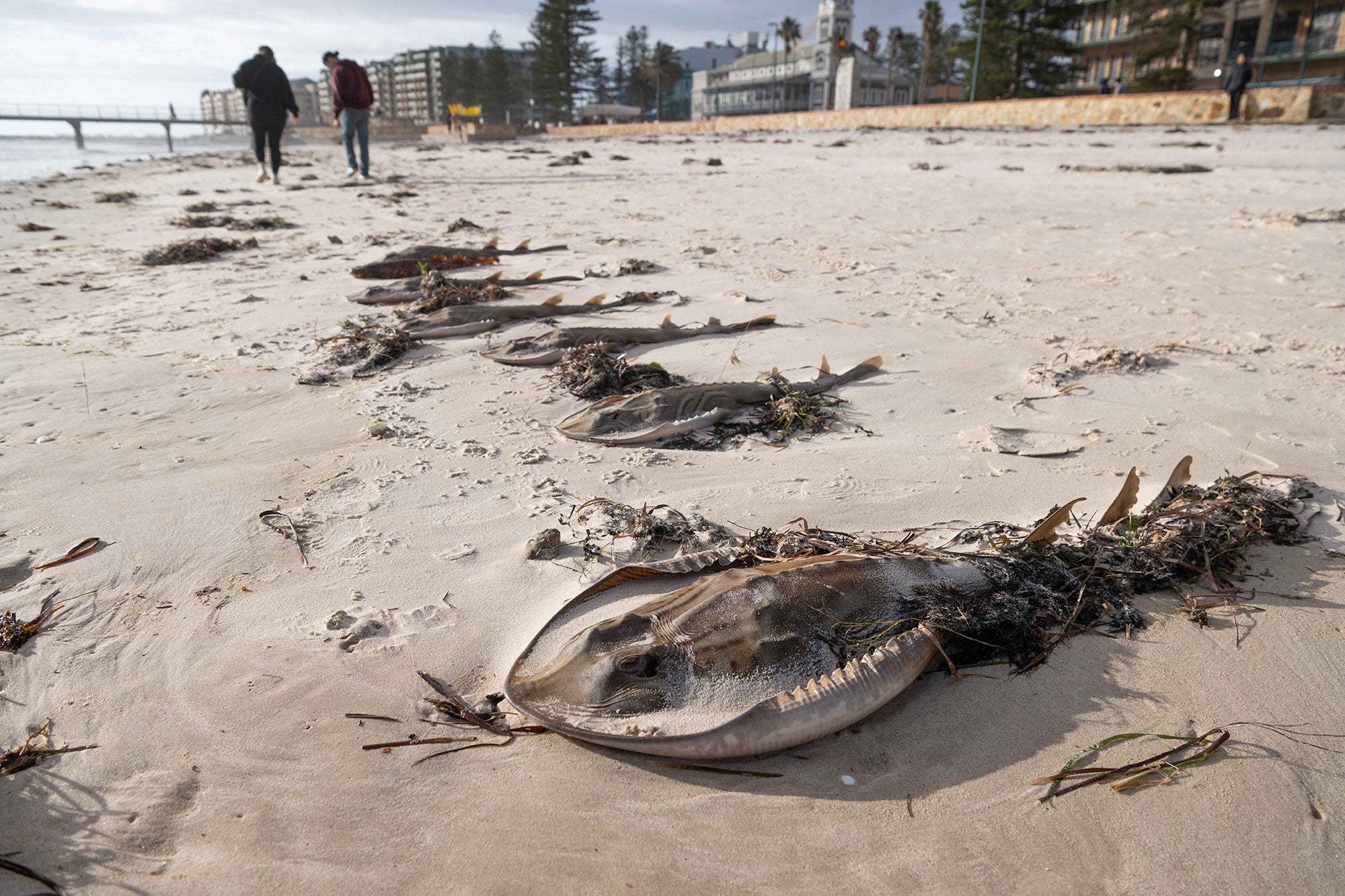
Then dead sea animals started washing up everywhere.
The water was disgusting and green and the sand was brown and just not right.
It felt like we were watching it die in front of our eyes.
The knowledge that risks being lost
The bloom has disrupted so many important cultural practices.
My community holds a butterfish competition every year where young people learn to hunt and families gather to cook, share stories and yarn together.
We haven’t been able to hold it because the water is too toxic.
That means younger people are missing out on learning cultural knowledge from our Elders in the ways it has always been passed down.
I also worry deeply about what is being lost for the next generation.
My youngest sister, who is seven, has never seen a black swan, one of our important cultural totems, because they have become so rare.
“I'm scared that our Elders will pass away before this algal bloom ends and that the young people coming up now will not get a chance to inherit their cultural understanding of the sea.”
The fight to save Country consumes me.
At the same time, extreme heat and bushfires are making it harder to spend time on Country.
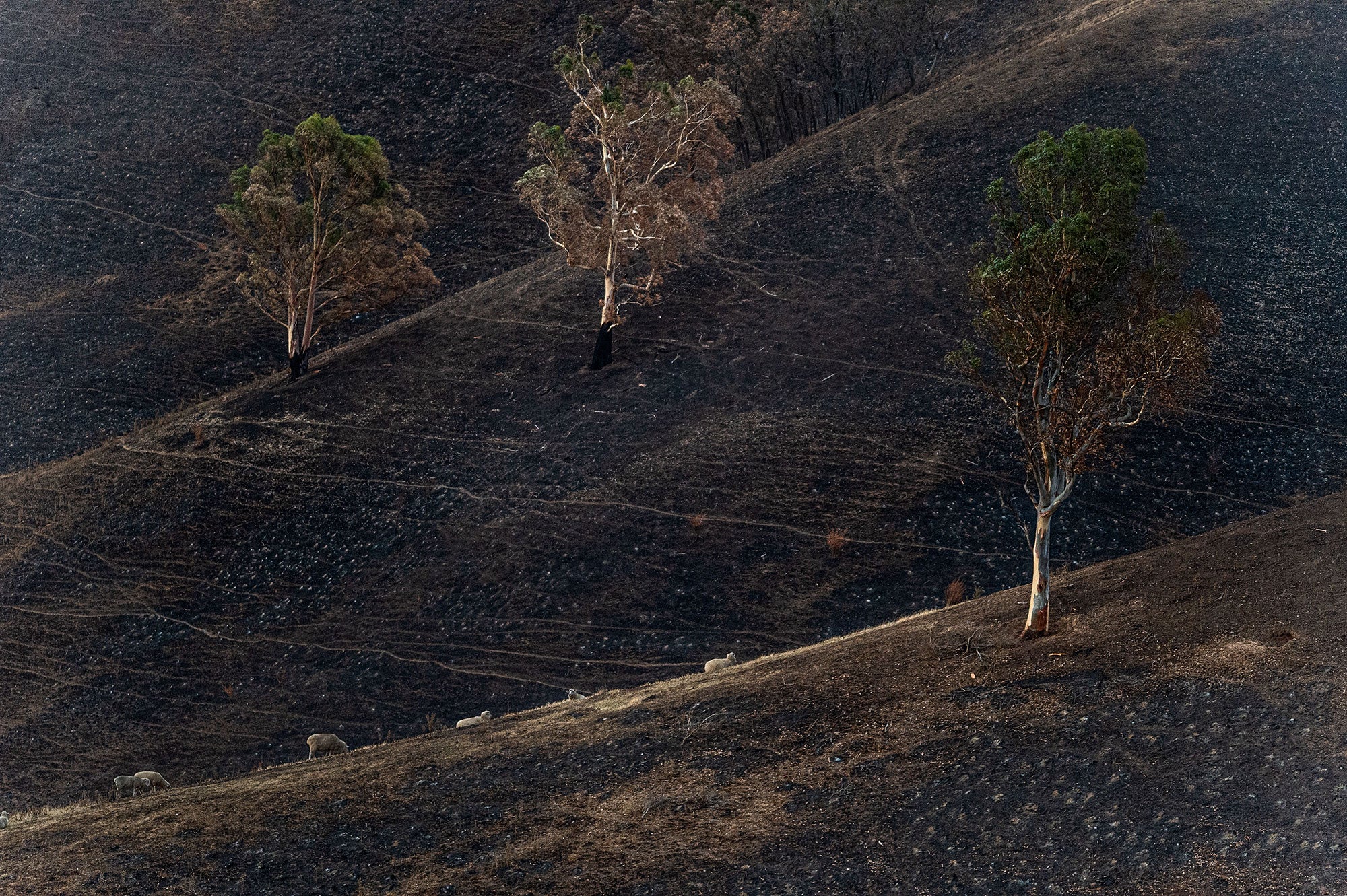
It is often too hot to safely be outside, especially for our Elders, and places where we used to gather bushfoods, share stories and spend time together have been damaged by fire and heat.
For me, this is about much more than environmental damage.
Climate change is disrupting the way our culture is lived, practised and passed on.
The algal bloom made me feel really helpless.
“Someday I want to be a great reservoir of our stories and histories and culture, but I worry that future is threatened by events like the algal bloom.”
Why I joined the Hard Truths human rights case
I'm part of this case because I want governments to understand that climate change is already harming our Country, culture and communities.
Our people have cared for this Country for tens of thousands of years, but we are watching places, cultural practices and important species disappear because governments are not taking strong enough action on climate change.
I want decision-makers to listen to First Nations people and take seriously the impacts we are already experiencing — from algal blooms and extreme heat to bushfires and cultural loss.
If I someday have kids, I want our Country to be healthy for them.
“I keep telling myself that our stories won’t die if we tell them, which is why I teach our young people about our culture. But my power to stop the land dying is more limited. We need the Australian Government to step up and help us save our Country.”