
Barkly Tablelands
Rikki Dank
“Country is not a place that I visit. It is something I belong to — an essential part of my identity, without which I cease to exist.”
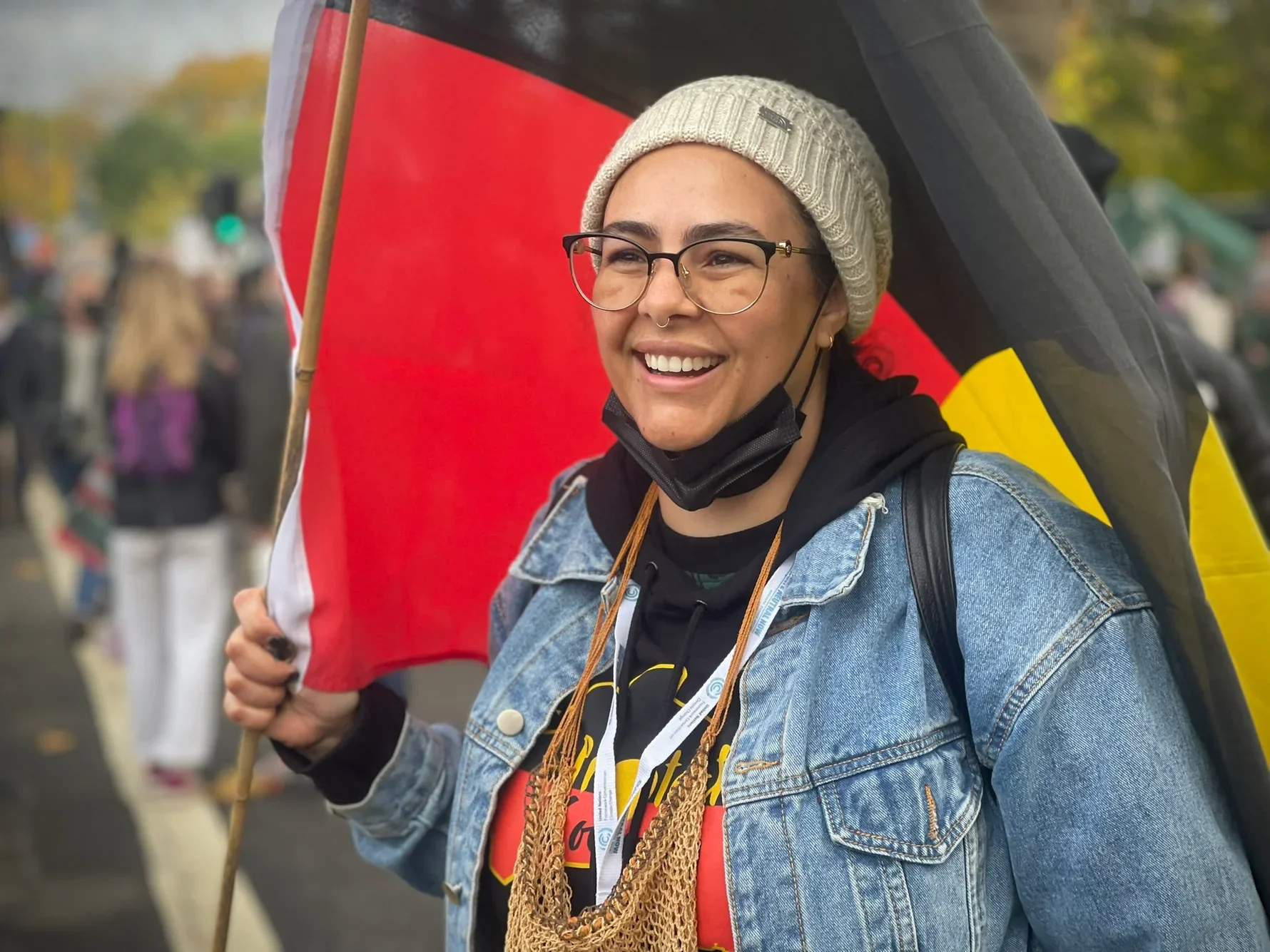

Gudanji and Wakaya woman Rikki Dank is a Traditional Owner from the Barkly Tablelands in the Northern Territory, she is an environmental and First Nations advocate, and a registered nurse.
Across her lifetime, Rikki has witnessed extreme heat, changing seasons, unpredictable rainfall and worsening wildfires affect her Country and community.
As climate change reshapes the landscapes and cultural practices that have sustained her people for generations, Rikki is fighting to protect Country, culture and future generations.
As a child, I knew only abundance — abundance of water, food and life.
The seasons were predictable, and our Elders taught us how to read the land, the weather and the behaviour of plants and animals. Those lessons shaped my understanding of who I am and my responsibilities to future generations.
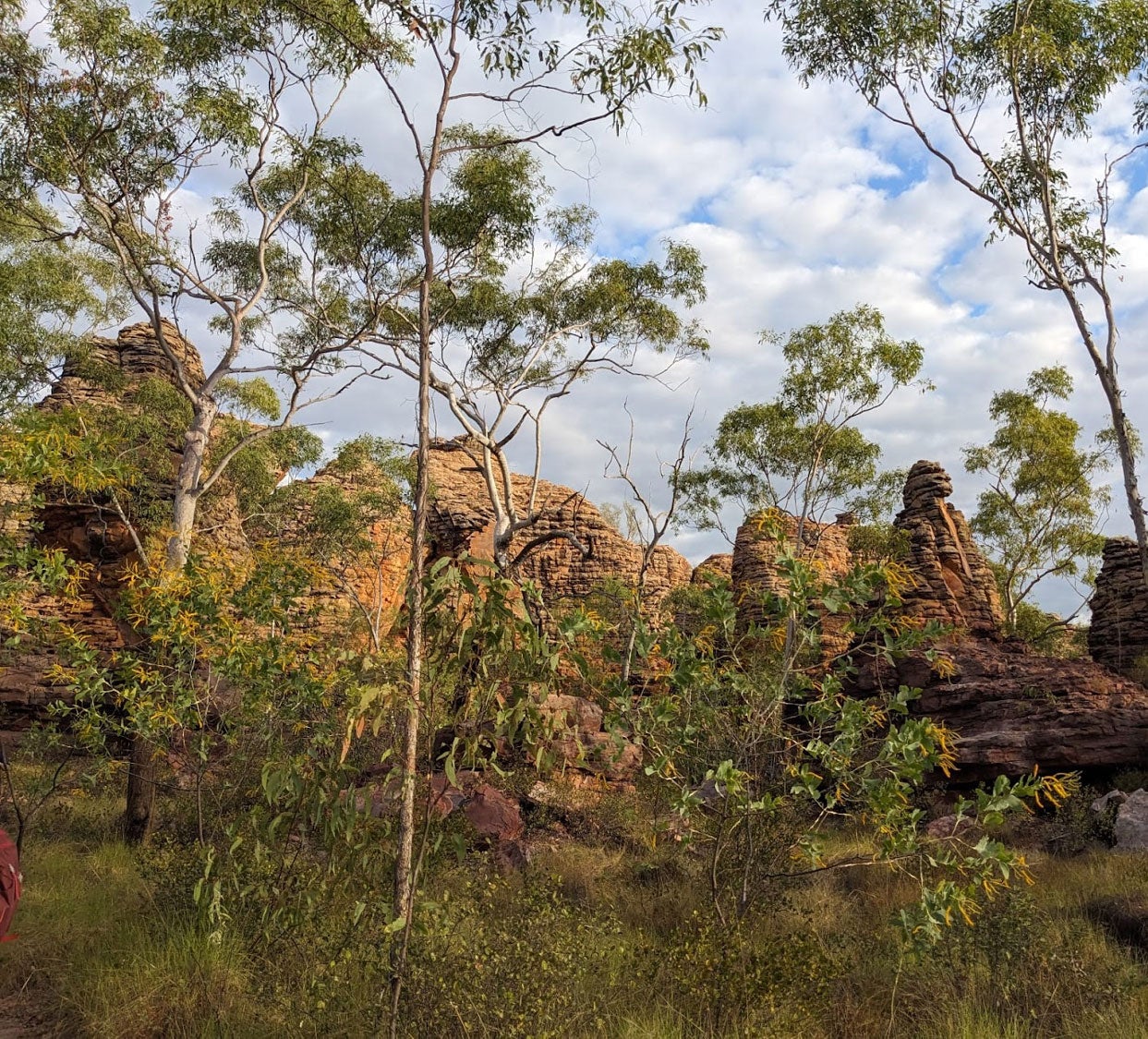
“My Country is vast, open and deeply alive. It holds red earth, spinifex plains, river systems and sacred places that carry stories older than memory.”
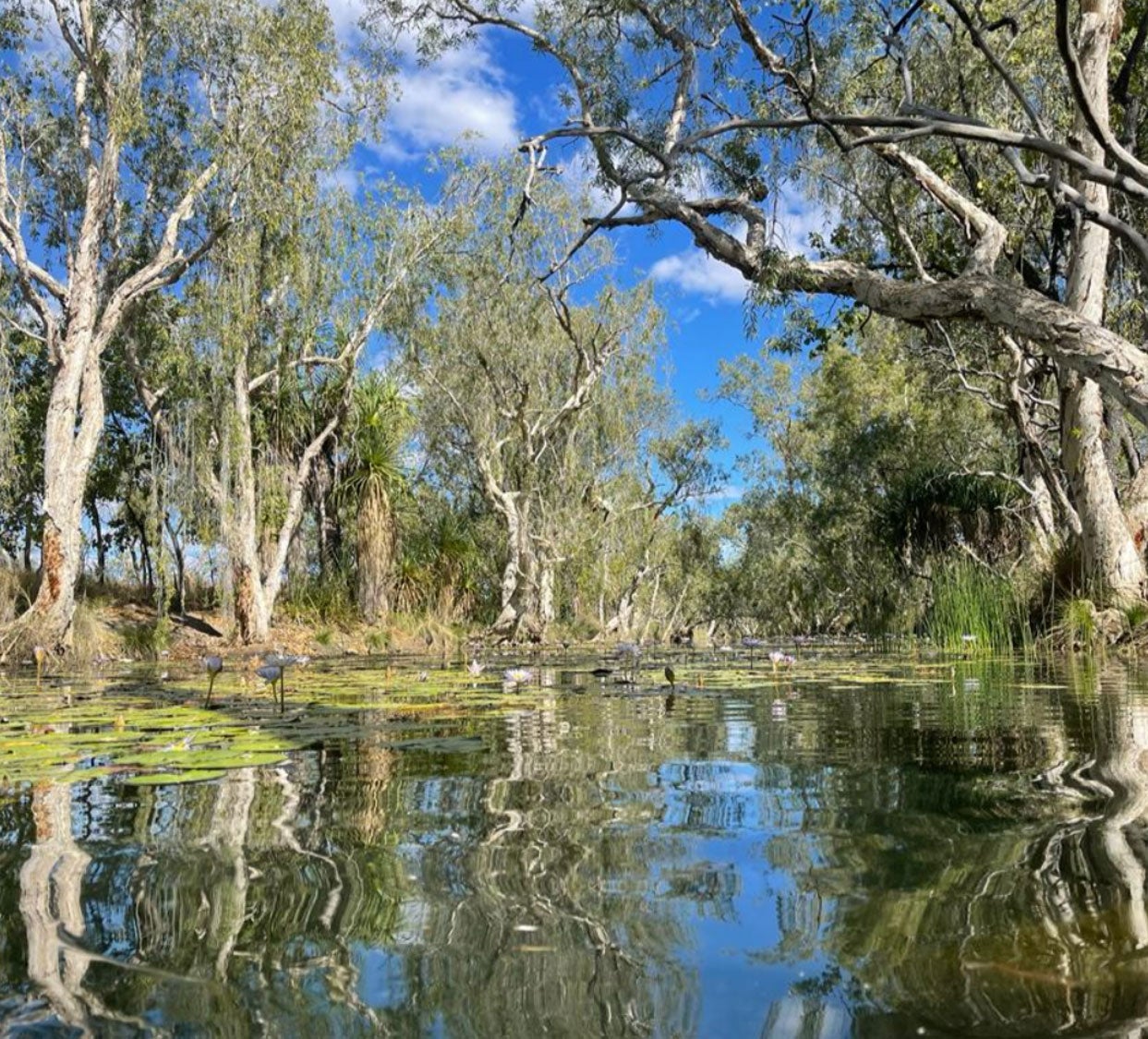
Then one day it was all just foam and death.
Across my lifetime, I have watched the rains arrive at different times, the heat become more intense and weather patterns grow increasingly unpredictable. Cultural practices that depend on knowing when to burn, harvest, gather and travel have become harder as the rhythms our Elders relied on continue to shift.
The changes have directly impacted my connection to Country. Cultural practices rely on timing — on knowing when to burn, when to harvest, when to gather, when to move. When the seasons shift, that knowledge is disrupted.
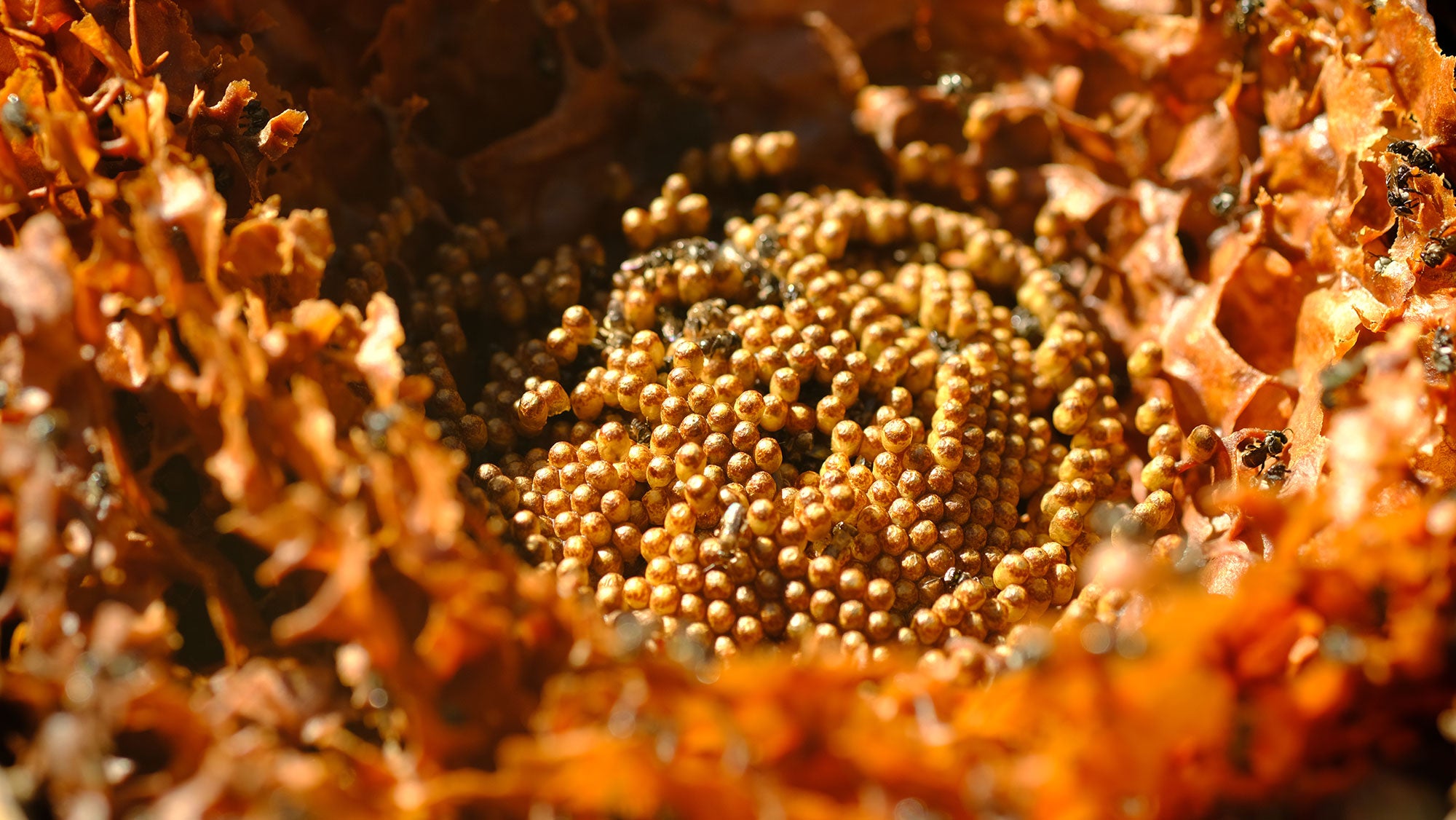
I see these changes in small but important ways too. Last year my cousin and I returned to places where our grandmother taught us to collect sugarbag, but the weather was much hotter than it should have been and we could no longer find the bees where they used to be.
“It breaks my heart because finding sugarbag is one of the ways we remember our old people who have passed on, like my grandmother, and experience Country.”
What worries me most is what these changes mean for future generations.
Knowledge is passed down by spending time together, walking with Elders, sharing stories and learning our responsibilities. But extreme heat is making that harder, and there are now times when it is simply unsafe to spend long periods outdoors or travel the distances people once could.
“It can become too hot to live inside, too hot to live outside.”
As opportunities to learn directly from Elders become fewer, I worry about what could be lost. I want future generations to inherit living knowledge and strong cultural connections, not just stories about what once was.
If our Country dies, we die with it.
For me, climate change is not just an environmental issue. It affects every part of our relationship with culture, community and place.
When the land is healthy, our stories, cultural practices and responsibilities can continue. When it is under pressure, those connections are placed under pressure too.
I want my daughter to inherit a living, functioning Country, not just stories about what it once was.
Why I joined the Hard Truths human rights case
I'm part of this case because I believe governments have a responsibility to protect people from foreseeable climate harm and to stop making the problem worse.
The impacts we are experiencing are not accidental. We are seeing more extreme heat, changing seasons, disruptions to cultural practices and growing challenges for communities trying to maintain their connection to the places that sustain them.
Australia continues to play a significant role in the climate crisis through the coal and gas it exports, while communities like mine are left to deal with the consequences. I believe there must be accountability for the harms already occurring and for those that will continue if meaningful action is not taken.
“The future generation needs to know that we are willing to fight not only to protect their future but to also protect their past.”