

Zeldin’s EPA Is Letting Trash Incinerators Poison Children. Now It’s Being Sued
Weak federal rules allow incinerators to release cancer-causing pollutants into communities of color, harming children’s development before they are even born
Contacts
Robert Valencia, rvalencia@earthjustice.org
Community groups from multiple states today sued the Environmental Protection Agency for failing to establish strong emission rules for municipal solid waste incinerators, large facilities that burn trash for profit and release mercury, lead, dioxins, and other cancer-causing pollutants into neighborhoods across the country.
The lawsuit, filed by Earthjustice and the Environmental Integrity Project on behalf of Sierra Club, Ironbound Community Corporation, East Yard Communities for Environmental Justice, South Baltimore Community Land Trust, and Florida Rising, argues that EPA Administrator Lee Zeldin’s agency has defied the Clean Air Act by setting incinerator emission standards far weaker than what modern pollution controls can achieve and far weaker than the law requires.
“These incinerators are burning garbage and releasing poisons that cause cancer and can harm children’s development,” said Jonathan Smith, Earthjustice attorney. “Every day that the agency delays strong standards, families in places like Newark, South Baltimore, and across Florida pay the price with their health because corporations want to save some money instead of doing right for the surrounding communities.”
Municipal solid waste incinerators are among the largest sources of dioxin pollution in the United States. Dioxins are potent carcinogens with no safe level of exposure, capable of causing permanent harm to a child’s development even before birth. These same smokestacks release mercury, arsenic, and cadmium — dangerous pollutants linked to cancer, heart disease, and lifelong developmental damage. Yet despite the well-documented risks, the EPA failed to strengthen its regulations, leaving communities to bear the health consequences while companies continue to profit.
Incinerators are spread across the country, but their impacts are not felt equally. In Newark, Covanta’s Essex facility, located in a community where 78% of residents are people of color, emitted more than two million pounds of air pollutants in 2020 alone. In South Baltimore, the BRESCO incinerator towers over a predominantly Black neighborhood. People throughout Florida are dealing not only with the current, polluting incinerators in their backyards, but also the threat of new incinerators being placed in their communities.
Quotes from our clients and partners
“Our children grow up breathing some of the most polluted air in California. Weak federal rules let incinerator corporations off the hook while our families pay with their health,” said Andrea Luna, policy analyst at East Yard Communities for Environmental Justice. “Corporations should not be allowed to profit from poisoning us.”
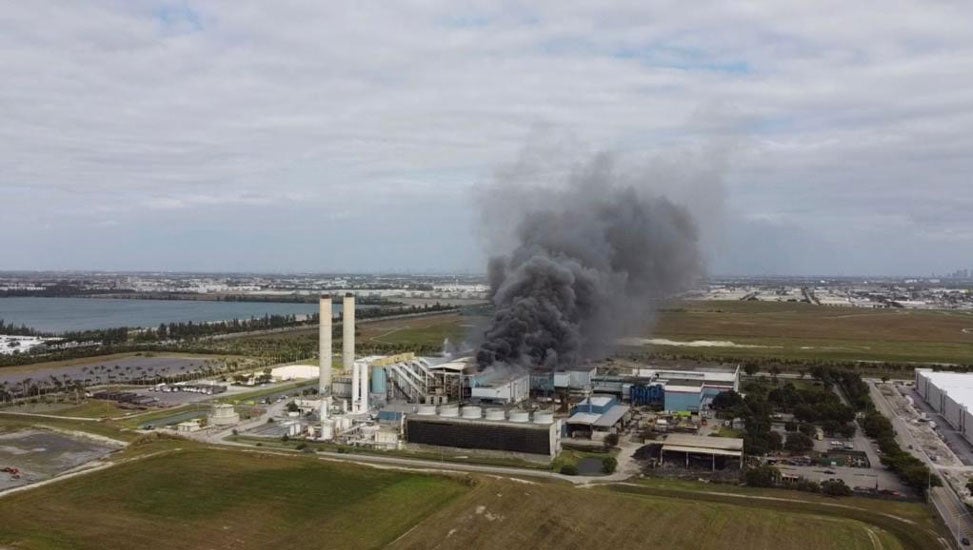
“Floridians watched a Reworld incinerator burn for weeks and breathed the smoke. We filed complaints, we showed up, and we were ignored,” said MacKenzie Marcelin, deputy campaigns director, Florida Rising. “The Zeldin EPA’s failure to protect us is an injustice that falls hardest on communities that need their help the most.”
“Ironbound residents live with elevated asthma rates, cancer diagnoses, and the daily reality of what comes out of that smokestack,” said Alejandra Torres, assistant director of organizing and advocacy at the Ironbound Community Corporation. “Our community should not have to go to court every time we want a company or the government to follow the law.”
“The science on dioxins, lead and mercury is not in dispute, these chemicals cause cancer, interrupt healthy brain development, and harm children the most,” said Jane Williams, chair of the Sierra Club’s National Clean Air Team. Communities hosting these facilities, which are often environmental justice communities, have waited decades for the clean air protections the Clean Air Act requires. EPA’s failure to adopt a rule which protects the health from these emissions is costing people their lives.”
“These incinerators have been operating under illegal standards for decades while families in nearby communities get sicker,” said Haley Lewis, senior attorney, Environmental Integrity Project. “It’s time for the EPA to stand by the communities they are meant to protect.”
Read Decades of Denial, Earthjustice’s report on municipal waste incinerators.
Additional Resources
About Earthjustice
Earthjustice is the premier nonprofit environmental law organization. We wield the power of law and the strength of partnership to protect people's health, to preserve magnificent places and wildlife, to advance clean energy, and to combat climate change. We are here because the earth needs a good lawyer.