

Trump’s EPA Moves to Ax Requirement that Coal Plants Treat Toxic Wastewater Seeping into Lakes and Rivers
EPA proposes to rollback requirements on the amount of arsenic and mercury that coal power plants are allowed to discharge
Contacts
Kathryn McGrath, kmcgrath@earthjustice.org
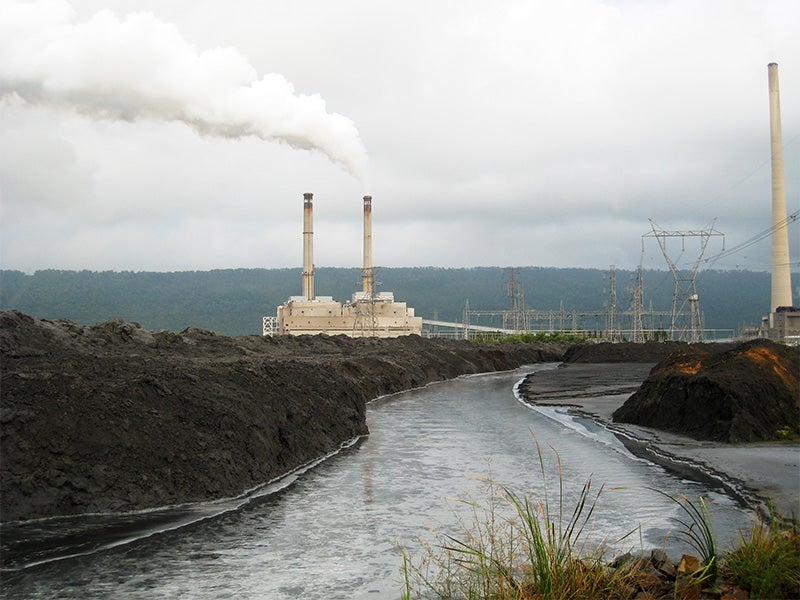
Today, the Trump administration released a draft plan to gut drinking water protections that would have required coal power plants to treat their toxic “unmanaged” leachate wastewater under the Effluent Limitation Guidelines (ELGs). This pollution consists of toxic metals such as mercury, arsenic, and other harmful pollutants that have leached out of coal ash dumps and contaminated groundwater, which then is discharged into waterways, such as lakes and rivers, which are often sources of drinking water.
Under the proposal, coal power plants would only be required to treat this contaminated groundwater if they first decide to pump it to the surface as part of a groundwater cleanup. The proposal would exempt contaminated groundwater that seeps into waterways such as rivers, lakes, and streams from mandatory treatment requirements.
The EPA previously estimated that treatment requirements for unmanaged leachate would prevent between 113 and 601 million pounds per year of pollutants from contaminating water at between 61 and 113 facilities across the country. EPA estimates that the proposed rollback announced today would relax federal standards at the vast majority of those facilities (as many as 104 plants).
“This is another example of the Trump administration endangering the health of Americans as a favor to corporate polluters,” said Earthjustice attorney Thom Cmar. “This plan would eliminate safeguards on hundreds of millions of pounds of wastewater with neurotoxins and cancer-causing contaminants. It would allow coal power plants to avoid cleaning up contamination that threatens our drinking water sources.”
In 2024, the EPA strengthened the ELGs on several types of plant wastewater, including unmanaged leachate, to require coal power plants to substantially reduce the amount of pollutants that they are permitted to dump into U.S. waterways. The proposal EPA announced today focuses on gutting requirements that unmanaged leachate be treated to substantially reduce the arsenic and mercury that coal power plants are allowed to discharge.
Coal plant wastewater pollution is so concerning that the association of utilities that supply roughly 80% of North America’s drinking water (the American Water Works Association) submitted comments to the EPA about the Effluent Limitation Guidelines jointly with Clean Water Action, and the Alliance of Nurses for Healthy Environments also spoke out, warning about the effects for drinking water
Industry has been pushing hard to avoid these requirements. The White House’s Office of Management and Budget met this spring about the leachate proposal with the utility lobbying group the Edison Electric Institute; the Indiana Department of Environmental Management on behalf of Indiana utilities; DTE Energy in Michigan; and PPL Corporation, which owns utilities in multiple states, most notably LG&E and KU in Kentucky. Other companies and industry groups have been lobbying EPA for these changes, too, including by submitting written comments to EPA’s docket last year.
The administration has said that it plans another effort to weaken standards for other wastewater discharges under the Effluent Guidelines, to be launched potentially later this year. This rulemaking would reconsider standards for other wastewater generated by coal power plants, including air pollution scrubbers and water used to flush out coal ash that accumulates at the bottom of the coal boiler (known as bottom ash).
Background
Power plants have historically been by far one of the largest sources of toxic pollutants in America’s rivers, lakes, and streams. Even though the Clean Water Act requires polluters to use the most modern and effective pollution control technology available to treat wastewater, prior to 2015 most coal plants had no limits on toxic pollutants in their wastewater discharges. In response to Earthjustice lawsuits, the EPA finally revised the wastewater standards to require coal power plants to install state-of-the-art wastewater treatment technology and monitor local water quality. In 2024, for the first time, those standards included new treatment standards for leachate from power plant coal ash disposal sites, a result of a court victory won by Earthjustice and partner groups in 2019.
Right before Christmas, the EPA decided to delay many of the new standards on other types of coal plant wastewater discharges for six years, and they said they would do additional rulemakings to further gut the safeguards before they could take effect. The new proposed unmanaged leachate rule is this Administration’s second effort to roll back these critical water pollution standards, which are aimed at protecting the over 30 million people and over 100 threatened and endangered species that are still in harm’s way from this ongoing pollution.
Additional Resources
About Earthjustice
Earthjustice is the premier nonprofit environmental law organization. We wield the power of law and the strength of partnership to protect people's health, to preserve magnificent places and wildlife, to advance clean energy, and to combat climate change. We are here because the earth needs a good lawyer.