

Judge Rules Bitterroot Road Building Plan Violates Endangered Species Act
Victory
Court orders additional briefing to determine remedy in the case
Contacts
Perry Wheeler, Earthjustice, pwheeler@earthjustice.org
Adam Rissien, WildEarth Guardians, arissien@wildearthguardians.org
Jim Miller, Friends of the Bitterroot, millerfobmt@gmail.com
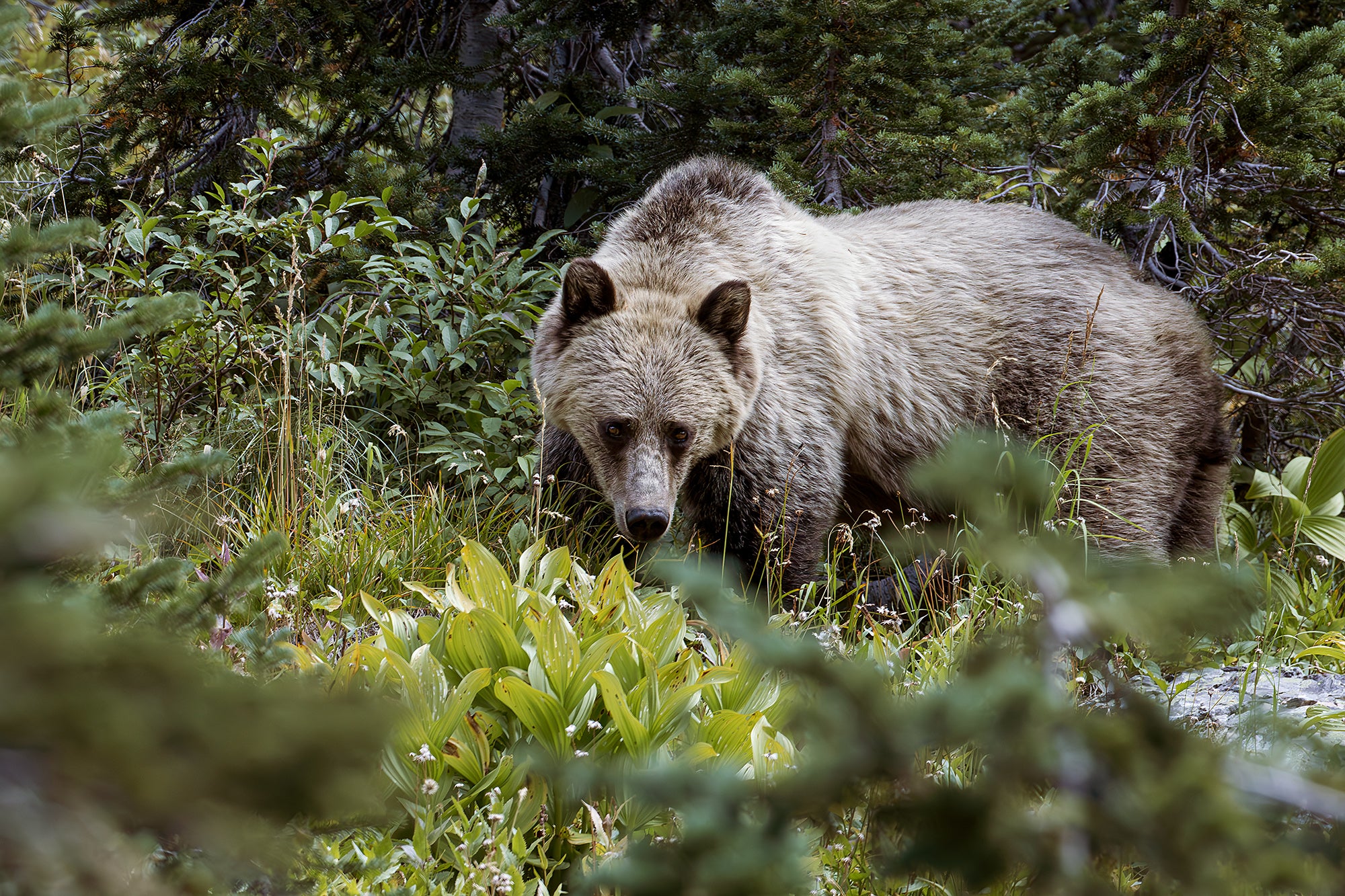
A District Court judge has partially ruled in favor of conservation groups in a lawsuit over the impacts of federal agencies’ plans to allow increased road building in the Bitterroot National Forest. The Court found that the U.S. Forest Service and U.S. Fish and Wildlife Service violated the Endangered Species Act by disregarding harm to grizzly bears and bull trout, both of which are listed as threatened.
“There are already too many roads in our forest that are causing harm to fish and wildlife, but the Forest Service wants to build yet more roads to access the last few remaining stands of old growth trees for logging,” said Jim Miller, president of Friends of the Bitterroot. “Building forest roads and log truck traffic create sediment that impairs streams and degrades our watersheds. This is a big win for bull trout and the pure strain cutthroat trout that still inhabit the streams in the Bitterroot National Forest. It is a win for fish, wildlife, and the communities that rely on the clear streams and healthy watersheds in the Bitterroot Valley.”
Conservation groups filed suit in December 2024 over the elimination of road density limitations in the Forest Service’s amended Bitterroot management plan. Today’s ruling found that the agencies ignored the best available science and failed to take a “hard look” when measuring the impacts of Amendment 40 on grizzly bears and bull trout. Roads and associated motorized use displace grizzly bears from their habitat and increase the risk of grizzly bear mortalities. Roads and road use also deliver harmful sedimentation to bull trout streams.
The Court has requested additional briefing due at the end of this month as it considers a final remedy.
“This is a big win for grizzly bears. The court affirmed what we all know — roads are bad for grizzly bears and they need large areas of intact habitat if they are ever to reoccupy the Bitterroot Mountains,” said Adam Rissien, rewilding manager with WildEarth Guardians. “Importantly, the federal agencies got it wrong when asserting that grizzlies only need 1-acre patches free from roads in an otherwise fragmented landscape.”
“For the Nimiipuu people, protecting grizzly bears is akin to protecting a family member. As a member of the Nez Perce Tribe and coordinator of Nimiipuu Protecting the Environment, I support and appreciate efforts to protect species like the grizzly bear and bull trout,” said Julian Matthews with Nimiipuu Protecting the Environment. “Road building negatively impacts species within our treaty area and usual and accustomed areas, and we hope this Court decision will lead to an end to any additional road development in the Bitterroot National Forest.”
The Bitterroot National Forest encompasses more than 1.6 million acres of public land in west-central Montana and east-central Idaho. The forest increasingly serves as a connectivity area for grizzly bears as they begin to re-populate the Bitterroot Mountains and provides important bull trout habitat. Currently, the federal government does not yet recognize any established grizzly bear populations in the Bitterroot Recovery Zone, which is one of six Grizzly Bear Recovery Zones established by the U.S. Fish and Wildlife Service in 1993, though individuals have been verified on its borders.
“This ruling by the Court demonstrates that the U.S. Forest Service and U.S. Fish and Wildlife Service cannot run roughshod over the laws protecting our cherished public landscapes and the threatened species inhabiting them,” said Jeff Juel, forest policy director for Friends of the Clearwater. “The Bitterroot National Forest is an important piece of the Northern Rockies landscape for a grizzly bear population that has experienced more than a century of habitat fragmentation from logging, roadbuilding and other incompatible human developments. Our public lands represent the best of what is left, and we must take steps to rewild them rather than degrade them in shortsighted resource extraction schemes.”
“Additional roadbuilding in this region would irreparably harm the Bitterroot ecosystem that is so critical for ESA-listed grizzly bears and bull trout,” said Sara Johnson, director of Native Ecosystems Council. “We are grateful that the Court recognized the potential harm to these imperiled species and hope that this leads to action from the agencies that promotes their continued recovery.”
“This is an important victory for Endangered Species Act-listed grizzly bears and bull trout in the Bitterroot National Forest,” said Maxine Sugarman, associate attorney with Earthjustice’s Northern Rockies Office. “Federal agencies put these species at risk by charging forward with plans for additional roadbuilding. We are hopeful that the Court’s remedy will recognize this significant risk and halt any further roadbuilding in the region under this deeply flawed forest plan amendment.”
Earthjustice filed the suit on behalf of Friends of the Bitterroot, Friends of the Clearwater, Native Ecosystems Council, Nimiipuu Protecting the Environment, and WildEarth Guardians.
Additional Resources
About Earthjustice
Earthjustice is the premier nonprofit environmental law organization. We wield the power of law and the strength of partnership to protect people's health, to preserve magnificent places and wildlife, to advance clean energy, and to combat climate change. We are here because the earth needs a good lawyer.