

Protect your community from chemical emergencies
29,392
Supporters spoke up in this action
Delivery to EPA
Action ended on May 11, 2026
What Happens Next
Thank you to all who took action! We’re grateful for your support.
What Was At Stake
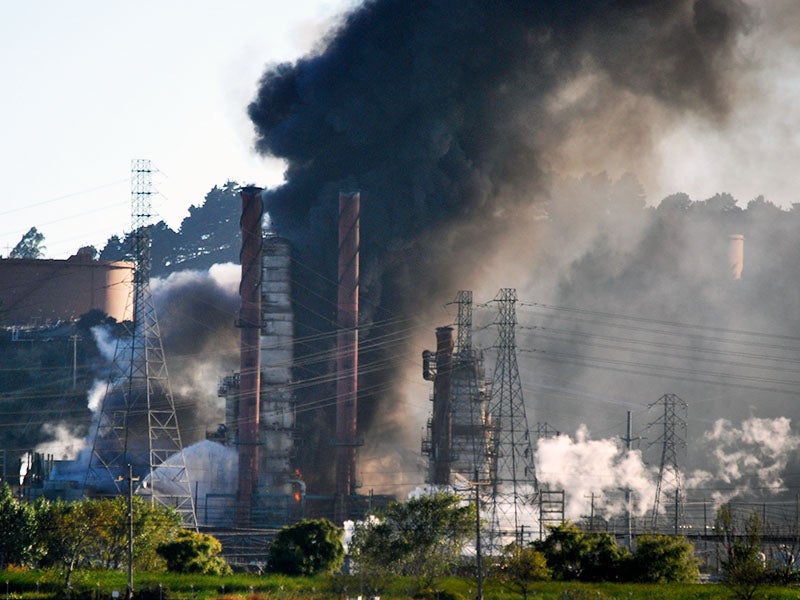
Critical safeguards that protect our communities from chemical emergencies and disasters are under attack. Trump’s Environmental Protection Agency is proposing to end and weaken community safety rules after caving to pressure from big corporate polluters. We need to tell the EPA not to take these critical safeguards away from families.
Current Action Alerts



Your Actions Matter
Your messages make a difference, even if we have leaders who don't want to listen. Here's why.
You level the playing field.
Elected officials pay attention when they see that we are paying attention. Read more.
They may be hearing from industry lobbyists left and right, but hearing the stories of their constituents — that’s your power.
Our legislators serve at the pleasure of the people who gave them their job — you.
Make sure your elected officials know whose community and whose values they represent. When you contact your elected official, you’re putting a face and a name on an issue.
Whether or not you voted for them, they work for you, for the duration of their term.
Make sure your elected officials know whose community and whose values they represent. (Find your local, state, and federal elected officials.)
Your action is with us in court.
If a federal agency finalizes a harmful action, the record of public comments provides a basis for bringing them into court. Read more.
Throughout each of the public comment periods we alert you to, Earthjustice’s attorneys are researching and writing in-depth, technical comments to submit — detailing how the regulation could and should be stronger to protect the environment, our communities, and our planet.
We need you to join us — your specific experiences, knowledge, and voice are crucial to add to the Administrative Record through the comment periods.
Lawsuits we file that challenge weak or harmful federal regulations rely on what was submitted during the comment period. The court can only look at documents that are in the Administrative Record — including the public comments — to decide if the agency did something improper.
Your actions aid our litigation. Taking action and submitting comments during a comment period is substantively important.
It’s the law.
Federal agencies must pause what they’re doing and ask for — and consider — your comment. Read more.
Many of us may have never heard of the National Environmental Policy Act (NEPA) and the Administrative Procedure Act (APA), but laws like these require our government to ask the public to weigh in before agencies adopt or change regulations.
Regulations essentially describe how federal agencies will carry out laws — including decisions that could undermine science, or weaken safeguards on public health.
Public comments are collected at various points throughout the federal government’s rulemaking process, including when a regulation is proposed and finalized. (Learn about the rulemaking process.) These comments become part of the official, legal public record — the “Administrative Record.”
When the public responds with a huge outpouring of support for environmental protections, these individual messages collectively undercut politicians' attempts to claim otherwise.
What this means is each of us can take a role in shaping the rules our government creates — and ensuring those rules are fair and effective.