

Why We Ask Supporters to Submit Public Comments in the Trump Era
The Trump administration is slamming the door on public participation in our democracy. Public comments are one way to be heard.
1. What are public comment periods?
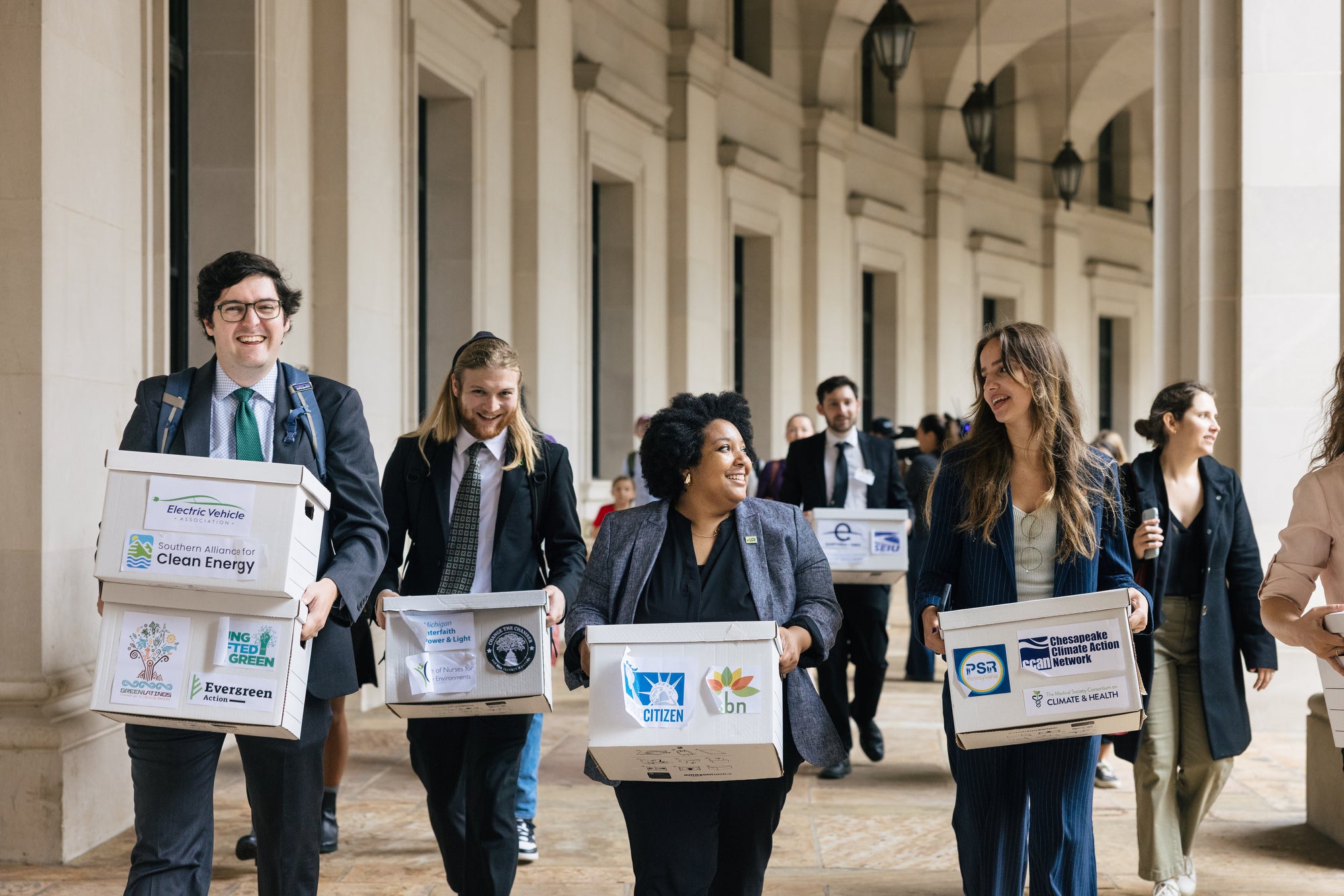
Public comment periods allow everyone to weigh in on proposed federal regulations or planned repeals of existing ones. Regulations carry out laws passed by Congress and are finalized through a process called rulemaking.
The law requires any federal agency that’s engaged in rulemaking to receive comments from the public, consider them, and respond to all substantive ones. The comments offered during a public comment period become part of the official administrative record that lawyers and judges rely on to determine if the agency followed the law when making the rule.
2. Do public comments matter during the Trump administration?
Yes. Public comments are one major way that everyday people can take action by sharing their voice. By submitting comments, you are exercising your democratic rights and civic duty.
Traditionally, the public comment periods are 30 or 60 days. However, the current Trump administration has reduced some public comment periods to 7 days or illegally tried to eliminate them altogether. Despite these efforts, the Trump administration, like all presidential administrations, is legally required to open public comment periods and respond to them.
Public comments make a difference in three major ways:
- Influencing the final regulation. Sometimes public comments and related public hearings change the outcome of a rule in ways that benefit the environment and public health. If your voice wasn’t powerful, the administration wouldn’t be trying to limit public participation.
- Shaping the narrative. Everyday people who comment on proposed rules help frame discussions around the proposal, and forcing agencies to respond to criticism. Public comments push back on false narratives from polluting industries and their allies in Congress.
In 2001, some 1.6 million public comments were received by the U.S. Forest Service about the Roadless Rule that has protected some 45 million acres of pristine public forest land from clear cutting by the logging industry. In 2026, the Trump administration moved to rescind the Roadless Rule. Despite the administration offering no public hearings, the public spoke out by submitting more than 1.6 million public comments.
- Helping lawyers make their case. If a federal agency finalizes a harmful action, public comments can provide a basis for legal action when environmental attorneys challenge regulations for failing to safeguard public health and the environment. In addition, judges review public comments submitted during comment periods to decide if an agency failed to follow the law.
3. What type of comments are most effective?
Your comments are most beneficial when you share personal stories and information that’s fact-based. Focus on how a proposed regulation would impact you and the health of your community, your quality of life, and the environment.
Make sure you name a specific place in your draft because personal experiences and expertise carry more legal weight. Good comments can be as little as 50-60 words long, or they can be very lengthy if you have a lot to say.
4. What does Earthjustice do with public comments?
Earthjustice always sends public comments to the proper federal agency by the required deadline, ensuring they become part of the administrative record. Our attorneys scrutinize the administrative record when agency actions fail to protect communities, public lands, forests, waterways, and vulnerable species. Your experiences, knowledge, and voice are critical for protecting the environment.
Right now, the Trump administration is seeking comments for a plan to fast-track approvals for new oil and gas drilling in the Western Arctic. Submit a comment today and tell them that that the Western Arctic needs protection, not shortcuts for oil and gas companies.
Established in 1989, Earthjustice's Policy & Legislation team works with champions in Congress to craft legislation that supports and extends our legal gains.