

Why We’re Fighting Trump on Multiple Fronts to Protect the Arctic
The administration wants to maximize oil and gas drilling in Arctic regions of the U.S. We’re in court to stop them.
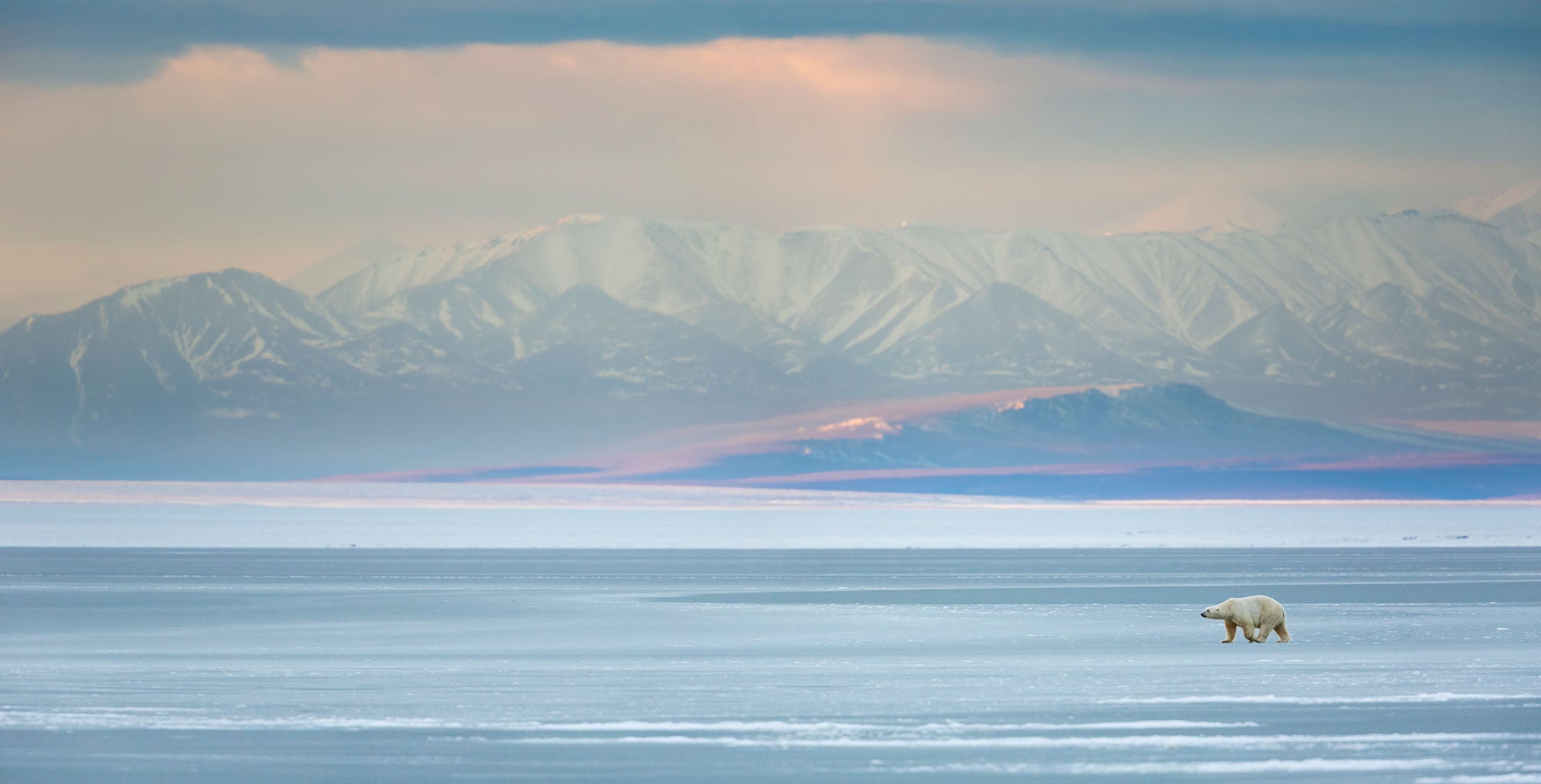
The Trump administration is continuing its all-out assault on public lands and waters in Alaska’s Arctic to maximize oil and gas drilling for the benefit of corporate polluters.
In March, the administration auctioned off more than a million acres of ecologically sensitive lands in the Western Arctic to oil companies. And it is now taking bids for another lease sale in the Arctic National Wildlife Refuge; those bids will be opened June 5.
Earthjustice has spent decades fending off oil and gas drilling proposals in the region’s most sensitive landscapes to protect irreplaceable ecosystems, traditional ways of life, and our planet – and we have ongoing lawsuits challenging these leasing programs. By fighting to keep fossil fuels in the ground in Alaska and elsewhere, we are helping to rein in a worsening climate crisis that is warming the Arctic nearly four times faster than anywhere else. Alaska and the nation need ways to power its economy that respect its lands and people – not this.
Now this work is more urgent than ever. The Trump administration and fossil-fuel allies in Congress have opened more than 19 million acres for oil and gas extraction between the Western Arctic and the Arctic Refuge to the east. Millions of acres of critical wildlife habitat, including sensitive areas that have never been developed or targeted for drilling, are now available through these lease sales to the highest-bidding fossil fuel companies. This plan is unfolding when the U.S. is already producing more crude oil than any country in history and abandoning its commitments to combat climate change.
As the Trump administration pushes to ramp up fossil fuel development in the Arctic, Earthjustice will continue to fight these unlawful actions in court.
Arctic Ocean
Beaufort
Sea
Nuiqsut
Chukchi
Sea
Prudhoe Bay
Coastal Plain
Teshekpuk Lake
Western Arctic(National Petroleum
Reserve-Alaska)
Arctic National Wildlife Refuge
Russia
Arctic Circle
Canada
Alaska
Bering
Sea
Gulf of
Alaska
Peter Hoey for Earthjustice
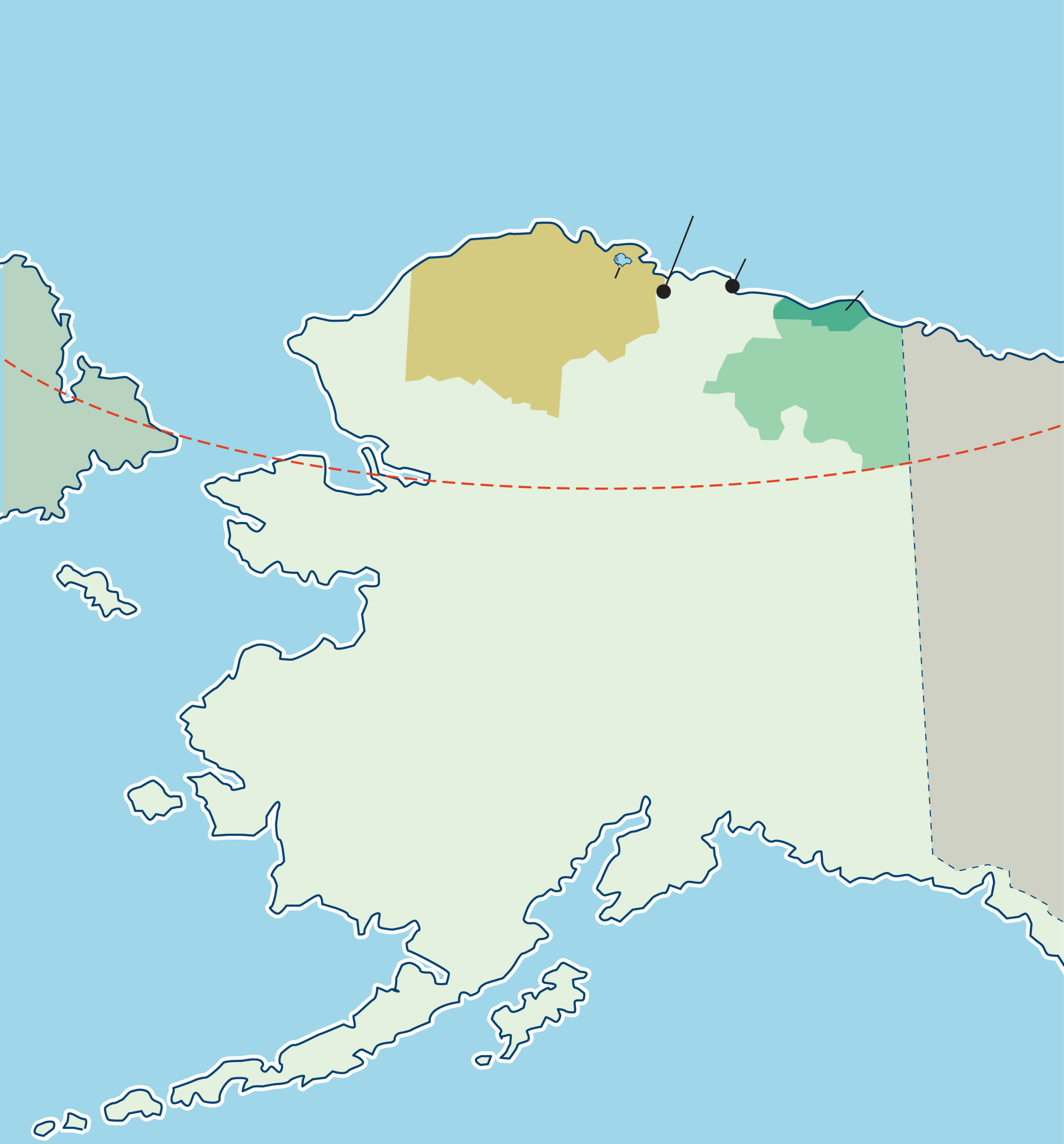
The Western Arctic (also called the "National Petroleum Reserve-Alaska" or NPR-A) is home to many millions of acres of specially designated lands because of their ecological and cultural importance. This includes Teshekpuk Lake, a wetlands area critical for migratory birds from around the world.
The Arctic National Wildlife Refuge is the country’s largest national refuge and home to diverse wildlife and Indigenous communities. Within the Arctic Refuge’s Coastal Plain are the calving grounds of the Porcupine Caribou herd.
Protecting the Arctic Wildlife Refuge Coastal Plain
Our Fight:
Earthjustice is challenging oil leasing in the Coastal Plain of the Arctic Refuge. We sued the first Trump administration in 2020 when it opened this sacred area to drilling. In January of this year, we restarted that litigation to protect the Refuge from this new assault.
One of the issues is that the administration failed to ensure that threatened Southern Beaufort Sea polar bears and the habitat they depend on will not be harmed. The administration’s actions violate several core environmental laws, including the Endangered Species Act (ESA).
Our lawsuit — filed with NRDC, who is co-counsel, and representing NRDC, the Center for Biological Diversity, and Friends of the Earth — challenges these illegal leasing programs under NEPA, the ESA, the National Wildlife Refuge Act, the Wilderness Act, the Alaska National Interest Lands Act, and the Administrative Procedure Act.
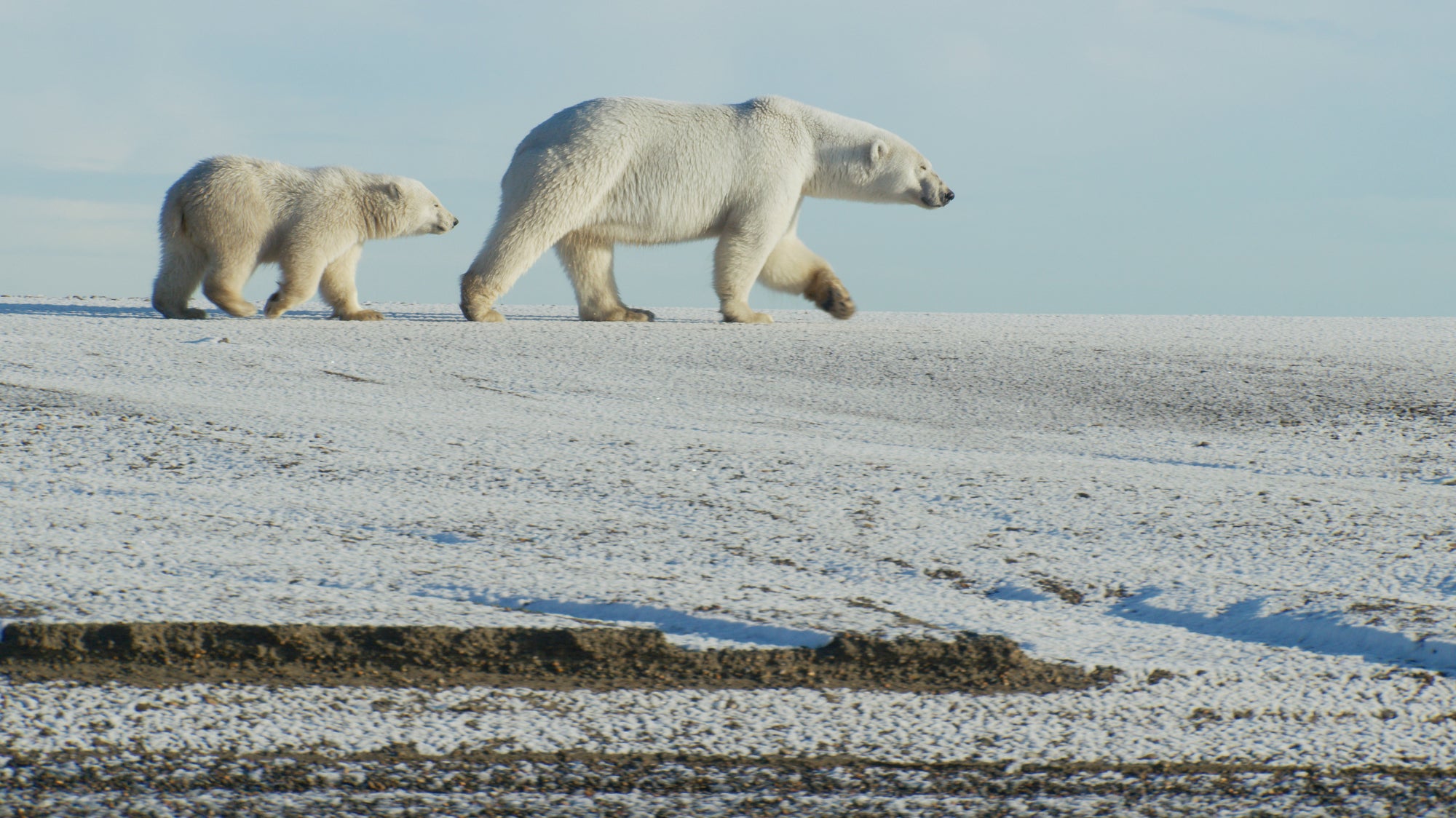
Polar bears on the coast of the Arctic National Wildlife Refuge. (Florian Schulz / protectthearctic.org)
What’s at stake:
The Coastal Plain is irreplaceable wildlife habitat and sacred Indigenous land.
This leasing program poses considerable risks to polar bears, including the loss of important denning habitat, disturbance of denning mothers, and increased human-bear conflicts. The government acknowledges that the program is likely to lead to the death of dozens of polar bear cubs. Yet it gave its stamp of approval and declined to impose adequate protective measures for the bears.
The Coastal Plain is also the calving ground for the Porcupine Caribou Herd and supports millions of migratory birds, marine mammals, muskox, fish, and more. For the Gwich’in people who have relied on the caribou herd since time immemorial, this land is spiritually and culturally essential. The leasing plan would threaten these irreplaceable resources.
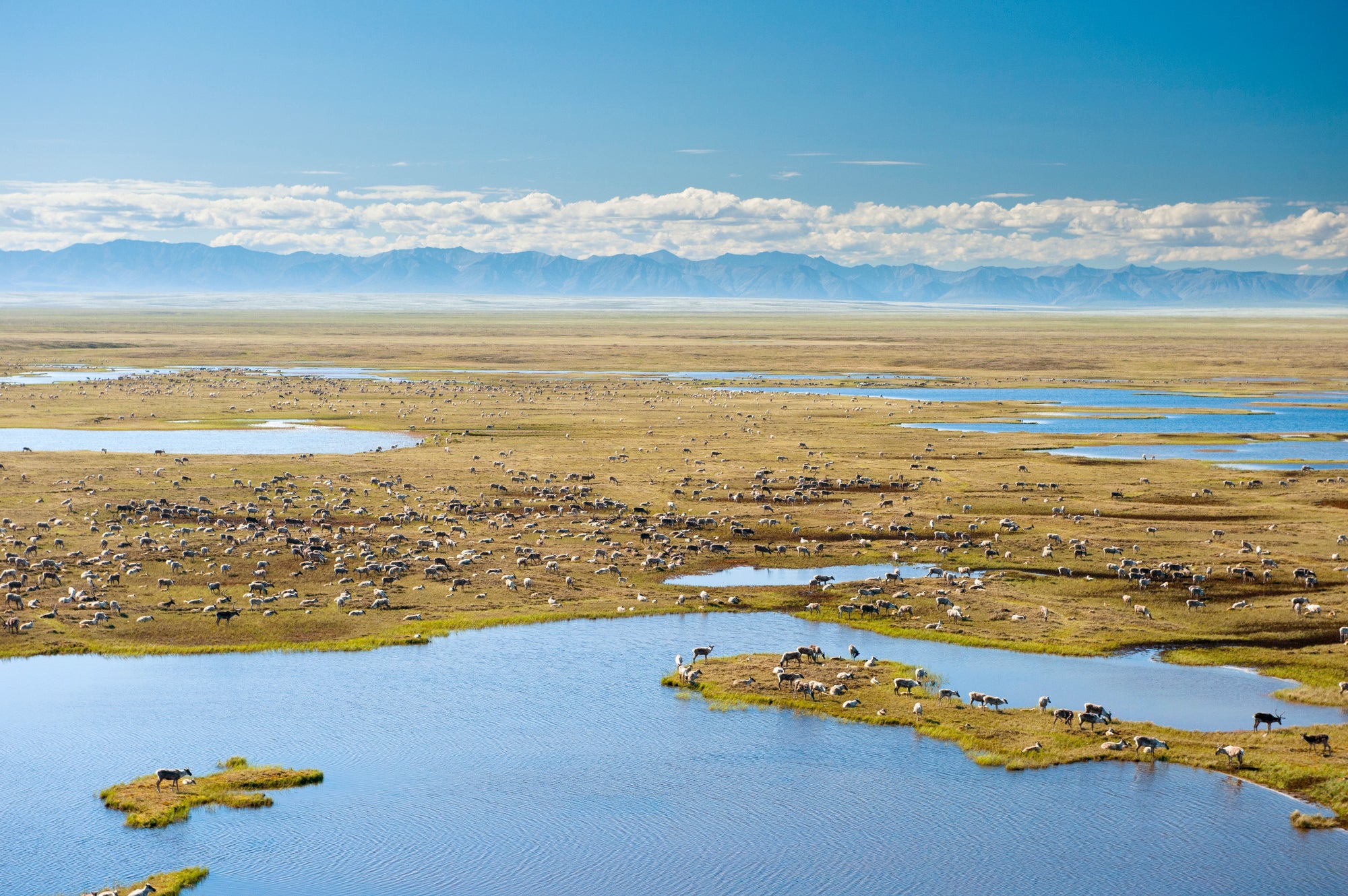
Caribou on the coastal plane of the Arctic National Wildlife Refuge in Alaska. (Florian Schulz / protectthearctic.org)
Stopping Western Arctic Oil Exploration
Our Fight:
In the Western Arctic, a vast public land area west of the Arctic Refuge, the federal government auctioned off more than a million acres of ecologically sensitive lands to oil companies this March. Many of the tracts that were leased are in globally significant habitat for migratory birds and other wildlife around Teshekpuk Lake and the Colville River. We are challenging the sale as well as its underlying management plan.
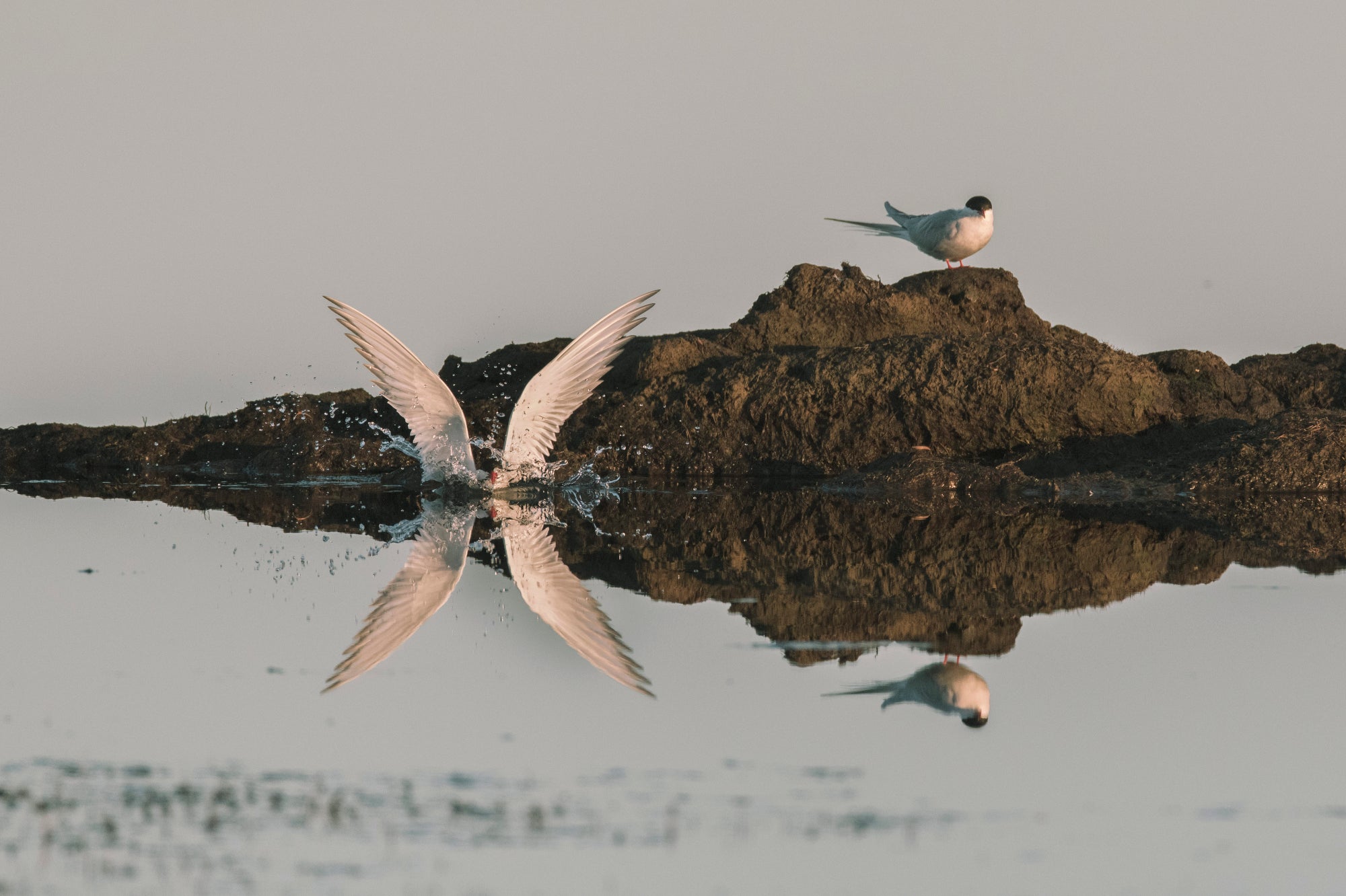
Two terns in the Western Arctic, near Lake Teshekpuk. (Kiliii Yuyan for Earthjustice)
What’s at stake:
The Western Arctic is the nation’s largest intact tract of public land, and it remains largely undeveloped. The region is home to iconic and imperiled wildlife species like polar bears and seals that depend on sea ice and includes habitat for caribou and other species that are central to the cultural practices and food security of nearby Indigenous communities. The Western Arctic also attracts migratory birds from around the globe, and hosts some of the highest densities of breeding shorebirds in the world.
By approving a management plan that allows oil and gas leasing on most lands in the Western Arctic, including in ecologically sensitive areas that have previously been off limits to oil drilling, this administration is prioritizing fossil fuel production over all other uses of these lands.
Earthjustice will continue fighting in court to keep oil and gas interests from destroying the Arctic and fighting fossil fuels that are driving the climate crisis. We stand ready to defend against unlawful actions by this administration.
Take action, and add your voice today:
Opened in 1978, our Alaska regional office works to safeguard public lands, waters, and wildlife from destructive oil and gas drilling, mining, and logging, and to protect the region's marine and coastal ecosystems.