Earthjustice goes to court for our planet.
We’re here because the earth needs a good lawyer.
We’re Suing Over BP’s New Gulf Drilling Project, 16 Years After the Company’s Deepwater Horizon Disaster
What’s happening: On the anniversary of Deepwater Horizon – the worst oil spill in U.S. history — Earthjustice is suing the Trump administration over its reckless approval of BP’s new, ultra-deepwater project in the Gulf of Mexico.
“Kaskida” will be BP’s first completely new oilfield since the company’s 2010 Deepwater Horizon disaster. But the company’s proposal was full of red flags. It’s approval sets a dangerously low bar for oil-and-gas companies that want to drill in our public waters.
Why it matters: BP’s Deepwater Horizon disaster in 2010 killed 11 people and released 4.9 million barrels of oil that blanketed the Gulf shoreline. It wiped out horrific amounts of marine life, cratered local economies, and left Gulf communities burdened with everything from health issues to unemployment.
BP’s Kaskida project will be in greater depths than where Deepwater Horizon was. The ultra-deepwater drilling project will also need to be able to withstand extreme pressure and temperature conditions while relying on still-emerging technology.
According to BP’s proposal, the Kaskida project has the potential to spill up to 4.5 million barrels of oil into the Gulf — and it could take up to 100 days to control a potential spill. And the 80,000 barrels of oil per day BP says Kaskida would pump out would saddle Gulf communities with even more refinery pollution, threatening public health.
For years, Earthjustice and our partners in the Gulf have advocated for stronger protections against reckless offshore drilling in the region.
The worst oil spill in U.S. history
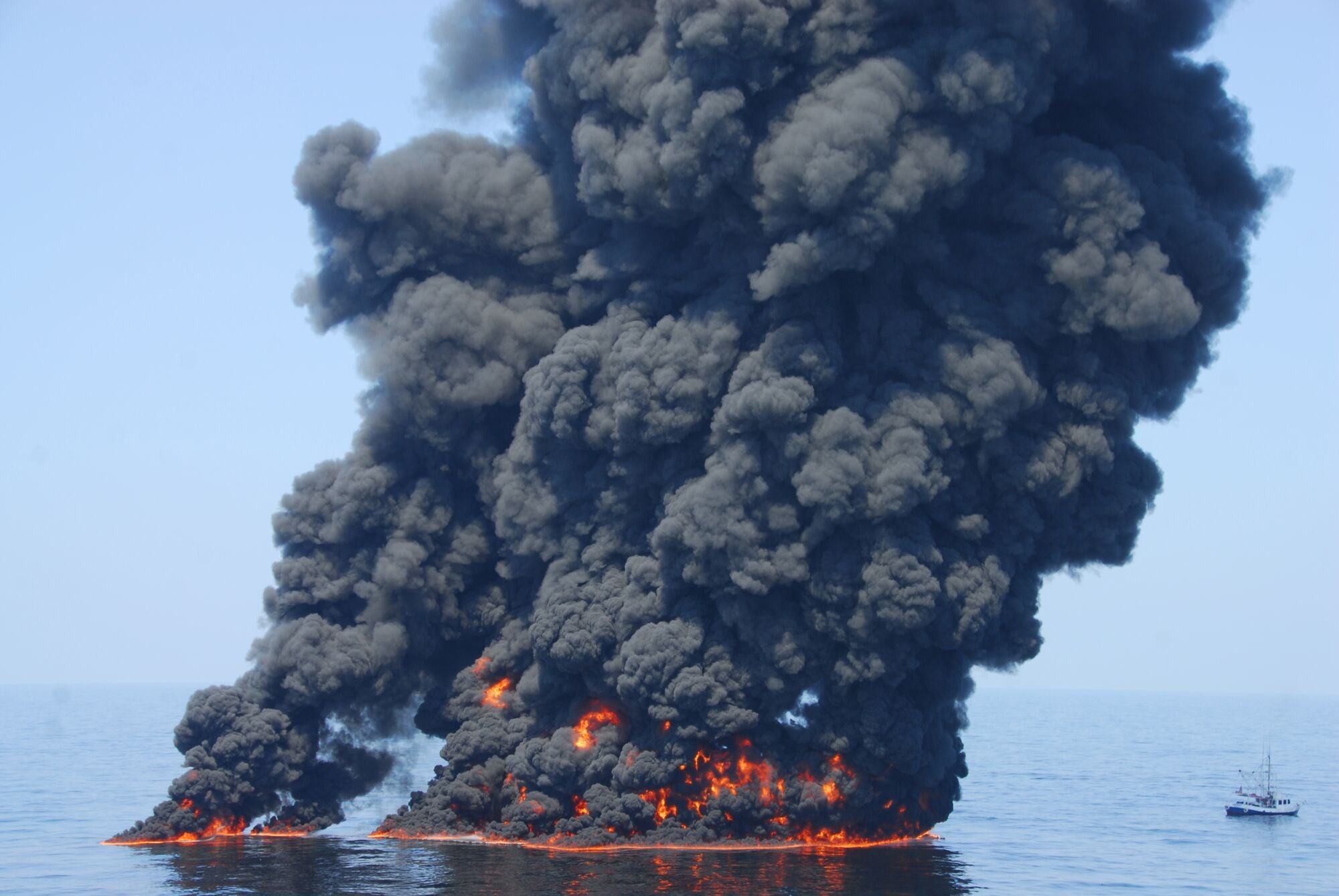
- In April 2010, a BP-operated oil well exploded in the Gulf of Mexico, creating a geyser of crude oil and destroying the Deepwater Horizon oil rig. It took 87 days for emergency crews to stop the oil flow, which polluted over 1,300 miles of coastline in Florida, Alabama, Mississippi, Louisiana, and Texas.
- The oil spill was a massacre for marine life. Deepwater Horizon killed over 100,000 seabirds, thousands of turtles, dolphins, and whales, and countless fish populations. Oil from the spill was still being cleaned off of beaches four years later, which had devastating effects on the local tourism and fishing economies.
According to its proposal, BP is unprepared to drill in Kaskida’s ultra-deepwater
- BP’s new drilling project would be in “ultra-deepwater,” where conditions beneath the ocean floor make oil extraction highly risky. This new underwater oil field would be in water 6,200 feet deep — over 1,000 feet deeper than the Deepwater Horizon’s location. But BP would have to drill even deeper than that, over six miles below sea level. At these depths, extreme pressures and scalding hot temperatures beneath the seafloor make oil wells at least six times more likely to suffer a blowout.
- This depth requires equipment designed to withstand these extreme conditions — yet BP has not demonstrated in its proposal that a high-pressure, high-temperature well the likes of Kaskida could be safely operated.
- Oil companies drilling offshore are legally required to plan how they’ll handle a spill, and the plan must include mechanical equipment to remove the oil. The conditions at the Kaskida site could make any mechanical recovery of oil difficult to impossible. Instead, based on BP’s proposal, the company would have to resort to burning the spilled oil, releasing it into the air, or using chemicals dispersants that leave the oil contaminants in the water.
16 years after Deepwater Horizon, we’re suing to protect the Gulf and its coastal communities
- On the anniversary of the 2010 disaster, Earthjustice is suing the Trump administration for greenlighting BP’s Kaskida project.
- The project proposal was approved despite having missing or significantly flawed legally-required information. For instance, BP failed to demonstrate it has the experience, expertise, and certified equipment to conduct safe drilling under Kaskida’s extreme conditions.
- This dangerous drilling plan threatens already-overburdened Gulf communities, sensitive deep-sea ecosystems, and imperiled marine life such as Kemp’s ridley sea turtles and the critically endangered Rice’s whale, whose population was significantly harmed by Deepwater Horizon.
- In the 16 years since the Deepwater Horizon disaster, the oil industry has increasingly moved into greater depths. Greenlighting Kaskida could increase the risk of catastrophic oil spills, along with the burden on Gulf communities forced to deal with polluting industries that are profiting at their expense.
- Last February, we sued the Trump administration for illegally revoking protections that prior presidents enacted to protect vulnerable ocean territory along each U.S. coast from the harms of offshore drilling. Last March, we won a case challenging a 73-million-acre oil and gas lease sale in the Gulf.