
Media Inquiries
Dustin Renaud
Public Affairs and Communications Strategist
drenaud@earthjustice.org
Legal Assistance Inquiries
Contacto de Prensa
Robert Valencia
Estratega de Comunicaciones y Asuntos Públicos Hispanos/Latinos
rvalencia@earthjustice.org
Earthjustice’s Fossil Fuels Program is taking on the fossil fuel industry’s efforts to pursue new paths to profit that not only accelerate the climate crisis, but also continue to cause harm to marginalized communities.
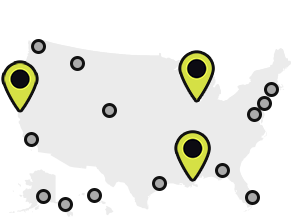
Our Fossil Fuels Program staff are based in San Francisco, Chicago, and New Orleans.
Our Impact
Stopping Oil and Gas Infrastructure — Before It’s Built
We’re fighting the industry’s aggressive plans to lock in new oil and gas infrastructure in the form of pipelines, petrochemical facilities, and crude oil and gas export terminals. We’re using the power of the law to keep this infrastructure — which would dramatically increase fossil fuel consumption and increase damage to our climate — from ever being built.
Partnering with Gulf Coast and Appalachian Communities
The industry plans to build much of this new infrastructure in Gulf Coast and Appalachian communities already bearing the burden of high levels of pollution. We’re partnering with those communities to chart a path forward toward a healthy, sustainable climate — while working to advance equity and justice.
Building a Climate Justice Movement
Together, we’re building a movement that fights for climate justice by ensuring fossil fuels become our past, and clean energy becomes our future.
Highlights of Our Work:
- Right now, the fossil fuel industry is launching a massive shift from fossil energy to petrochemicals, with a significant number of petrochemical facilities planned to be built or expanded — primarily in Gulf Coast and Appalachian communities already threatened by high levels of pollution. We’re going to court to stop the industry from breaking ground on these toxic facilities.
- We’re currently representing residents of St. James Parish, Louisiana — part of an 85-mile stretch along the Mississippi River dubbed “Cancer Alley” — to stop the proposed $9.4 billion Formosa FG/LA Petrochemical Complex. We’re also working on petrochemical infrastructure fights in the Appalachian Ohio River Valley.
- We’re fighting the industry’s attempts to significantly increase crude oil exports with the proposed construction of 11 new offshore deepwater ports in the Gulf Coast region, which would cause significant greenhouse gas emissions and pose significant health and environmental risks. We’re currently involved in administrative challenges of the Sea Port Oil Terminal near Freeport, Texas, as well as the proposed Plaquemines Liquids Terminal, located near Ironton, Louisiana.
- We’re working to block oil pipelines that cut through communities and lands, contaminate our waters, and lock in fossil fuels long into the future.
- We’re joining the fight against fracking by partnering with Appalachian communities impacted by fracking wastewater practices that spread radioactive materials on roads or in landfills.