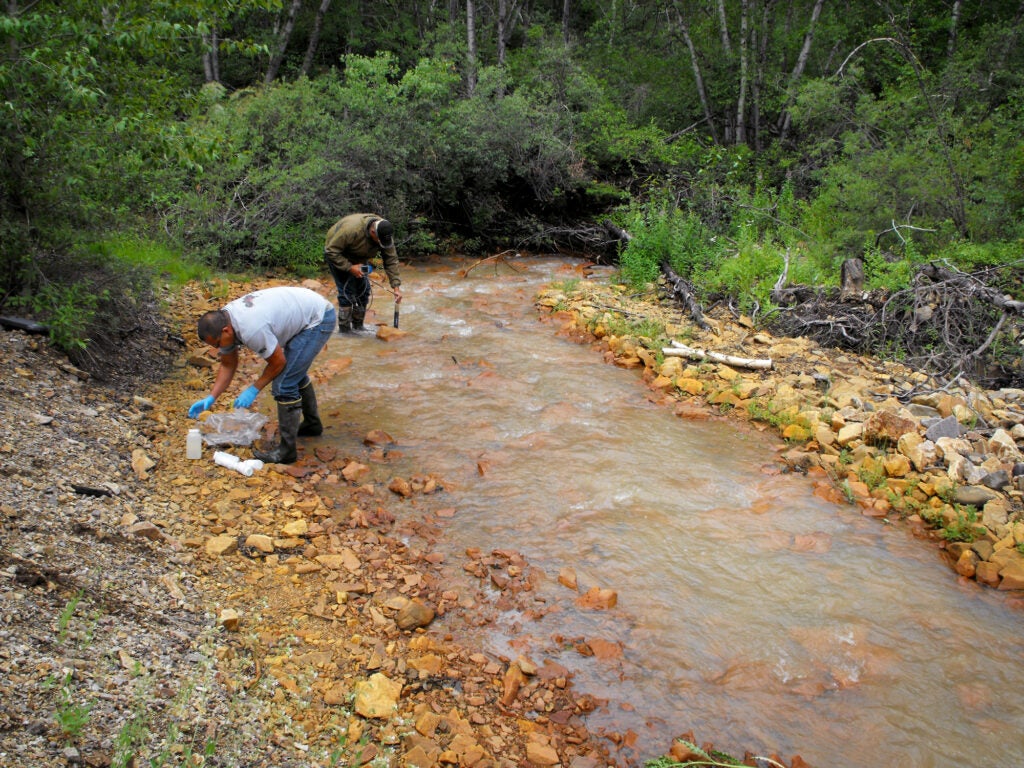
Fort Belknap Indian Community (FBIC) is requesting that the Court decline to enter the proposed consent decree in its current form because it deprives the Tribes of their legal claims…
Plaintiff groups seek stay and preliminary ruling to stop potential United States Department of Agriculture (USDA) grantees from facing vague terms and serious threats for failure to comply. The new…
Consumer advocate, community, and Indigenous-led organizations filed a motion with the Public Service Commission seeking to clarify the scope of NorthWestern Energy's large load tariff proceeding. The groups asked the…
The Fort Belknap Indian Community voiced strong opposition to a consent decree submitted to the court by the Montana Department of Environmental Quality to settle its enforcement action against two…
The Fort Belknap Indian Community voiced strong opposition to a consent decree submitted to the court by the Montana Department of Environmental Quality to settle its enforcement action against two…
Si la Corte falla a favor de la industria química, pacientes con cáncer y trabajadores agrícolas podrían perder su único recurso para obtener una compensación cuando los pesticidas tóxicos les…
If the Court sides with the chemical industry, cancer patients and farmworkers could lose their only path to compensation when toxic pesticides make them sick
The case is one of thousands brought by people who got non-Hodgkin’s lymphoma after applying Monsanto’s Roundup. Two FIFRA regulations will likely loom large at argument.
The U.S. Supreme Court is reviewing Monsanto v. Durnell, a case that could determine whether people harmed by pesticides can still bring so-called failure-to-warn claims under state law.