Library Search

document March 6, 2026

Fact Sheet: EPA Prepares to Gut Coal Ash Safeguards and Cleanup Requirements

Under the current Trump administration, the EPA has begun to systematically gut protections that would otherwise force the coal industry to clean up its toxic coal ash.

People rally outside of an EPA public hearing on coal ash in Chicago, Illinois in 2023 (Jamie Kelter Davis for Earthjustice)
Article March 5, 2026

People Are Furious About Coal Ash Deregulation

Folks nationwide feel the Trump administration’s EPA is abandoning its responsibility to protect communities, and they are speaking out.

The Gerald Gentleman power station causes visible air pollution at iconic places such as Rocky Mountain National Park in Colorado. (Von Fumetti / CC BY 2.0)
Press Release March 4, 2026

Environmental Groups Sue EPA for Illegally Rejecting Colorado’s Emission-Reduction Plan

Groups challenge disapproval of state’s widely-supported regional haze plan

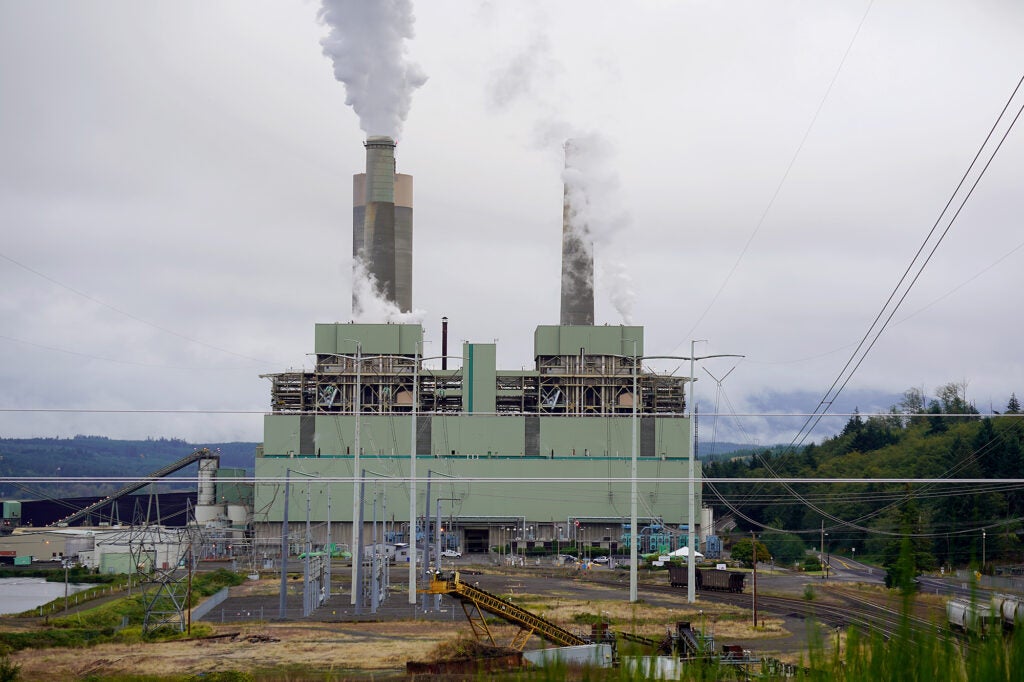
The TransAlta coal plant in Centralia, WA, is the largest source of mercury and global warming pollutants in the state.
(Earthjustice Photo)
Press Release March 3, 2026

Public Interest Groups Go to Court to Halt Trump Administration Order to Keep Washington’s Last Coal Plant Operating

The long-planned shutdown of the coal plant in Centralia, Washington, was designed to provide state residents with cleaner air and more affordable, reliable, clean energy

document March 3, 2026

Earthjustice Challenge to the Trump Administration Order to Keep Washington’s Last Coal Plant Operating

Earthjustice filed a petition for review in the Ninth Circuit Court of Appeals to overturn an illegal emergency order issued by the Department of Energy forcing Washington’s last coal plant to continue operating.

Press Release March 3, 2026

Lawsuit Challenges Montana’s Bull Mountains Coal Mine Expansion, Trump’s Sham Energy Emergency

Federal agency rammed through expansion, illegally skipped environmental analysis, shut out public

document March 3, 2026

Bull Mountains Coal Mine Complaint

Conservation groups sued the Trump administration over its approval of a major expansion of the Bull Mountains Coal Mine in Montana.

Power plants are the biggest sources of water pollution in the country. Power plant water discharges are filled with toxic pollution such as mercury, arsenic, lead, and selenium.
(U.S. Environmental Protection Agency Photo)
Update February 20, 2026

Trump Is Trying Again to Gut Pollution Rules for Power Plants. We’re Fighting Back.

The EPA finalized a repeal of the 2024 Mercury and Air Toxics Standards, lifesaving regulations that drastically reduce toxic chemical emissions from the nation’s dirtiest power plants.

The coal fired power plant looms over the town of Colstrip, Mont. Montana’s Colstrip power plant is the largest emitter of toxic particulate matter of any plant in the country’s aging coal fleet. (Louise Johns for Earthjustice)
Press Release February 20, 2026

EPA Dismantles Protections for Mercury and Air Toxics From Power Plants

Advocates warn of more toxic pollution, asthma attacks, and premature deaths, especially in communities living near coal plants.

In the News: Forbes February 12, 2026

Trump Targets EPA Climate Authority

Christie Hicks, Managing Attorney, Clean Energy Program: “Taxpayers will be paying for this twice — in increased costs for electricity for the Department of Defense and the bailouts to keep those crumbling coal power plants running.”

Lightning strikes in the distance beyond the power plant in Colstrip, Mont. in July, 2025. (Louise Johns for Earthjustice)
Press Release February 11, 2026

President Trump Celebrates His Commitment to Championing Dirty Coal Power

Earthjustice responds to an Executive Order directing the Department of Defense to prioritize coal

Coal ash is the waste that remains when coal is burned in power plants to generate electricity. (Nenad Zivkovic / Shutterstock)
Press Release February 6, 2026

Trump EPA Delays Cleanup of Hundreds of Coal Ash Dumps in Advance of Larger Rollback

The rule comes just days before a deadline for owners to report on previously unregulated coal ash dumping at power plant sites

Steam billows from the coal-fired Craig Station power plant Nov. 18, 2021, in Craig, Colorado. (Rick Bowmer / AP)
Press Release January 28, 2026

Groups Challenge Trump Administration’s Illegal Craig Coal Plant Extension

Order required broken plant to stay online to address unproven emergency

document January 28, 2026

Craig Order Challenge

Public interest organizations challenged the Department of Energy’s illegal emergency order extending the life of Unit 1 at Colorado’s Craig Station. The groups include Sierra Club and Environmental Defense Fund, and Earthjustice on behalf of GreenLatinos, Vote Solar, and Public Citizen.

High-voltage transmission lines provide electricity to data centers in Ashburn in Loudon County, Virginia. (Ted Shaffrey / AP)
From the Experts January 23, 2026

Powering the AI Race: Ready, Set, Coal?

Modern technologies provide faster and cheaper ways to power rising energy demand.

document January 22, 2026

Rehearing Request for Indiana Coal Plants

Environmental and consumer advocacy groups filed rehearing requests after Donald Trump’s Department of Energy unlawfully invoked Section 202(c) of the Federal Power Act and forced two coal power plants in Indiana to stay online after their planned retirements.

document January 21, 2026

Synapse Report on Indiana Coal Plants

Three coal units in Indiana — Culley 2, Schahfer 17, and Schahfer 18 — were scheduled to retire at the end of 2025 but the U.S. Department of Energy issued two orders requiring the units to continue operating beyond their planned retirement dates. This report details concerns based on both cost and environmental impact.

In the News: The Rapid City Post January 21, 2026

Trump’s coal agenda could cut worker productivity, lifetime earnings

Thom Cmar, Deputing Managing Attorney, Midwest Regional Office: “The health benefits of fewer incidences of cancer, cardiovascular disease, less exposure to children of harmful levels of lead — those benefits far exceed the costs to the industry.”