Posts tagged: coal ash

unEARTHED. The Earthjustice Blog

coal ash


    SIGN-UP for our latest news and action alerts:
   Please leave this field empty

Facebook Fans

Featured Campaigns

Everyone has The Right To Breathe clean air. Watch a video featuring Earthjustice Attorney Jim Pew and two Pennsylvanians—Marti Blake and Martin Garrigan—who know firsthand what it means to live in the shadow of a coal plant's smokestack, breathing in daily lungfuls of toxic air for more than two decades.

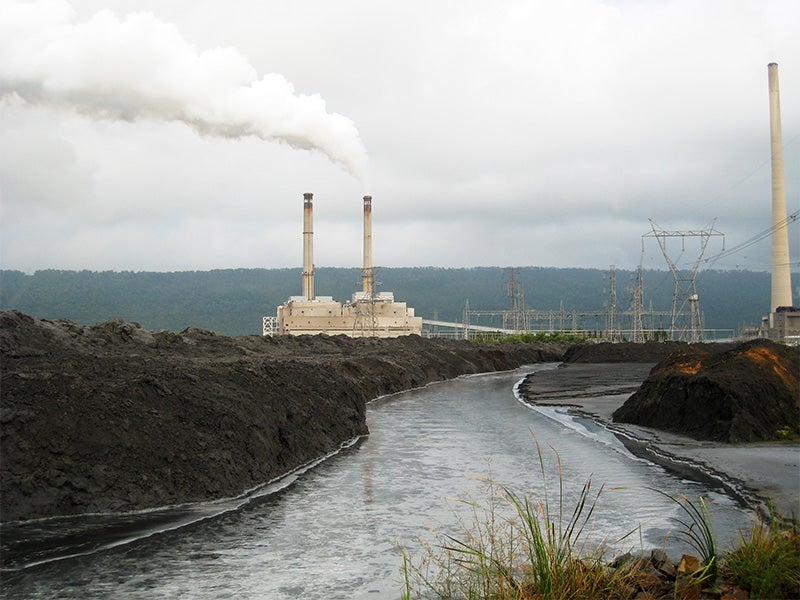
Coal Ash Contaminates Our Lives. Coal ash is the hazardous waste that remains after coal is burned. Dumped into unlined ponds or mines, the toxins readily leach into drinking water supplies. Watch the video above and take action to support federally enforceable safeguards for coal ash disposal.

ABOUT EARTHJUSTICE'S BLOG

unEARTHED is a forum for the voices and stories of the people behind Earthjustice's work. The views and opinions expressed in this blog do not necessarily represent the opinion or position of Earthjustice or its board, clients, or funders.

Learn more about Earthjustice.

View Lisa Evans's blog posts
18 June 2013, 1:15 PM
Congressional Research Service decides new bill is foul play

In advance of an upcoming vote in the House Energy and Commerce Committee this week, the nonpartisan think tank, Congressional Research Service (CRS), delivered a frank memorandum evaluating HR 2218, the latest effort by Rep. McKinley (R-WV) to prevent the EPA from completing its coal ash rule. CRS exposes HR 2218’s superficial “fixes,” concluding that the bill still fails to establish federal health and environmental standards and cannot guarantee nationwide protection from toxic contamination.

View Lisa Evans's blog posts
07 June 2013, 12:55 PM
HR 2218 harms public health, environment

Reps. David McKinley (R-WV) and John Shimkus (R-IL) are on a mission to ram through an anti-public health, anti-public safety and anti-environmental coal ash bill.

After filing their trifecta on the evening of June 3, the House Subcommittee on Environment and the Economy voted on June 6 to pass HR 2218, the Coal Residuals Reuse and Management Act of 2013 (“CRRM”), a complicated bill designed to prevent the EPA from ever regulating coal ash.

View Chris Jordan-Bloch's blog posts
04 June 2013, 3:47 PM
Landmark law moves Nevada from coal to renewables

"It felt like I was waking up from a nightmare. I wasn't really sure what was true or false. I was confused. My heart was racing. I was excited. Maybe, I thought, this nightmare is over."

This is what Vickie Simmons remembers feeling when she first heard that the Reid Gardner coal-fired power plant might be closing. Simmons is a leading member of the Moapa Band of Paiutes Health and Environmental Committee, and for years she and the rest of the Paiute tribe have lived in the shadow of Reid Gardner’s smokestacks and waste pits. They have paid incredible health costs and reaped little economic benefits.

But Simmons is right - the nightmare is ending.

 Photo of Vickie Simmons by Chris Jordan-Bloch

(Photo of Vickie Simmons by Chris Jordan-Bloch)

92 Comments   /   Read more >>
View Raviya Ismail's blog posts
15 May 2013, 7:51 AM
More than 100 clean air and water advocates gather in D.C.

When our elected officials continue standing in the way of clean air and water—it’s time to shake things up. Which is why more than 100 physicians, tribal and labor leaders, clergy, nurses and parents are in Washington, D.C., for a 3-day visit with Congress, united as 50 States United for Healthy Air.

This legion of clean air and water advocates are meeting with members of Congress to call for greater protections from smog, coal ash, carbon and other dangerous air pollutants.

It’s a big day for our lungs and our health.

View Lisa Evans's blog posts
02 May 2013, 12:00 PM
Toxic coal ash found on school paths in Florida
Truckloads of the coal ash product EZBase were delivered to one Florida homeowner's property.  (Clean Water Action)

Recent sampling of paths constructed of coal ash near J.L. Wilkinson Elementary School in Middleburg, Florida reveal high levels of vanadium, a hazardous substance linked to cardiovascular disease and nervous system damage. Vanadium levels were up to seven times higher than levels deemed safe for residential soil by the Florida Department of Environmental Protection.

Earthjustice sampled two paths near the school after concerns were raised that EZBase, a product made from toxic fly ash and bottom ash residuals at coal-burning power plants and marketed by Jacksonville Electric Authority, may have been used to construct paths near the elementary school.

Exposure to high levels of vanadium in the air can cause lung and cardiovascular damage. In addition, nausea, mild diarrhea and stomach cramps have been reported in people ingesting vanadium. Vanadium is classified as “possibly carcinogenic” by the International Agency for Research on Cancer. Children are particularly susceptible to impacts from toxic exposure due to low body mass and developing systems.

4 Comments   /   Read more >>
View Jared Saylor's blog posts
23 April 2013, 7:56 AM
One option protects waters from toxic pollution; other options fall far short
Power plant water discharges are filled with toxic pollution.  (EPA)

Coal-fired power plant pollution is contaminating our water, not just our air. Here’s how: when plants install scrubbers and other emission control devices onto smokestacks to capture air pollution, the chemical waste they pull from the air is then discharged into our waterways.

Not good.

This discharge contains mercury, arsenic, selenium and other toxic chemicals that can cause neurological and developmental damage, harm unborn fetuses in utero, damage internal organs, and cause cancer. Coal plants are the number one toxic discharger into our country’s waterways, yet the Environmental Protection Agrency has not reviewed clean water regulations for this industry in more than 30 years.

Until now.

View Trip Van Noppen's blog posts
09 April 2013, 8:58 AM
Gina McCarthy is a sound choice for the job
McCarthy will be a vital player in the effort to protect our families and environment.  (EPA)

This week a Senate committee will hold a nomination hearing for Gina McCarthy to replace Environmental Protection Agency Administrator Lisa Jackson.

Gina McCarthy, the EPA assistant administrator for air and radiation, is a sound choice for the job. Given her background and experience, the Senate should move expeditiously to confirm her.

For more than 25 years Gina McCarthy worked with politicians from both parties, including a stint as Gov. Romney’s energy and climate advisor in Massachusetts. In 2009 Republican and Democratic senators easily confirmed McCarthy by a voice vote to head the clean air division of EPA.

Gina McCarthy is a dedicated environmental professional with a history of working on difficult issues including climate change. We share her vision of an energy-efficient economy which creates sustainable jobs.

View Andrea Delgado's blog posts
19 March 2013, 12:34 PM
Budget resolution tees up fight against harmful amendments
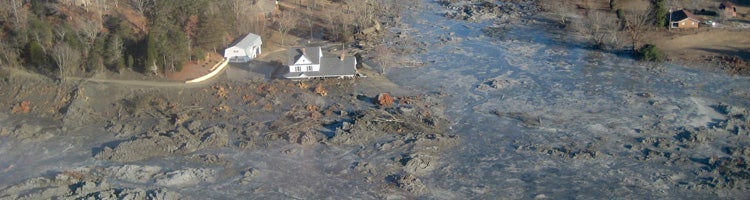
The devastating Kingston Fossil Plant coal ash spill in 2008. (TVA)

Arsenic-infused drinking water, the risk of cancer, and the fear of being washed away by a flood of toxic sludge are a burden of concern for Americans living near more than 1,300 toxic coal ash dump sites.They have expressed their concerns through numerous letters to Congress, petitions, and more than 450,000 public comments to the Environmental Protection Agency. They urge federal action to stop disposal practices that trap communities in clouds of toxic ash, contaminate drinking water, and lead to massive dam collapses.

Yet, protection from toxic heavy metals and standards that will prevent another dam failure are not solutions the EPA has provided. Meanwhile, as the administration plays a waiting game with potential disaster, citizens across the U.S. live in harm’s way.

View Debra Mayfield's blog posts
08 March 2013, 2:36 PM
University has a historic coal ash contamination problem
“Simply moving dangerous coal ash from one site to another contaminated site on campus is not being ‘Spartan Green.'"

My favorite aunt became a dean at Michigan State back in the early 1980’s. She was a role model for us all, assuming a level of power and influence that most women—especially African American women—had not been able access at that time. She, like many other students and faculty at the time, enjoyed the campus and resources it provided. But what she didn’t know was that the water that she drank, bathed in and used for cooking and cleaning and cleaning, may have been poisoned by toxic coal ash.

Last month, members of the Clean Energy Now Coalition, an alliance of nearly 50 environmental groups in Michigan aimed at educating citizens about the benefits of using clean, renewable energy, exposed the historical use of coal ash at Michigan State University and the dangers it poses to the health of students, faculty, and neighboring communities.

View Debra Mayfield's blog posts
08 March 2013, 10:32 AM
Tons of toxic, mostly unregulated coal ash, threaten state's lifeblood
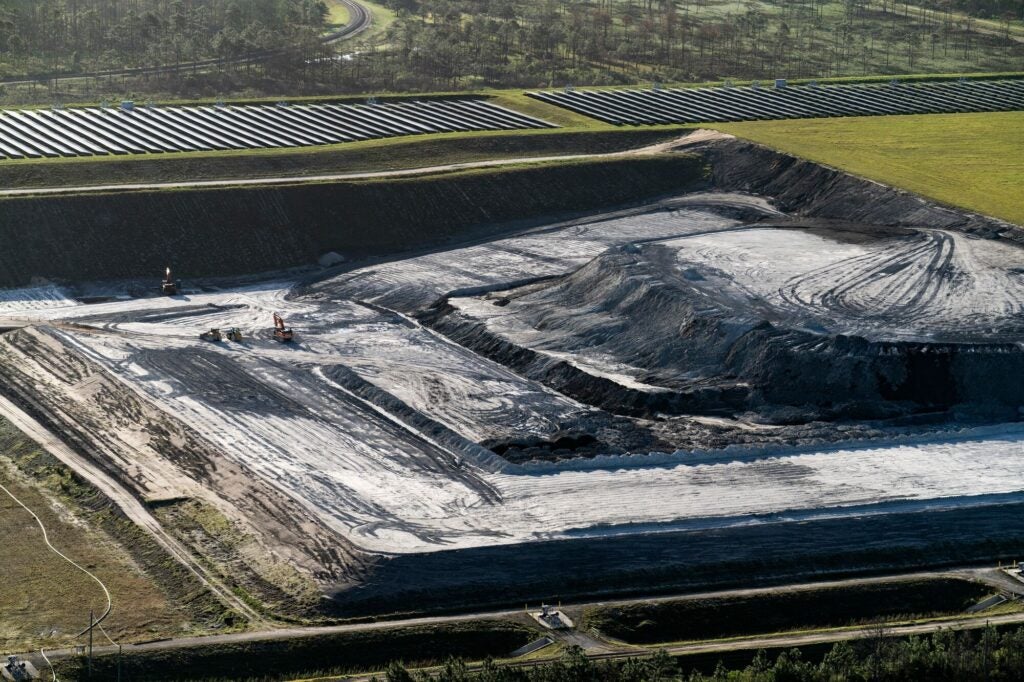
Coal ash landfill at Florida's Stanton Energy Center, February 2012. (Angelique Giraud / CWA)

Though dubbed the Sunshine State, Florida’s lifeblood is water. With its wetlands, high water table, extremely porous soil and intricate ecosystem, the state's laws are intended to keep its water safe and clean, which is necessary for the state’s very survival.

Unfortunately, the state’s regulations are simply not good enough—especially when it comes to coal ash. Florida produces more than 8 million tons of coal ash each year, yet has one of the worst records in the nation for regulating it. There are no requirements in Florida for liners, siting design, maintenance, or groundwater monitoring for coal ash ponds; the permitting process for constructing coal ash landfills is almost non-existent. In fact, Florida is one of only two states that relaxed portions of its coal ash standards between 1988 and 2005. Something must be done, and Clean Water Action is doing it.

1 Comment   /   Read more >>