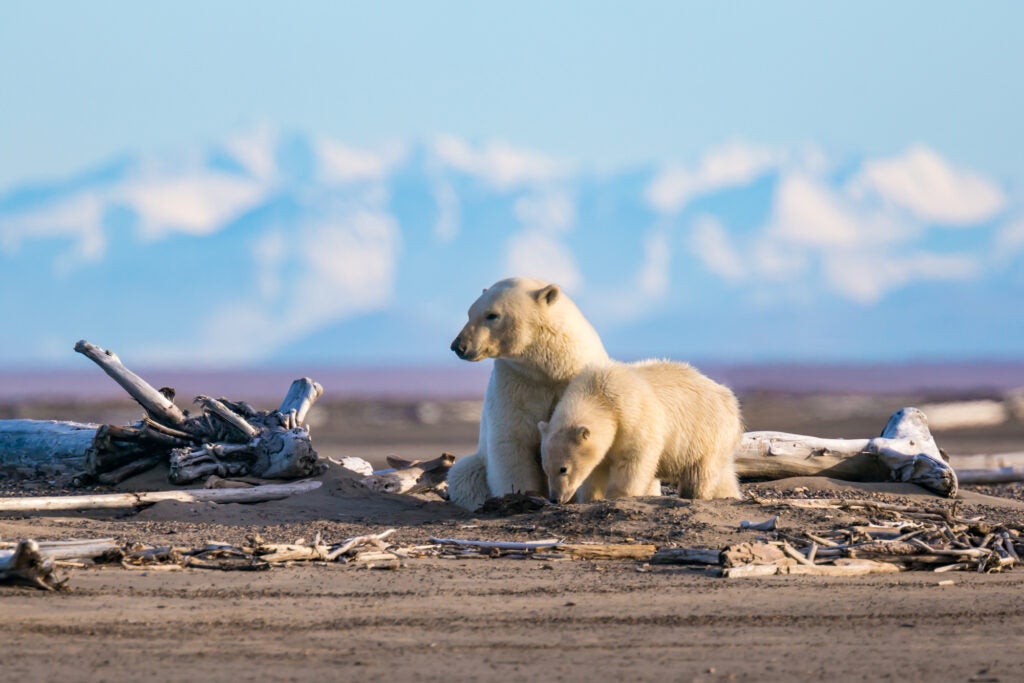
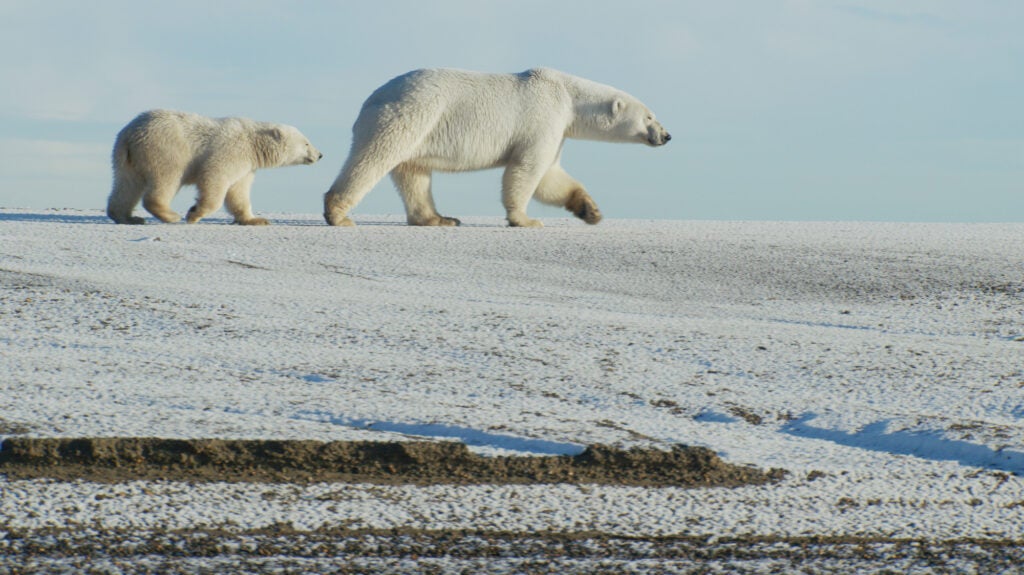
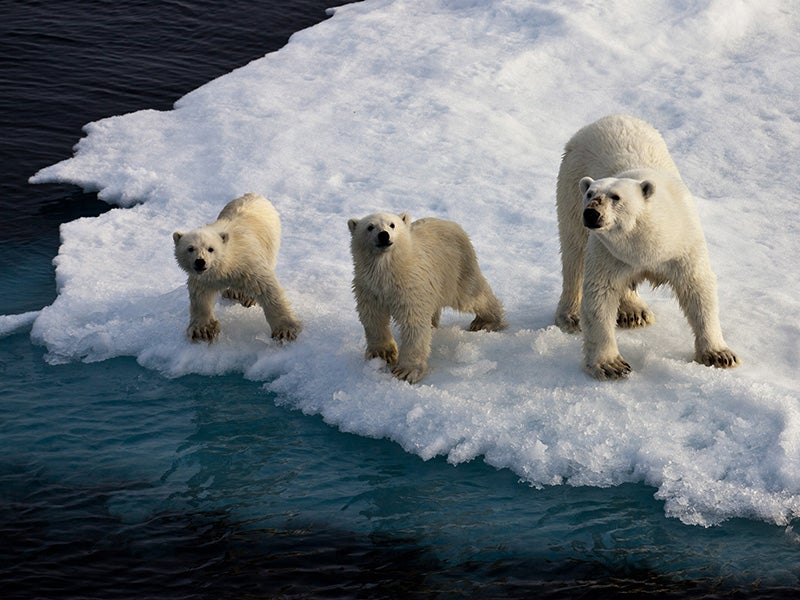
Federal agencies failed to prevent harm to threatened polar bears when they opened the entire Coastal Plain of the Arctic National Wildlife Refuge to oil and gas leasing
The regulations proposed at the request of the oil industry seek to greenlight potentially massive new oil development in sensitive areas of the Western Arctic
Today’s lease sale notice sets into motion this administration’s radical agenda to industrialize the Refuge to benefit oil companies – not the American people
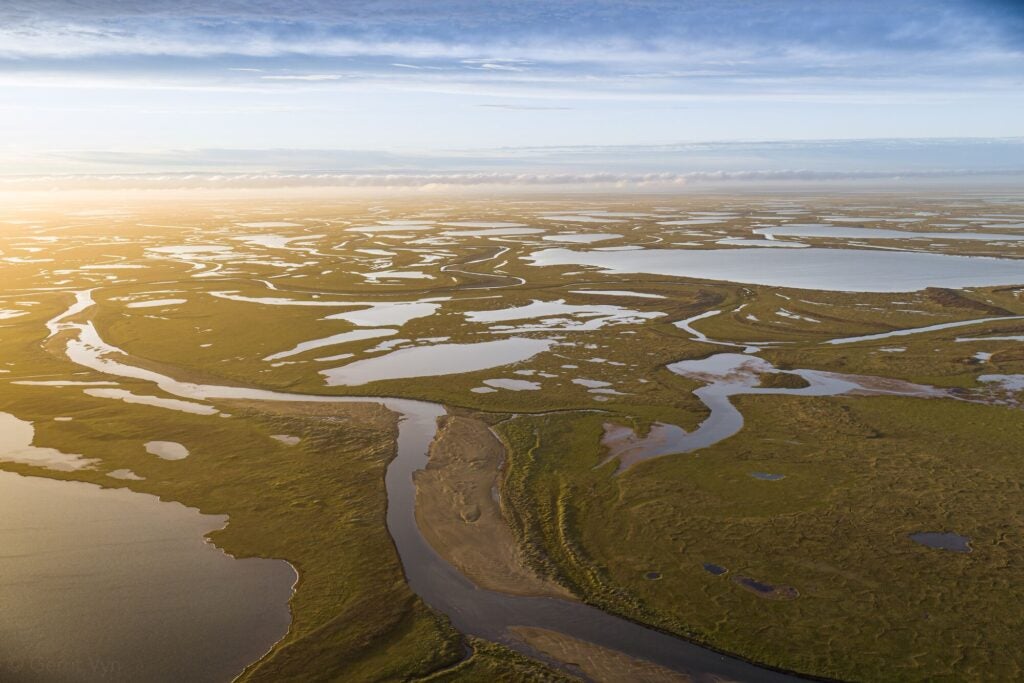
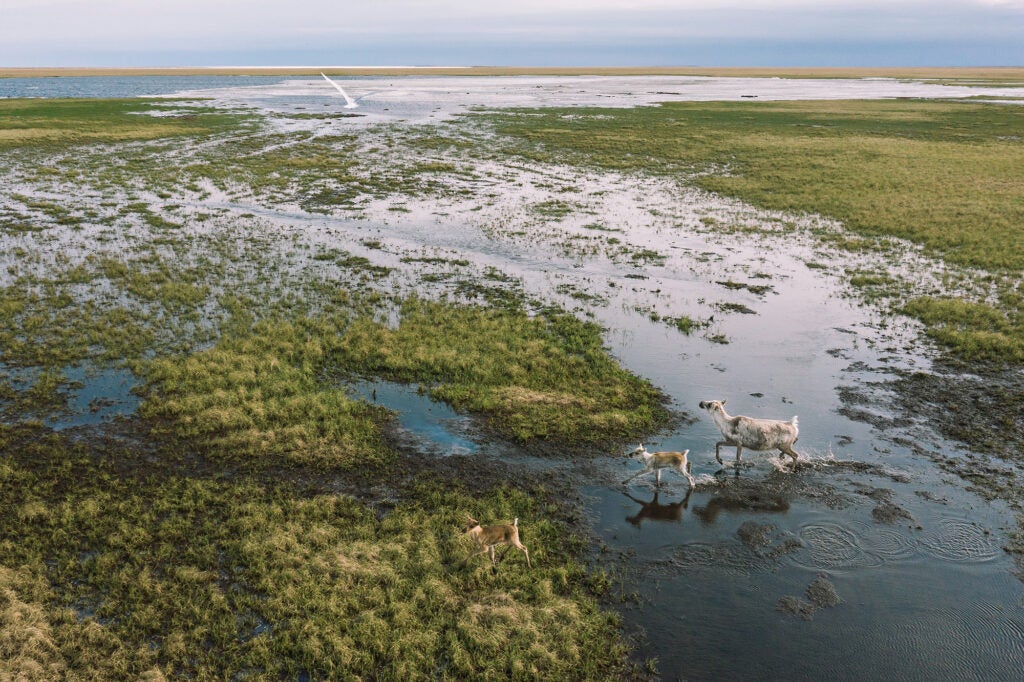
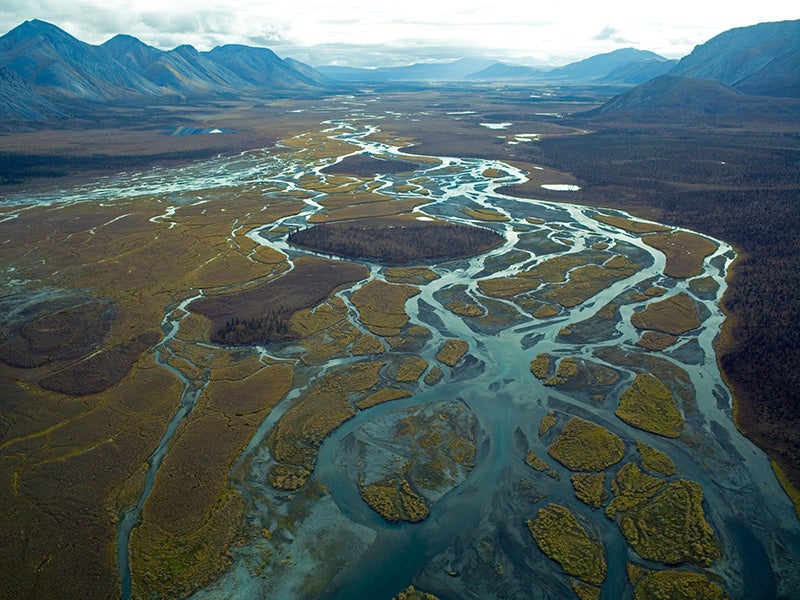
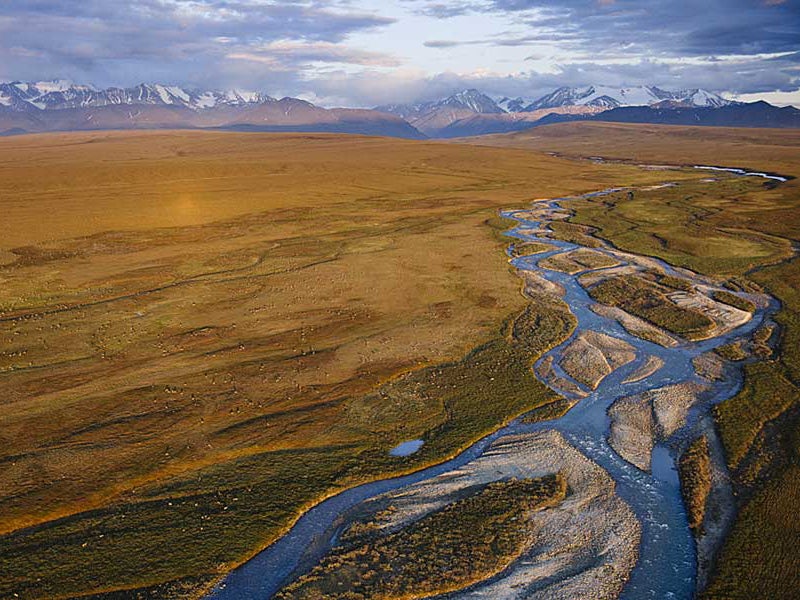
Updated complaint restarts paused litigation to protect the 1.56 million-acre Coastal Plain of the Arctic National Wildlife Refuge from oil and gas leasing
All major oil companies refused to bid; one small oil company and a state of Alaska-sponsored corporation snapped up five leases in a rush to exploit the Refuge’s Coastal Plain