

New Mexico Takes Action to Reduce Vehicle Pollution
New program will help New Mexico shift to cleaner and more affordable transportation fuels
Contacts
Kathryn McGrath, kmcgrath@earthjustice.org
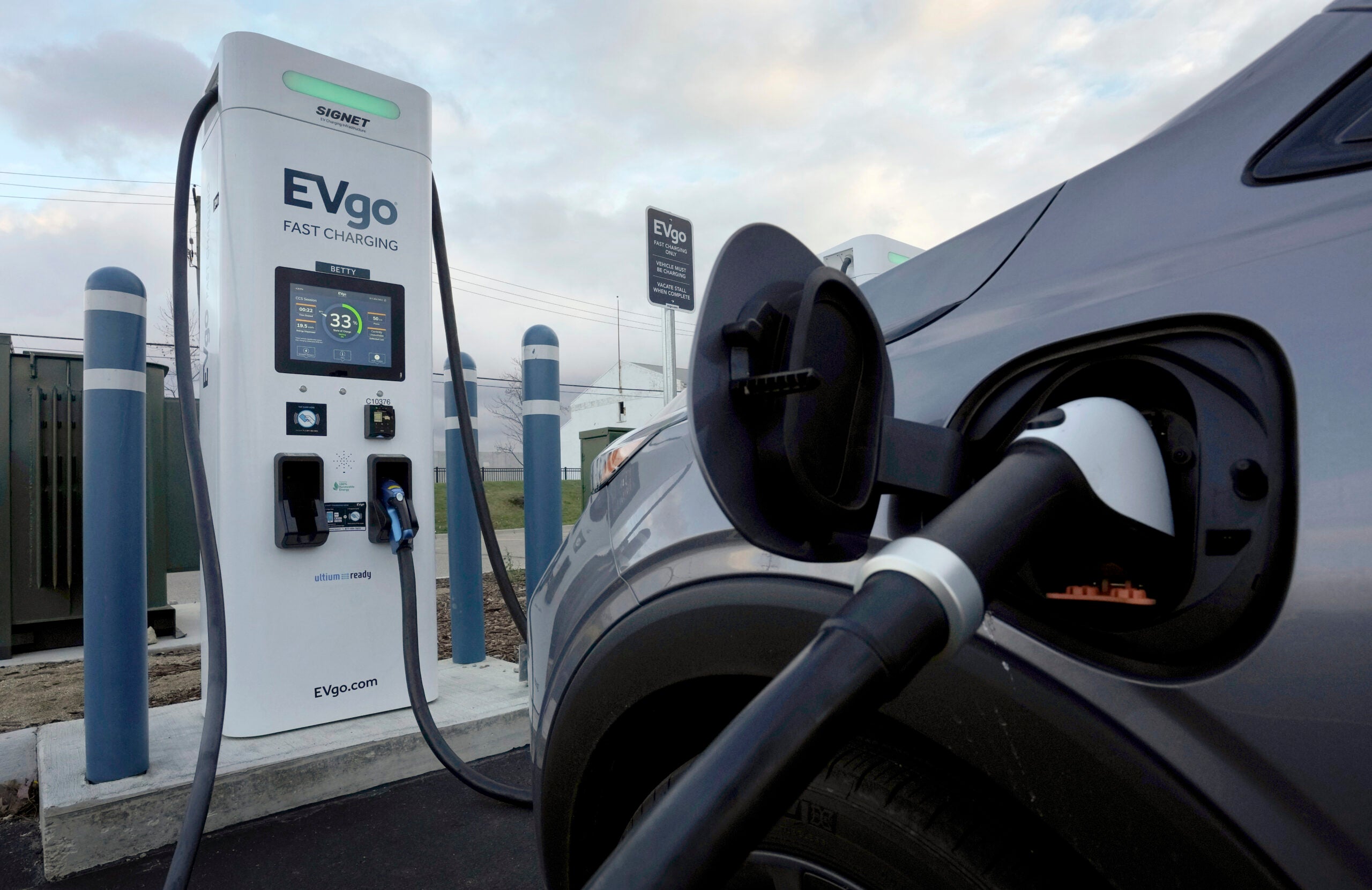
Today, the New Mexico Environmental Improvement Board voted to approve a new rule to reduce pollution from vehicles in the state. The Clean Transportation Fuel Program will help replace petroleum with renewable electricity and other clean transportation fuels over time. Decarbonizing transportation will help make New Mexico’s air cleaner and healthier to breathe and reduce the impacts of climate change. Shifting towards cleaner transportation fuels – especially electricity – will also help make life more affordable for families and help businesses control transportation costs.
The standard is the result of New Mexico House Bill 41, which the Legislature passed and Governor Lujan-Grisham signed in 2024. The program aims to reduce the carbon intensity of transportation fuels used in New Mexico by at least 20 percent by 2030 and 30 percent by 2040. The rule will generate hundreds of millions of dollars for clean transportation in New Mexico in the coming years – with benefits exceeding costs by well over $1 billion, according to analysis conducted for the New Mexico Environment Department.
The Environmental Improvement Board completed oral deliberations today. In the coming weeks, the Board will issue a final written order, and the state will add the rule to the New Mexico Administrative Code, with an effective date of April 1, 2026.
The Coalition for Clean Affordable Energy (CCAE) participated in the hearing before the Environmental Improvement Board, advocating to strengthen the proposed rule and ensure that New Mexicans will directly benefit.
“This program will help more New Mexicans get where they need to go, using cleaner and more affordable forms of energy,” said Travis Madsen, Transportation Program Director at the Southwest Energy Efficiency Project and expert witness for CCAE. “By taking action, New Mexico is helping to reduce pollution and save New Mexicans money at the same time.”
“Clean fuel standards are a tool that can help states clean up vehicle pollution even when the federal government abandons its leadership on climate and public health,” said Sara Gersen, Earthjustice attorney and counsel for CCAE. “The Environmental Improvement Board adopted a program framework that it can continue strengthening to deliver more public health and economic benefits to New Mexico.”
“The Clean Transportation Fuel Program sets up a framework that can deliver real emissions reductions and cost savings,” said Dr. Cheryl Laskowski, expert witness for CCAE. “With transparent guidance and implementation, clean fuel investments can deliver benefits for communities across New Mexico.”
“This rule will help New Mexico transition away from fossil fuels to cleaner, more efficient electricity-powered transportation, and thus reduce emissions of greenhouse gases and other pollutants harmful to human health,” said Charles de Saillan, attorney for CCAE.
“New Mexico is making a statement by becoming the 4th state in the nation to adopt clean fuel regulations,” said Cara Lynch, attorney for CCAE.
The final rule contains elements that will help fuel progress toward cleaner fuels and vehicles. In particular, CCAE appreciates that:
- The rule will help New Mexicans adopt electric vehicles (EVs). It appropriately accounts for the fact that vehicles powered by electricity are more efficient than those fueled by petroleum, and that helps cut pollution.
- Efficiency is also one of the best ways to save New Mexicans money. For example, SWEEP research shows that fueling an electric vehicle at home in New Mexico is comparable to gasoline at less than $1 per gallon – cheaper than gasoline has ever been, adjusted for inflation. Transitioning to electric transportation will help reduce New Mexicans’ overall energy bills. Nationally, transitioning to an electric vehicle fleet will save consumers on the order of $2.7 trillion, or about $1,000 per household, per year.
- The rule is self-reinforcing: progress will fuel more progress. For example, the rule requires EV manufacturers and electric utilities to re-invest money they earn from clean fuel credit sales into transportation electrification programs, with at least 50 percent of the revenue targeted toward under-served communities. Some of that money will help fund discounts on EV purchases. So the more New Mexicans drive EVs, the more money will be available to support further electrification.
- The rule will help transit agencies provide better and more affordable service for more New Mexicans. The rule enables transit agencies to generate clean fuel revenue based on the fact that when people ride a bus or a train, that takes vehicles off the road and helps reduce pollution.
- The rule relies on state authority; it will help keep New Mexico moving toward a cleaner transportation system even in the absence of federal leadership.
The final rule also includes several deficiencies that could reduce the potential benefits of the program in New Mexico, or reduce the effectiveness of the clean fuel credit market. For example, the final rule allows book-and-claim accounting, which could steer economic benefits toward dairy farms and biofuel refineries in other states. The Environment Department, the Environmental Improvement Board and the Legislature should carefully monitor program performance and address weaknesses that may emerge.
“While there’s a lot more work we’ll need to do to address the challenges of climate change, Governor Lujan-Grisham, the Legislature and the New Mexico Environment Department deserve a lot of credit for leading the way forward toward a better future,” concluded Madsen. “We look forward to working with future leaders to strengthen the Clean Transportation Fuel Standard and adopt additional policies to unlock more of the vast potential to power our lives with clean, efficient and affordable energy.”
Additional Resources
About Earthjustice
Earthjustice is the premier nonprofit environmental law organization. We wield the power of law and the strength of partnership to protect people's health, to preserve magnificent places and wildlife, to advance clean energy, and to combat climate change. We are here because the earth needs a good lawyer.