

Trump Administration’s Border Plan Is A “Ticking Time Bomb” According to New Analysis
Border wall and water buoys pose an inevitable and irreversible threat to human life, property, and the environment
Contacts
Erin Fitzgerald, efitzgerald@earthjustice.org
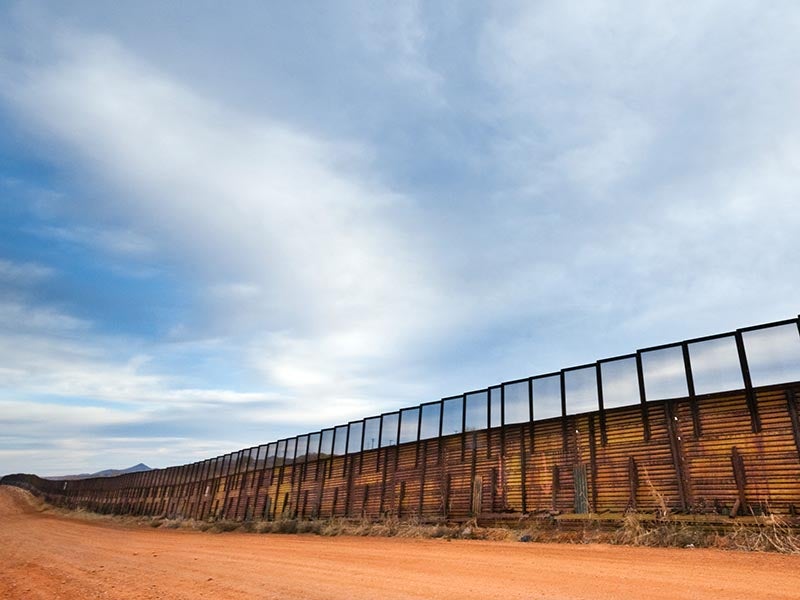
A new report by Mark R. Tompkins, PhD, and the Rio Grande International Study Center (RGISC), finds the border wall and buoys in Texas pose a threat to human life and property, and will increase the intensity of flooding, and amount of debris capture that will threaten bridge and drinking water infrastructure. The report focuses on 108 miles of border wall and 153 miles of river buoys in Webb and Zapata counties, which would include all riverfront land in Laredo, which the federal government intends to seize from the city, other public entities, and private landowners via eminent domain.
A firestorm has erupted in Laredo over the potential risks that the wall and buoy system will create for neighborhoods, as well as bridge infrastructure that drives global trade and commerce, and the very source of life for this community. Laredo founded in 1755 is a highly urbanized South Texas city that closely hugs the banks of the Rio Grande. More than 20 riverfront neighborhoods are home to tens of thousands of Laredoans who are vulnerable to the “inevitable” harms from flooding posed by the massive wall and buoy system. The federal government has yet to reveal any design plans to targeted border communities.
In August 2025, the Department of Homeland Security (DHS) signed an exemption waiver to “ensure expeditious construction” of new border barriers, totaling approximately 100 miles of border wall and additional water-borne barriers. The One Big Beautiful Bill Act passed last year dedicated $46.5 billion in funding for border wall construction managed by Customs and Border Protection.
Installing the proposed wall and buoy system will require clearing, defoliating, and stripping bare a sizeable area along the riverbanks. This size and impact of this project is unprecedented, and risks creating a “ticking time bomb” with unacceptable risks to the environment, waterways, and communities nearby.
According to the report, the project will cause:
- More dangerous flooding. The wall and buoys will increase the height and velocity of the water flow. During flooding, the force of debris and water will be highly concentrated instead of dispersed across expansive flood zones.
- Increased debris near bridges and infrastructure. Construction will increase the erosion of riverbeds and riverbanks. Once installed the buoys will act as litter traps gathering debris and becoming dislodged themselves. Debris and dislodged buoys will travel downstream and will threaten bridge supports and infrastructure.
- Life-threatening breaches and infrastructure collapse. Flooding will contribute to breaches or total failure of the wall, further intensifying the severity of destruction. This will lead to increased property damage and pose a threat to human life. The structure is prone to eventual and inevitable collapse very likely near residential and public lands along the river, such as in communities like Laredo.
Additional Consequences of Border Barrier Construction
The findings from the report are damning and clearly illustrate the significant negative impacts that will come if further border barrier construction is permitted. However, there are many more consequences that go far beyond the scope of analysis. Threats posed by the border barrier extend far and wide, including jeopardizing private land ownership, safe drinking water, and human lives. The wall and water-borne barriers serve as a physical representation of the deeply problematic past, present, and future of immigration policy in this country.
- Drinking Water Impacts: More than 15 million people in the United States and Mexico rely on the Rio Grande River for their drinking water. Construction activities will increase sedimentation and risk of contamination, posing a serious threat to the viability of the river as a source of safe drinking water.
- Uncompensated Property Damages: Government reports show the inevitability that the border wall and water-borne barriers are likely to cause private property damage, including to fencing, livestock, and residences. However, there is little assurance that landowners would be compensated for these financial losses.
- Eminent Domain Land Seizures: In 2018, it was reported that notices were sent to 167 private landowners in Rio Grande’s Hidalgo County. Now that DHS has paved the way for further expedited construction, the government has resumed their pursuit of land through eminent domain seizures. The Wall Street Journal reports that dozens of lawsuits have been filed against Texas landowners this year alone.
- Threat to Public Lands: The planned route of the border wall is a distinct threat to the integrity of public lands. Big Bend National Park is in the crosshairs as DHS threatens to seize parts of the park in their plans to move forward with construction, disrupting critical ecosystems, endangering countless species of flora and fauna, and potentially disrupting the tourist economy supported by the park.
Quotes from Advocates, Community Members, and Elected Officials:
“We are flying in the dark, and cannot accept such a destructive project that will put so many lives in Laredo in danger,” said Tricia Cortez, executive director of the Rio Grande International Study Center. “It will create potentially devastating flood situations in Laredo like Kerrville and Katrina. This is a project that has no justification in Laredo. We rank as one of the safest cities in the United States.”
“The Rio Grande is the sole source of drinking water for Laredo. I’ve seen how sensitive this river is, and Dr. Tompkins’ analysis makes clear that increased erosion and shifting flows from the proposed wall and buoy system could directly threaten the City’s raw water intake infrastructure,” said Martin Castro, Watershed Science Director at Rio Grande International Study Center. “The Rio Grande was already named one of the most endangered rivers in the country last year by American Rivers, and this project would only accelerate the risks to our water supply, our community, and the river itself.”
“Failures will cause catastrophic flooding, damage, and destruction to property, and risks to the health and safety of people near the river corridor,” said Dr. Mark Tompkins, report author and fluvial geomorphologist with FlowWest. “Laredo has already experienced many such floods, so “if the wall and buoy system gets built, it’s not a question of if, but when.”
“This devastating report sounds the alarm for the federal government to change how it treats border communities and ecosystems,” said Cameron Walkup, Earthjustice Associate Legislative Representative. “Hundreds of miles of walls and buoys are not the answer. Congress must stop this ecological and humanitarian crisis by rescinding the waivers that allow these projects to proceed without any transparency, repealing the billions in taxpayer dollars that has been allocated unnecessary border barriers, and restoring the places that have already been devastated by the wall.”
“Up close, the Border Wall is a looming mass of steel, with 24-hour high intensity lights, cameras, and dusty surveillance roads,” said Laredo Councilwoman Melissa Cigarroa. “It is an ugly prison wall. We do not deserve to be treated like criminals. Our river, our water, our land and our children deserve better.”
“My family and I have lived a block equidistant from the Rio Grande for generations. I’ve spent many hours walking around the college, Tres Laredo Park, and along the river. Over the past couple of years, I’ve seen a huge shift in my neighborhood from what it was growing up. It’s always been a quiet neighborhood with older families,” said Jasmin Vega, Webb County Impacted Neighborhood Resident. “Any agency you can think of is constantly surveilling the area and making it hard to even go for a walk, even though crossings are at record-low numbers. I’ve also witnessed the huge impact these agencies have had in ruining our ecosystem. Animals like javelinas, which used to roam in the brush behind the college and near the river, are now wandering through neighborhoods, confused, displaced, and alone. Seeing further harm done to our people and our land is simply unacceptable.”
“I received a statement saying that [the project] is imminent and that they are going to appropriate our land, our properties,” said Sandra Rodriguez, Webb County Impacted Neighborhood Resident. “So my question is: what are we going to do, the people who have properties near the river? How will we be protected?”
“We are shocked and impacted by these developments,” said Crystal Torres, Webb County Impacted Neighborhood Resident. “We know the wall will cause water levels to rise in the event of a flood, making our entire community concerned.”
“Laredo families should not be forced to choose between their safety, their water, and their voice, but as usual with this Administration, the cruelty is the point,” said Commissioner Rodney Ellis, Harris County. “Constructing Trump’s vanity wall against the wishes of border communities violates the people of Laredo’s well-being and civil rights. What happens in Laredo can happen in any Texas community, and we all have a responsibility to speak out against this injustice.”
“Communities along the Rio Grande should not be put at risk by a border wall project that experts warn will increase flooding, damage infrastructure, and threaten lives. Recent geomorphology findings raise serious concerns about safety and long-term impacts,” said Texas State Senator Molly Cook. “We must pay attention to scientific evidence and listen to the residents of the area before proceeding with such a dangerous project. Wasting taxpayer dollars on infrastructure that harms communities and the environment hurts every Texan. Texas has a responsibility to heed the voices of those most affected and ensure that any decisions prioritize health and safety. We must stand together against this.”
Additional Resources
About Earthjustice
Earthjustice is the premier nonprofit environmental law organization. We wield the power of law and the strength of partnership to protect people's health, to preserve magnificent places and wildlife, to advance clean energy, and to combat climate change. We are here because the earth needs a good lawyer.