
Australia’s Highest Court Hears Its First Climate Case
A local community’s legal challenge to an open cut coal mine could shape the country’s future approach to the climate harm caused by its fossil fuels.
Australia is one of the world’s largest exporters of coal and gas, so the story of a community group fighting in court to protect their local environment from a huge coal mine or gas development is a familiar one. However, for the first time, this battle has landed on the steps of Australia’s highest court, the High Court of Australia. This is a high stakes fight to protect local communities from the harmful impacts of climate change, which is caused by the burning of fossil fuels like coal and gas.
A long road to protect their community
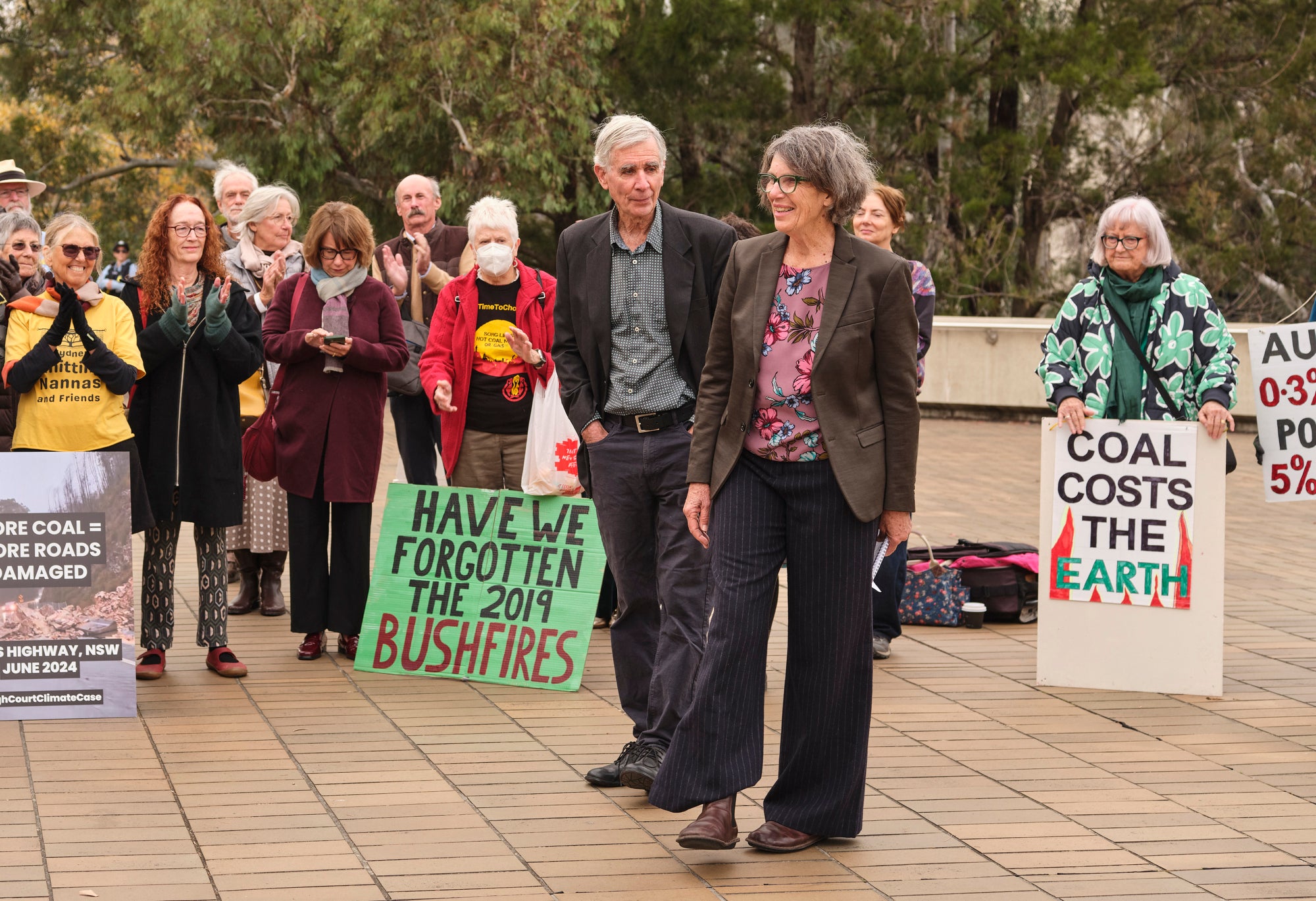
On May 13, 2026, a group of locals from a small community in the Hunter Valley in New South Wales appeared before the High Court seeking to protect their community from the expansion of a massive open cut coal mine, known as the Mount Pleasant mine.
Led by retired teachers, Wendy Wales and Tony Lonergan, the community group is challenging the New South Wales Independent Planning Commission’s 2022 approval of an application to expand the Mount Pleasant coal mine. This approval would allow the mine to extend its operations from 2026 to 2048 and double its annual coal production. This would enable an additional 247 million tons of coal to be extracted by 2048. The coal from this mine is exported and burned in coal plants outside Australia, and the approved expansion would lead to the release of around an additional 876 million tons of carbon dioxide equivalent. According to the U.S. EPA Greenhouse Equivalences Calculator, it would take over 14.5 billion seedlings grown for 10 years to offset this amount of carbon pollution.
The case has made its way through the courts, with the community group winning before the highest state court in New South Wales last year. The applicants from the Hunter Valley described the ways in which climate change is harming their region – increased temperatures, heatwaves, and violent winds are leading to extreme wildfires, and erratic rain patterns are leading to severe droughts and floods. The court concluded that the Independent Planning Commission had to consider the relationship between the emissions resulting from the mined coal and the effects of climate change on the community living in proximity to the mine.
Now, the mining company, MACH Energy Australia, has appealed to the High Court.
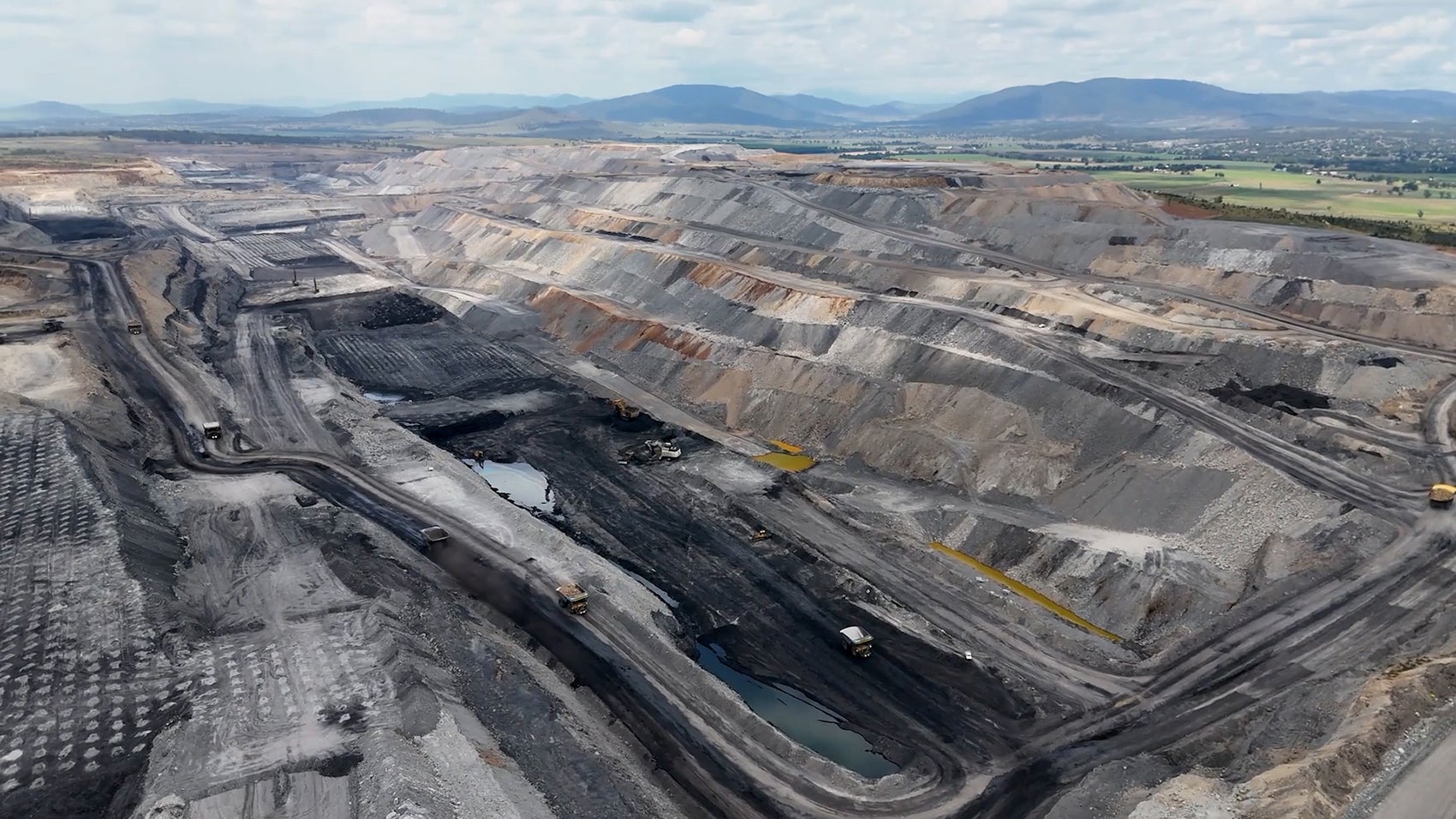
The Mount Pleasant coal mine in New South Wales, Australia. (Courtesy of Climate Media Centre)
The contributions of a coal mine to global climate change produce local climate harms
The stakes are high. This is the first time that Australia’s highest court will grapple directly with the climate change consequences of a fossil fuel project.
The case goes to the heart of how governments and other regulators assess the climate impacts of major fossil fuel projects, when the fossil fuel is burned outside Australia. MACH Energy is arguing that local climate impacts cannot be linked to the emissions from its mine. The High Court is now considering whether the coal mine’s contributions to global climate change cause harm – such as wildfires, extreme heat, or flooding – in the local area around the mine.
Communities are taking the fight to the courts to protect themselves in the face of government inaction
With so many governments across the globe failing to take adequate action to transition away from dirty fossil fuels to protect communities from increasing climate harms, communities are increasingly turning to the courts to protect themselves from the social, environmental, and economic harm caused by climate change.
This case is a test for the Australian legal system. It asks whether the courts will protect local communities from climate harms by requiring government decision-makers to assess the localized impacts of climate change when deciding whether to permit additional fossil fuel extraction intended for export.
A win for Wendy, Tony, and their community would not only help protect the Hunter Valley from increasing climate harms. It would also strengthen the rights of communities across Australia to protect themselves from fossil fuel projects that drive global climate change.
The local community group, the Denman Aberdeen Muswellbrook Scone Healthy Environment Group Inc., are represented by Johnson Legal.
The International Program partners with organizations and communities around the world to establish, strengthen, and enforce national and international legal protections for the environment and public health.
Miranda Fox
Public Affairs and Communications Strategist, Earthjustice
mfox@earthjustice.org