EPA’s New Coal Ash Proposal Is a Gift to Polluters
How the Trump EPA is weakening safeguards against toxic coal ash pollution.
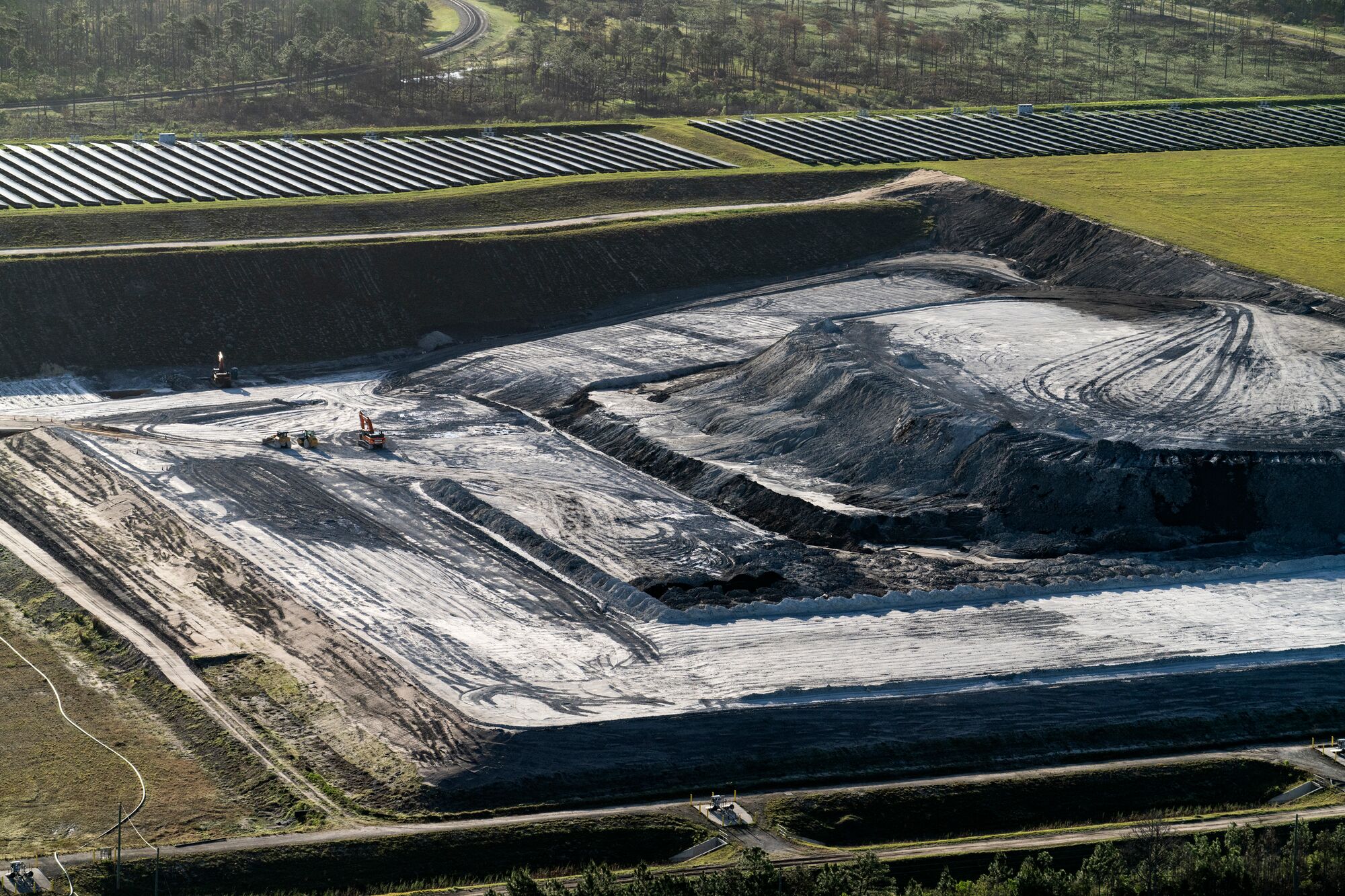
Coal ash is the toxic waste left behind after coal is burned for electricity. It contains dangerous chemicals and heavy metals like arsenic, lead, mercury, and radium — contaminants linked to cancer, neurological damage, and other serious health problems. For decades, communities living near coal ash dumps have dealt with poisoned groundwater, unsafe drinking water, and mounting health risks while utilities delayed cleanup and fought accountability.
The federal Coal Ash rule — formally called the coal combustion residuals (CCR) rule — was created after catastrophic coal ash disasters and years of widespread water contamination. Communities had already paid the price for weak oversight. But now, the Trump EPA is proposing to roll back many of the protections designed to prevent further harm.
EPA says these changes are about giving utilities more “flexibility” and supporting “energy dominance.” But in practice, the proposal would make it easier for power companies to avoid cleaning up toxic coal ash pollution, weaken protections for groundwater and drinking water, and remove federal oversight from certain coal ash disposal sites. Delaying or weakening cleanup requirements does not eliminate the costs of coal ash pollution — it shifts those costs onto nearby communities that are left dealing with contaminated water, health risks, and expensive long-term cleanup efforts.
And these changes did not come out of nowhere. In early 2025, industry groups representing utilities and coal ash interests publicly released a series of letters and white papers urging EPA to weaken federal coal ash protections. Among them were requests from the Utility Solid Waste Activities Group (USWAG) to roll back disposal requirements, weaken restrictions on “beneficial use,” expand exemptions, and eliminate requirements for certain coal ash management units. EPA’s proposal now includes many of the same changes the industry asked for just months earlier. Among the most alarming changes:
- EPA proposes eliminating requirements for certain coal ash management units (CCRMU’s), which could remove protections from previously regulated coal ash disposal areas.
- The agency would exempt certain coal ash “dewatering structures” from federal regulation entirely, even though they are used to handle toxic coal ash waste.
- Utilities could gain new ways to weaken groundwater monitoring and cleanup requirements through site-specific permits, making it harder to hold polluters accountable for contamination.
- EPA also proposes weakening restrictions on the large-scale “beneficial use” of coal ash. While the term sounds harmless, “beneficial use” can include mixing coal ash into soil or using it in large fill projects for playgrounds, parks, construction sites, and other open areas. In some cases, the coal ash used in these projects can sit uncovered and exposed to rain, wind, and nearby communities.
Taken together, these changes would make it easier for utilities to avoid cleanup obligations while weakening safeguards meant to protect nearby communities from toxic contamination.
The risks from coal ash are not theoretical. Communities across the country are already living with the consequences. Coal ash dumps have polluted rivers, lakes, and groundwater with toxic metals linked to cancer, neurological damage, cardiovascular disease, and developmental harms.
The existing coal ash protections are already the floor – not the ceiling. Even with current rules in place, utilities have repeatedly sought extensions, loopholes, and exemptions while contamination continues spreading into groundwater. Instead of strengthening enforcement and accelerating cleanup, EPA is proposing to weaken the rules yet again.
This proposal reflects a broader pattern from the Trump administration: siding with powerful industries while weakening environmental protections that communities depend on. Instead of taking EPA’s mission seriously and strengthening safeguards against toxic pollution, Administrator Lee Zeldin is falling in line with an agenda focused on deregulation and industry demands. Communities living near coal ash sites should not have to sacrifice clean water and safe neighborhoods so utilities can avoid stronger cleanup requirements and save money. EPA’s job is supposed to be protecting people from toxic pollution — not making it easier for polluters to avoid responsibility
Established in 1989, Earthjustice's Policy & Legislation team works with champions in Congress to craft legislation that supports and extends our legal gains.
Siham Zniber
Associate Director, Policy & Legislation, Earthjustice
szniber@earthjustice.org