

65 Organizations Urge FDA to End Routine Antibiotic Use in Livestock Operations
More than 70% of antibiotics sold in the U.S. are used in the meat industry despite decades of evidence of dangerous antibiotic resistance and harm to human health
Contacts
Nydia Gutiérrez, ngutierrez@earthjustice.org
Sabrina Wood, sabrina.wood@omc.com
Today, 65 organizations representing millions of Americans filed a rulemaking petition urging the Food and Drug Administration (FDA) to withdraw approval for the unsafe use of antibiotics for disease prevention in food-producing animals. Every year, antibiotic-resistant bacteria contribute to approximately 35,000 deaths and 2.8 million illnesses in the U.S. — a public health crisis driven partly by livestock operations. Unnecessary use of antibiotics in animals breeds antibiotic-resistant bacteria and is transferable to humans in many ways, including through food, air, and water. Read petition executive summary here.
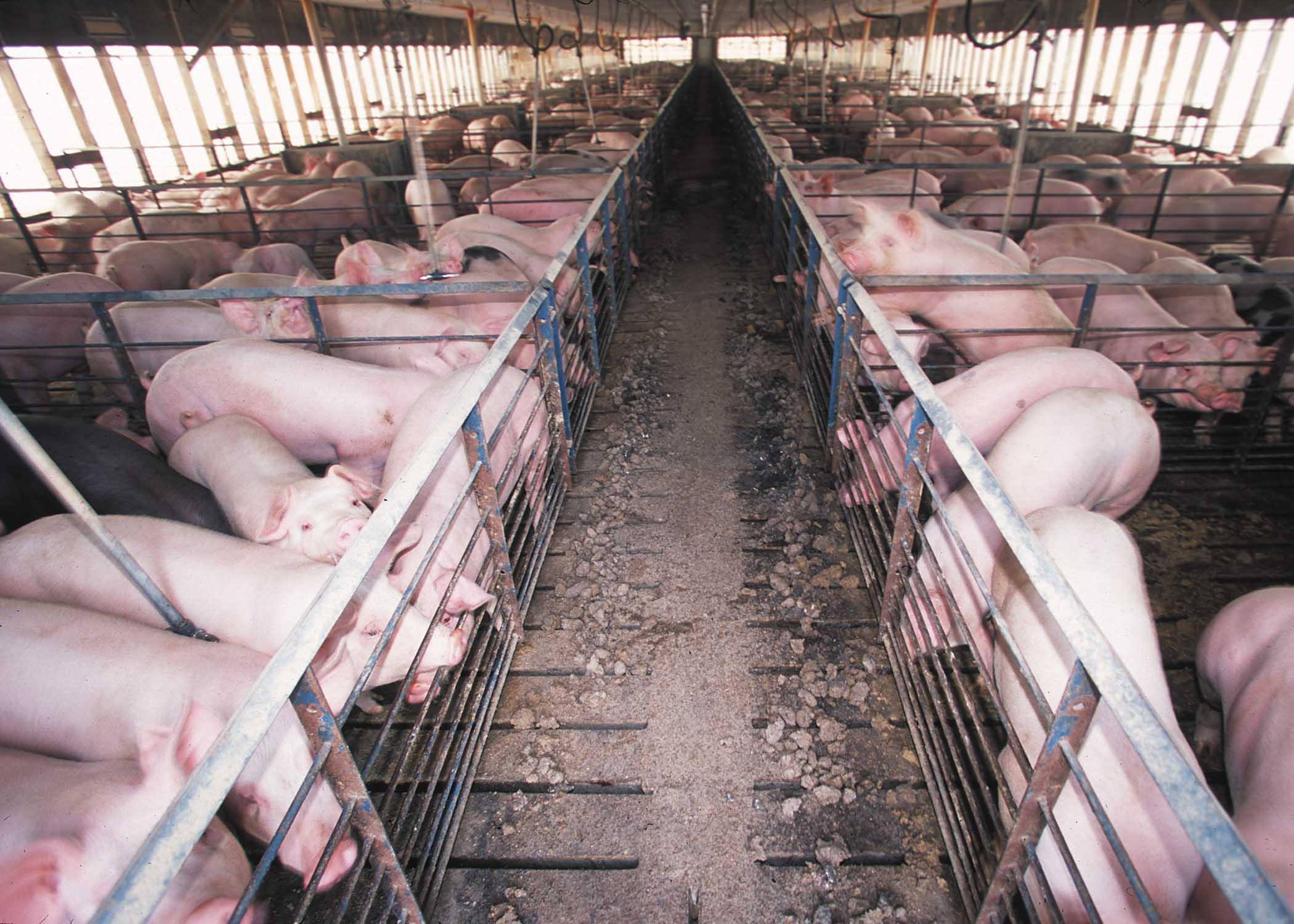
“For decades, pharmaceutical and meat corporations have prioritized profit and hidden the consequences of their practices on human health, animal welfare, and the environment. The FDA is obligated to ensure that drugs given to animals do not harm humans. Yet, despite overwhelming scientific evidence, the FDA has allowed this practice to continue,” said Peter Lehner, Managing Attorney, Earthjustice Sustainable Food and Farming. “Antibiotic use enables crowded livestock operations with poor hygiene. There are many farmers and ranchers that successfully raise livestock in better, safer, and cleaner environments — without the unnecessary use of antibiotics. We can’t continue risking the effectiveness of our medicines to boost industry profits.”
Each year, 34 million pounds of antibiotics are used in livestock feed and water — the largest single use of antibiotics in the U.S. It is not only used to treat diagnosed diseases, but also to sustain crowded and inhumane operations, which leads to the accumulation of bacteria resistant to antibiotics. The spread of antibiotic-resistant bacteria weakens the effectiveness of medicines people depend on for surgery, chemotherapy, organ transplantation, treating illnesses, and caring for premature infants.
“The Food and Drug Administration has known for years that the injudicious and excessive use of antibiotics in animal feed for purposes other than treating diagnosed diseases both enables the harmful factory farm model of meat, dairy, and egg production and contributes significantly to the emergence and spread of antibiotic-resistant bacteria,” said Sierra Club volunteer leader Cheryl Ruble, MD, a retired infectious disease physician. “Throughout my career, I saw firsthand the consequences of antibiotic-resistant infections: limited and more toxic treatment options, more severe and prolonged illness, and poorer outcomes, including death. It is long past time to end this unnecessary and dangerous practice.”
More consumers are looking for healthy, safe food for their families. Petitioners demand that the FDA act to keep Americans safe. Signed by Consumer Reports, Health Care Without Harm, Moms Across America, Sierra Club, and many other health, environmental, farming, farmworker, consumer, animal welfare, and scientific advocacy organizations, the new rulemaking petition urges the FDA to fulfill its legal obligation to ensure animal drugs are safe for human health. Specifically, the petition calls for the FDA to withdraw approval for disease prevention uses and long-duration administration of medically important antibiotics. It also requests that the FDA mandate the accurate collection of antibiotic usage data by species and sector and sets usage reduction targets to improve public health.
“It is widely recognized that overuse of antibiotics is a major contributing factor to the decline of our children’s and families’ gut and immune system health. Moms Across America has tested and found several seriously harmful antibiotics in fast food and school lunches that contribute to infertility and aggression as well,” said Zen Honeycutt, Founder and Executive Director of Moms Across America. “The use of antibiotics in livestock can no longer be ignored and must be stopped, or at least highly regulated and reduced.”
The evidence is clear that sustainable livestock production is possible without sacrificing economics or efficiency for routine antibiotic use. Thousands of farmers raise animals with very low levels of antibiotics or none at all. For example, the chicken industry uses ten times fewer antibiotics per pound of meat produced than the cattle or swine industries. Many meat producers, domestically and abroad, use far less antibiotics than the industry average.
“We’ve known for decades that using antibiotics to prevent disease in food animals creates dangerous resistant bacteria, and the evidence has only grown stronger over the last 10 years. We now know much more about how antibiotic overuse leads bacteria to accumulate resistance to multiple antibiotics and then pass that resistance to other bacteria making it ever more difficult to treat dangerous infections,” said Steven Roach, Safe & Healthy Food Program Director, Food Animals Concerns Trust.
“Consumers shouldn’t have to worry that the meat they’re feeding their families is quietly making life-saving medicines less effective. Antibiotics are still being used in livestock as a matter of routine rather than to treat diagnosed diseases — fueling a resistance crisis that puts our health at risk. The FDA has both the tools and the obligation to act. Consumer Reports is calling on the agency to finish the job,” said Michael Hansen, Ph.D., Senior Scientist, Consumer Reports.
“Unnecessary antibiotic use in industrial animal agriculture endangers public health and welfare by increasing the spread of antibiotic-resistant bacteria. It is imperative that FDA take action to stop the misuse of antibiotics and its harmful effects on animals, livestock workers, agricultural communities, and public health,” said Kristina Sinclair, Attorney, Center for Food Safety.
“The antimicrobial resistance crisis is upon us. And we know that the quantities of antimicrobial drugs used in food animal production pose a risk to human health, and far exceed the quantities used in human medicine,” said Christopher D. Heaney, Environmental and Occupational Epidemiologist at the Johns Hopkins Bloomberg School of Public Health. “Efforts to address food animal production as a driver of antimicrobial resistance are critical to tackling this crisis.”
“The routine use of medically important antibiotics in animal agriculture raises important concerns for both public health and animal welfare,” said Courtney Dillard, Global Research and Strategy Manager at Mercy For Animals. “Antibiotics should be used to treat illness—not to compensate for production systems that increase disease risks. Mercy For Animals is proud to support this petition and encourages the FDA to take a science-based approach that protects public health and promotes responsible antibiotic stewardship.”
“The continued misuse of antibiotics in agriculture remains a major threat to lifesaving medications. While the health sector has taken significant steps to combat antimicrobial resistance, this growing public health crisis cannot be fully addressed unless the FDA takes strong action. Failure to act will make infections harder to treat, leading to prolonged hospital stays, higher health care costs, and preventable deaths,” said Katie Huffling, DNP, RN, CNM, FAAN, Executive Director, Alliance of Nurses.
Petitioners include:
- Agri-Cultura Cooperative Network
- Alliance for Humane Biotechnology
- Alliance of Nurses for Healthy Environments
- American Regeneration
- Animal Legal Defense Fund
- Animal Outlook
- Animal Partisan
- Antibiotic Resistance Action Center, the George Washington University
- Anura Capital
- Beyond Pesticides
- Buffalo River Watershed Alliance
- Center for Biological Diversity
- Center for Food Safety
- Committee on the Middle Fork Vermilion River
- Compassion in World Farming
- Consumer Reports
- CRLA Foundation
- Cultivate Charlottesville
- Delaware Riverkeeper Network
- Environmental Working Group
- Farm Aid
- Farm Forward
- Farm Sanctuary
- FarmSTAND
- Farmworker and Landscaper Advocacy Project -FLAP- Ayuda para Trabajadores del Campo y Jardineros
- Farmworker Association of Florida
- Food & Water Watch
- Food Animal Concerns Trust
- Foodwise
- FOUR PAWS
- Friends of the Earth
- Green America
- HEAL (Health, Environment, Agriculture, Labor) Food Alliance
- Health Care Without Harm
- Hudson Riverkeeper
- Jefferson County Farmers & Neighbors, Inc.
- Latino Farmers & Ranchers International, Inc.
- Lymphoma Foundation of America
- Mercy For Animals
- Minnesota Center for Environmental Advocacy
- Moms Across America
- National Consumers League
- Non-Toxic Neighborhoods
- Northeast Organic Farming Association of New Hampshire
- Northeast Organic Farming Association of New York
- Nutrient Density Initiative
- Pasa Sustainable Agriculture
- Pediatric Infectious Diseases Society
- Pesticide Action and Agroecology Network
- Public Citizen
- Regenerative Agriculture Coalition
- Rural Coalition
- San Francisco Bay Physicians for Social Responsibility
- Science and Environmental Health Network
- Sierra Club
- Socially Responsible Agriculture Project
- Soul Fire Farm
- The Non-GMO Project / Food Integrity Collective
- Unitarian Universalist Animal Ministry
- United We Eat
- Urban Tilth
- Waterkeeper Alliance
- Western Nebraska Resources Council
- Women’s International League for Peace & Freedom, US Section
Additional Resources
About Earthjustice
Earthjustice is the premier nonprofit environmental law organization. We wield the power of law and the strength of partnership to protect people's health, to preserve magnificent places and wildlife, to advance clean energy, and to combat climate change. We are here because the earth needs a good lawyer.