

Trump Administration Proposal Would Shift More Grizzly Bear Management to Hostile Northern Rockies States
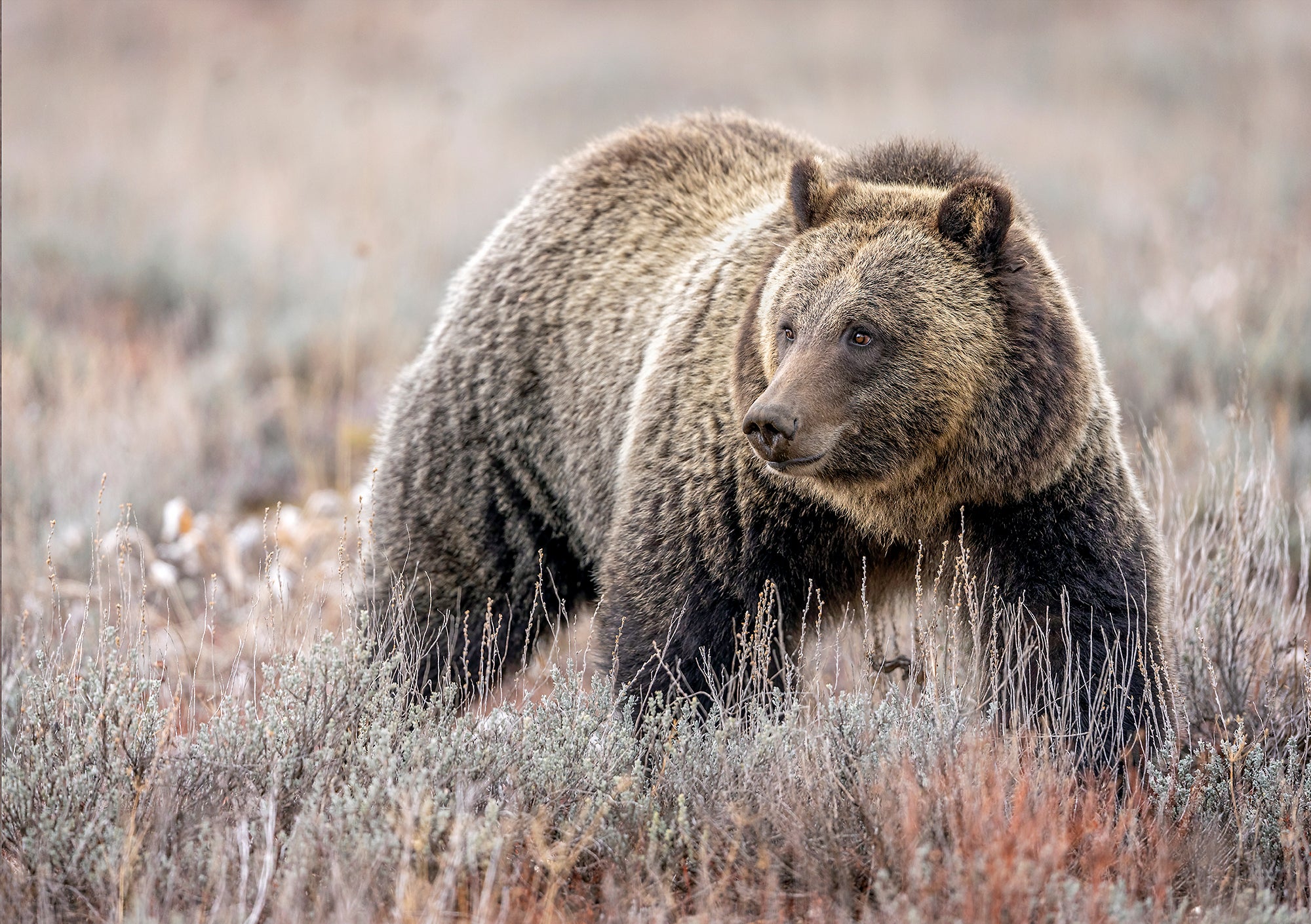
Grizzly bears retain their listing status under the Endangered Species Act for now
Contacts
Perry Wheeler, Earthjustice, pwheeler@earthjustice.org
The Trump administration today proposed to hand over greater management of grizzly bears to Northern Rockies states that have long been hostile to their very existence. Under the proposal, grizzly bears would retain their listing status under the Endangered Species Act for now, and experimental population designations would not be impacted. The service will reopen a 30-day comment period on a revised 4(d) management rule, which was initiated under the Biden administration in January 2025.
While details of the revised 4(d) rule were not immediately available, Earthjustice cautioned that handing over greater management of the species to the states could jeopardize continued recovery efforts. Northern Rockies elected officials have exhibited extreme anti-science and anti-grizzly attitudes.
“It is extremely concerning that the Trump administration is seeking to hand over more management of the species to hostile Northern Rockies states,” said Jenny Harbine, managing attorney for Earthjustice’s Northern Rockies Office. “While we need to see the details of this proposal, it could put grizzly bears at greater risk at a time of record mortality for the species. Anti-science political maneuvers should not be allowed to thwart grizzly bear recovery. If this proposal will further harm the species, we are prepared to take the administration to court.”
In proposing to hand management of the species over to the states, Fish and Wildlife Service ignored back-to-back record-high mortality years for grizzly bears and increasing threats to its continued survival. In November, Earthjustice sent supplemental comments to the service detailing these threats and urging enhanced, rather than diminished, protections for grizzly bears. Threats include:
- Human-caused mortality remains the leading threat to grizzly bears. This includes poaching, vehicle collisions, management killing, and conflicts with people — all of which are happening in higher numbers as climate change forces bears into areas where they are more likely to encounter humans.
- States have not made sufficient commitments to promote connectivity between grizzly bear populations that is critical for genetic diversity and resilience in the face of habitat loss and climate change.
- Actions and proposed actions from the federal government will harm grizzly bear habitat, including the proposed rescission of the Roadless Rule, the modification of the definition of “harm” under the Endangered Species Act, workforce reductions, forest planning initiatives and projects that will harm grizzlies, and the proposed “Fix Our Forests Act” that could expedite logging in grizzly habitat.
- State elected officials exhibit extreme anti-science and anti-grizzly attitudes. Officials have not committed to adequate regulatory mechanisms to conserve grizzly bears if federal protections are weakened or eliminated. On the contrary, state policies appear designed to further diminish protections.
Additional Resources
About Earthjustice
Earthjustice is the premier nonprofit environmental law organization. We wield the power of law and the strength of partnership to protect people's health, to preserve magnificent places and wildlife, to advance clean energy, and to combat climate change. We are here because the earth needs a good lawyer.