

Lawsuit Seeks to Protect America’s Wildlife From Trump Administration
Rulemaking claims habitat destruction does not “harm” endangered species
Contacts
Jackson Chiappinelli, Earthjustice, jchiappinelli@earthjustice.org
Noah Greenwald, Center for Biological Diversity, ngreenwald@biologicaldiversity.org
Billy Berler, Sierra Club, billy.berler@sierraclub.org
Michael Naughton, Conservation Law Foundation, press@clf.org
Conservation groups today sued the Trump administration over its decision to strip endangered species of protections for the places where they live, a decision that contradicts all scientific and legal understanding of the importance of habitat to America’s most vulnerable plants and animals.
The U.S. Fish and Wildlife Service and National Marine Fisheries Service repealed their regulatory definitions of “harm” under the Endangered Species Act (ESA), paving the way for the modification or degradation of habitat by extractive industries, even if doing so kills or injures imperiled wildlife. The move is illegal, in part because harming species through habitat destruction is prohibited by the ESA’s statutory language. The regulatory definition repealed by the administration had been on the books for 50 years.
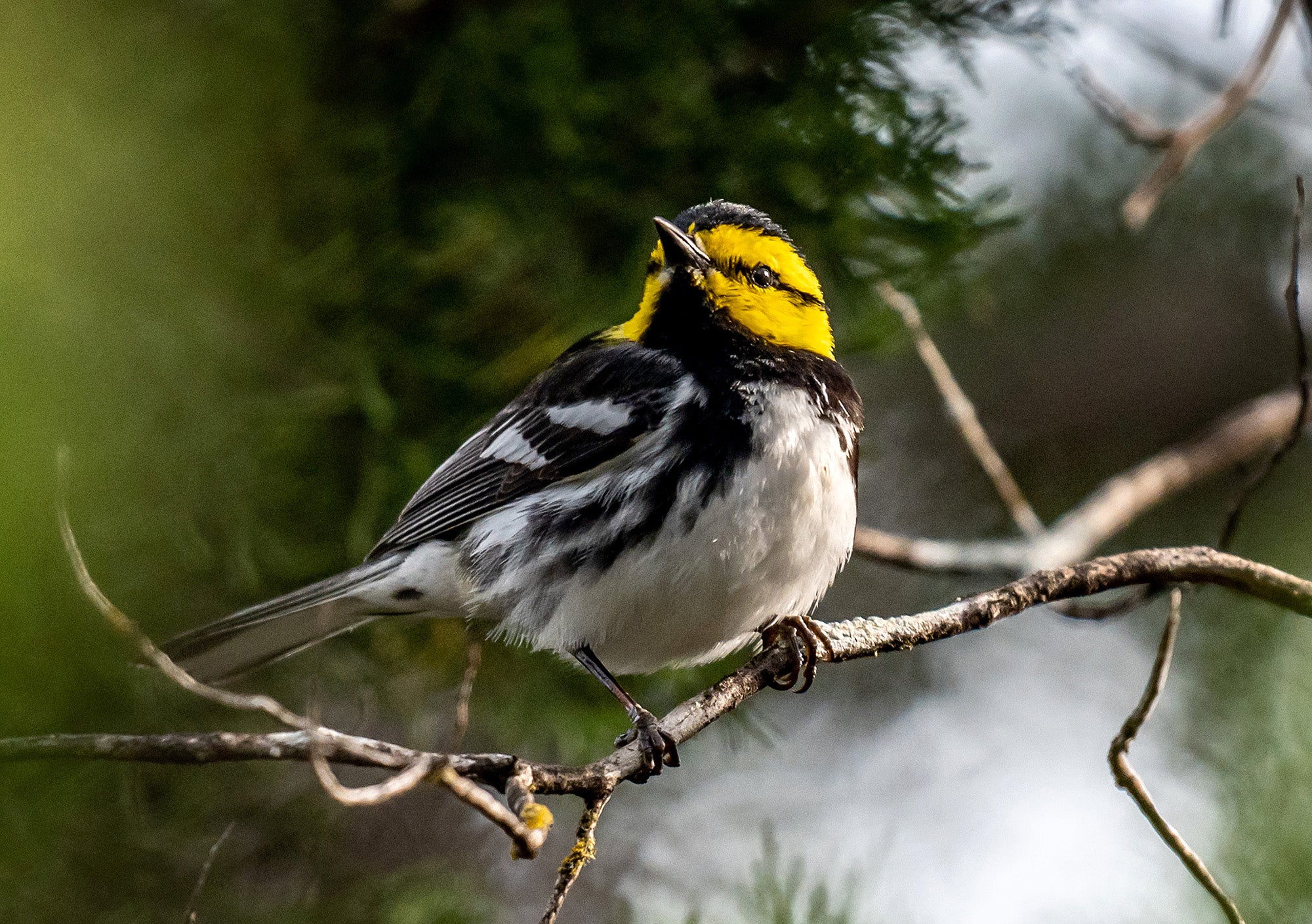
The Trump administration’s rulemaking could immediately impact wildlife including Florida manatees, grizzlies, salmon and steelhead, bird species like rufa red knots, golden-cheeked warblers and northern-spotted owls, Hawaiian monk seals, Canada lynx, and insect pollinators, which allow American farmers to raise crops.
The groups — Center for Biological Diversity, Columbia Riverkeeper, Conservation Law Foundation, Conservation Northwest, Friends of the Wild Swan, Oregon Wild, Sierra Club, Swan View Coalition, and WildEarth Guardians — are being represented by Earthjustice. The lawsuit was filed in federal district court in Seattle, Washington.
“Preventing harm to wildlife by protecting where they live, eat, and sleep is the foundation of the Endangered Species Act,” said Earthjustice attorney Kristen Boyles. “The Trump administration repeal violates the core purpose of the statute and decades of legal precedent, including from the U.S. Supreme Court. Now more than ever, imperiled species from salmon to marbled murrelets to grizzly bears need habitat protection to survive and recover.”
“It’s beyond tragic that as the world’s scientists warn us of an extinction crisis threatening to unravel our shared future, the Trump administration is yanking basic protections from our most endangered wildlife,” said Noah Greenwald, endangered species co-director at the Center for Biological Diversity. “There’s just no way to protect endangered animals like spotted owls, Florida panthers or grizzly bears without protecting the places they live.”
“Habitat loss is the leading driver of extinction. By eliminating the harm rule, the Trump administration is literally attacking vulnerable wildlife where they live,” said John Persell, Staff Attorney at Oregon Wild. “This gutting of the Endangered Species Act is part of a broader assault on our bedrock environmental values. From public lands to wildlife to clean air and drinking water, the Trump administration is determined to waste, loot, and pollute America’s natural heritage.”
“Every animal and plant needs a home for food, shelter, and reproduction” said Dave Werntz, Conservation Northwest’s Science and Conservation Director. “For wildlife trending toward extinction, access to high quality, ecologically functional and well-connected habitat is essential for survival and recovery.”
“Roads built for logging and other human access destroy grizzly bear habitat and the bear’s ability to safely use its habitat,” said Keith Hammer, Swan View Coalition Chair. “Repealing the harm rule will allow industry to devastate the habitat grizzly bears and many other wildlife species depend on for their survival.”
“Rolling back habitat protections under the Endangered Species Act is tantamount to the Trump administration’s push to sell off public lands, trading our natural heritage for short-term gain,” said Joanna Zhang, Endangered Species Advocate at WildEarth Guardians. “The danger of rescinding the harm rule is about survival, plain and simple. If we fail to protect habitat, we fail to protect wildlife.”
“The Endangered Species Act was enacted to recover species, not allow habitat destruction,” said Arlene Montgomery, Program Director for Friends of the Wild Swan. “Many species have specific habitat requirements that when not met result in death. Removing the harm rule equals suffering and mortality.”
“The purpose of the Endangered Species Act is not only to protect threatened and endangered species, but to protect the very ecosystems they need to survive,” said Sarah Shahabi, Conservation Law Foundation associate attorney. “This unlawful rule guts long-standing protections and allows for the destruction of habitat to such an extent that vulnerable species like Atlantic salmon will be pushed closer to extinction.”
“Claiming that the Endangered Species Act does not protect the habitat of endangered species is beyond stupid, even for the Trump administration,” said Miles Johnson, Legal Director for Columbia Riverkeeper.
“Imperiled wildlife cannot thrive without sufficient habitat,” said Ben Greuel, Wildlife Campaign Manager at Sierra Club. “Without the habitat protections offered by the harm rule, countless species would be forced onto a path towards extinction. The Trump administration is trying to build a world where corporate polluters benefit at the expense of our natural heritage, and we will do everything in our power to defend this bedrock law and save our wildlife for future generations.”
Background
For half-a-century, the ESA has saved numerous species from extinction, including iconic U.S. wildlife like bald eagles, American bison, polar bears, and humpback whales. One key to this success has been the law’s fundamental definition of harm, which recognizes the common-sense concept that destroying a forest, beach, river, or wetland that a species relies on for survival constitutes harm to that species.
In 1995, the U.S. Supreme Court upheld the “harm” definition’s inclusion of habitat destruction. As the ruling explained, that definition was supported by the ordinary meaning of “harm,” the purpose of the ESA, and multiple indications of congressional intent.
Before the new rulemaking, animal and plant species in the U.S. were already running out of places to live, in large part due to habitat destruction, with over one-third of species at risk of extinction. When species disappear, ecosystems become at risk of wide-range collapse. Humans need intact ecosystems too, for everything from agriculture to clean water, from medicine to disease prevention.
Hundreds of thousands of Americans submitted public comments opposing the Trump administration’s move to eliminate habitat protections for wildlife. U.S. Senators, tribes, scientists, legal experts, and environmental groups also opposed the move.
The final rulemaking comes amid a series of attacks on the ESA and wildlife by the Trump administration. In November, the Trump administration proposed additional rules that would fundamentally weaken the ESA. President Trump also exempted all oil-and-gas activities in the Gulf of Mexico from needing to comply with the ESA, an unprecedented and unlawful use of the so-called “God Squad” provision.
Meanwhile, the Trump administration has reduced the federal workforce responsible for protecting endangered species and managing ecosystems across the country.
Additional Resources
About Earthjustice
Earthjustice is the premier nonprofit environmental law organization. We wield the power of law and the strength of partnership to protect people's health, to preserve magnificent places and wildlife, to advance clean energy, and to combat climate change. We are here because the earth needs a good lawyer.