

Conservationist Lawsuit Alerts to Rare Coral Peril; U.S. Corps of Engineers Halts Fort Lauderdale Dredging
Victory
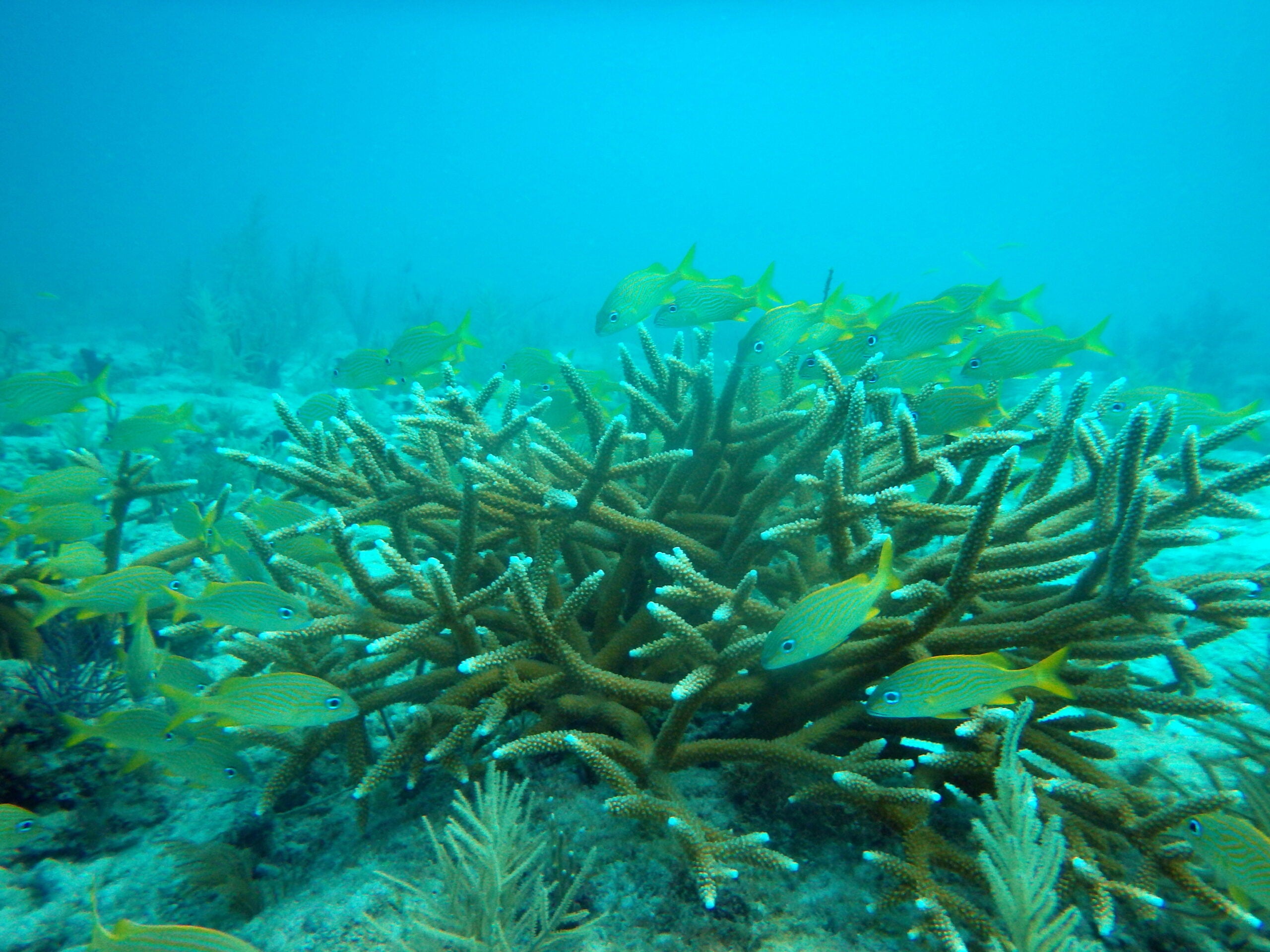
Silt and sediment threatens imperiled staghorn coral and queen conch
Contacts
Dr. Rachel Silverstein, Miami Waterkeeper, (305) 905-0856, media@miamiwaterkeeper.org
Danika Desai, Earthjustice, ddesai@earthjustice.org
Alex Muir, Center for Biological Diversity, (352) 432-0940, ext. 472, amuir@biologicaldiversity.org
Morgan McClure, Florida Wildlife Federation, (863) 286-9095, morgan@fwfonline.org
Nicole Russell, Diving Equipment and Marketing Association, (858) 616-6408, ext. 1007, nicole@dema.org
The U.S. Army Corps of Engineers has agreed to halt authorization of all activity temporarily for a sand dredging project off Fort Lauderdale, FL. due to concerns over damage to imperiled corals.
The halt happened less than a week after Earthjustice, representing Miami Waterkeeper, the Florida Wildlife Federation, and the Diving Equipment & Marketing Association, along with partner the Center for Biological Diversity, filed a lawsuit challenging federal agencies’ permitting process for the project because it threatens imperiled marine species like staghorn coral and queen conch. The project, called a “sand bypass,” involves dredging a 10.8-acre underwater pit to capture sand to use later for beach renourishment.
Florida’s coral reef is the only nearshore coral reef in the continental U.S., stretching along the Atlantic coast from Monroe to Martin Counties.
Some of the last healthy populations of naturally-occurring, rare staghorn corals and breeding queen conch live in this area near Port Everglades, a busy marine cruise ship and commercial port. A massive proposed Port Everglades Expansion dredging project has already been put on hold, but if it moves forward, it would put more than 10 million corals at risk, as well as dolphins, turtles, and fish.
The siltation from the smaller sand bypass project is a harbinger for potential widespread damage from the port expansion. Satellite imagery and sediment monitoring show that the sand bypass project produced larger-than-predicted sediment plumes, stretching over thousands of meters from the dredging, which could be harming the nearby reef, critical habitat, and species that call this area home.
In an Aug. 7 letter to the National Marine Fisheries Service, the Corps acknowledged that recent underwater surveys revealed the sand bypass project may have exceeded limits for “incidental take” — meaning harms or deaths — of threatened staghorn coral. The Corps agreed to reinitiate consultation with the National Marine Fisheries Service to assess environmental risks and ways to minimize ecological damage.
According to the joint motion and related documents filed by the parties on Aug. 10, the Corps has agreed that dredging won’t resume before the environmental consultation concludes, stating the agency had “notified Broward County that no dredging under the project is authorized until consultation is complete and not until November 2026 at the earliest.”
“After months of ignoring the need for improved protections for these corals, the agencies have finally acknowledged that the alarm bells we raised were justified,” said Rachel Silverstein, CEO and Waterkeeper at Miami Waterkeeper. “The speed with which the Army Corps capitulated after we filed our legal action, agreeing to halt the dredging and revisit environmental assumptions almost immediately, shows just how blatant the project’s threats really are.”
“We’re glad the Corps decided to hit pause on this project in response to our lawsuit,’ said Earthjustice Senior Attorney Danika Desai. “The corals and queen conch the project threatens are crucial to the health of the Florida Coral Reef and we will continue to push the agencies to give these species the full protection they deserve and that’s guaranteed to them under the Endangered Species Act.”
“I hope the Army Corps’ decision to stop dredging for now is a good sign that the federal government is ready to take the conservation of Florida’s coral and queen conch seriously,” said Alex Muir, an associate attorney at the Center for Biological Diversity. “We won’t stop our work until these threatened marine species and their habitat are given the protection they’re entitled to.”
“This lawsuit is about protecting essential habitat, and this pause shows why this fight matters,” said Jess Melkun, Vice President of Conservation Policy at the Florida Wildlife Federation. “Everyone benefits from healthy reefs and coastlines, so we are cautiously optimistic that the Army Corps is finally taking a hard look at the science.”
Florida’s coral reef provides protection from storm surge and flooding, habitat for hundreds of species, and opportunities for recreational use and eco-tourism that contribute billions of dollars to the economy each year. In addition to dredging, the reef is threatened by warming temperatures, ocean acidification, pollution, and disease.
Additional Resources
About Earthjustice
Earthjustice is the premier nonprofit environmental law organization. We wield the power of law and the strength of partnership to protect people's health, to preserve magnificent places and wildlife, to advance clean energy, and to combat climate change. We are here because the earth needs a good lawyer.