

September 24, 2026
Five Things to Know About Chemical Disaster Prevention
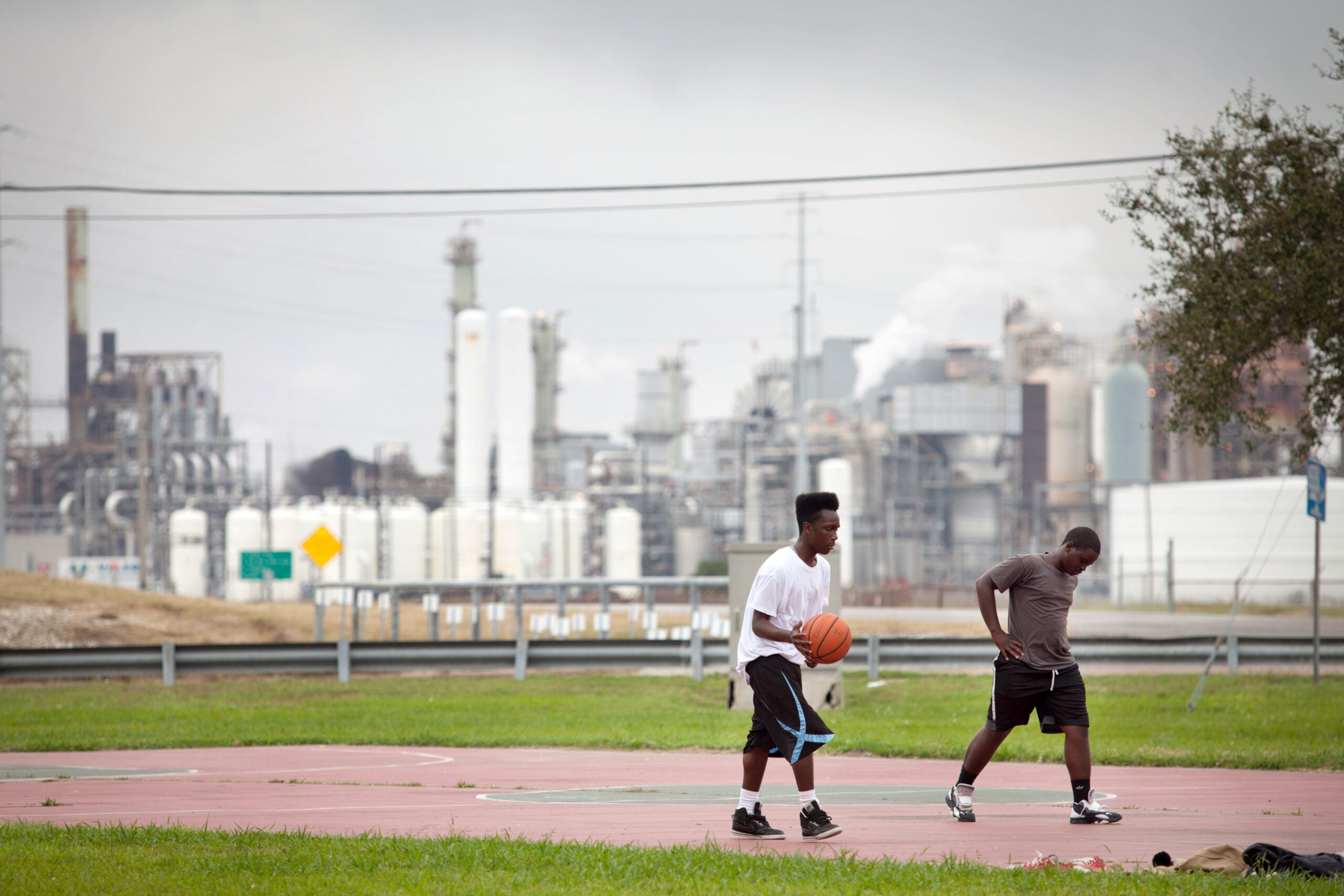
About the photo: Residents observe a fire consuming the TPC Group plant on Nov. 27, 2019, in Port Neches, Texas. Two massive explosions, 13 hours apart, tore through the chemical plant, injuring several workers. (Marie D. De Jesús / Houston Chronicle via AP)
1. The U.S. Environmental Protection Agency is tasked with protecting communities from chemical disasters under the Clean Air Act.
Under the Clean Air Act, EPA is supposed to set safety rules as part of its Risk Management Program to prevent chemical disasters and minimize their tragic consequences to communities, including for children’s health. The EPA is also supposed to listen to the expert U.S. Chemical Safety Board and implement its recommendations or explain why it’s not going to, and prioritize public safety, not corporate interests or political motivations.
Congress passed these requirements as part of the Clean Air Act amendments in 1990 and President George H.W. Bush signed them. The whole point is to make sure that facilities that use, store, or manage hazardous substances don’t hurt people or the environment.
The law directs basic health and safety protection for every community nationwide so that it shouldn’t matter what state or zip code a child is born into. Everyone should be able to be safe from chemical disasters.
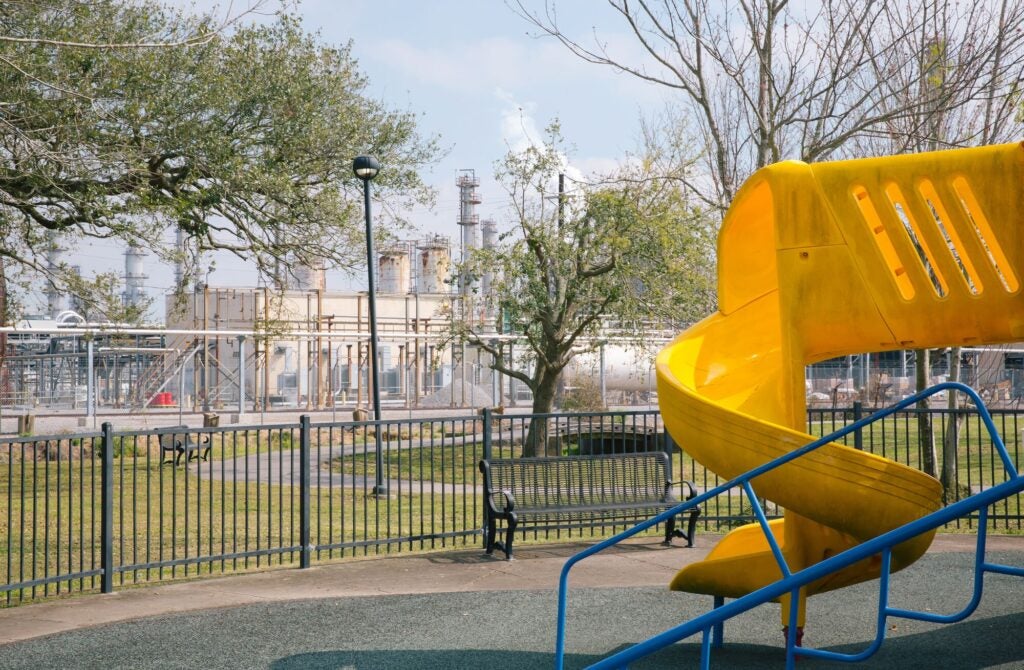
2. Chemical disasters are not supposed to happen.
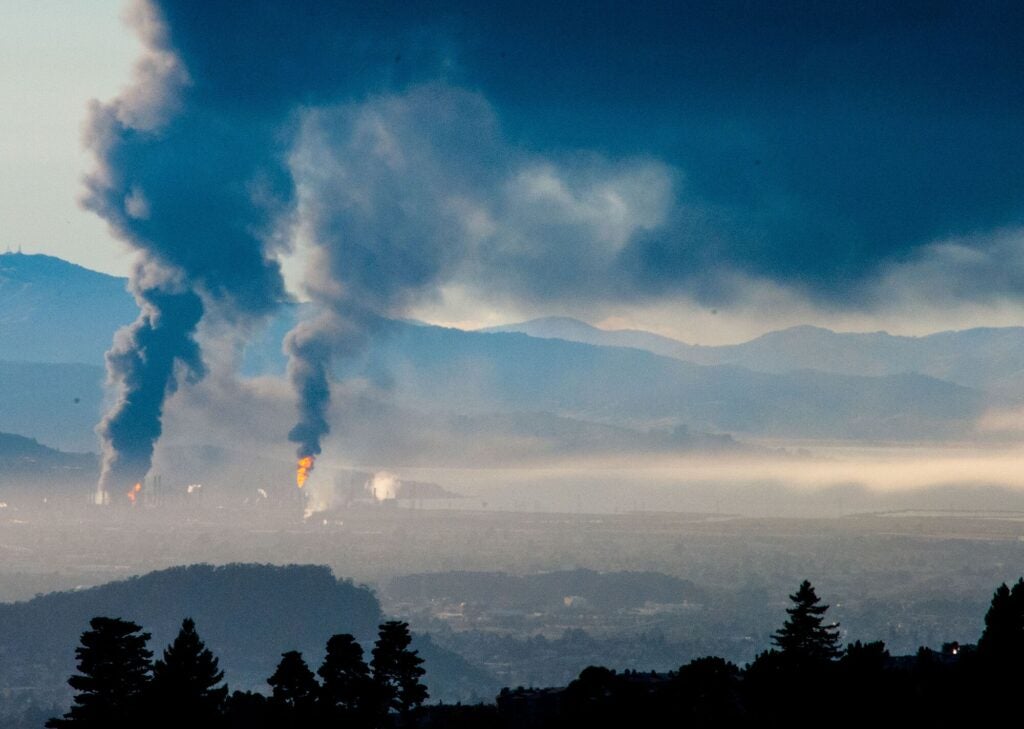
Industrial chemical facilities should never catch on fire, explode or release extremely hazardous stuff into the air. Chemical incidents are preventable and they shouldn’t be treated as inevitable, but they continue to kill, injure, and expose families to toxic chemicals on the Trump administration’s watch.
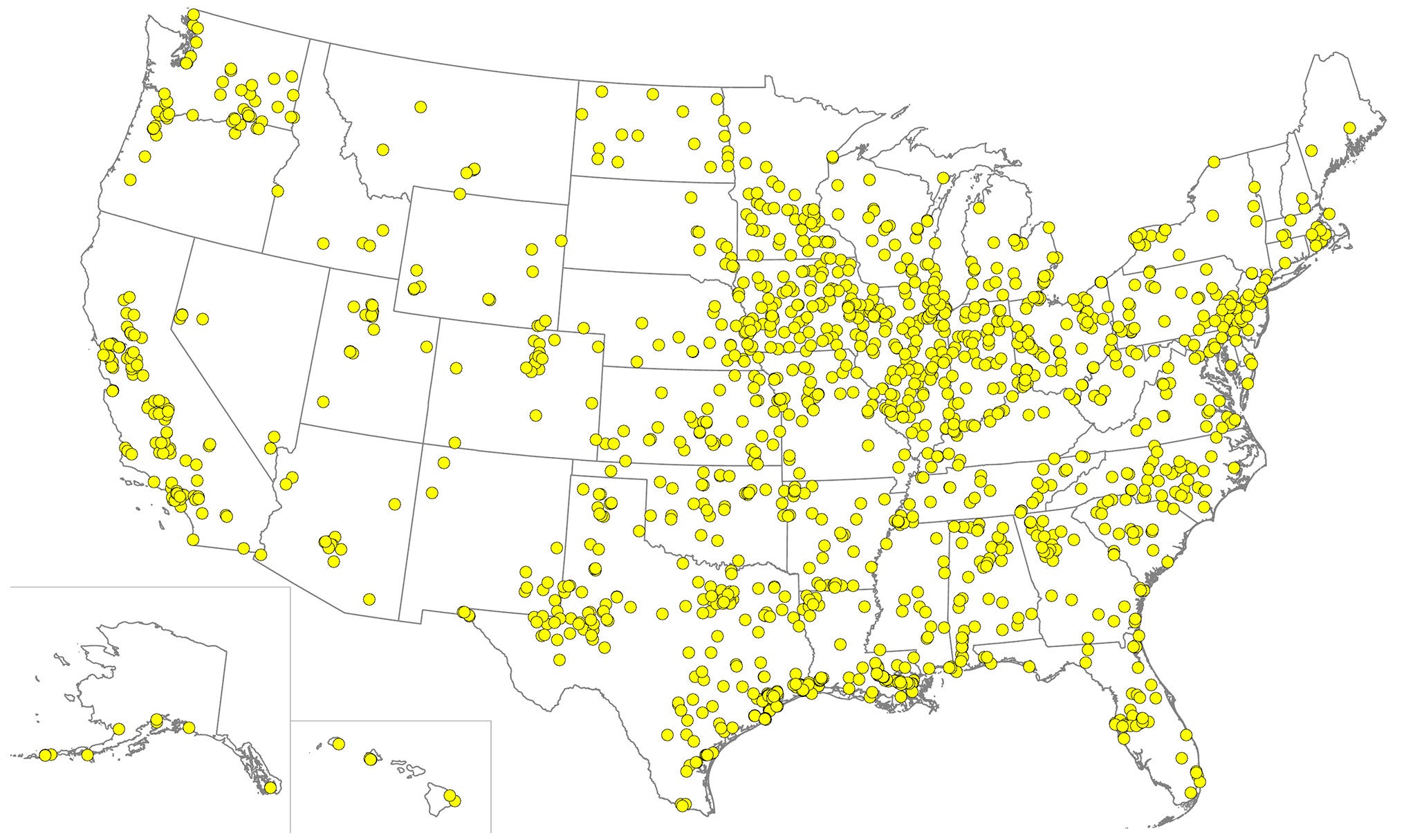
Over 175 million Americans live under this threat. The people most in harm’s way are workers, first responders, and the communities living, working, and going to school near the facility.
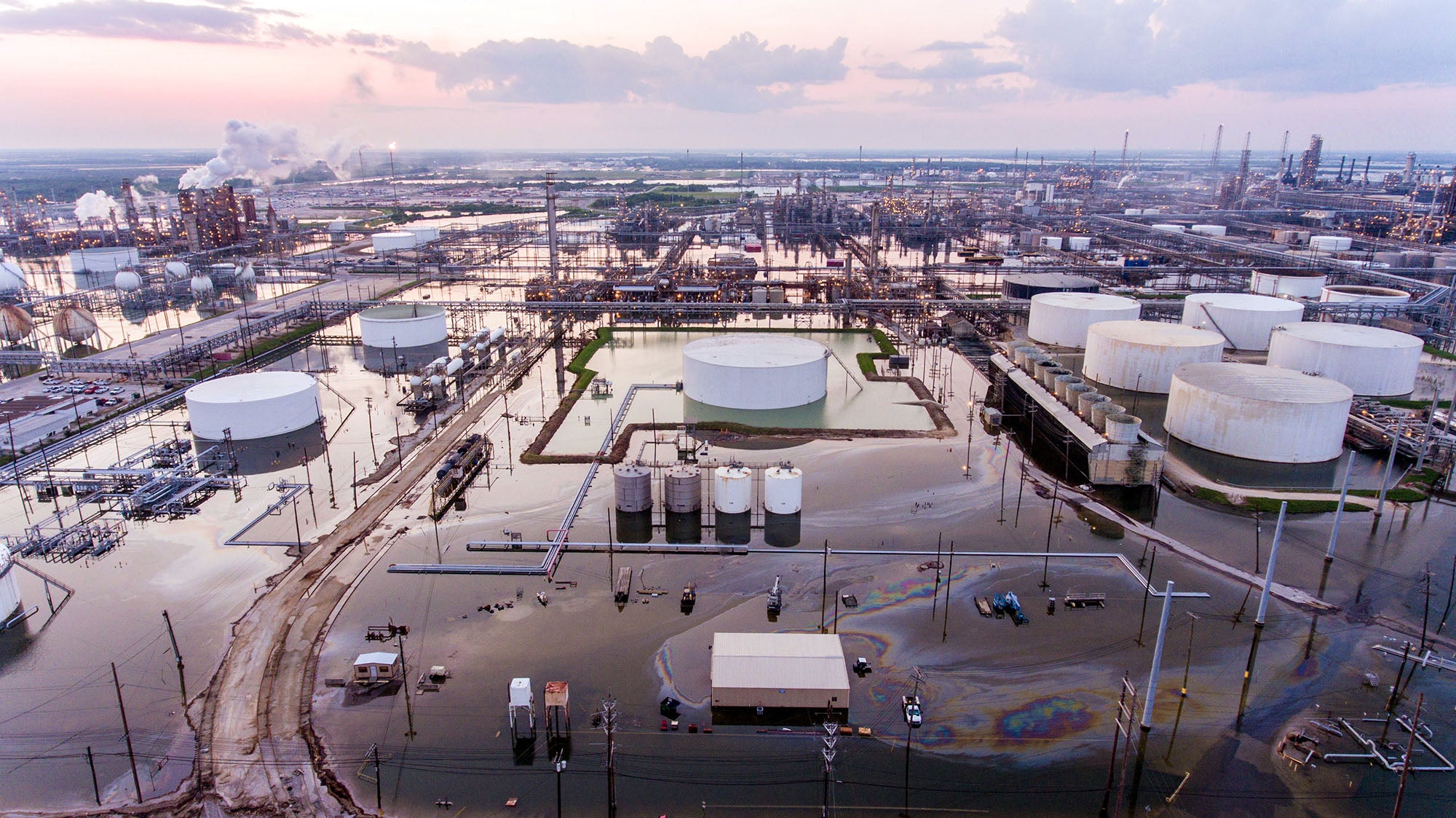
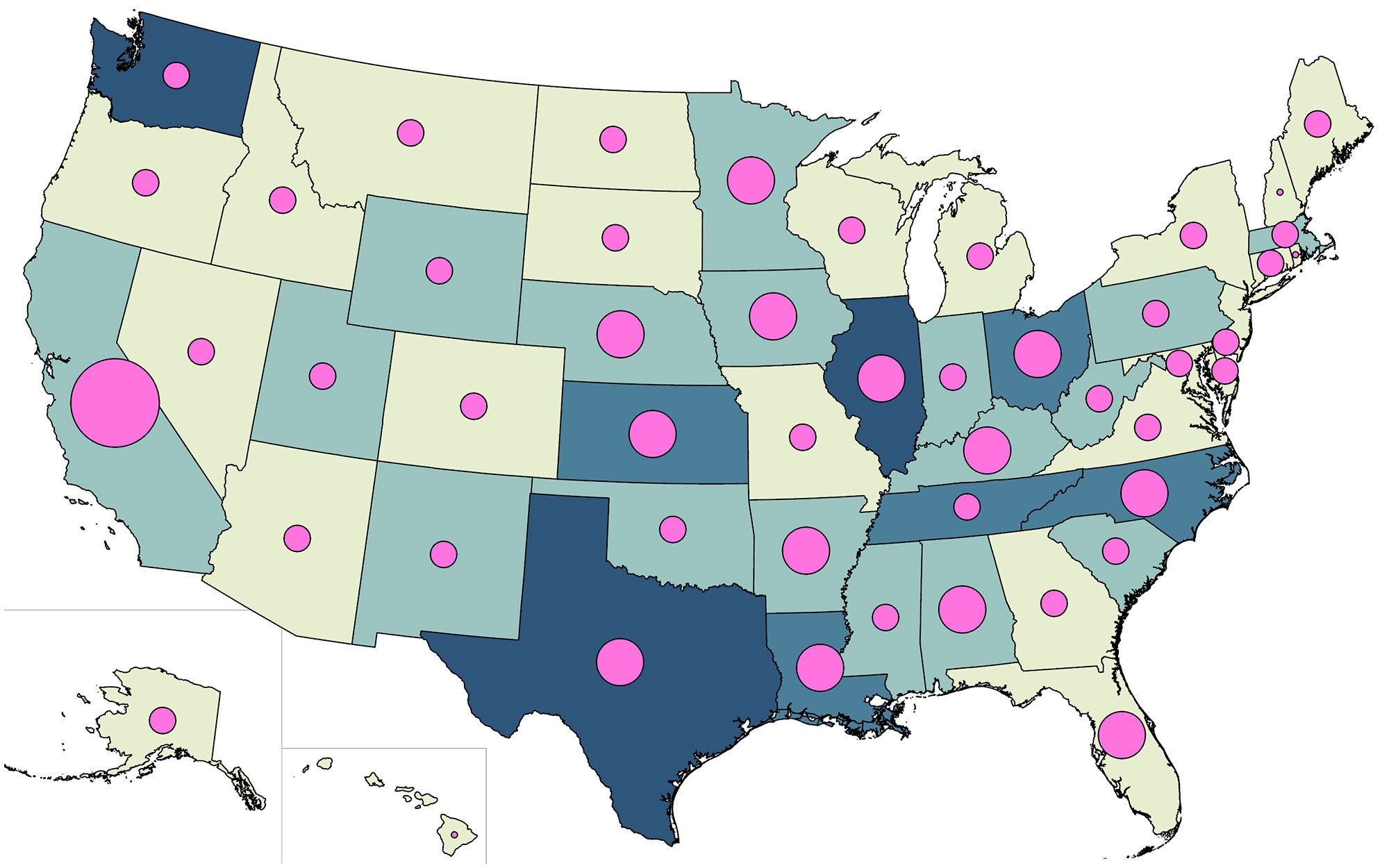
Since 2004, industry has reported over 2,800 chemical incidents and disasters at Risk Management Program-covered facilities with tragic and serious consequences:
113 peoplehave died
20,150 peopleinjured, hospitalized, or sought immediate medical treatment
764,019 peoplehad to evacuate or shelter in place
$6.74Bin property damage occurred plus unmeasured loss of home value and unquantified economic harm from job and productivity losses, insurance claims, clean-up costs and environmental harm
An unmeasured number of lost school and work days, and amount of exposure to toxic chemicals that can cause cancer, respiratory, neurological, reproductive and other harm
3. Trump’s EPA has proposed taking away protections for American families
When it was working to strengthen safety, the EPA put life-saving measures in place that have deadlines for industry compliance in 2027. The EPA also created an online public tool that allowed communities to find basic information about chemical hazards near them, and recognized the need to review and update the chemicals covered by its existing rules. In 2017, the EPA placed the Risk Management Program on the agency’s priority list for enforcement and compliance efforts.
But now, under President Trump and EPA Administrator Lee Zeldin, the EPA is proposing to end, weaken or delay vital rule protections by:
- Removing requirements for industrial chemical facilities to assess and plan for power loss and natural hazards like hurricanes, floods, extreme heat and cold, earthquakes, and wildfire.
- Ending the requirement that chemical facilities in industry sectors with the most dangerous incident records assess and put safer technologies or other safer measures in place.
- Ending the requirement to ensure a community notification system is in place, and the requirement to provide information on chemical hazards in multiple languages to the most affected communities.
- Taking away vital employee participation measures ensuring that workers inside a chemical facility can help prevent or stop an unfolding emergency and can report safety issues anonymously without fear for their jobs.
- Delaying independent compliance auditing until after at least two harmful incidents occur and weakening, sunsetting, or completely ending the audit requirements.
- Ending other foundational protections like ensuring facilities plan to protect nearby homes, schools, childcare centers, places of worship, that they follow recognized and generally accepted good engineering practices, and that they report on safety planning to advance compliance and accountability.
The proposal increases the likelihood of chemical emergencies and disasters and the harm they can cause for workers, first responders, and children and families who live within a potential chemical danger zone, breaking the administration’s promises to “make America healthy.”
4. The time is now to protect the next generation of children from facing a dangerous cycle of chemical disasters.
Preventing industrial chemical disasters is crucial for children’s health and safety and solutions are available to stop these incidents from happening over and over again. No child should ever have to evacuate, shelter in place, or experience another toxic chemical disaster, wondering if their loved ones working at or near an industrial chemical facility will ever come home.
1 in 3U.S. schoolchildren go to school in an area vulnerable to Risk Management Program chemical threats
80%of public schools and hospitals are within 10 miles of at least one Risk Management Program facility
Children are particularly susceptible to and affected by toxic chemical exposure and exposure during pregnancy can affect birth outcomes and can harm health and well-being for a child’s entire life. One in three schoolchildren in the United States go to school in an area vulnerable to RMP chemical threats. The most current data comparing school and other locations (other than homes) where families and children spend large amounts of time show that more than 80% of public schools and hospitals and more than 86% of childcare centers are within 10 miles of at least one RMP facility and thousands of community locations relied on by children and families are near a facility that has reported a chemical incident to EPA.
If EPA truly seeks to protect the health of children and families, it won’t finalize its proposal to undo, weaken and delay protections put in place under the Risk Management Program. Instead, it would immediately restore access to chemical hazard data through the online RMP Public Data Tool, and it would fully implement and build on the 2024 Rule’s protections and expand this program to protect more communities from more chemicals and more industrial chemical disasters.
5. What comes next? Here’s what to watch for on chemical disasters.
As chemical emergencies and disasters keep happening, we will keep calling on the EPA and members of Congress to do the right thing. We should all stand for safety and prevent the EPA from gutting the health protections communities need.
Even while the U.S. Chemical Safety Board works to investigate recent fatal chemical disasters, Trump’s White House keeps trying to defund the agency. We have to make sure the U.S. Chemical Safety Board gets full funding and can keep doing its job, so we all can learn from the tragic chemical releases that continue to happen on Trump’s watch.


Now that the comment period on EPA’s proposed rollback rule has closed, EPA is legally required to consider and respond to all significant comments.
When the final rule comes out, communities will see whether EPA listened to the public or big polluters. When Trump’s EPA first delayed and then turned back stronger safety measures put in place by President Obama’s EPA a decade ago, Earthjustice, community, health, and environmental groups, New York and other State Attorneys General, and the United Steelworkers sued, and in 2018, a court ruled that Trump’s EPA’s Delay Rule was unlawful and arbitrary and capricious.
We’ll take a hard look at EPA’s action when it comes out and decide whether we have to go to court again to stand with communities seeking basic protection that all families and children need — to be safe from chemical disasters.
Frequently Asked Questions
Earthjustice’s Washington, D.C., office works at the federal level to prevent air and water pollution, combat climate change, and protect natural areas. We also work with communities in the Mid-Atlantic region and elsewhere to address severe local environmental health problems.