

3 Environmental Wins from the Election. What Must Happen Next.
On Election Day, voters overwhelmingly rejected fast tracking data centers and speeding the rush for gas.
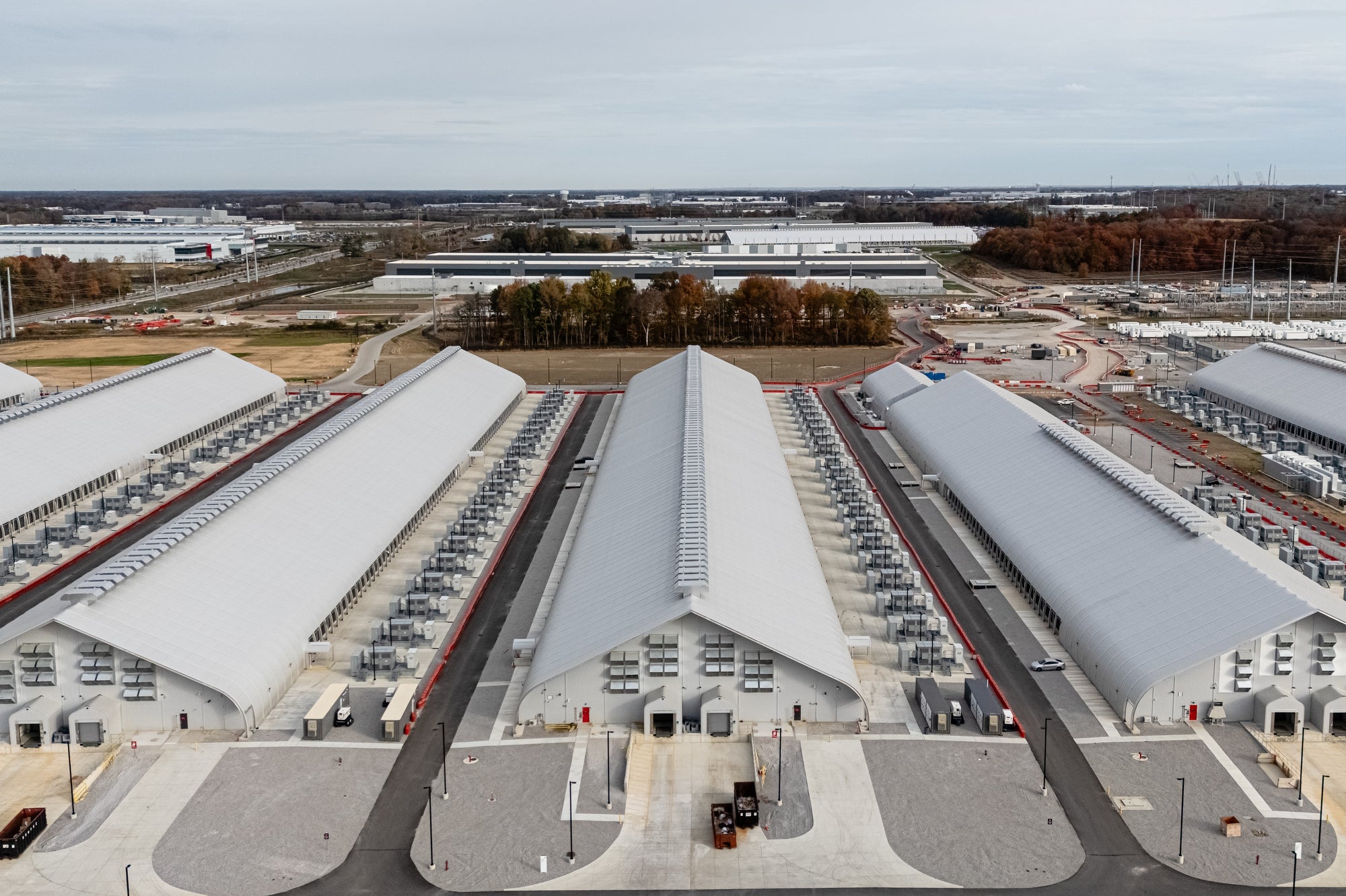
1. Checking the data center build-out
People across the country made it known that they do not want unregulated and unchecked data center development in their communities.
Voters in 38 jurisdictions approved ballot measures banning or restricting data center construction. Newly elected governors in Michigan, Oregon, New Mexico, Ohio, Georgia and New York all supported data center moratoria.
Some 56 percent of voters said opposition to data centers was a crucial or major factor in their vote, according to a national poll. And 76 percent said they’d be against new data center construction in their community
Earthjustice is working to ensure communities have a say on proposed AI data centers and fight projects that increase pollution and electricity costs.
- Earthjustice attorneys represent community groups opposing data centers in states including Louisiana and Mississippi.
- In many more states, Earthjustice attorneys focus on getting regulators and utilities to be transparent and ensure that data centers pay their fair share of energy costs.
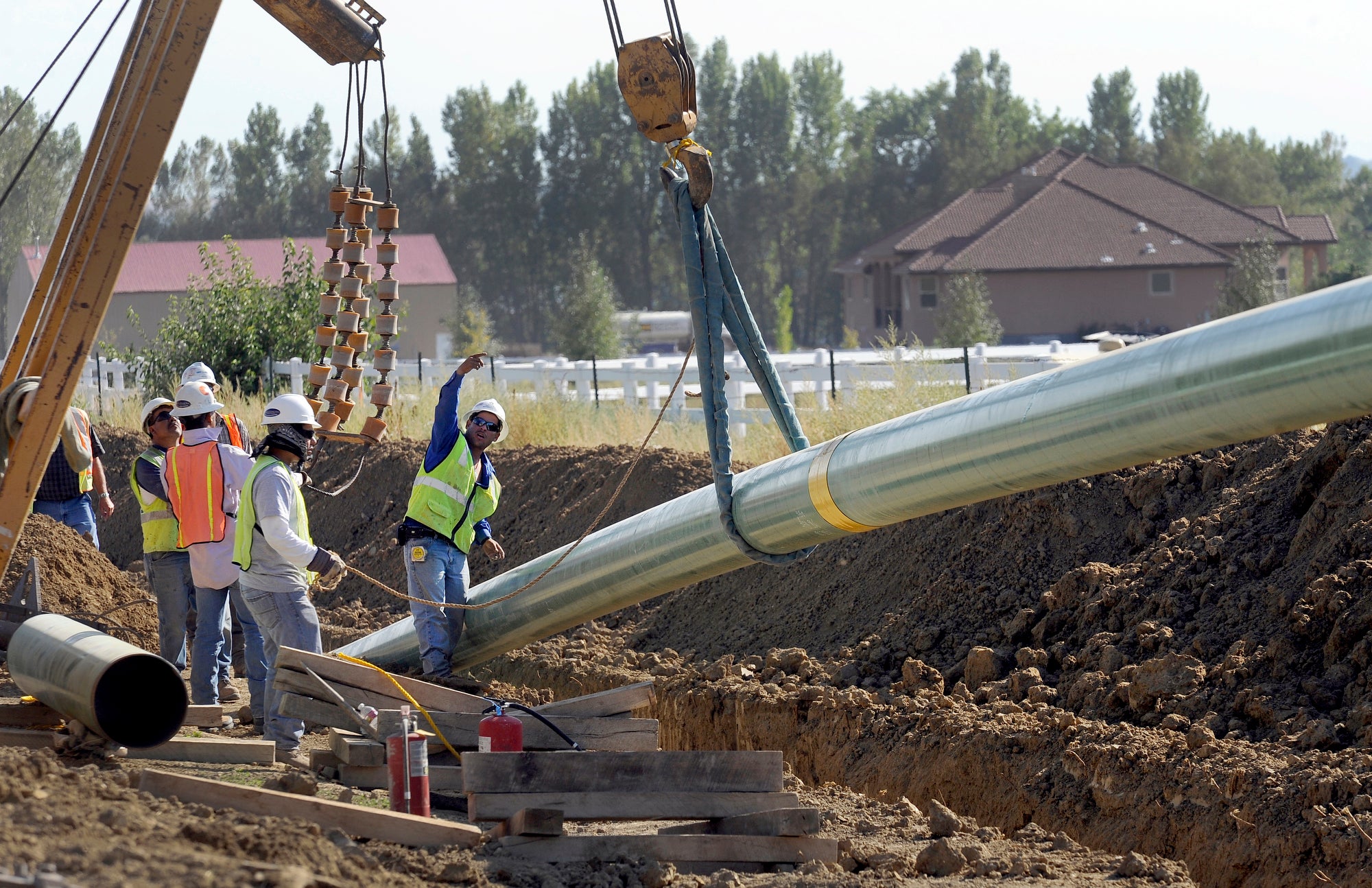
Workers install a section of a gas pipeline along the property line of a subdivision in Berthoud, Colorado. (Craig F. Walker / The Denver Post via Getty Images)
2. Colorado residents defeat dirty gas amendment
Coloradans rejected a dark money group’s ballot measure, Amendment 82, that would have weakened the power of the state and local governments to limit fossil fuel pollution and protect communities.
Amendment 82 would have given the fossil fuel industry a “constitutional right” to buy and sell methane gas and allow it to evade laws that protect air and public health.
The ballot measure was also an affordability issue. It would have allowed utilities to raise rates to pay for gas pipelines and other gas infrastructure that might support data centers.
In races around the country, the cost of policies that give the oil and gas industry blank checks and surging profits became central campaign issues. We must urgently deploy more clean energy quickly to deliver reliable and abundant energy while lowering people’s electricity bills.
Earthjustice is working to advance affordable, clean energy by:
- fighting the Trump administration’s efforts to block new clean energy like wind and solar
- suing to stop the administration’s expensive mandates for coal plants to operate past retirement
- and passing innovative legislation at the state level to ease the switch to more efficient, non-polluting appliances through new laws like the Home Energy Choice Act in California.
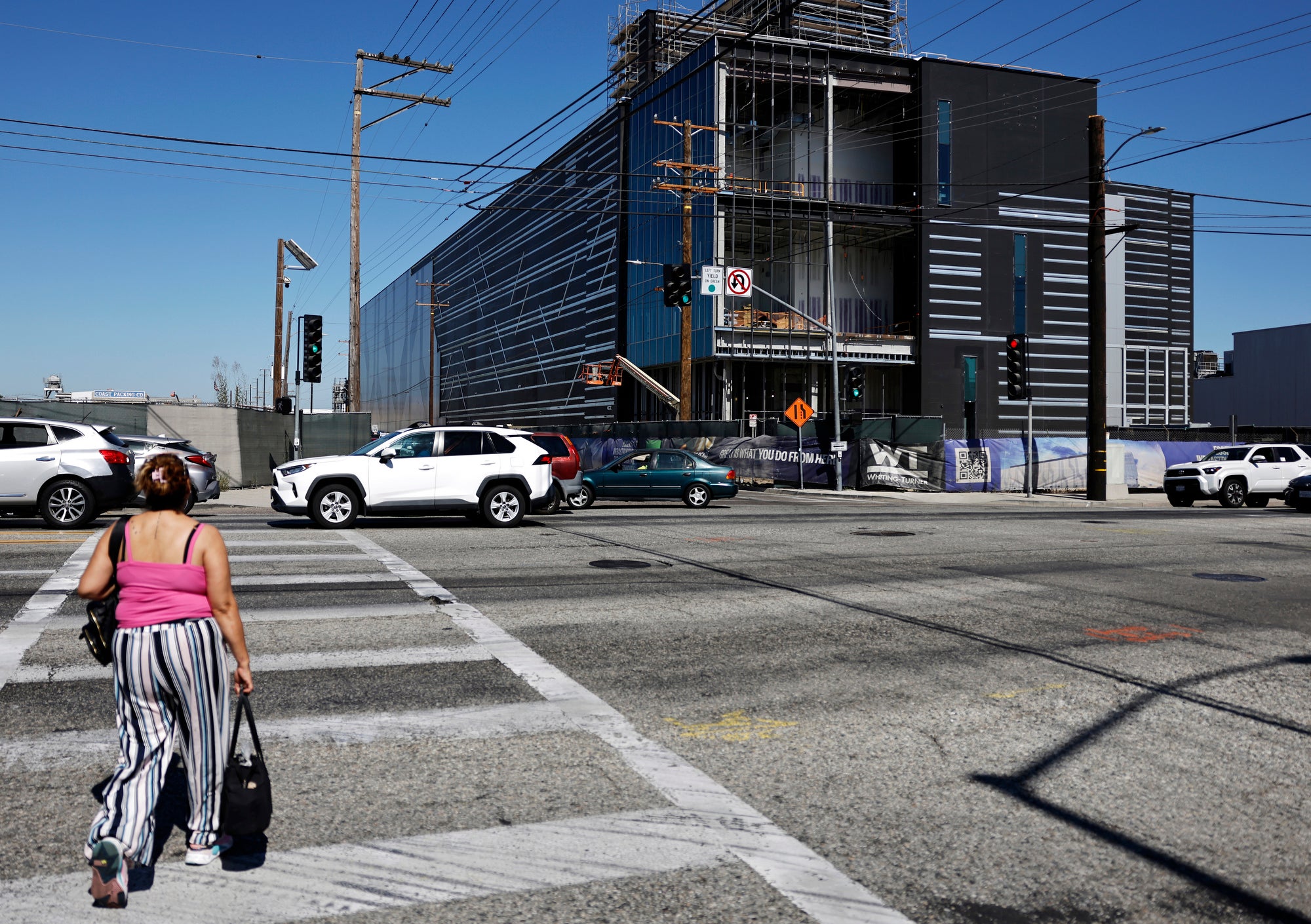
A pedestrian walks near a 49.5 megawatt three-level data center under construction in Vernon, California. (Mario Tama / Getty Images)
3. Californians rejected a corporate-funded rollback of safeguards
Voters rejected California’s Proposition 45, which would have rolled back health and environmental protection for some of the state’s most polluting projects.
The corporate-funded Prop 45 would have allow data centers and warehouse developers, for-profit utilities, and other special interests to build projects with less public oversight and public scrutiny.
Prop 45 would have also weakened the landmark California Environmental Quality Act (CEQA). Like its federal sibling, the National Environmental Policy Act (NEPA), CEQA requires analysis and reduction of potential environmental and health harms before development projects are approved. CEQA also requires public input.
As with the data center backlash, voters are signaling they want a seat at the table to shape major projects, not just let the wealthiest corporations push past anything and anyone in their way.
We are fighting for public participation by mounting defenses of laws like NEPA and CEQA and raising the alarm on the permitting bill before the Senate.
The Bipartisan American Affordability and Jobs Act of 2026 (BAAJA) would help build new transmission but would also overhaul federal law in a way that would fuel the data center build-out. If passed, this law would gut environmental review for pipeline expansions, rubber-stamp permits under the Clean Water Act, block public input, and limit court challenges and court action. This would give the gas industry a fast-track for new and expanded gas pipelines that data center developers will use to further a rushed and dirty build-out.