Earthjustice goes to court for our planet.
We’re here because the earth needs a good lawyer.
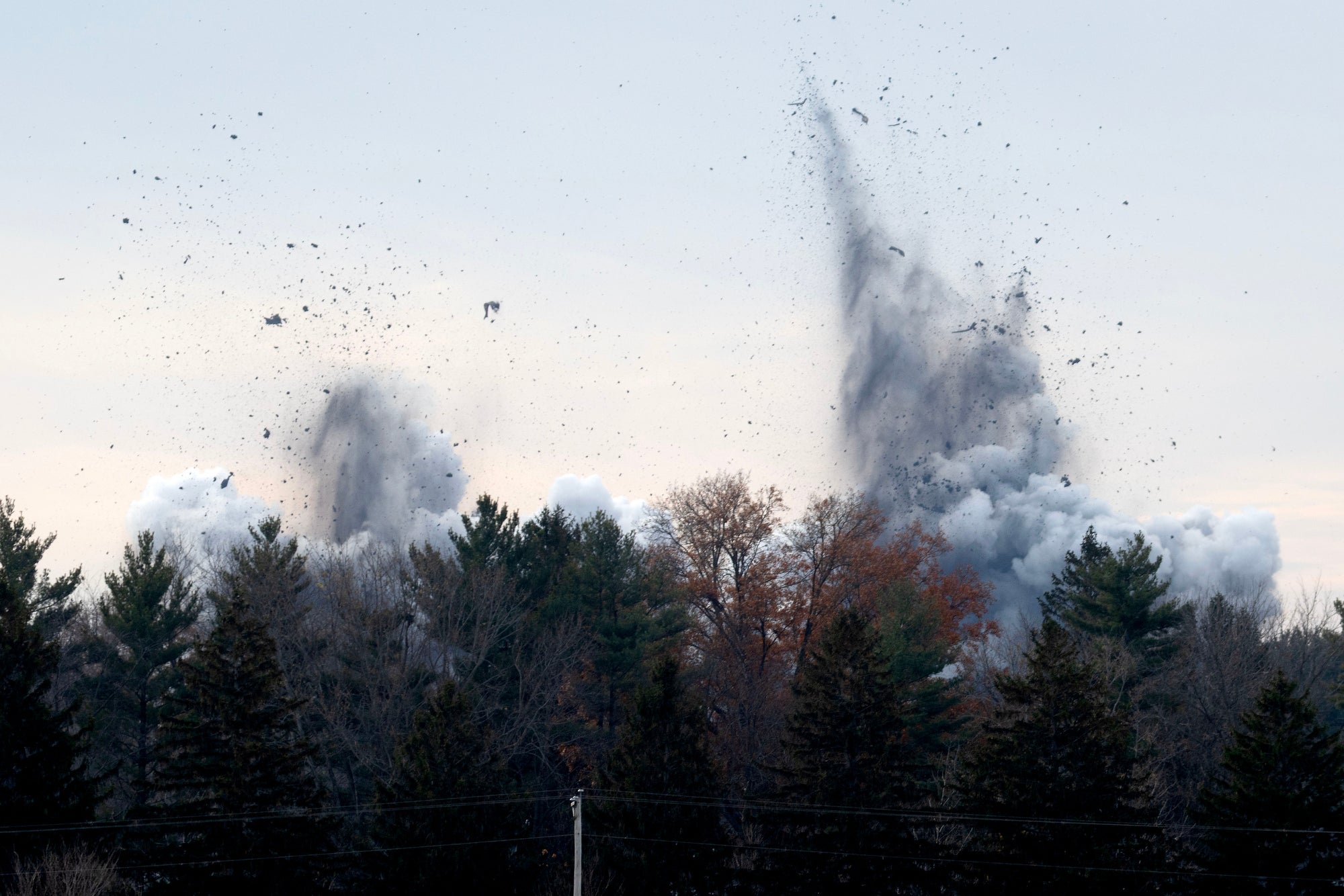
Why the Army Blew Up 5 Tons of Lead in Iowa
What happened: Today, the U.S. Army blew up roughly 10,000 pounds of lead azide – a toxic chemical used in explosives – at the Iowa Army Ammunition Plant in southeast Iowa. Years of neglect left the explosives so unstable to the point the Army claimed safer disposal options were too dangerous.
An Earthjustice lawsuit helped delay the detonation, originally planned for Nov. 20, and bring critical details about the crisis into public view. The Army itself said the pause also gave it extra time to add more safeguards beyond those in its original plan.
Why it matters: The detonation produced a lead dust plume that could blanket communities even far beyond the site in rural Iowa and northeastern Missouri with lead – a neurotoxin that’s particularly harmful to pregnant people and children. Public health experts say that even tiny amounts of lead can permanently harm a child’s developing brain, causing learning and behavior problems.
The potential reach could also have significant impacts on agriculture in the region: The USDA estimates that 350 farms are in the path of the lead plume.
“Iowa and neighboring states deserve full accounting of why the situation was allowed to get to the point of crisis,” said Sarah Green, Executive Director of the Iowa Environmental Council, which Earthjustice represented in its lawsuit. “The Army’s neglect and lack of communication and preparedness caused an outcry among Iowans, so we took action to demand the transparency that Iowans deserve.”
What are the health hazards of lead?
- Children ages 6 and younger are particularly vulnerable to lead exposure. Even small amounts of lead can permanently harm a child’s developing brain, causing lasting learning and behavioral problems, hyperactivity, lower IQ, anemia, and hearing and speech problems.
- Exposure to lead during pregnancy can increase the risk of miscarriage or infants being born too early or too small. It can also harm a developing fetus.
- No safe lead amount of lead exposure for anyone: All adults exposed to lead risk a variety of health issues including kidney damage, infertility, heart disease, and neurological problems. More than 400,000 deaths are attributable to lead exposure each year in the United States, with more than 250,000 deaths from lead-linked cardiovascular disease.
Why did the Army blow up a lead explosive in Iowa?
- An emergency of the Army’s own making: According to the Army, it knew since 2009 that the lead azide was deteriorating, and since March that the material was becoming unstable. Officials warned it could explode if moved or detonate spontaneously if left alone, and claimed no safe alternative disposal options.
- A botched process: The Army mismanaged this process from the start, moving forward with ill-defined plans and a concerning lack of transparency: Most Iowans, including public officials, learned of the plan to dispose of the chemicals through detonation only days before the blast it originally planned for Nov. 20.
- Unanswered questions: The Army has not explained why it let the material degrade until every alternative was too dangerous.
Who is impacted?
- Middletown, Iowa, and surrounding communities: The lead azide was detonated at the Iowa Army Ammunition Plant in Middletown, a city of 400 people in southeast Iowa.
- Communities across state lines: Officials initially warned that lead dust could be carried as far as 100 miles from the blast site. Current maps show the plume potentially reaching communities in neighboring Missouri.
- Midwest farms: The USDA estimates that approximately 350 farms in Iowa and Missouri lie in the path of the lead plume.
What Earthjustice is doing about it
- Earthjustice sued on behalf of environmental groups: The detonation came days after an appeals court, responding to an Earthjustice lawsuit, put a hold on the EPA permit the Army needed to detonate. The court lifted that stay days later.
- Impact of our lawsuit: After Earthjustice’s lawsuit, the Army offered much more to communities affected, including FEMA resources, soil and air monitoring, clearer evacuation plans, and additional mitigation measures. The Army was also forced to provide more information about lead explosives stored at the facility, showing how its mismanagement led to this crisis.
- Holding the Army accountable: We had filed declarations calling out the Army’s inadequate public notice and EPA’s lack of support for accepting claims that the Army appropriately considered all alternatives to detonation. Along with our partners in Iowa, we will continue to consider strategies to ensure proper cleanup for affected communities.