Earthjustice goes to court for our planet.
We’re here because the earth needs a good lawyer.
What the Supreme Court’s Ruling in Monsanto v. Durnell Means for Pesticide Protections
What happened: The Supreme Court just eliminated an important legal tool for people seeking justice after suffering serious illnesses from toxic pesticides. It ruled that federal law shields pesticide manufacturers from being held accountable in state courts when their products fail to warn of cancer risks.
Why it matters: When companies cause harm, people deserve to be able to hold them accountable. The state laws that enable them to do so are more important than ever as Trump’s Environmental Protection Agency (EPA) fails to protect people from toxic chemicals and other environmental hazards.
Earthjustice filed an amicus brief in this case on behalf of farmworkers, who face some of the gravest risks from pesticide exposure. We will continue fighting for the health of the people who grow our food — and for the communities most harmed by pesticides.
The Facts of Monsanto v. Durnell
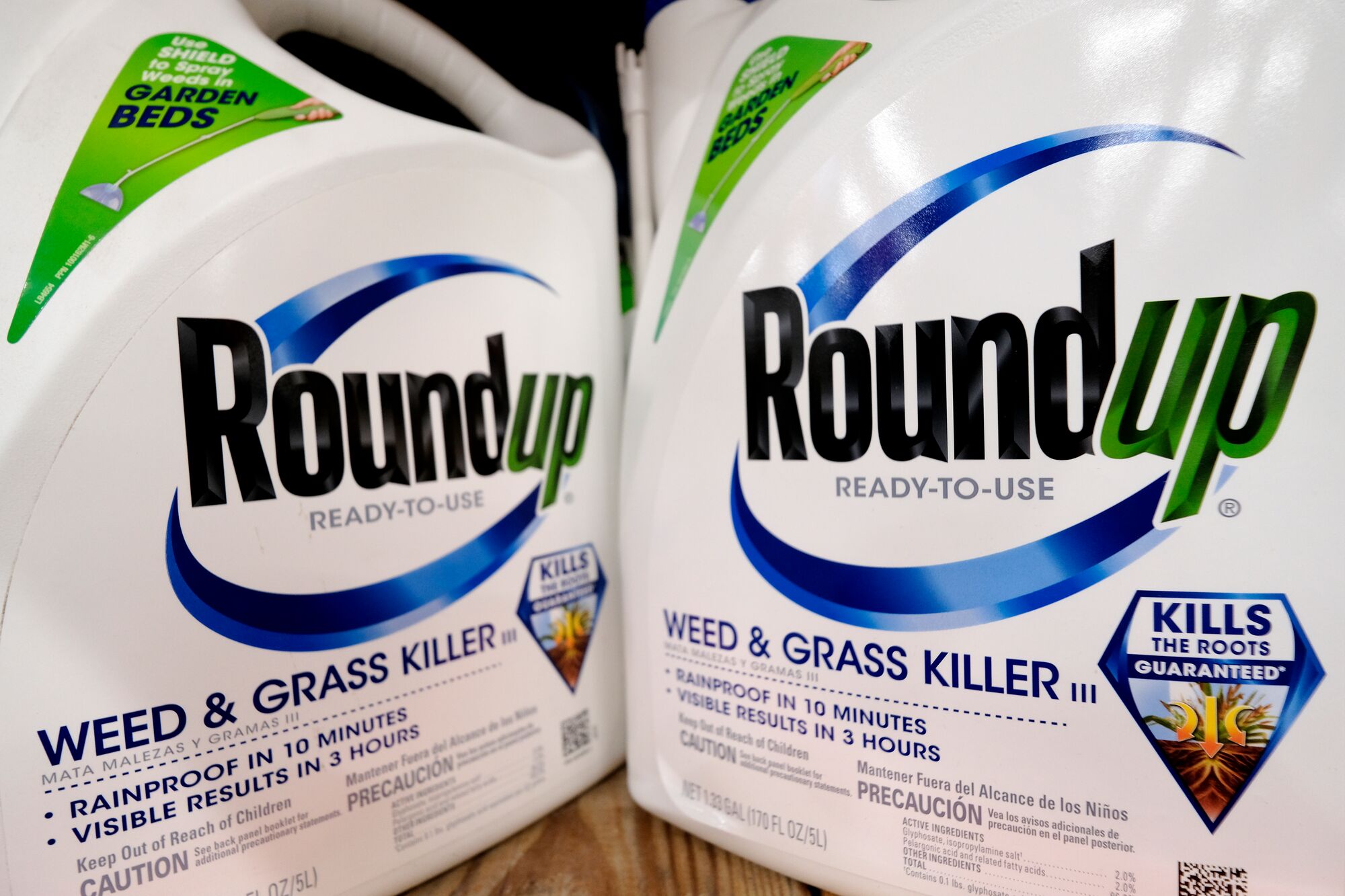
- A man named John Durnell filed a lawsuit in a Missouri state court against Monsanto, arguing that the company’s weedkiller Roundup gave him cancer.
- Durnell’s suit said Monsanto should pay him damages because the company failed to include a cancer warning on Roundup’s label. This type of lawsuit is known as a “failure-to-warn” claim.
- The state court agreed with Durnell, awarding him $1.25 million.
- Monsanto appealed the case all the way to the Supreme Court, arguing that Durnell should not have won because a federal law called the Federal Insecticide, Fungicide, and Rodenticide Act (FIFRA) preempts — or bars — these failure-to-warn claims in state courts.
- Monsanto’s selective reading of the law ignores state authority to ban pesticides and the company’s ongoing duty to ensure its labels have adequate warnings and directions to protect the public.
- Under FIFRA, the fact that EPA has approved a given label does not provide a defense against a violation of this duty.
What the Supreme Court Ruled
- The court ruled that FIFRA preempts state law failure-to-warn claims, dealing a major blow to farmworkers and others harmed by pesticides — as well as their families and communities.
- The ruling also marks a major win for Monsanto and other pesticide manufacturers seeking to avoid accountability in litigation involving Roundup and other dangerous chemicals.
- The ruling rests on the idea that state failure-to-warn claims impose labeling obligations beyond what the EPA has required. However, EPA approval is often based on limited information at a single point in time, while the science around pesticide harms continues to develop.
- In cases involving Roundup, state court litigation helped reveal allegations that Monsanto knew more about cancer risks than it disclosed, ghost-wrote articles dismissing cancer risks, and failed to provide adequate warnings to the public. By cutting off these claims, the court has weakened one of the most important backstops protecting people when federal regulation falls short.
What the Outcome Means, and What Comes Next
- State courts have often been the only place families can recover medical costs, lost income, and damages for life-altering harm from pesticides. This ruling limits their ability to seek justice.
- Legislative fixes can help protect families who find themselves in this situation. Recently, the House stripped out language from the Farm Bill that would have granted pesticide manufacturers immunity from failure-to-warn lawsuits. It should now amend federal law to make explicit that FIFRA does not preempt state failure-to-warn claims.