

The Trump Administration Stands in the Way of the Shutdown Mandated by Law Since 2011 of Washington State’s Last Coal Plant – TransAlta’s Centralia Plant
As part of its efforts to give a lifeline to coal, on December 16, 2025, the Department of Energy issued an order directing Centralia to keep burning coal past its legally mandated shutdown date because of a purported energy emergency. This order follows on the heels of several issued by the Department to keep the Campbell plant in Michigan operating past its May 2025 shutdown date and was soon followed by orders to keep coal plants slated for shutdown in Indiana and Colorado operating. Earthjustice, along with the Sierra Club and Environmental Defense Fund, is mounting a challenge to the TransAlta order.
Clients
Regional Office / Program
Case Overview
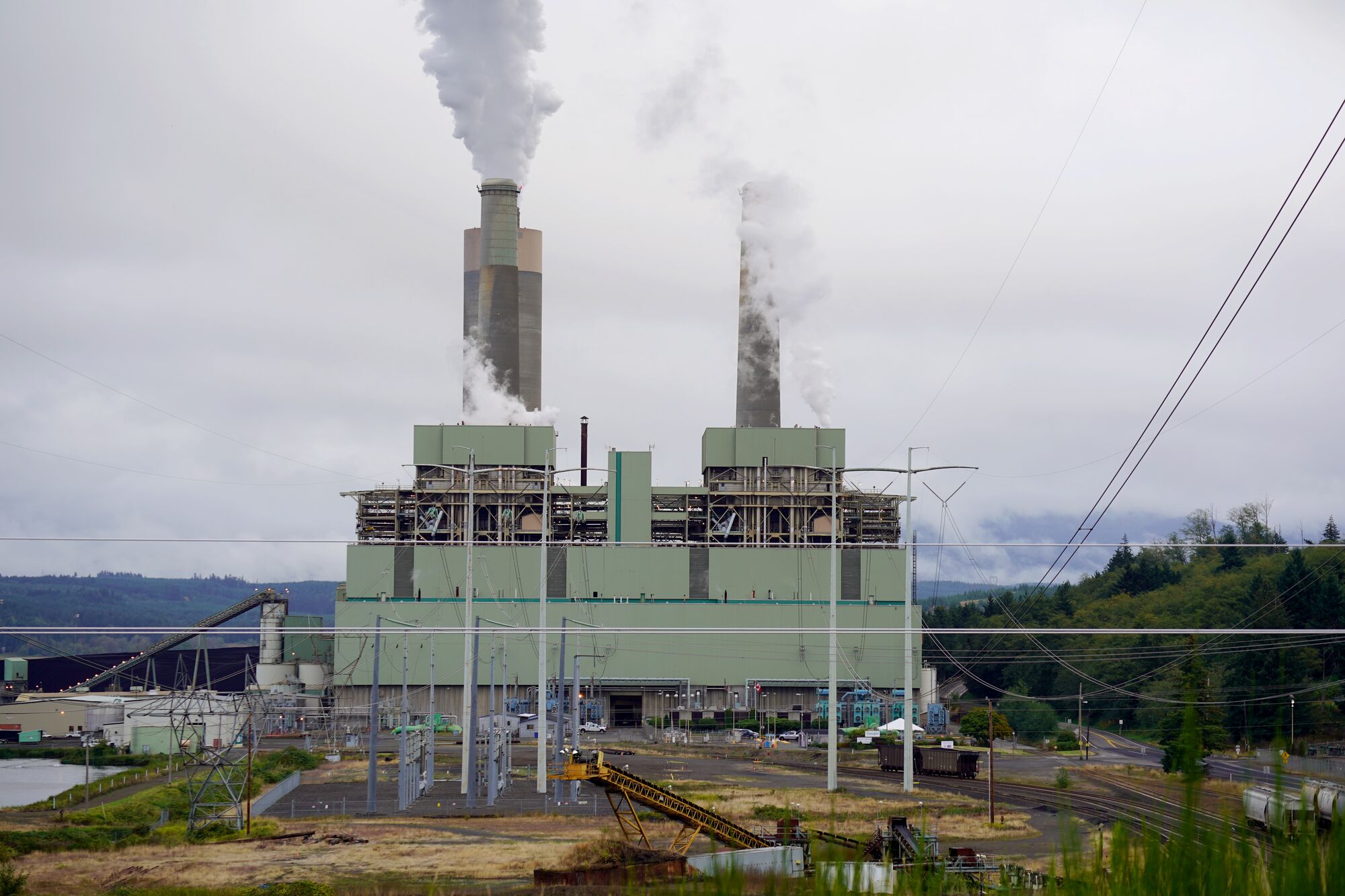
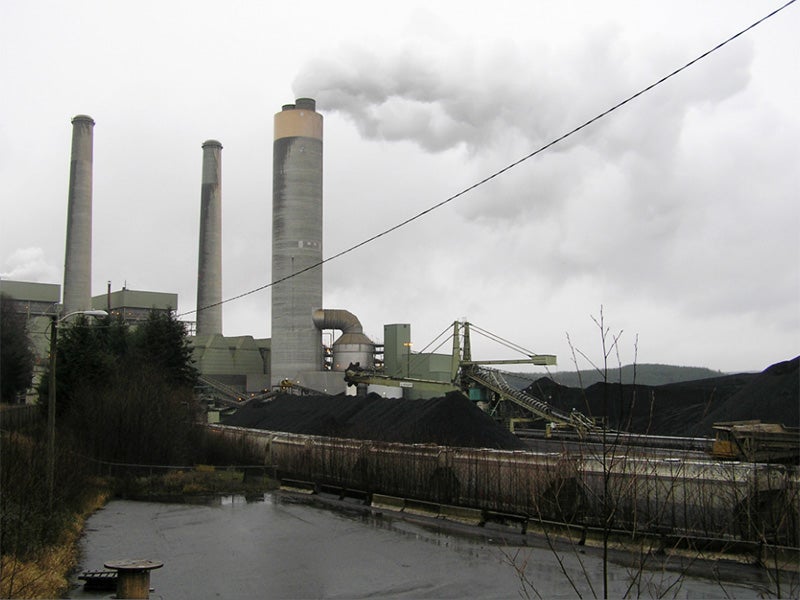
TransAlta Corporation, a Canadian company, owns an old, dirty coal power plant in Centralia, Washington, that began operating in 1971. In 2010, the plant was the state’s largest single source of nitrogen oxide and greenhouse gas emissions — 10% of Washington’s total greenhouse gas emissions came from just this one coal plant.
Not only did the plant’s air emissions harm human health but they also create haze pollution in what should be our most pristine areas: national parks and wilderness areas, like Mt. Rainier, Olympic and North Cascades National Parks, along with Alpine Lakes and Goat Rocks wilderness areas, among others.
As part of the nationwide campaign to force old, dirty coal plants to come into compliance with environmental laws, Earthjustice embarked on concerted litigation and advocacy on behalf of the Sierra Club and National Parks and Conservation Association to compel the Washington Department of Ecology and U.S. EPA to require TransAlta install the best pollution controls at its Centralia coal plant to reduce harmful air pollution. Our advocacy, along with the Governor’s efforts to force Centralia to come into compliance with the state’s limits on greenhouse gas emissions, led TransAlta to enter into an agreement with the state in 2011 (codified in Washington law) to shut down one coal-burning unit by the end of 2020 and the other unit by the end of 2025. Under the agreement, TransAlta was able to avoid installing state-of-the art air pollution controls at the Centralia plant and meeting the state’s greenhouse gas emissions limit. It provided $55 million to support worker retraining and economic development in the Centralia community and to advance clean energy in Washington, and in return, the state allowed sales and tax exemptions for coal purchases until closure.
TransAlta obtained the benefits of its bargain. It shut down Unit # 1 at the end of 2020 and was poised to shut down Unit #2 by December 31, 2025.
TransAlta’s legally mandated shutdown undergirded a series of subsequent climate laws enacted in Washington State. The Clean Energy Transformation Act in 2019 (SB 5116) to phase out fossil fuel use for electricity production in Washington, prohibits the purchase of coal-fired power for use by Washington consumers after December 31, 2025. The 2021 Climate Commitment Act capped greenhouse gas emissions and required large greenhouse gas emitters to purchase allowances to be invested in clean energy and emission reduction programs, but it exempted purchases of power from Centralia up until the mandatory shutdown date.
Everyone moved beyond coal to plan for the region’s energy needs using cleaner sources of energy. Utilities invested in renewable energy and transmission projects. And grid planners and regulators planned for the region’s energy needs without coal.
The Trump administration then entered the fray to block the long-planned shutdown. On December 16, 2025, the Department of Energy issued an order directing TransAlta to keep operating Centralia, despite the long planned and legally mandated shutdown. This order is one of several issued by the Department to prevent the long-planned retirement of some of the dirtiest and oldest coal-burning power plants in the U.S. Until this year, such DOE orders would be unprecedented. These orders override decisions made by power companies, grid operators, state utility regulators, and state legislators — those plants were slated for retirement because coal-fired power generation is expensive and unreliable.
The administration is falsely invoking emergency powers to resurrect coal-fired power. It is misusing Section 202(c) of the Federal Power Act. Section 202(c) orders may only address imminent and unexpected shortfalls — in other words, real emergencies.
The Department tries to manufacture an emergency by selectively quoting resource planning reports and ignoring findings in those and other reports showing that no such emergency exists.
Washingtonians will bear the brunt of the air pollution, which causes premature deaths, respiratory and other illnesses, toxic waste contamination, and harm to our climate. Rather than addressing an emergency, the order creates one by obstructing implementation of state laws and deliberate resource planning designed to move to cleaner sources of reliable energy. Ratepayers will also pay an economic price for this wasteful order as the costs of running TransAlta will be passed along to ratepayers.
The Trump administration is forcing American families to subsidize the failing coal industry — potentially costing ratepayers up to billions per year — while blocking access to cheaper, cleaner energy sources.
Case Updates
Case page created on January 13, 2026.