September 29, 2026
Guide to Public Hearing on Power Plant Climate Pollution Regulations
This is our last chance to speak directly to EPA and urge them to drop their repeal and acknowledge that climate pollution from power plants endangers our health and welfare.
On Thursday, October 1, and Friday, October 2, the Environmental Protection Agency will hold virtual public hearings on their proposal for stripping the government’s authority to regulate greenhouse gas emissions from power plants.
This is our last chance to speak directly to EPA and urge them to drop their repeal and acknowledge that climate pollution from power plants endangers our health and welfare.
Public comment helps show that communities across the country are paying attention and demanding accountability.
You do not need to be a lawyer, scientist, or policy expert to participate. Personal stories and community concerns matter.
Quick Start: How to Participate
Step 1: Register for the EPA hearing
- Speaking slots may fill up.
Thursday, October 1, 2026
9 a.m. – 6:30 p.m. ET / 6 a.m. – 3:30 p.m. PT
Friday, October 2, 2026
9 a.m. – 4 p.m. ET / 6 a.m. – 1 p.m PT
Step 2: Prepare your public comment
Your public comment can be short and simple. You can:
- Read directly from prepared notes
- Speak conversationally
- Share personal concerns
- Use the talking points below
- Combine personal experience with broader concerns
Public comment is limited to 4 minutes, but even a short statement can make a difference. A good rule of thumb:
- 1 minute ≈ 150 words
- 4 minutes ≈ 500 words
Step 3: Deliver your public comment virtually
You can testify from:
- Your computer
- Your phone
You do not need to stay for the entire hearing.
During the hearing:
- You will likely wait in a virtual queue until your name is called.
- Your microphone will be muted until it is your turn.
- You may simply read your prepared remarks aloud.
Step 4: Send us your public comment
Once you prepare your public comment, please send us a copy so we can better understand how supporters are engaging and help track participation.
We are incredibly thankful for your effort in this work. Thank you.
What EPA is Proposing
The Trump administration is trying to strip the government’s authority to regulate greenhouse gas emissions from power plants — the country’s largest industrial source of climate pollution.
- The administration recently rolled back many of the climate pollution standards for fossil-fueled power plants.
- Now, they're trying to eliminate the government's authority to act at all by repealing the endangerment finding for power plants and all remaining climate pollution standards for these dirty facilities.
The endangerment finding is the EPA’s scientific determination that greenhouse gases endanger public health and welfare by driving climate change. As such, these gases are subject to regulation under the Clean Air Act.
Repealing the endangerment finding for power plants doesn’t make pollution less harmful — but it does clear the way for fossil fuel companies to continue raking in profits while Americans pay in health consequences and extreme weather events.
Why Your Public Comment Matters
Public comment helps:
- Demonstrate widespread opposition to the rollback
- Build a strong public record
- Shows EPA that communities are paying attention
- Elevate the experiences and concerns of people affected by extreme weather driven by climate pollution
- Push back against industry pressure
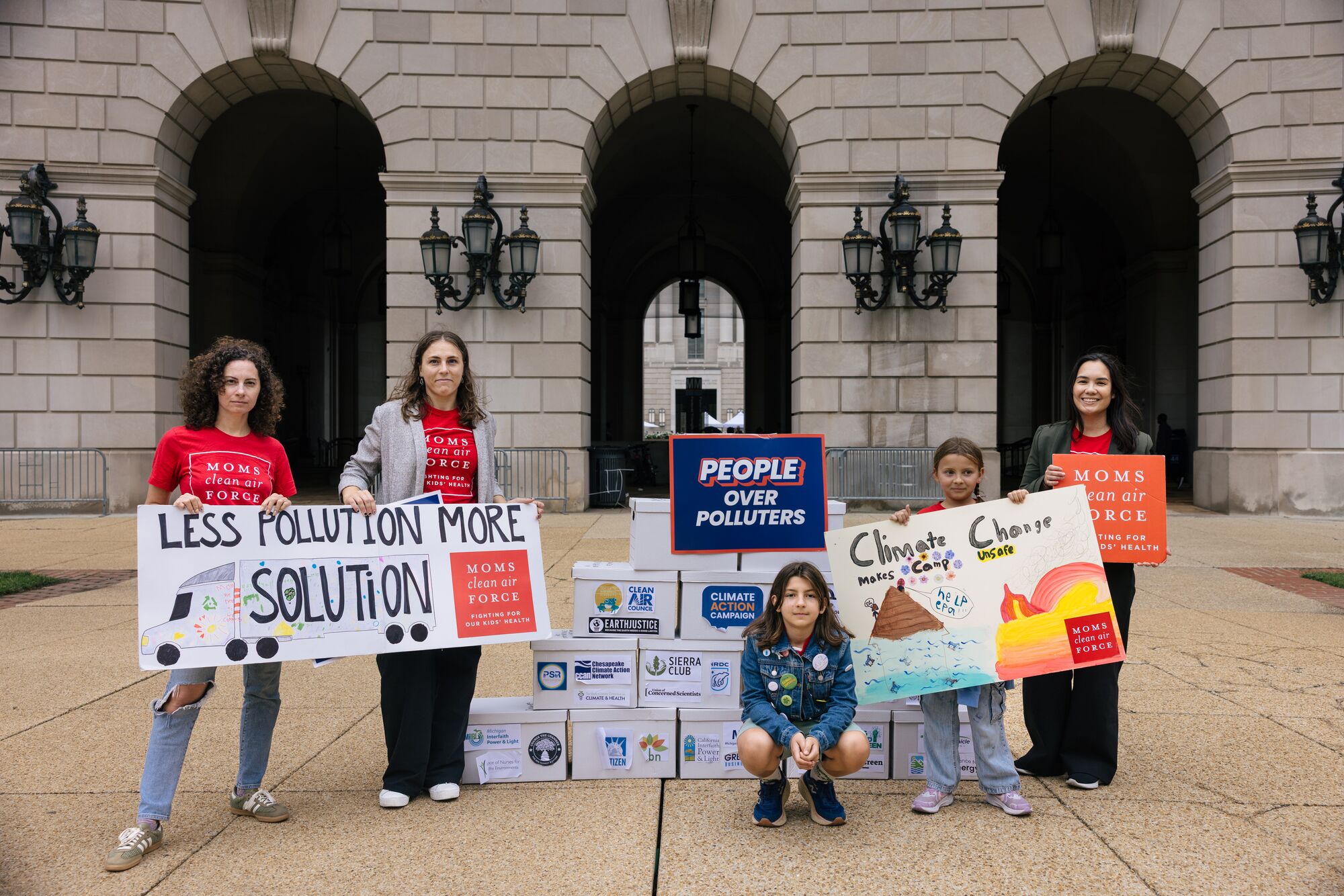
Key Talking Points
- EPA has a legal obligation to protect us from air pollution that endangers public health and welfare – including greenhouse gases that are driving climate change.
- The endangerment finding is based on decades of scientific consensus. Climate change is real, driven primarily by human-caused emissions, and is harming both our health and the economy today.
- Massive floods, droughts, wildfires, and hurricanes are harming our health, our communities, and our economy. They will only get worse if the government undercuts its own authority to act.
- Power plants are the largest industrial source of greenhouse gas emissions in the United States, accounting for a quarter of the nation’s climate pollution.
- EPA’s authority to regulate greenhouse gases was already confirmed by the Supreme Court nearly two decades ago, and has consistently been affirmed by the courts.
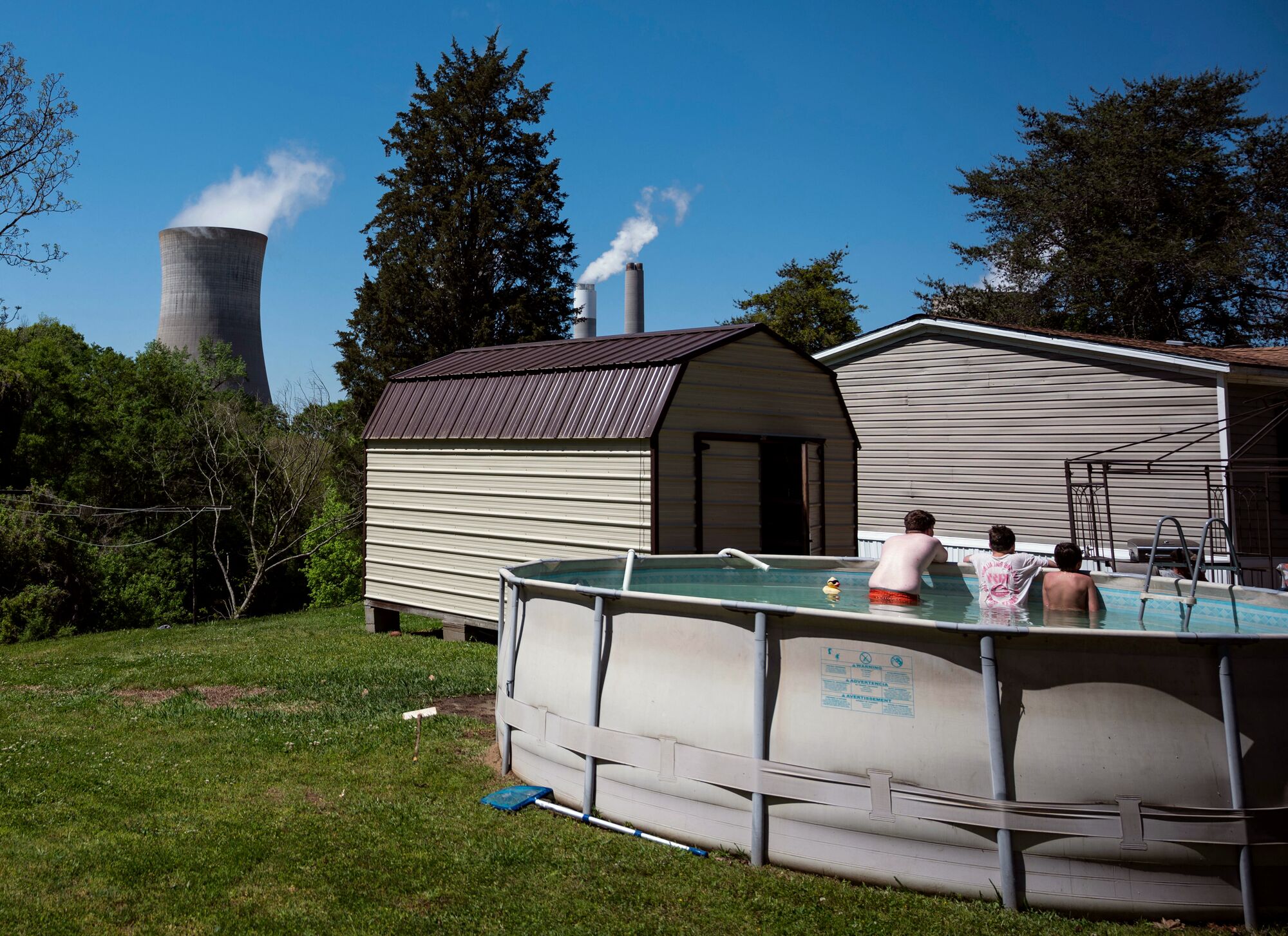
Tips for a Strong Public Comment
Make it personal.
You do not need technical expertise for your public comment to matter. You can talk about:
- Concerns about impact of fossil-fueled power plants’ climate pollution
- Why we need strong safeguards from the federal government to rein in climate pollution
Keep it simple.
A clear and sincere statement is often more powerful than a highly technical one.
End with a clear ask.
Examples:
- “EPA has an obligation to protect us from air pollution that endangers public health and welfare — including greenhouse gases from power plants that are driving climate change. I urge you to give up this repeal of the endangerment finding for power plants.”
- “Please do not abandon your responsibility to protect us from air pollution that harms our health and welfare, like climate pollution from fossil-fueled power plants.”
Sample public comment structure:
Public comment should flow like this:
“Hi, my name is [name], in [my state].
“I am concerned about [list the reasons you are personally worried — examples can include: how limiting the government’s ability to act on climate change would impact you, why these safeguards matter, etc.].
“Thank you for listening. [End with a clear ask]”
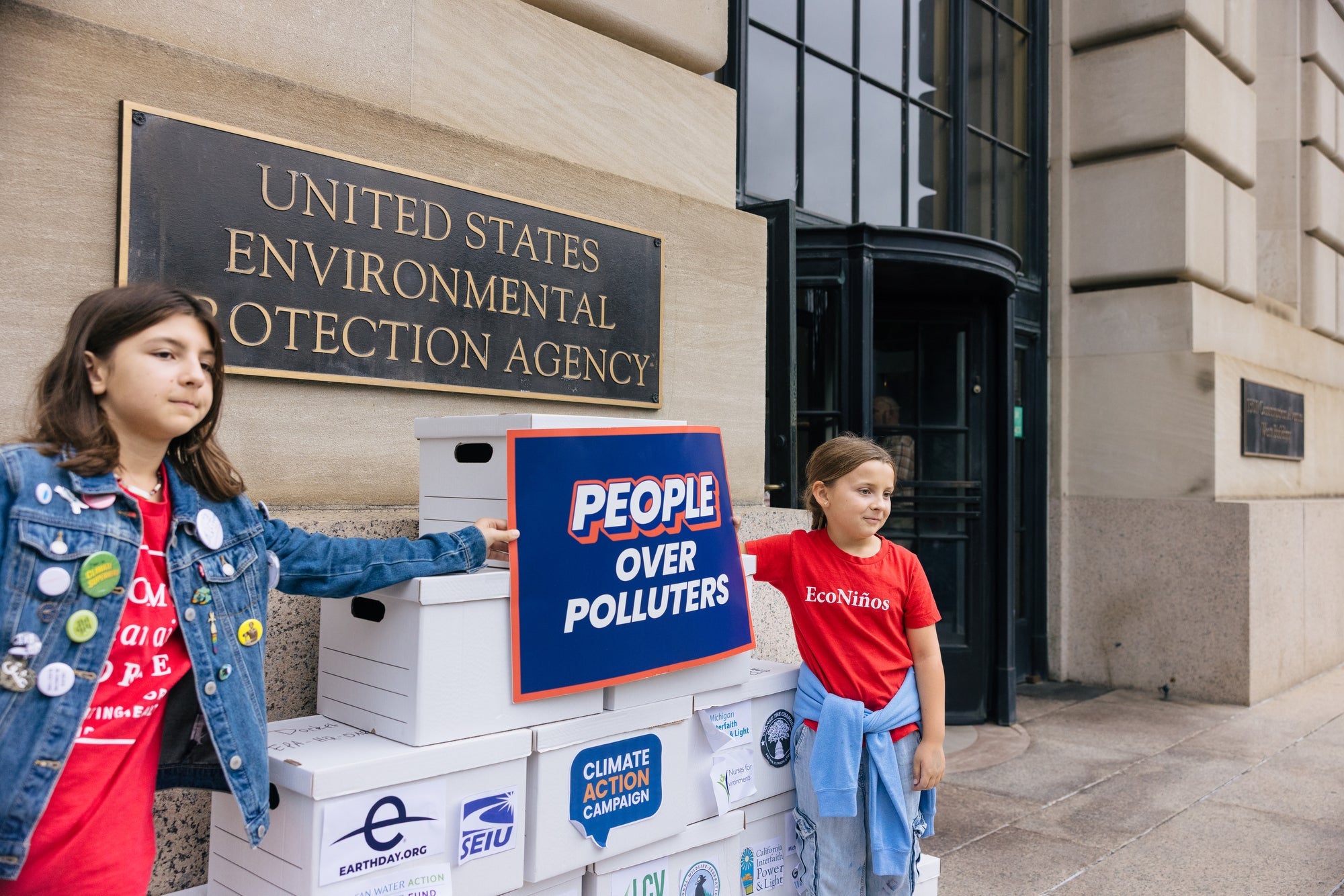
A Few Final Reminders
You are speaking on your own behalf, not on behalf of Earthjustice.
- You do not need to be an expert to participate.
- Short public comment still matters.
- Personal stories and concerns are powerful.
- Register as soon as you can before the public hearing.
Thank you for speaking up for our climate future.