

Protecting the Western Arctic from Oil and Gas Drilling
Earthjustice fought for years to protect special places in the northwestern corner of Alaska.
Regional Office / Program
Case Overview
Outside the industrialized oil fields of Prudhoe Bay, vast areas of relatively untouched wildlife habitat remain in Alaska’s Western Arctic.
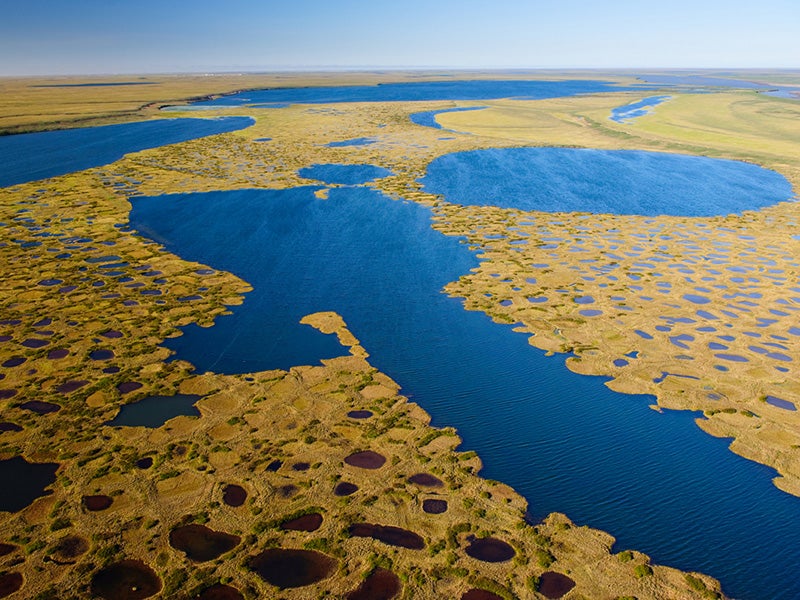
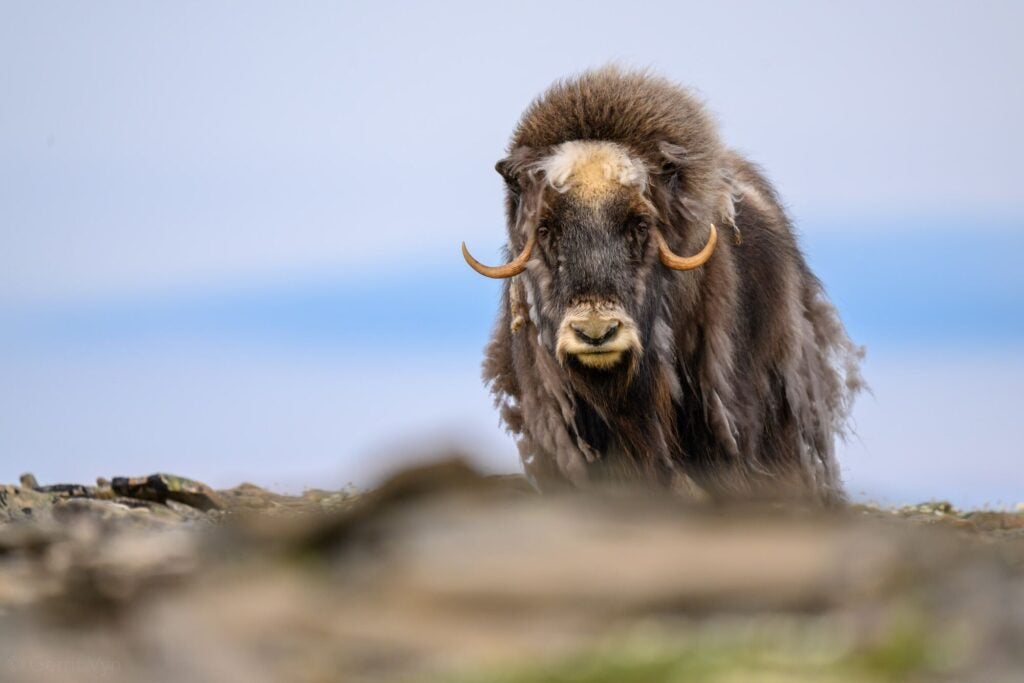
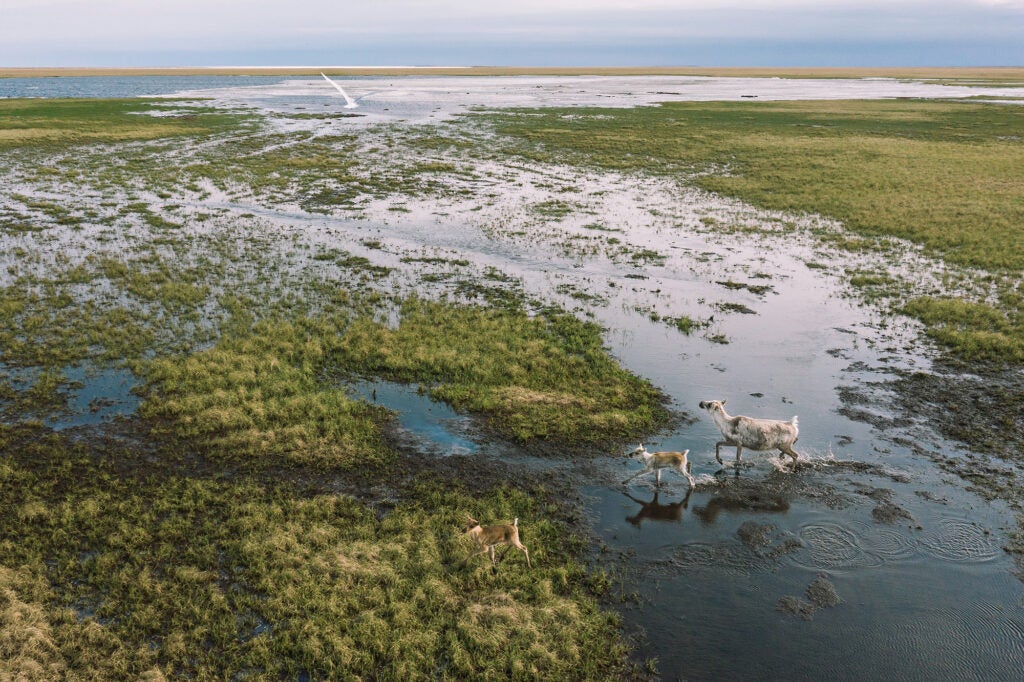
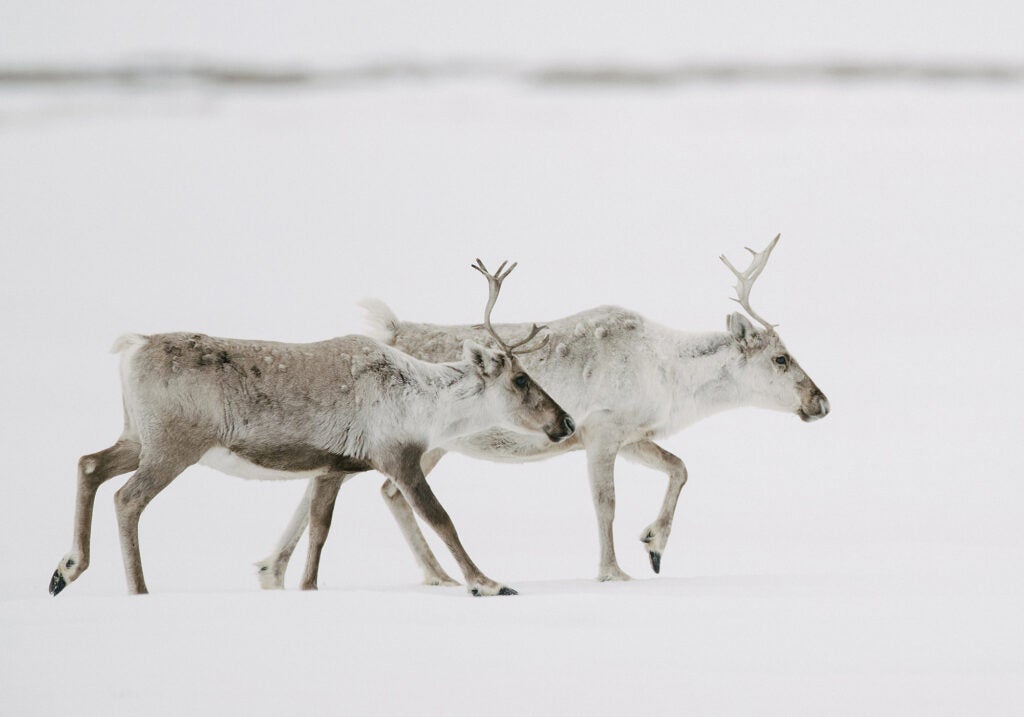
This region includes the 23-million acre National Petroleum Reserve-Alaska, the largest unprotected block of land in the federal land system. The Reserve consists of varied ecosystems and habitats, from coastal lagoons to Arctic tundra and rugged mountains, supporting large populations of caribou, polar and grizzly bears, wolves, fish, and migratory birds.
It is also home for Teshekpuk Lake, one of the most important and sensitive wetland complexes in the circumpolar Arctic, and often referred to as the biological heart of the Western Arctic.
Earthjustice and our allies have worked hard to protect the unique wildlife and other resources of the Western Arctic.
Since 1998, Earthjustice has gone to court multiple times to protect this region from oil and gas leasing and its harmful effects on sensitive areas, including calving and insect-relief habitats for caribou, molting and nesting areas for various birds, and subsistence hunting and fishing grounds for local people. (See related case: “Challenging the Willow Oil & Gas Project in Alaska’s Arctic”)
The Reserve and the surrounding areas continue to be central to Earthjustice and our allies’ interests in Alaska. Oil and gas leasing and exploration activities are intensifying not only in certain parts of the Reserve but also on adjacent offshore areas in the Beaufort and Chukchi Seas. Meanwhile, the Arctic is undergoing significant changes due to warming climate, which is threatening sensitive Arctic species, habitats, ecosystems, and Alaska Native cultures.
Case Updates
Case page created on January 20, 2010.